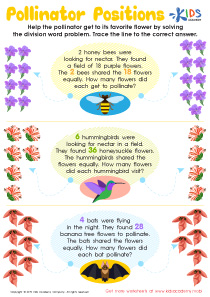
Fine motor skills development Normal Preschool Worksheets
3 filtered results
-
From - To
Enhance your preschoolers' fine motor skills with our comprehensive collection of worksheets designed specifically for this critical developmental stage. These engaging and interactive activities are perfect for young learners, promoting dexterity, coordination, and concentration. Our fine motor skills worksheets include tracing, cutting, and coloring tasks that are both fun and educational, ensuring children develop essential skills while enjoying the learning process. Ideal for home or classroom use, these worksheets support early childhood education curriculum and prepare children for future academic success. Discover the joy of skill-building with our normal preschool worksheets, designed to inspire creativity and fun learning experiences!
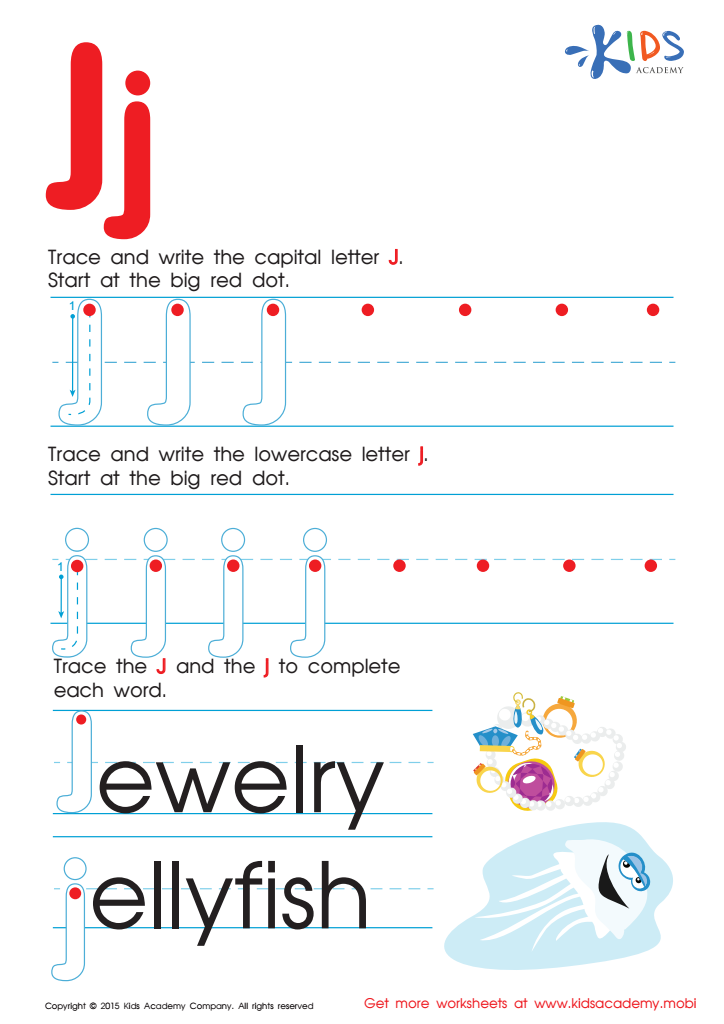
Letter J Tracing Page
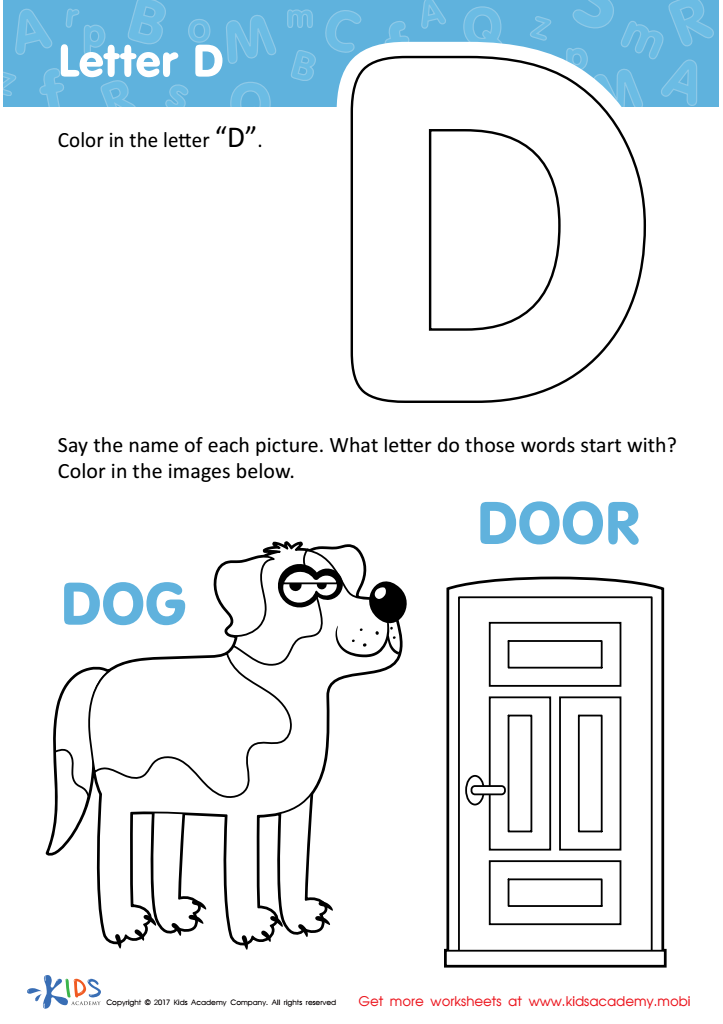
Letter D Coloring Sheet
 Assign to My Students
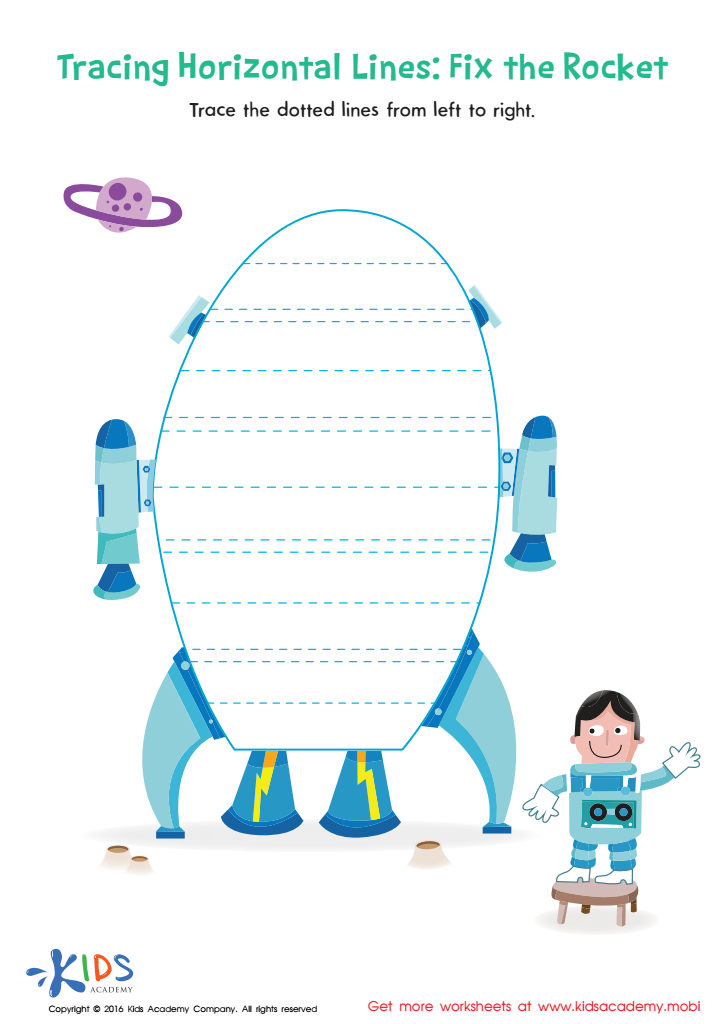
Tracing Horizontal Lines Worksheet





.jpg)
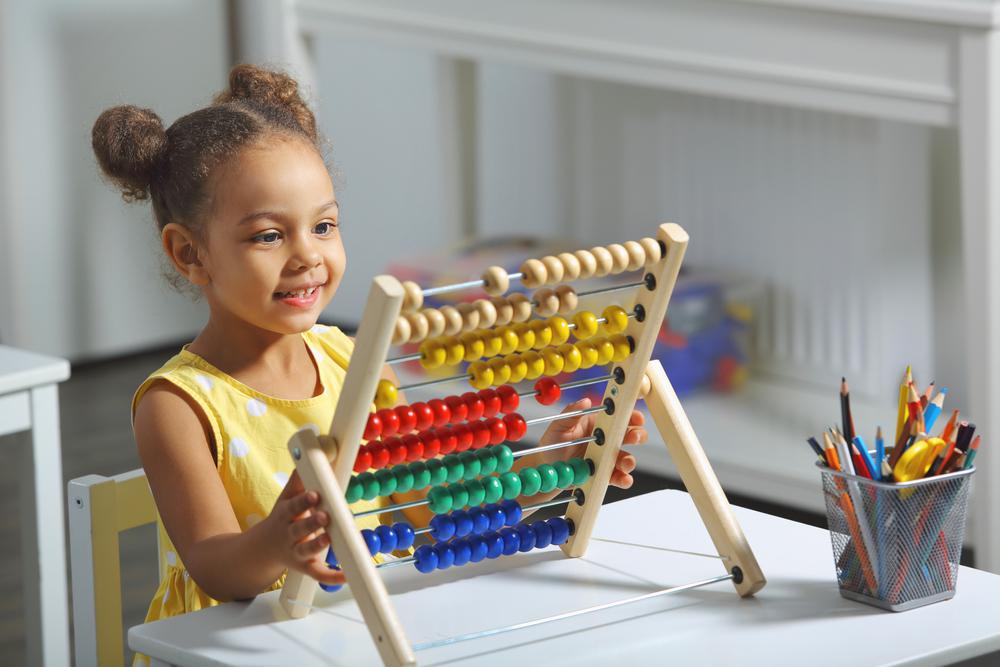

Fine motor skills development in preschool is crucial for young children as it lays the foundation for various essential abilities in both academic and everyday contexts. These skills involve the coordinated use of small muscles in the hands and fingers, enabling children to perform tasks like writing, drawing, cutting, and buttoning clothes. As fine motor skills enhance, children gain greater control and dexterity, leading to improved handwriting and the ability to participate effectively in classroom activities.
Furthermore, fine motor skills are closely tied to cognitive development. Engaging in activities that promote these skills—such as puzzles, crafts, and play—helps enhance children’s problem-solving abilities while fostering creativity and independent learning. Teachers and parents who prioritize fine motor skills contribute significantly to a child's readiness for school and lifelong learning.
Additionally, developing fine motor skills offers emotional benefits as well. Children gain confidence and a sense of accomplishment through mastering new tasks, positively influencing their self-esteem and willingness to tackle future challenges. In essence, supporting fine motor development not only prepares children academically but also nurtures essential emotional and social skills, making it an integral aspect of preschool education that warrants focused attention from both parents and educators.