Logical thinking development Normal Preschool Worksheets
5 filtered results
-
From - To
Enhance your preschooler's cognitive skills with our comprehensive collection of Logical Thinking Development Worksheets! Tailored for young learners, these engaging worksheets promote critical thinking through fun activities. Children will explore patterns, sequencing, and problem-solving, laying a strong foundation for future learning. Our meticulously designed resources cater to various learning styles, making it easy for children to grasp essential concepts while having fun. With colorful illustrations and interactive challenges, these worksheets not only support logical reasoning skills but also encourage creativity and exploration. Equip your child with the tools they need for academic success while enjoying quality educational time at home!
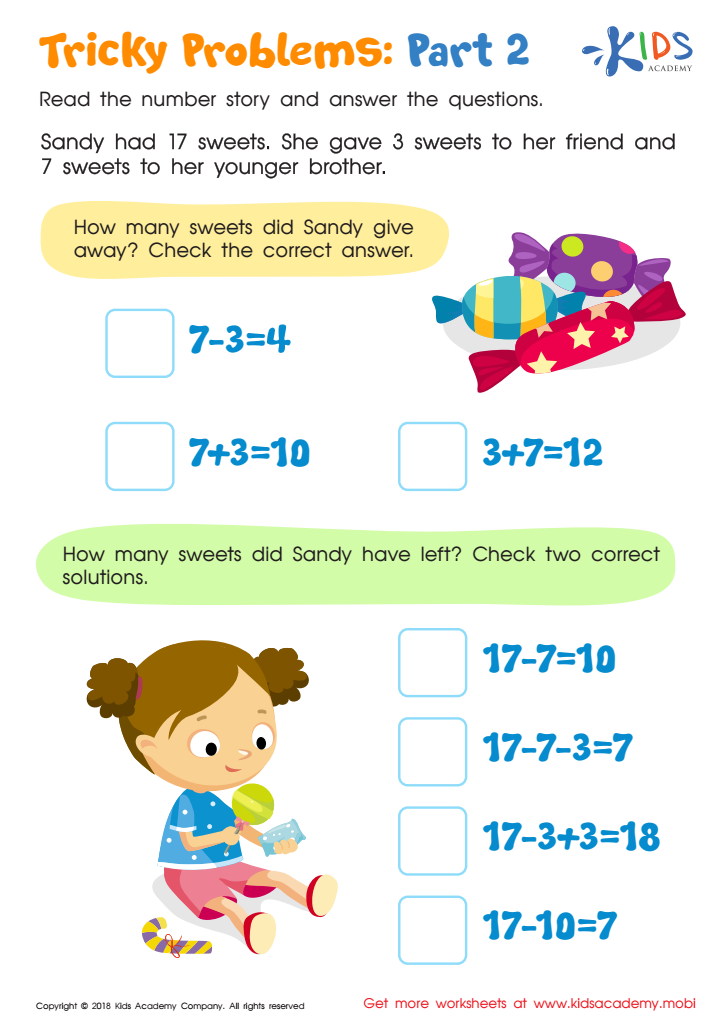
Tricky Problems Worksheet: Part 2
 Assign to My Students
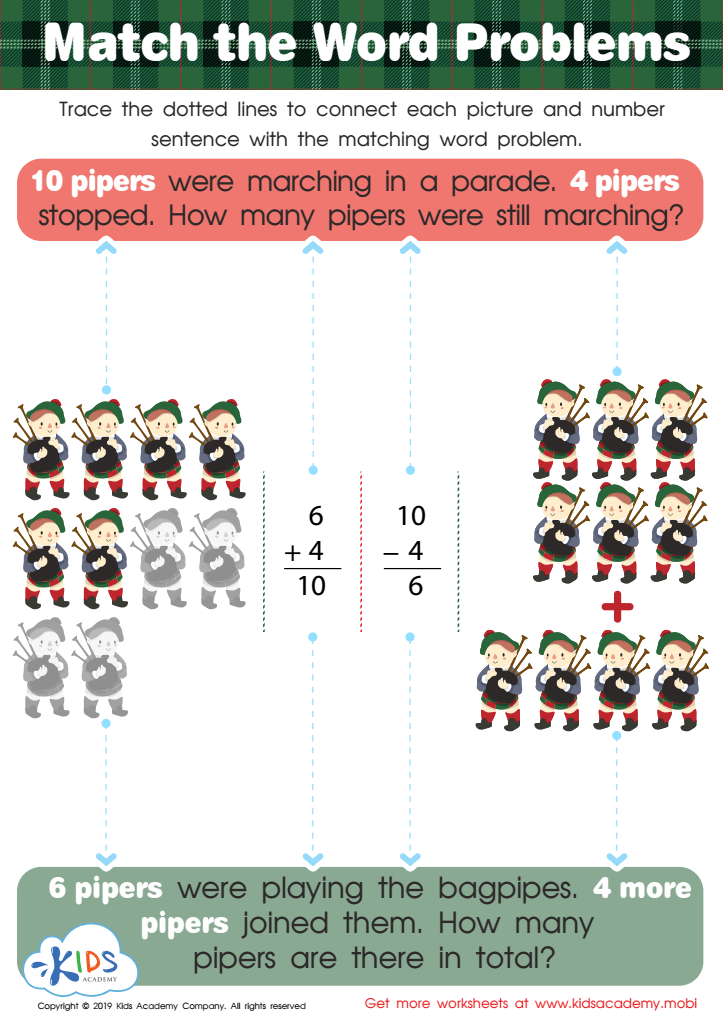
Match the Word Problems Worksheet
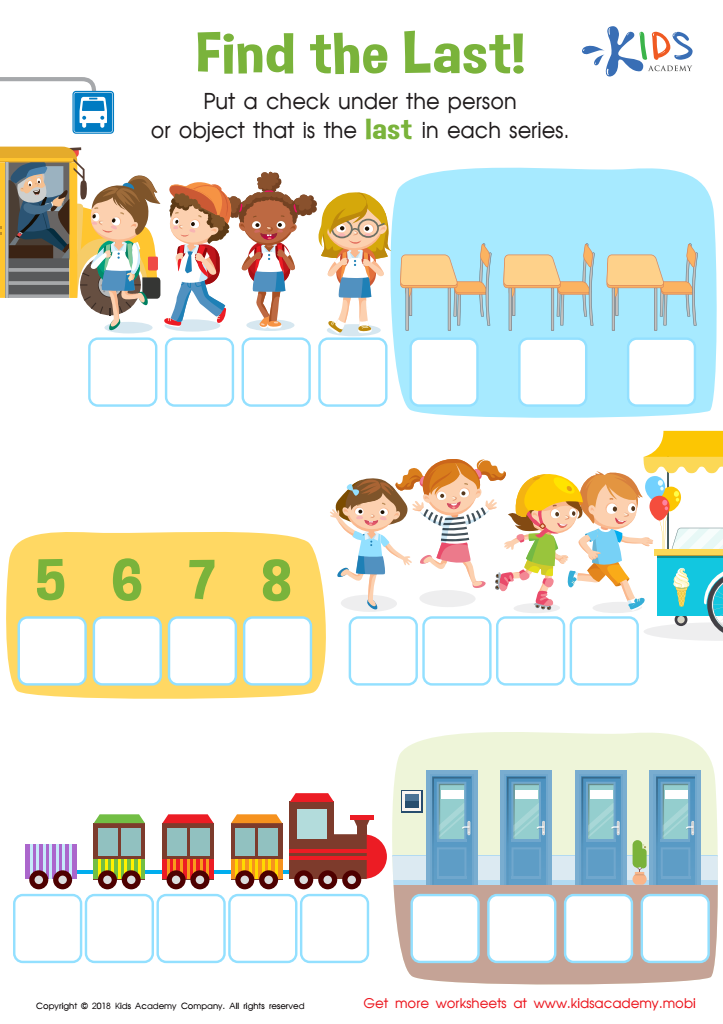
Find the Last! Worksheet
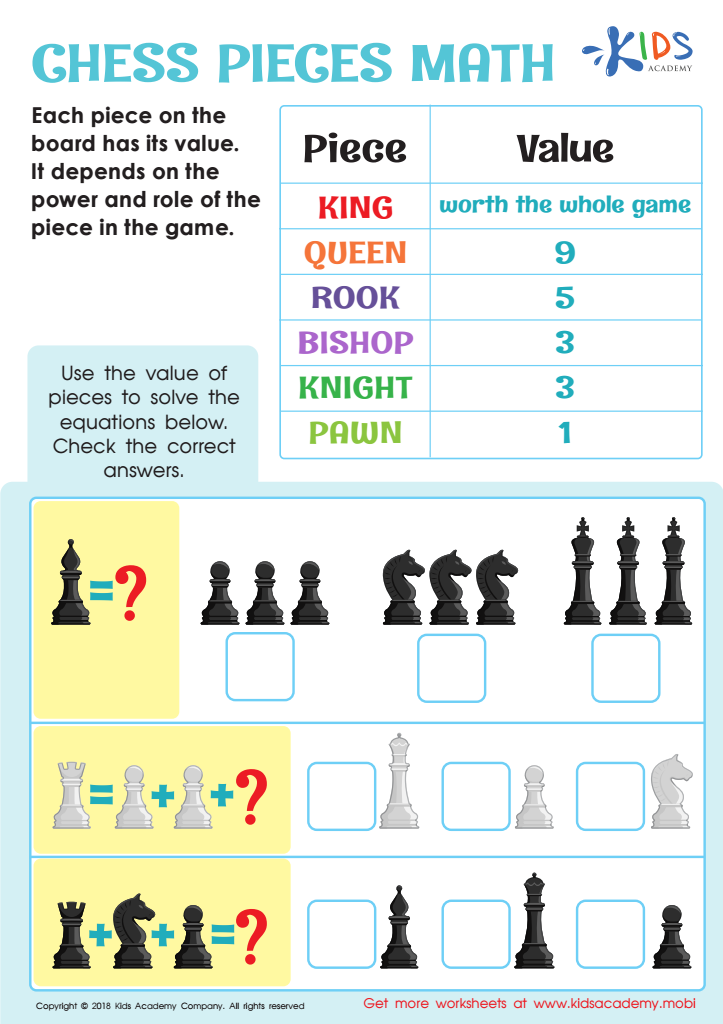
Chess Pieces Math Worksheet
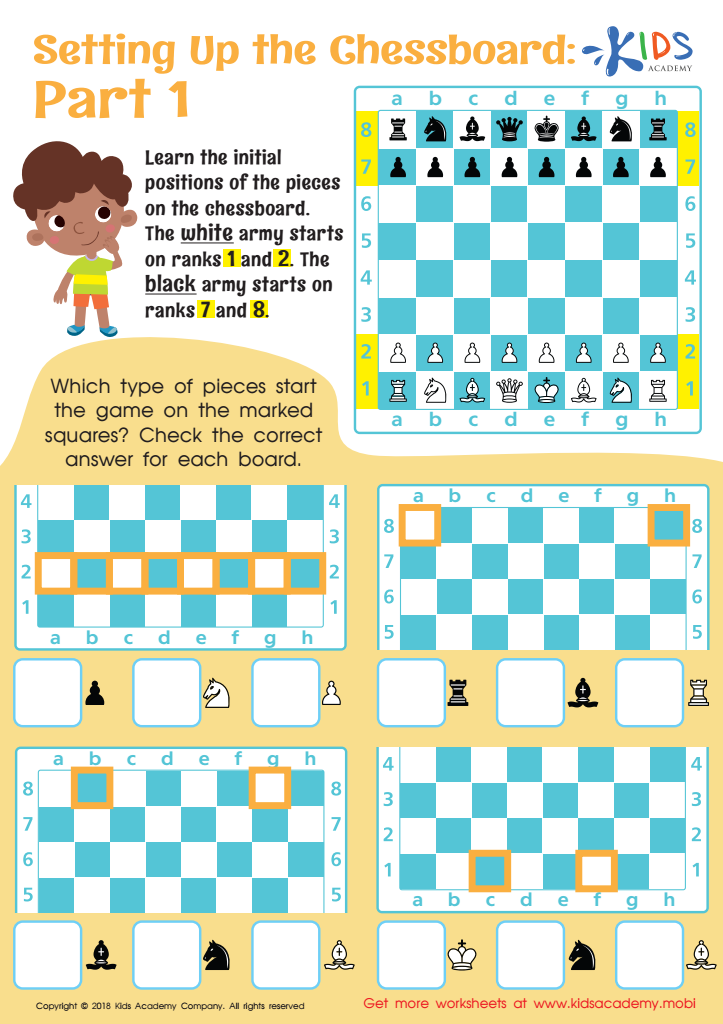
Setting up the Chessboard: Part 1 Worksheet



.jpg)




Logical thinking development in preschool is crucial for children's cognitive growth, problem-solving abilities, and decision-making skills. As they engage in activities that promote logical reasoning, children learn to make connections between ideas, recognize patterns, and analyze situations. This foundational skill set prepares them for success in future academic endeavors and everyday life.
Parents and teachers should prioritize logical thinking in preschool because early experiences significantly shape a child's cognitive abilities. Through play and structured activities, children can explore concepts such as sequencing, sorting, and classification, which are vital for mathematical understanding and critical thinking. For instance, simple games like puzzles and block-building encourage them to think strategically, enhancing their creativity and persistence in overcoming challenges.
Furthermore, logical thinking promotes effective communication skills; as children articulate their thought processes and reasoning, they develop the ability to express ideas clearly. This skill is invaluable as they transition into formal education.
Lastly, supporting logical thinking development cultivates a love of learning. Children who experience success and enjoyment in problem-solving activities are more likely to remain engaged and motivated learners. Thus, investing in logical thinking from an early age creates well-rounded individuals prepared for academic and lifelong success.