Reading skills improvement Normal Preschool Worksheets
4 filtered results
-
From - To
Enhance your preschooler's reading skills with our engaging "Reading Skills Improvement Normal Preschool Worksheets." Designed to spark interest and motivate young learners, these worksheets offer interactive exercises that focus on letter recognition, phonemic awareness, sight words, and simple reading comprehension. Perfect for both classroom and home use, they cater to diverse learning styles, ensuring every child unleashes their reading potential. With colorful illustrations and age-appropriate activities, these worksheets not only make learning fun but also build a strong foundation for lifelong literacy. Explore our collection today and watch your child's reading abilities soar!
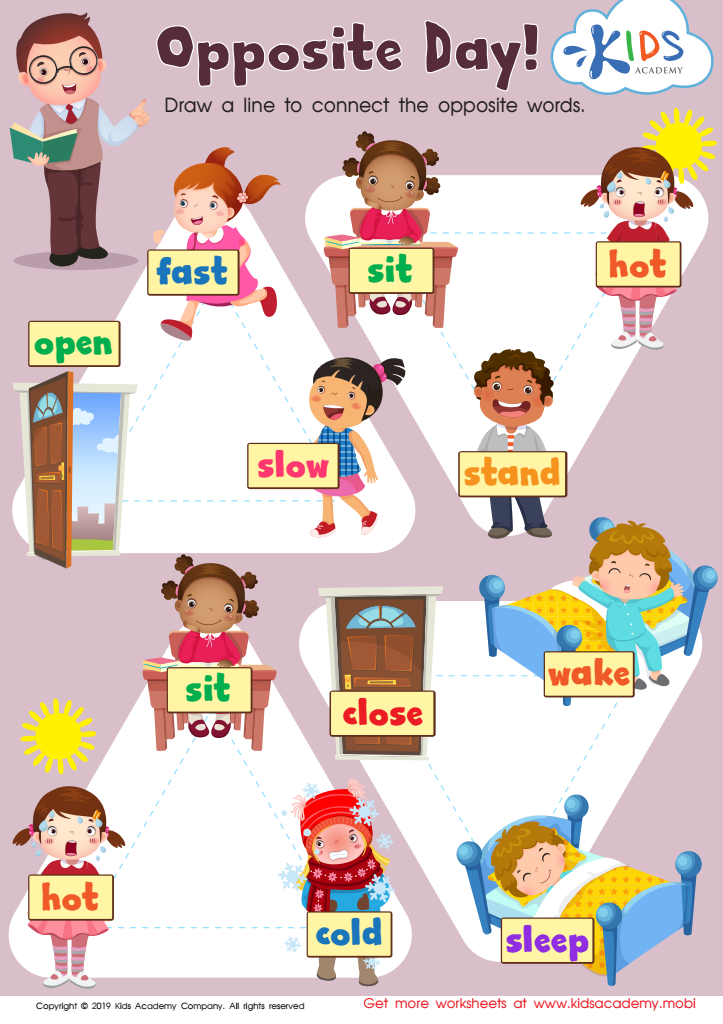
Opposite Day Worksheet
 Assign to My Students
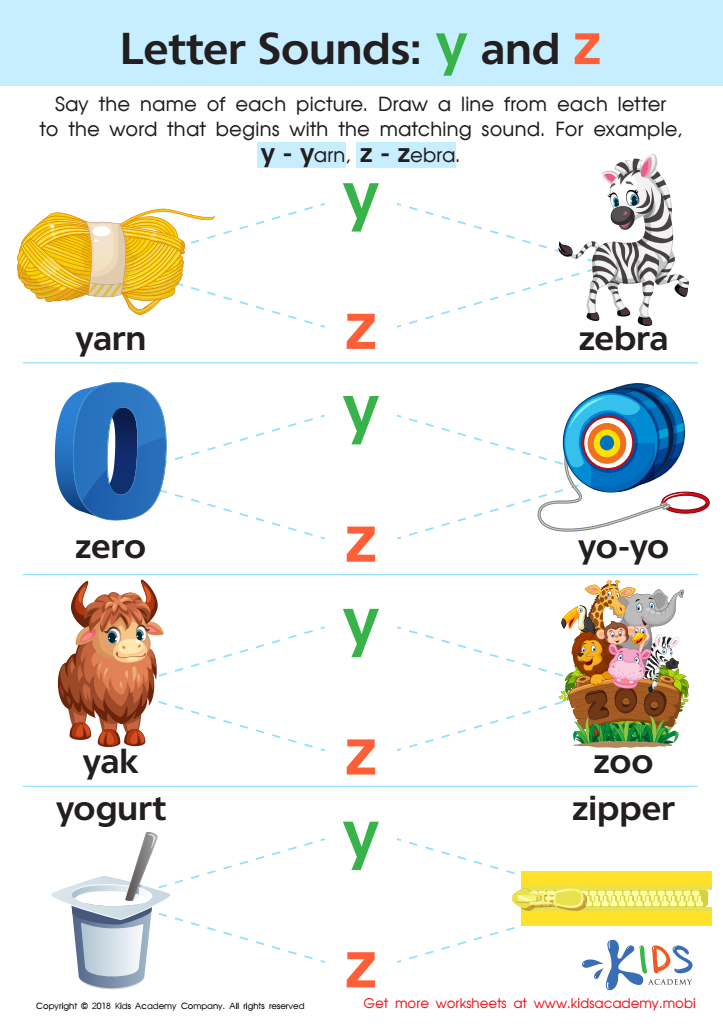
Letter Y and Z Sounds Worksheet
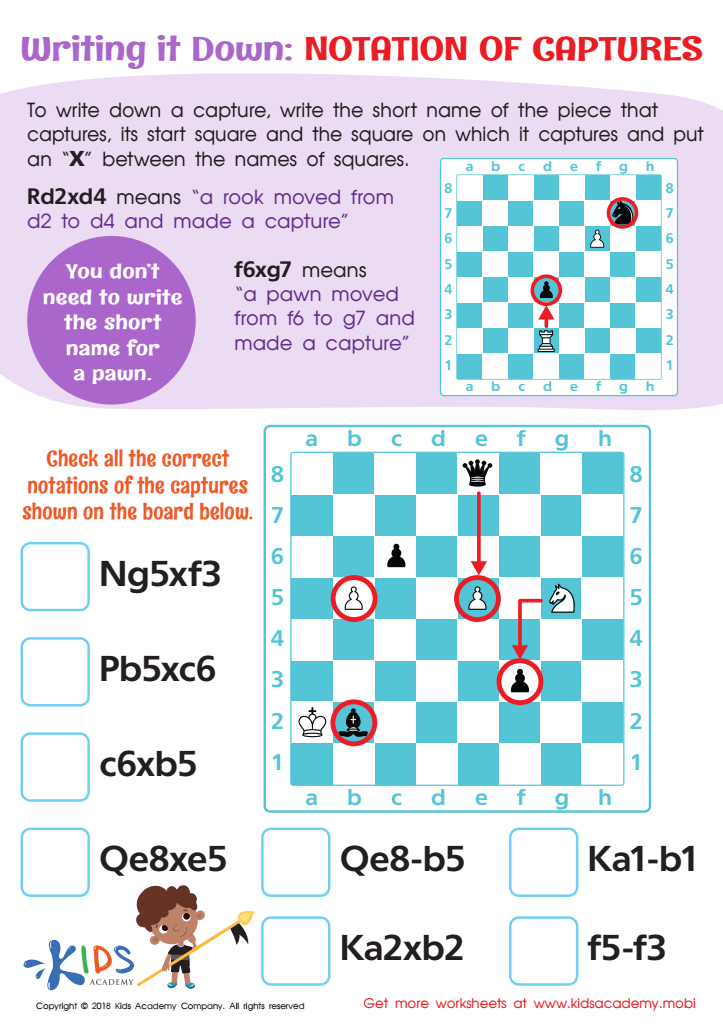
Notation of Captures Writing it Down Worksheet
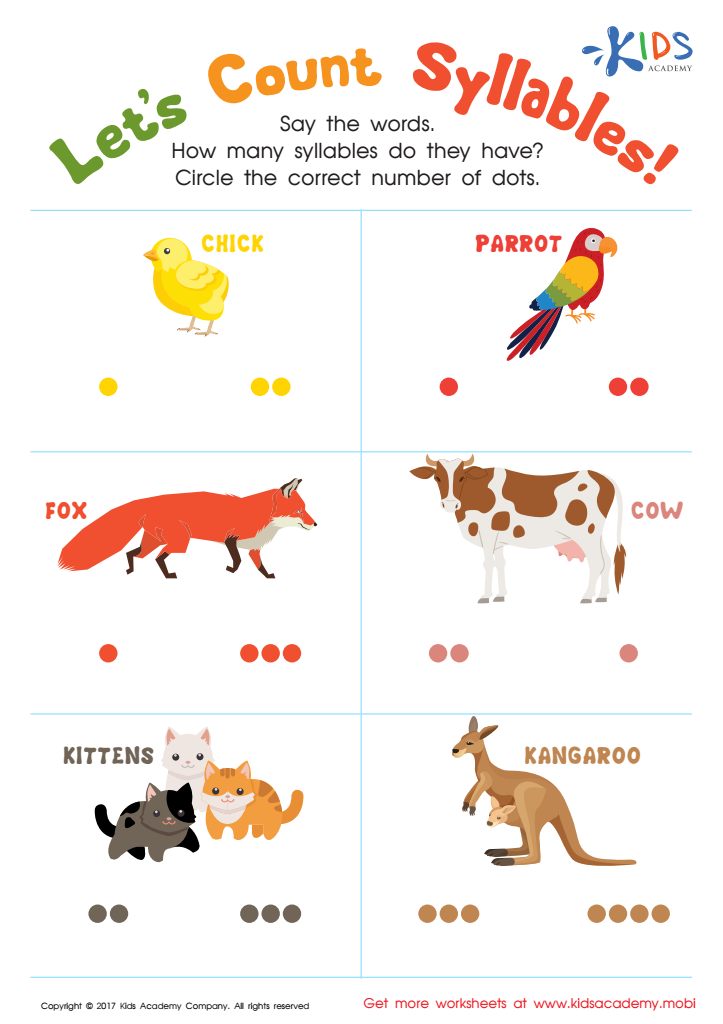
Lets Count Syllables Worksheet




.jpg)



Reading skills development in preschool is crucial for children's overall educational success and cognitive growth. Parents and teachers should prioritize these skills because early reading lays the foundation for future learning. At this age, children's brains are incredibly receptive to new information, and mastering key literacy skills can boost their confidence and motivation.
Research indicates that a child’s vocabulary and comprehension abilities in preschool strongly correlate with their reading skills later on. Thus, fostering a love for reading through engaging activities not only enhances language acquisition but also promotes critical thinking skills. Moreover, early readers are often better prepared for the structured learning environment of kindergarten and beyond, leading to a smoother transition.
Additionally, when parents and teachers actively engage in fostering reading skills, they create strong, supportive educational partnerships. Reading together can enhance bonding and communication, creating a nurturing environment conducive to learning. Engaging children in stories also broadens their exposure to diverse experiences, cultures, and ideas, enriching their overall perspective.
Ultimately, prioritizing reading skills in preschool cultivates lifelong learners who thrive academically, socially, and emotionally, making it an essential focus for educators and parents alike.