Visual perception improvement Normal Preschool Worksheets
5 filtered results
Difficulty Level
Grade
Age
-
From - To
Subject
Activity
Standards
Discover our engaging Preschool Worksheets designed to enhance visual perception skills in young learners. These expertly crafted worksheets offer a variety of fun and interactive activities that help children identify shapes, colors, patterns, and spatial relationships. Perfect for ages 3-5, our worksheets foster critical thinking and creativity while promoting essential cognitive development. Teachers and parents can easily incorporate these resources into their learning routines, ensuring a well-rounded foundation for preschoolers. With vibrant illustrations and age-appropriate challenges, children will develop vital visual perception skills essential for future learning. Explore our collection today and make learning a joyful experience!
Favorites
With answer key
Interactive
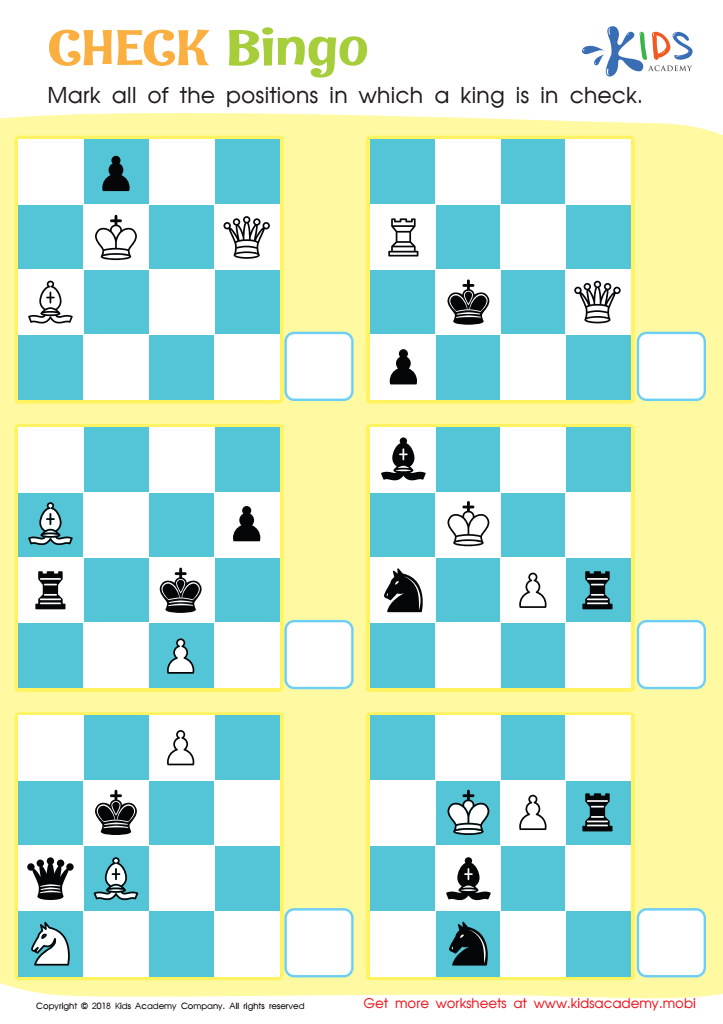
Check Bingo Worksheet
Chess helps young minds build critical thinking, problem-solving and logical reasoning skills. This free PDF worksheet is a fun way to teach these skills. It explains the concept of check and includes gameboards with kings in various positions. Students mark off the boards where a king isn't in check, and they're ready to move onto checkmate!
 Assign to My Students
Check Bingo Worksheet
Worksheet
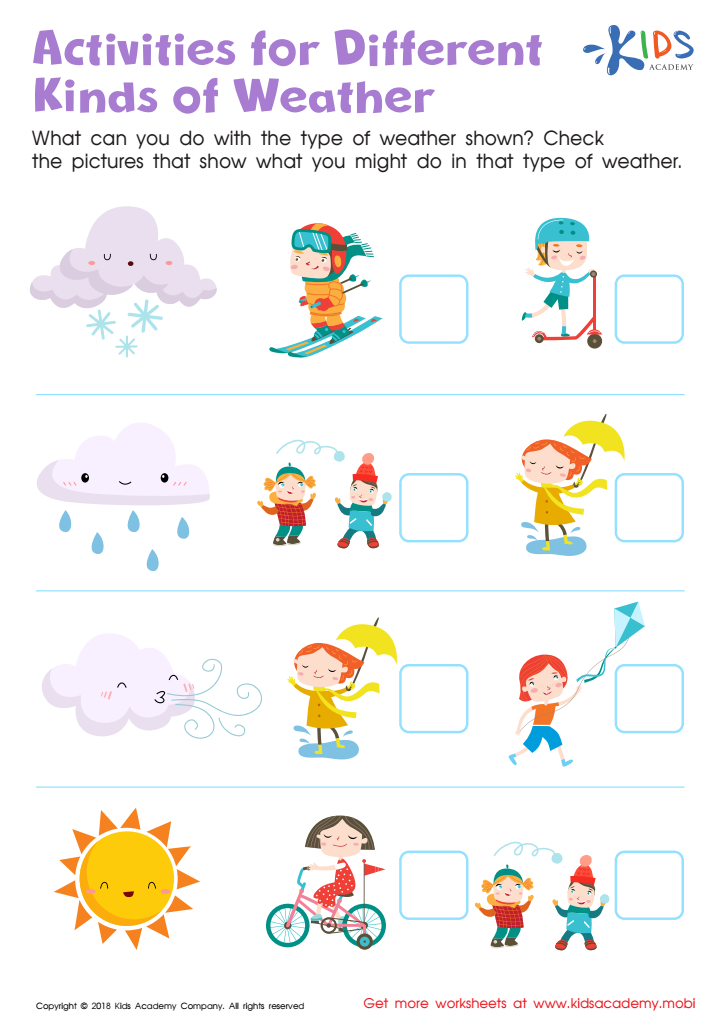
Activities for Different Kinds of Weather Worksheet
Help your child explore the changing seasons with this interactive worksheet. Ask them to name the different seasons and activities associated with each type of weather. Show the pictures and explain what they can do in that kind of weather. Have them check off the activities to help them learn and enjoy the changing seasons.
Activities for Different Kinds of Weather Worksheet
Worksheet
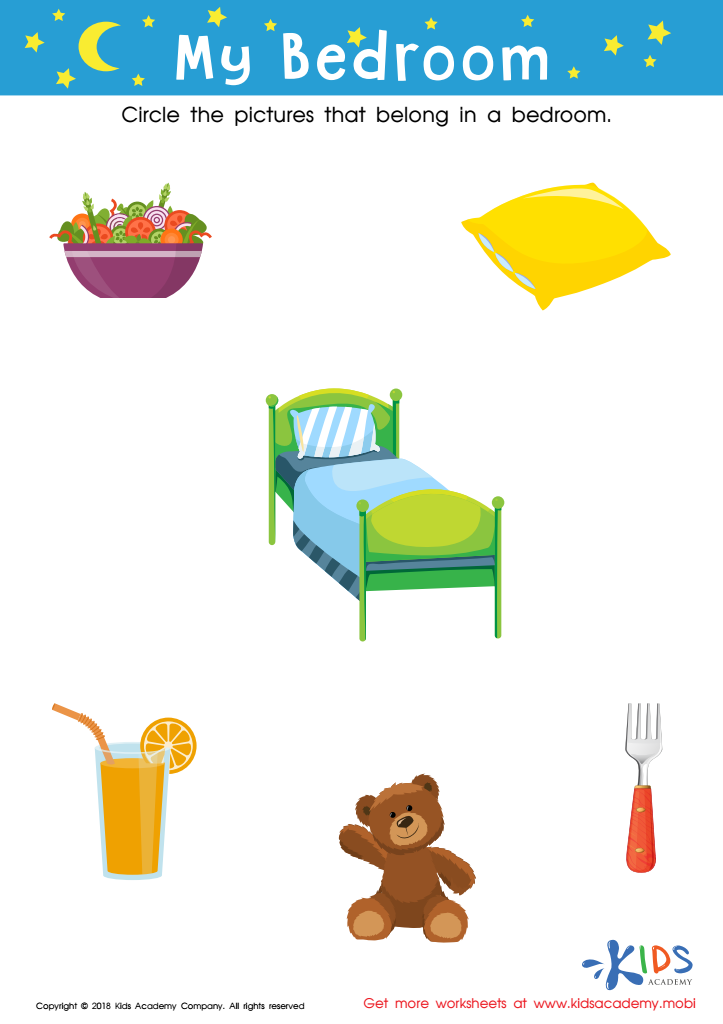
My Bedroom Worksheet
Your child's room is their special space, where only a few are allowed in. You may have let them choose some special decorations, like wall stickers and toys. This exercise will be easy for your child, as they know their bedroom well. Ask them to circle the pictures that belong in a bedroom.
My Bedroom Worksheet
Worksheet
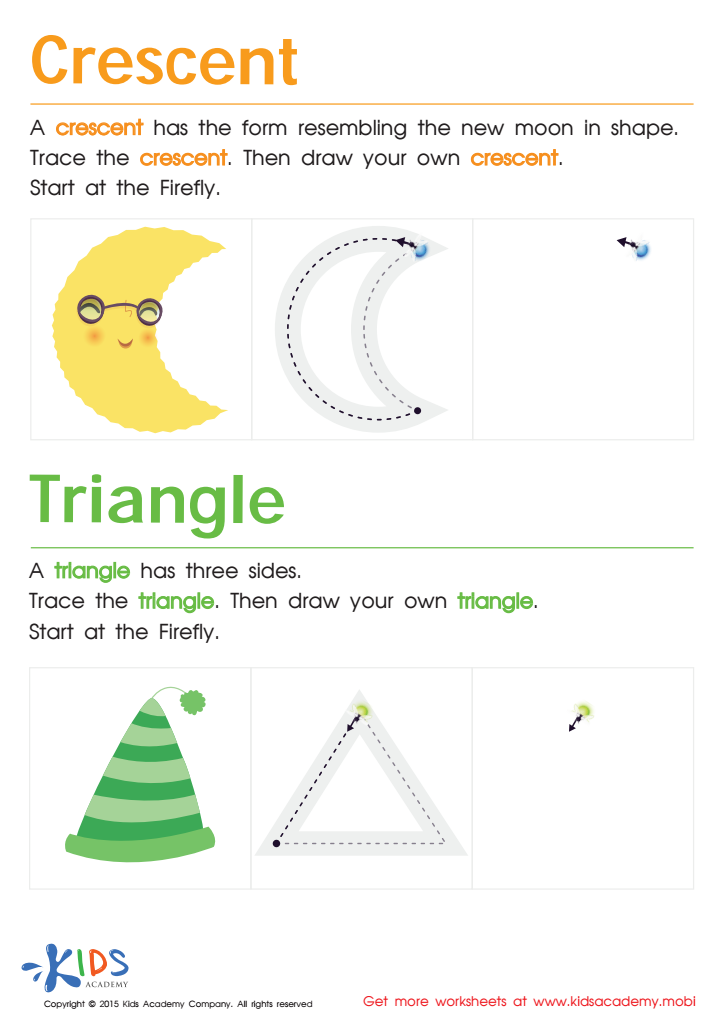
Learning to Draw Crescents And Triangles Worksheet
Help your kids draw a crescent and triangle with this free printable worksheet! Start by tracing a crescent in the form of the new moon, and then teach them that a triangle has three sides and looks like a hat. Find more geometry practice worksheets at Kids Academy!
Learning to Draw Crescents And Triangles Worksheet
Worksheet
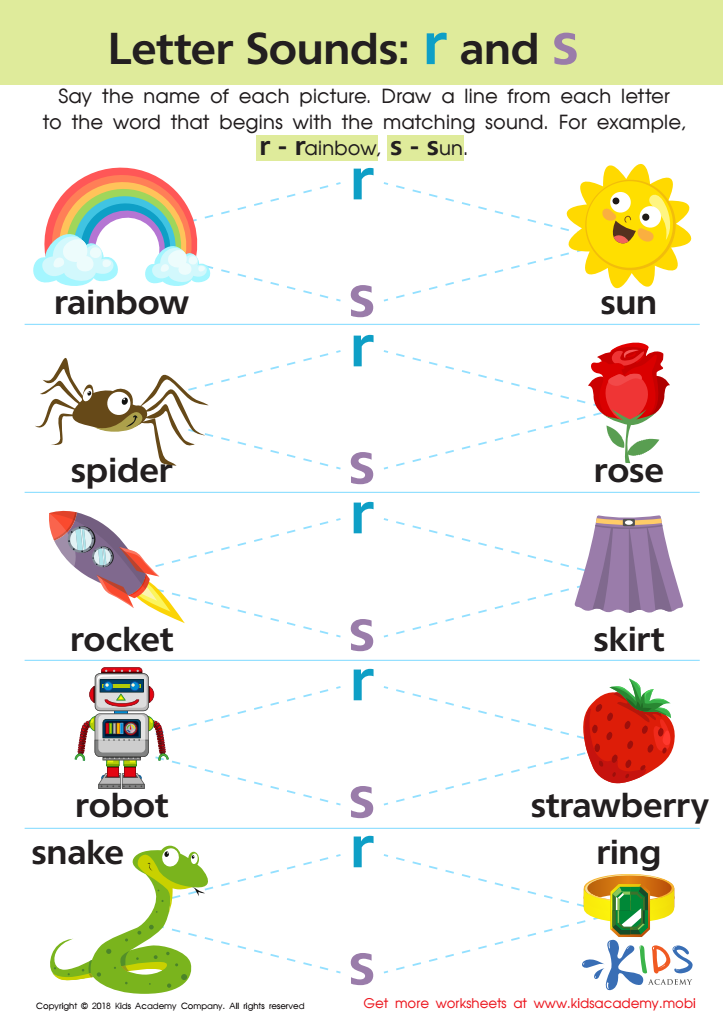
Letter R and S Sounds Worksheet
Kids Academy's phonics worksheet is full of fun and color! Help your child name the pictures and read the words under each one. Does it begin with an R or S? Then, use a pencil to trace the dotted line from the letter to its image. It's a great way to practice phonics skills!
Letter R and S Sounds Worksheet
Worksheet
Join Kids Academy for Free
Who is primarily going to use this learning content?






.jpg)
Visual perception is a crucial skill for preschoolers as it forms the foundation for their learning and development. This skill involves the ability to interpret and make sense of visual information, which plays a key role in various educational activities, including reading, writing, and mathematics. Parents and teachers should prioritize improving visual perception in young children because it enhances their overall cognitive abilities.
When preschoolers have strong visual perception skills, they are better equipped to recognize letters, shapes, and patterns, leading to improved literacy and numeracy skills. Additionally, these skills also aid in fine motor development as children engage in activities such as drawing, cutting, and puzzle-solving, which require visual discrimination.
Moreover, fostering visual perception can boost a child's confidence and independence as they navigate their learning environment. Engaging in games and activities designed to enhance these skills not only makes learning fun, but also helps to identify any potential learning challenges early on.
By investing in visual perception improvement, parents and teachers lay a stronger academic foundation for children, setting them up for success as they progress into more complex learning stages. Ultimately, supporting these skills is essential for holistic development and fostering a love of learning in early childhood.