Basic Math Skills Normal Preschool Math Worksheets
11 filtered results
Difficulty Level
Grade
Age
-
From - To
Subject
Activity
Standards
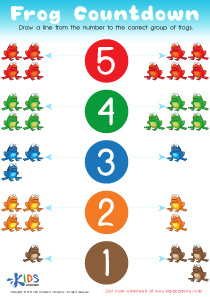
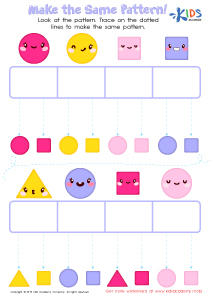
Explore our collection of Basic Math Skills Normal Preschool Math Worksheets, designed to make learning fun and engaging for young learners. These worksheets focus on essential mathematical concepts, such as number recognition, counting, addition, and subtraction, tailored for preschoolers. Each worksheet incorporates colorful graphics and interactive activities that stimulate curiosity and encourage hands-on learning. By using our worksheets, children develop foundational math skills while fostering their critical thinking and problem-solving abilities. Ideal for both classroom use and home practice, our printable worksheets provide a versatile resource for parents and educators aiming to support early math education in a playful and effective manner.
Favorites
With answer key
Interactive
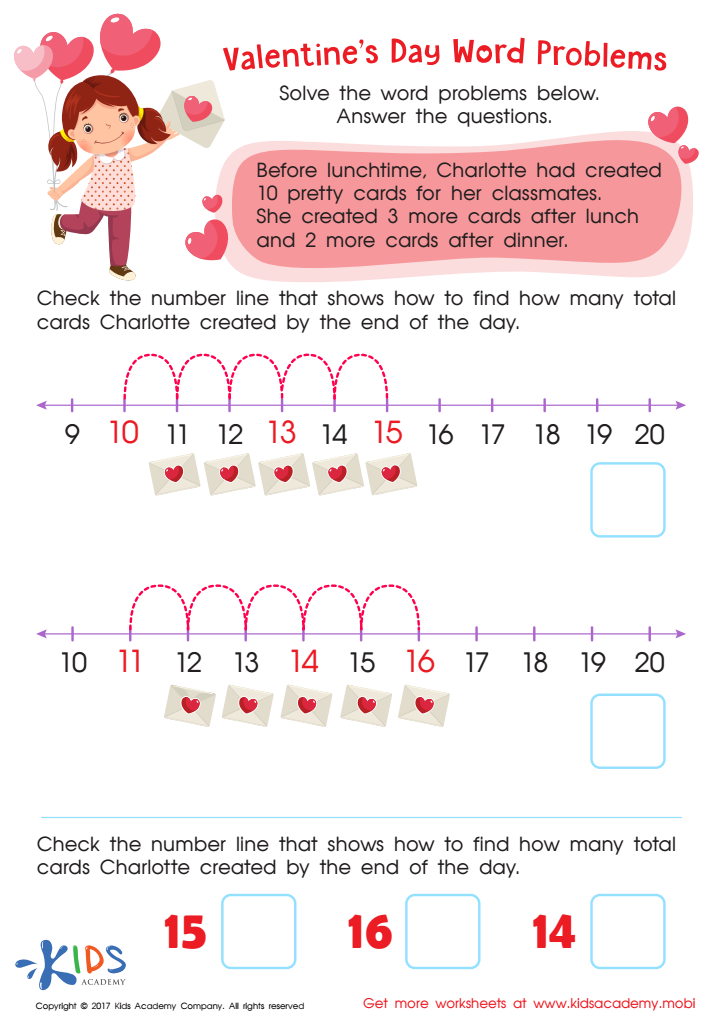
Valentines Day Word Problem Worksheet
This Valentine's Day worksheet will help your child practice using a number line to solve an addition problem. It's a great way to boost confidence and make solving word problems a breeze.
 Assign to My Students
Valentines Day Word Problem Worksheet
Worksheet
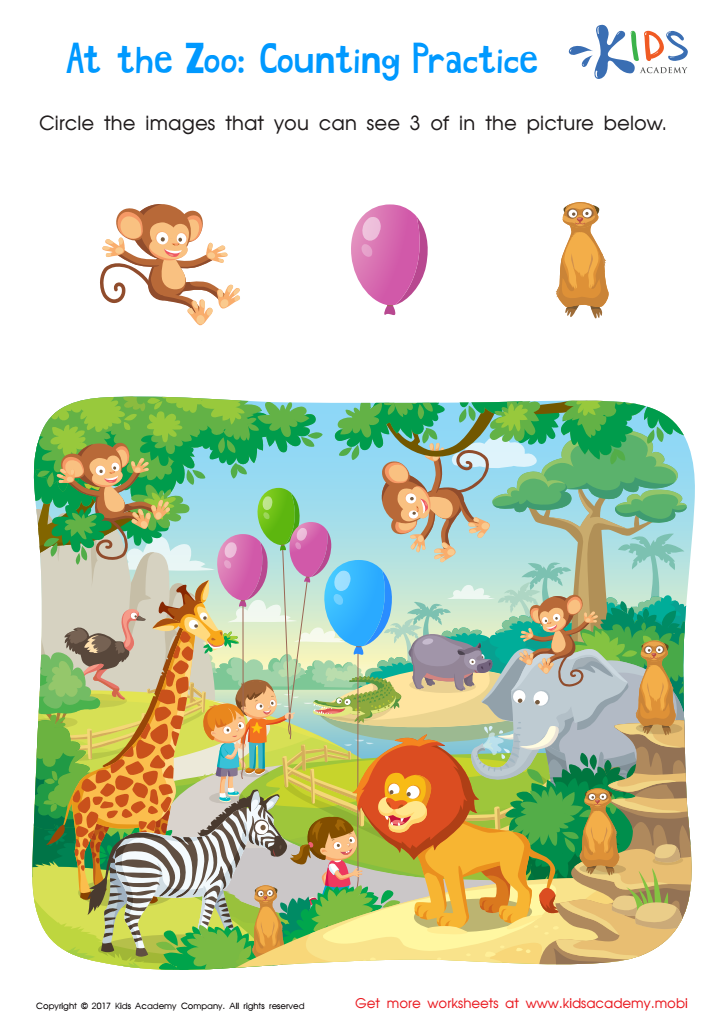
At the Zoo: Counting Practice Worksheet
This zoo-themed worksheet is perfect for practicing early counting skills and following directions. Your child will rule out incorrect answers and use problem solving to find images with duplicates. Fun and educational, this worksheet will get your preschooler ready for early math!
At the Zoo: Counting Practice Worksheet
Worksheet
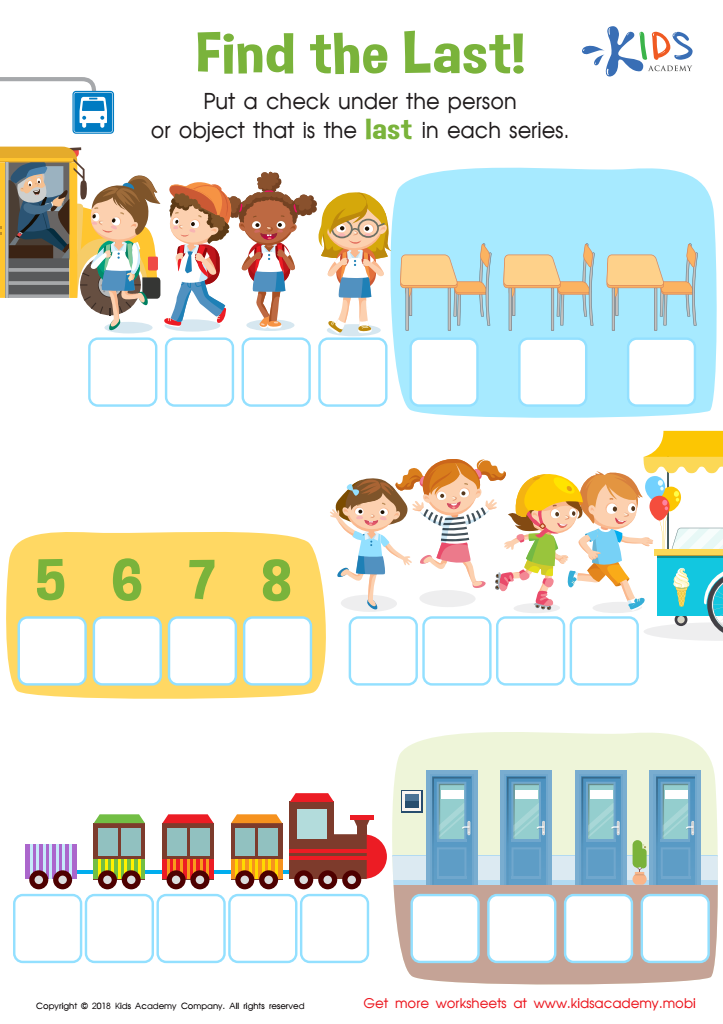
Find the Last! Worksheet
Teach young students about sequence words with this free worksheet. Have them look at sets of people or objects and choose the one that is last. Engage them further by having them describe or act out their day, and what happens last? Enjoy this printout and have fun!
Find the Last! Worksheet
Worksheet
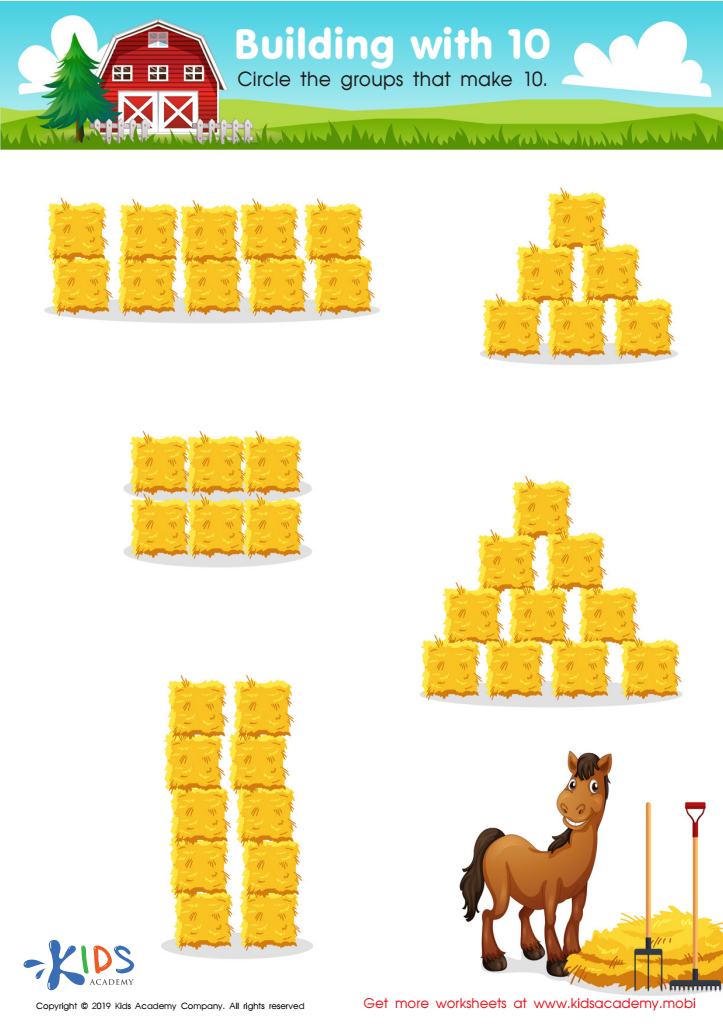
Building with 10 Worksheet
Counting numbers can be simple with this worksheet: Ask your kids to count the stacks of objects, ensure accuracy with your help, then circle the ones of ten. With practice and guidance, your children will soon become counting pros!
Building with 10 Worksheet
Worksheet
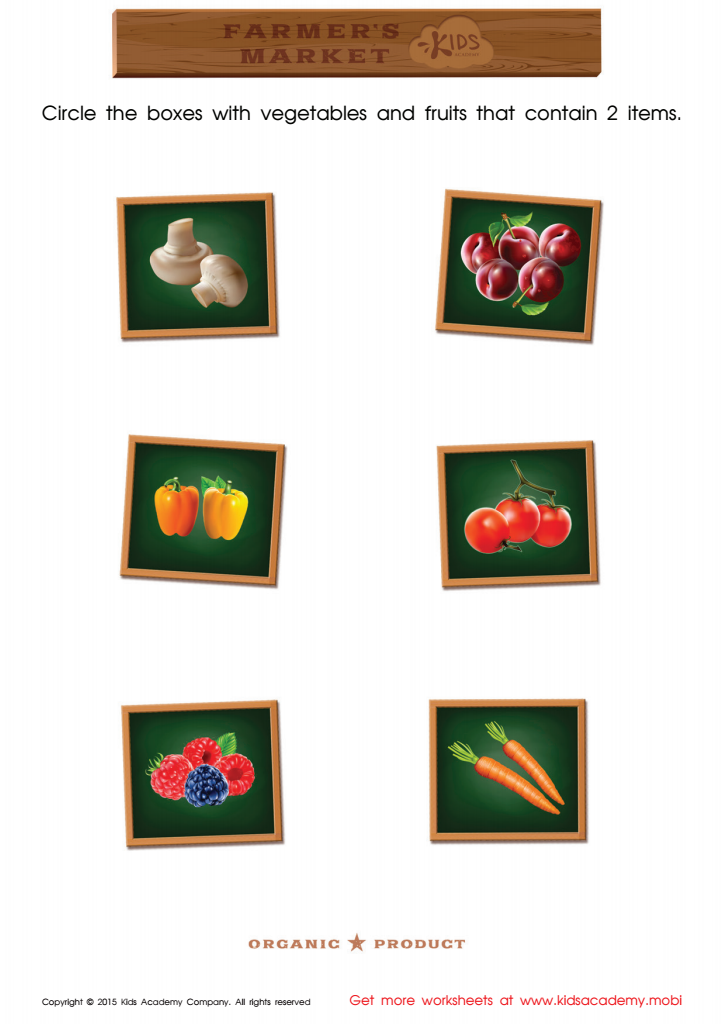
Count and Match Vegetables and Points Math Worksheet
Make your kids excited about math with this free printable kindergarten worksheet! Kids will count up to seven and match boxes with the same number of vegetables. Visualizing the task with this worksheet layout will entertain them while they practice math. Download additional worksheets by topic on Kids Academy.
Count and Match Vegetables and Points Math Worksheet
Worksheet
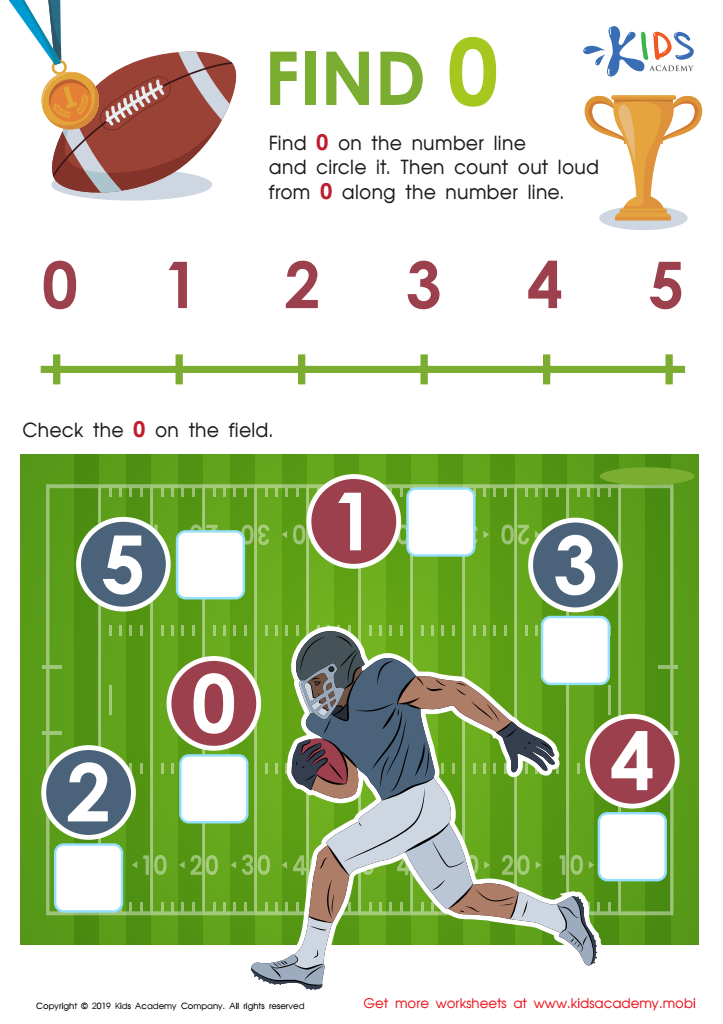
Find 0 Worksheet
Help make number learning easier with this worksheet! Ask your students to find and circle 0 on the number line, then count aloud from 0 to the last number. It might not be their favorite subject, but it's unavoidable - and with this worksheet, they'll be counting like pros!
Find 0 Worksheet
Worksheet
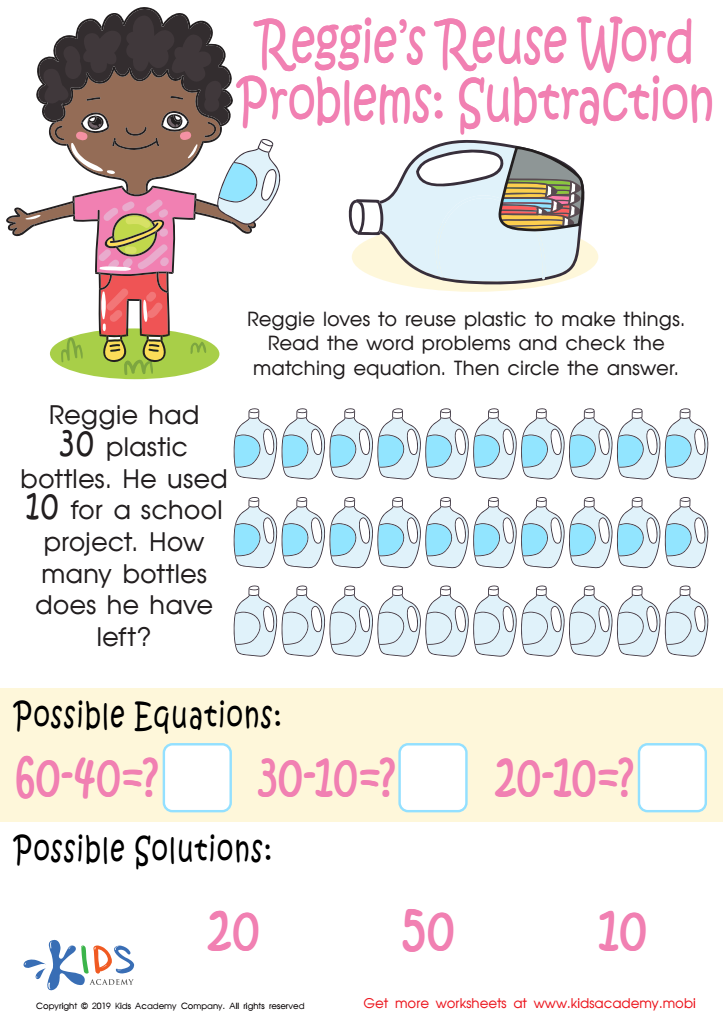
Reggie's Reuse Word Problems: Subtraction Worksheet
Kids can help pal Reggie become an eco-friendly friend! This PDF teaches kids subtraction and one-to-one number representation. They'll use pictures to solve word problems and find out how many plastic bottles Reggie can reuse. They'll also match number equations and solutions to get the right answer.
Reggie's Reuse Word Problems: Subtraction Worksheet
Worksheet
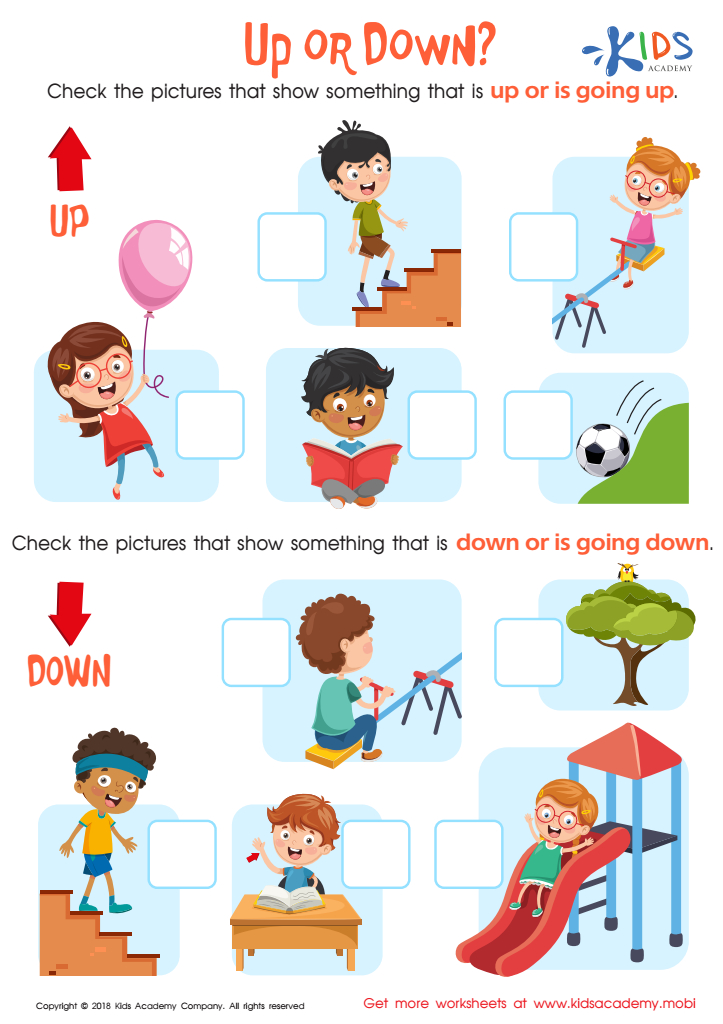
Up or Down Worksheet
Teach your toddlers the concepts of up and down with Kids Academy's vivid worksheet! Use the seesaw analogy to reinforce this language with them and build a strong foundation for future learning. Show them how a balloon can float up but must come back down too.
Up or Down Worksheet
Worksheet
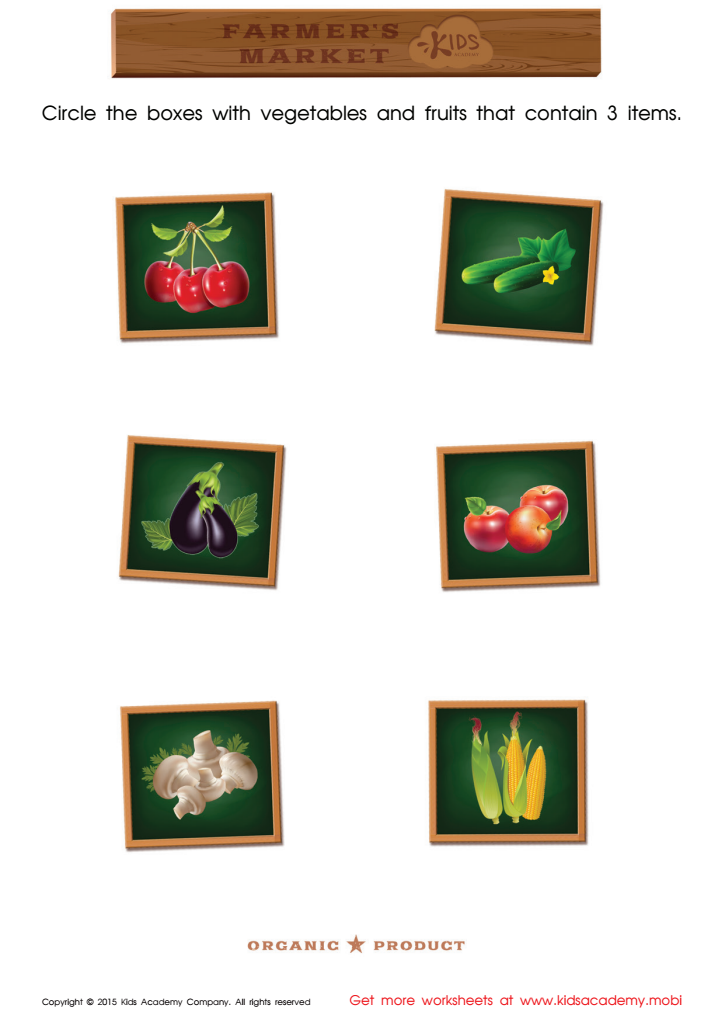
Count and Match Vegetables 1 – 5 Math Worksheet
Get your kindergartener to match the same number of vegetables with the boxes using this fantastic math worksheet. Using the Singapore approach, this printable worksheet makes math problems easy and fun for kids. Want more free worksheets? Click here for Kids Academy's selection!
Count and Match Vegetables 1 – 5 Math Worksheet
Worksheet
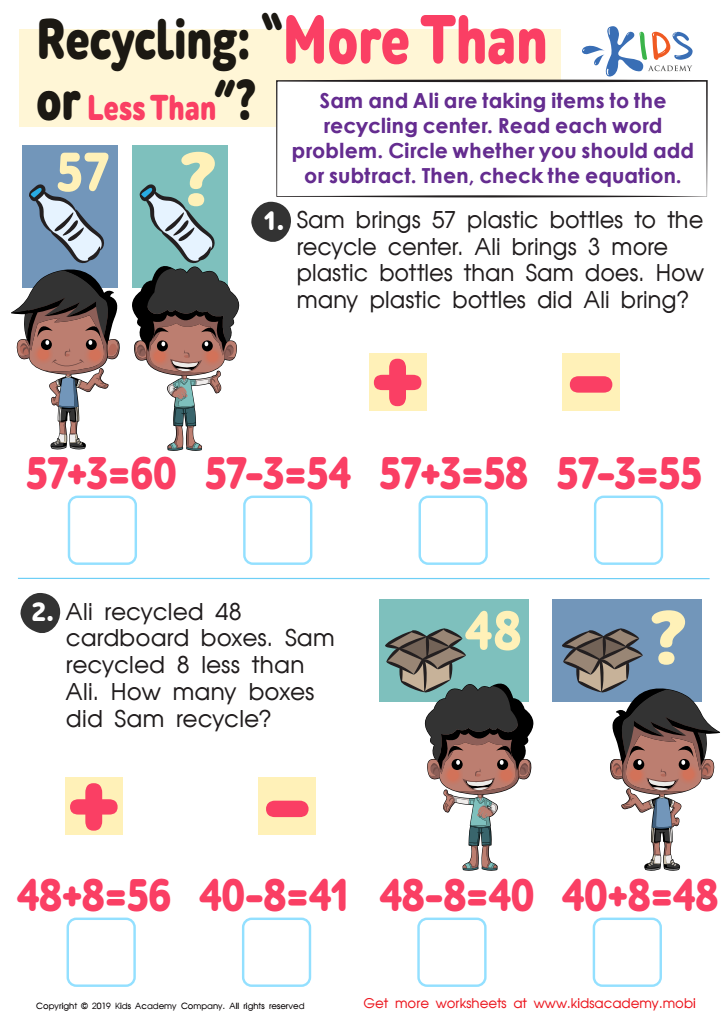
Recycling - More or Less Worksheet
Your child can compare numbers and solve word problems with this free worksheet. Help them understand what's being asked as Sam and Ali take items to the recycling center. They can choose the correct equation to match the word problem and apply their skills in reading and pulling out the appropriate information.
Recycling - More or Less Worksheet
Worksheet
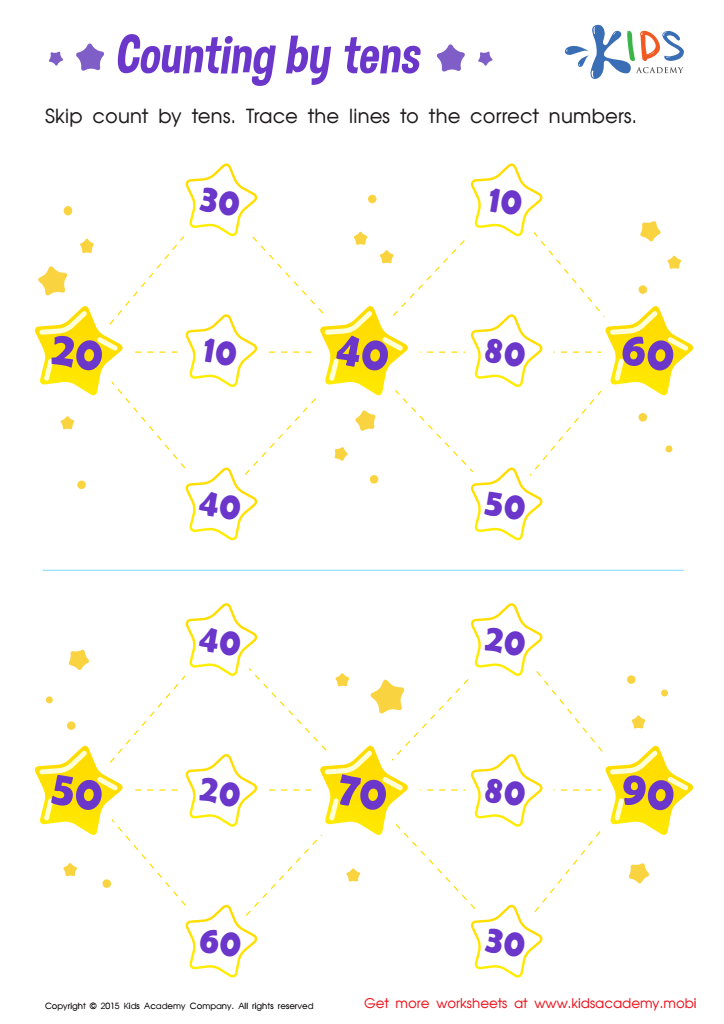
Learn Dozens: Counting by Tens Printable
Kindergartners need to learn skip counting - counting in number groups - to increase number sense and be ready for more advanced math. Our kindergarten worksheet featuring a starry trip to outer space will help your child practice this valuable skill. Your child will choose correct answers to trace the lines to the stars, building fluency in skip counting. They'll also strengthen problem solving and see the pattern it creates. Get your little learner to the next level with this skip counting worksheet!
Learn Dozens: Counting by Tens Printable
Worksheet
Join Kids Academy for Free
Who is primarily going to use this learning content?








Basic math skills play a crucial role in preschool development, serving as the foundation for future academic success and daily life competency. These fundamental skills, such as counting, recognizing shapes, and understanding simple concepts like more or less, provide children with the tools to solve problems and decipher the world around them.
Teachers and parents should care about fostering these skills because early math experience enhances cognitive development, critical thinking, and creative problem-solving abilities. Research indicates that children who engage in early math activities are more likely to excel in later math learning experiences, leading to improved performance in school overall.
Moreover, basic math skills help boost a child’s confidence and motivation towards learning. As they recognize patterns and develop reasoning skills, they are empowered to engage more fully with other subjects, such as science and reading, which often require mathematical understanding.
Overall, nurturing preschool math skills prepares children for academic challenges, develops essential life skills, and fosters a growth mindset. By prioritizing basic math education, parents and teachers can work collaboratively to build a solid foundation for their child's future instead of waiting for the formal curriculum when kids will be ill-prepared.