Fine Motor Skills Normal Preschool Matching Worksheets
3 filtered results
-
From - To
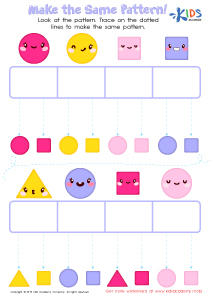
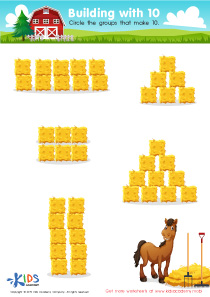
Enhance your preschoolers' fine motor skills with our engaging matching worksheets designed specifically for young learners. These worksheets provide an exciting way for children to practice essential skills such as hand-eye coordination, gripping, and visual perception. Each worksheet features colorful illustrations and fun themes that capture children's interest, making learning enjoyable. As they match various elements, kids develop the dexterity necessary for writing, cutting, and other critical tasks. Perfect for both classroom and at-home learning, our fine motor skills matching worksheets encourage active participation and focus in early childhood education. Download and watch your little ones grow their fine motor abilities today!
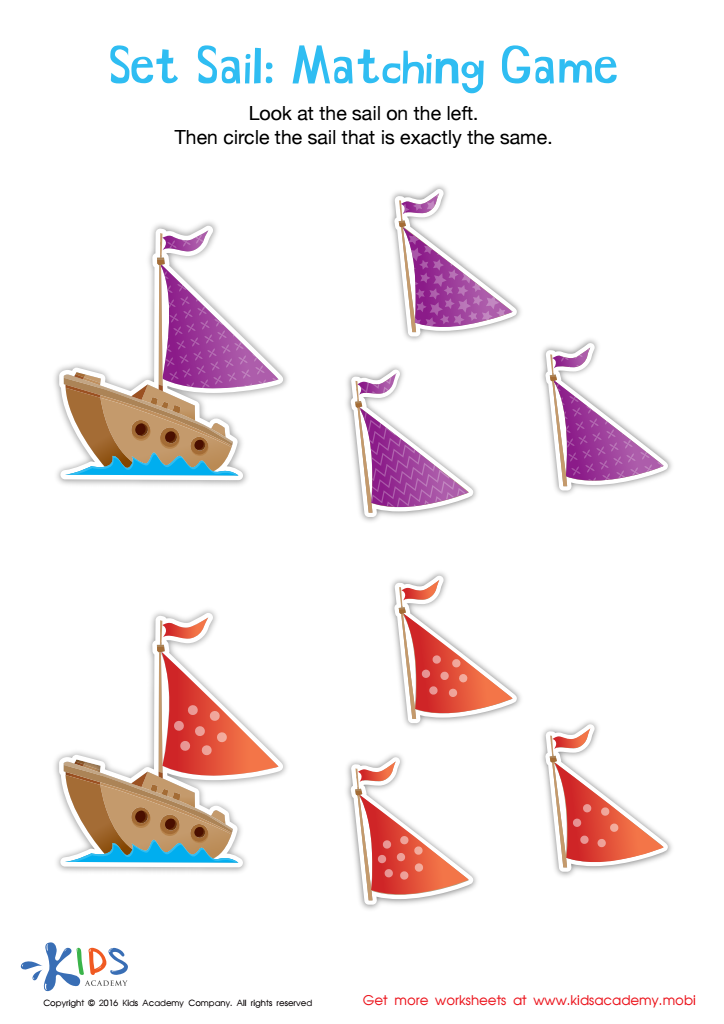
Set Sail Worksheet
 Assign to My Students
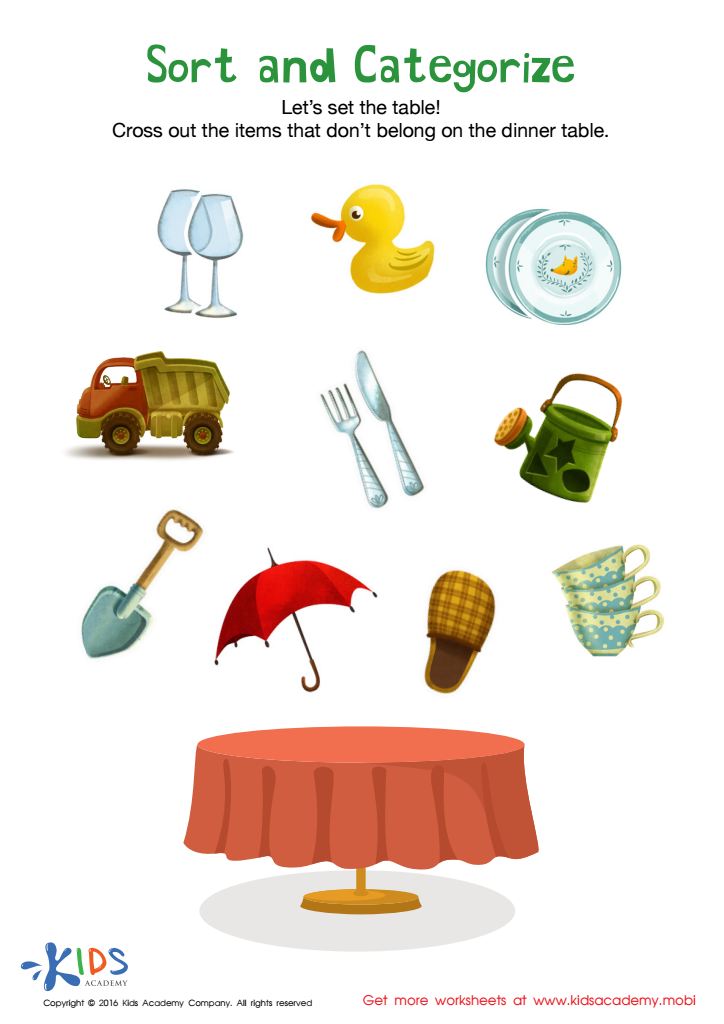
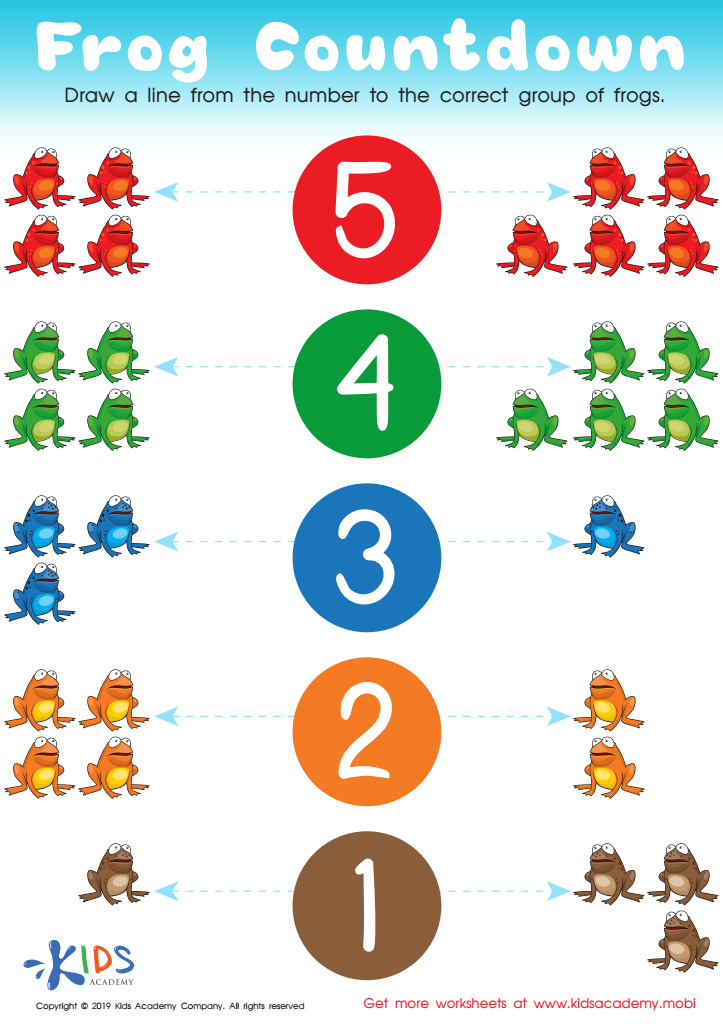
Frog Countdown Worksheet








Fine motor skills are crucial for children's overall development, particularly in preschool-aged children. These skills involve the coordination of small muscles, particularly those in the hands and fingers, allowing children to engage in tasks like grasping, pinching, and manipulating objects. By focusing on activities that promote fine motor skills, such as preschool matching games, both parents and teachers play an essential role in preparing children for future academic success.
Normal preschool matching activities, which may include connecting cards, pairing objects, or sorting, foster fine motor development while also enhancing cognitive skills like memory and problem-solving. These activities not only stimulate hand-eye coordination, but they also provide a fun, interactive way to learn about shapes, colors, and concepts.
Supporting the development of fine motor skills helps children gain confidence in their abilities and supports them in various classroom tasks such as writing and drawing. By prioritizing these skills, parents and teachers set a strong foundation for future learning, promoting autonomy and a sense of achievement. Ultimately, focusing on fine motor skills in preschool can make a significant impact on a child's readiness for school and lifelong learning.