Visual discrimination Normal Preschool Matching Worksheets
3 filtered results
Difficulty Level
Grade
Age
-
From - To
Subject
Activity
Standards
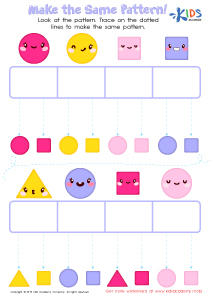
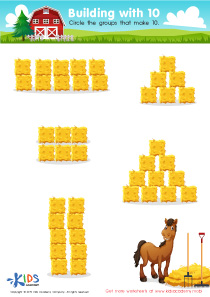
Enhance your preschooler's learning with our "Visual Discrimination Normal Preschool Matching Worksheets." Designed to develop essential visual recognition skills, these worksheets provide engaging matching activities that aid children in identifying similarities and differences. Perfect for early learners, each worksheet features colorful illustrations and age-appropriate challenges that promote focus and observation skills. Catering to various skill levels, our resources encourage exploration and learning through play. These worksheets can be easily printed and utilized in a home or classroom setting, making them an ideal tool for supporting visual discrimination development. Empower your child's educational journey with fun and interactive matching exercises today!
Favorites
With answer key
Interactive
 Assign to My Students
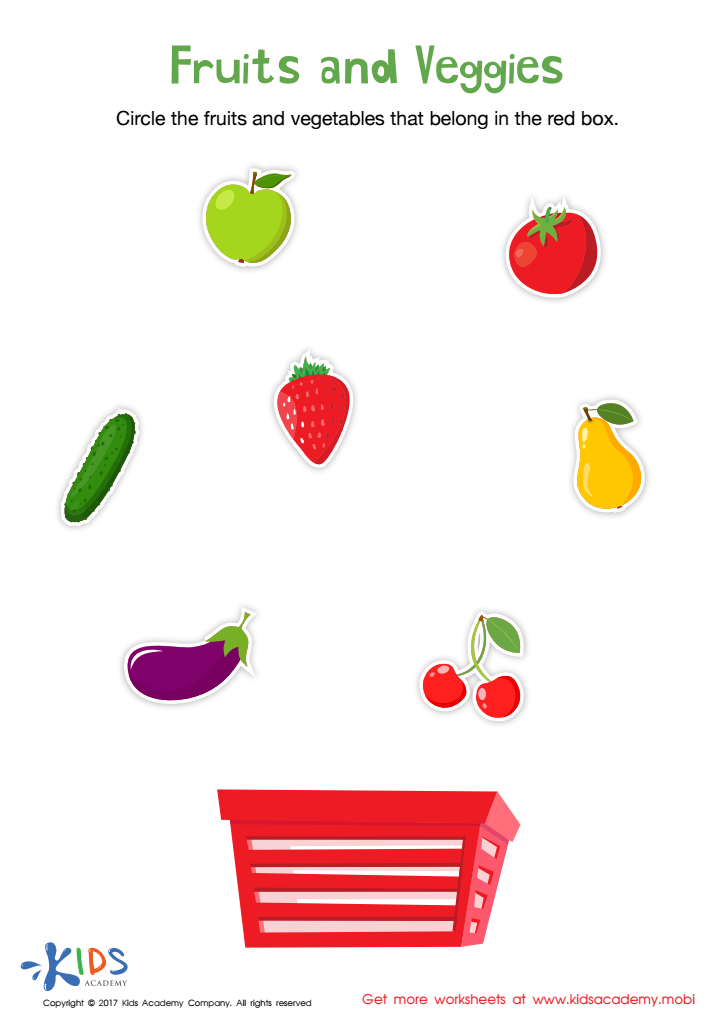
Classifying Fruits and Veggies by Color Sorting Worksheet
Worksheet
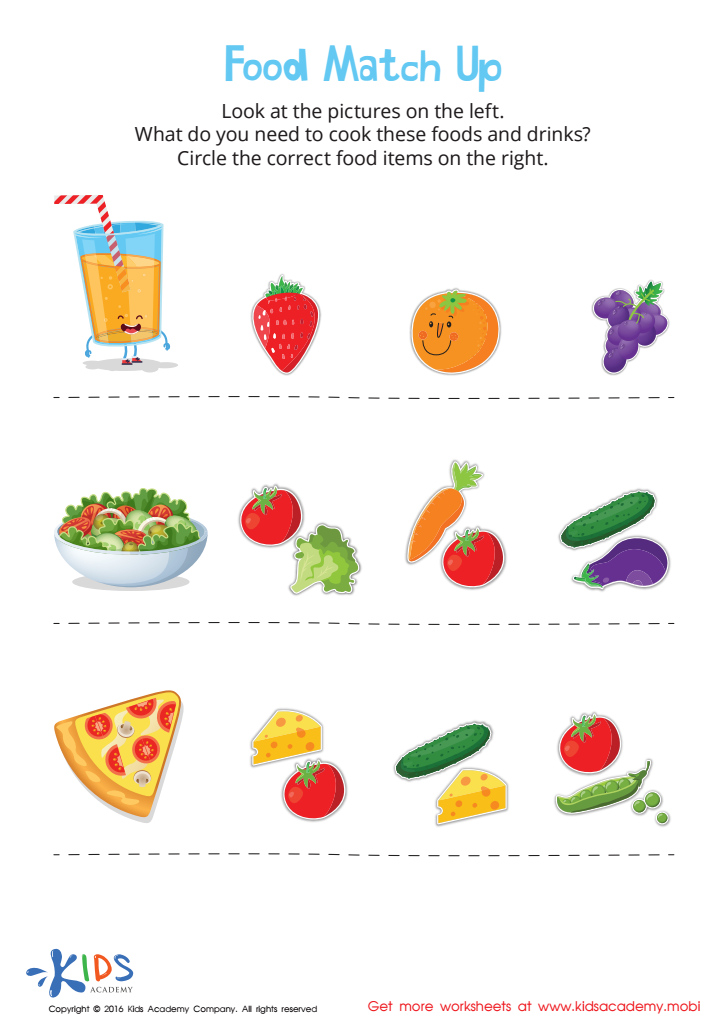
Food Match Up Worksheet
This worksheet will help your preschooler develop early math and cognitive skills. It challenges them to pay attention to details, understand how smaller parts make a whole, and increase important matching skills. Use it to give them a hands-on learning experience in the kitchen, and watch them understand how ingredients come together to make something delicious!
Food Match Up Worksheet
Worksheet
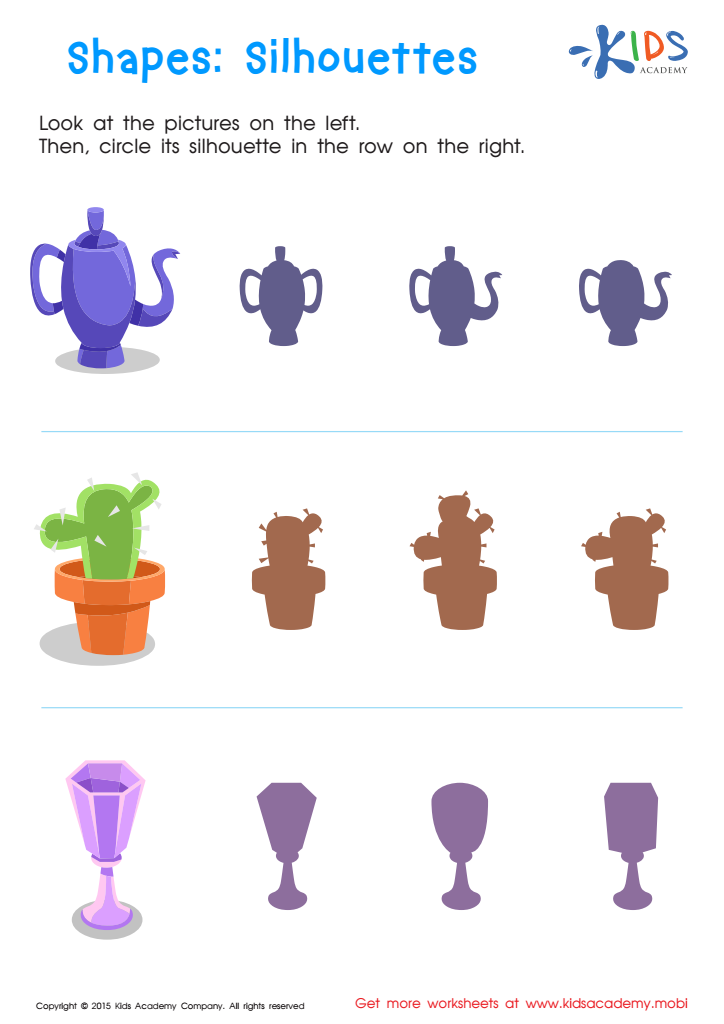
Silhouettes – Shapes Worksheet
Kids can have fun while learning to compare sizes with this silhouettes shapes worksheet! Matching pictures to silhouettes helps them build early math skills, while enjoying the activity!
Silhouettes – Shapes Worksheet
Worksheet
Join Kids Academy for Free
Who is primarily going to use this learning content?








Visual discrimination is a crucial skill for preschoolers, as it lays the foundation for various learning abilities. It involves recognizing differences and similarities in visual details, such as shapes, colors, sizes, and orientations. Having strong visual discrimination skills enables children to identify patterns, categorize objects, and make connections between different types of information, which are essential for problem-solving and critical thinking.
Parents and teachers should care about visual discrimination because it directly impacts a child’s early literacy and numeracy skills. For example, distinguishing between the letters “b” and “d” or recognizing differences in shapes can significantly influence a child’s ability to read and complete basic math tasks. When children engage in matching activities, they practice these skills in a fun and interactive way, fostering their cognitive development.
Moreover, developing visual discrimination helps enhance a child’s focus, attention to detail, and ability to follow instructions—all vital traits for academic success. By nurturing visual discrimination through matching games and activities, parents and teachers can provide children with essential tools that will benefit them throughout their educational journey and beyond, ultimately fostering a love for learning and boosting their confidence.