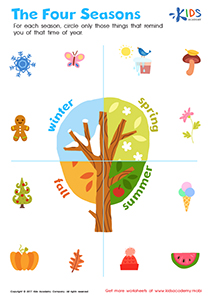
Vocabulary Building Normal Preschool Science Worksheets
4 filtered results
Difficulty Level
Grade
Age
-
From - To
Subject
Activity
Standards
Enhance preschoolers' language skills with our Vocabulary Building Normal Preschool Science Worksheets. Specially crafted to introduce young learners to essential scientific terms, these worksheets combine playful illustrations and straightforward activities to spark curiosity and encourage language development. Each worksheet reinforces key vocabulary, promotes critical thinking, and supports foundational learning across various scientific disciplines. Ideal for classroom or home use, these resources help children grasp new concepts and articulate their discoveries with confidence. Make early science education engaging and fun with our expertly designed vocabulary worksheets, fostering a love for learning from an early age.
Favorites
With answer key
Interactive
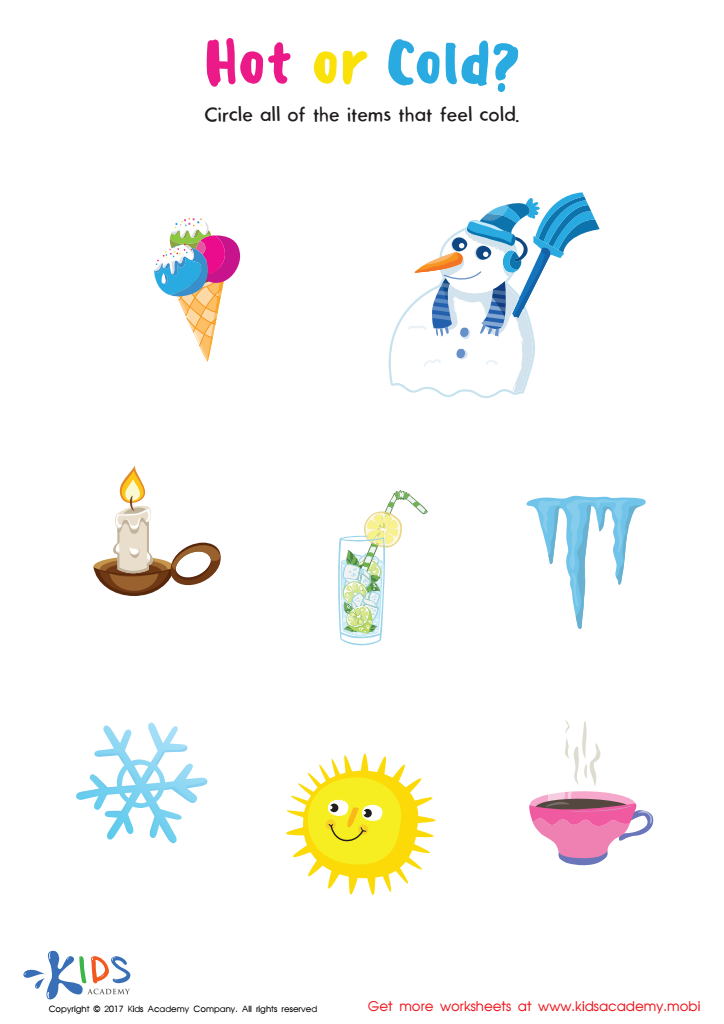
Hot or Cold Printable
Help your child stay safe with this hot or cold worksheet! It promotes problem solving skills and teaches the important concept of temperature differences. Plus, it’s fun! Get your child to learn by playing.
 Assign to My Students
Hot or Cold Printable
Worksheet
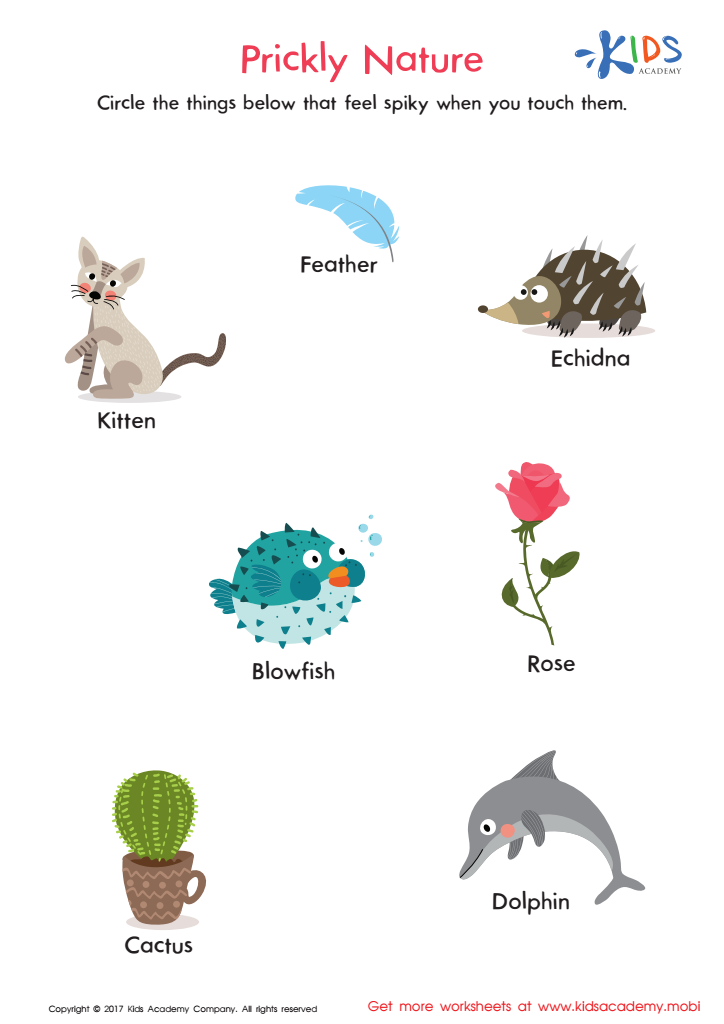
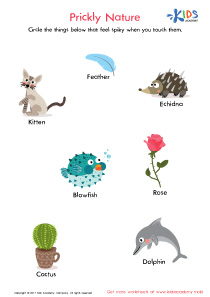
Prickly Nature Worksheet
Help your child stay safe and enhance critical thinking skills with this prickly nature worksheet. It can help them recognize spiky objects in their environment by teaching them to differentiate between prickly and soft textures. Plus, your kid will learn how to admire and avoid them. Get started today!
Prickly Nature Worksheet
Worksheet
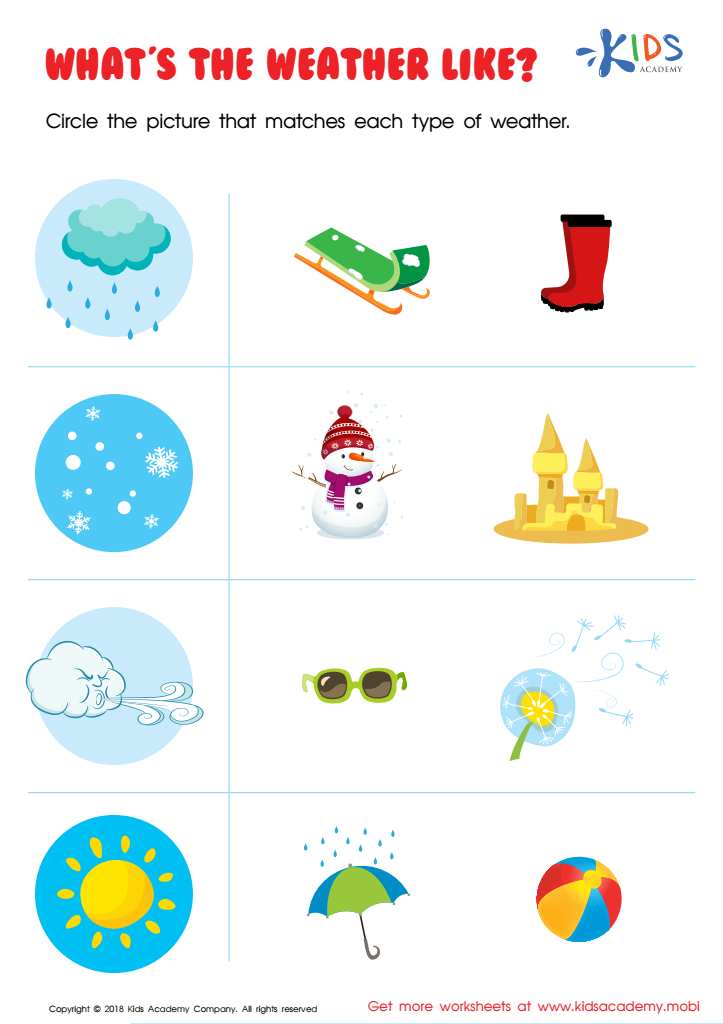
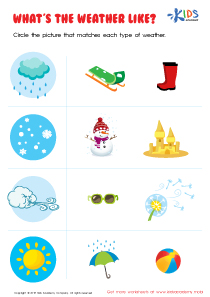
What's the Weather Like? Worksheet
Help budding meteorologists practice matching weather to seasons with this PDF worksheet. Picture clues help identify seasons and fine motor skills are practiced circling the correct weather patterns. Bright and engaging characters make learning fun and reinforce weather knowledge.
What's the Weather Like? Worksheet
Worksheet
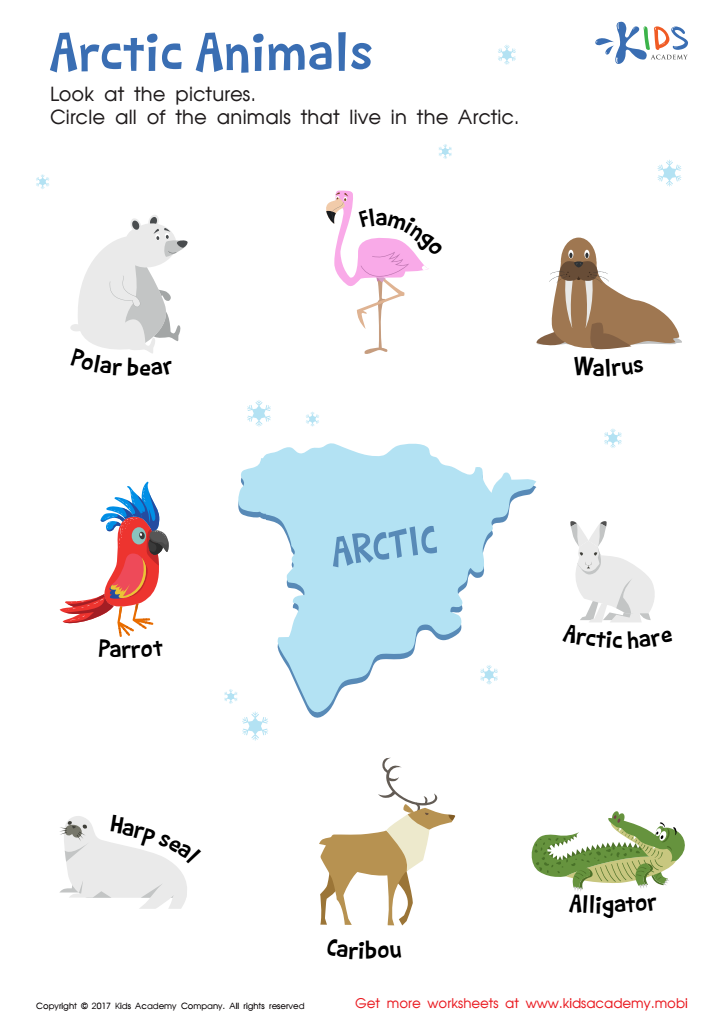
Arctic Animals Worksheet
Kids love animals and this worksheet is a great way to teach them where they live. It reinforces classification skills and introduces new animals, like the Arctic hare. Use it to discuss the Arctic climate and how these animals live, then ask your child where other animals live to keep the conversation going.
Arctic Animals Worksheet
Worksheet
Join Kids Academy for Free
Who is primarily going to use this learning content?








Vocabulary building is crucial in early childhood education for several compelling reasons, particularly when intertwined with subjects like preschool science. First, expanding a child's vocabulary equips them with the necessary tools to express their thoughts, feelings, and curiosities effectively. This expression is especially important in a science context, where children are encouraged to observe, hypothesize, and describe phenomena. When children learn scientific terms like "magnet," "growth," or "water cycle," they are better able to conceptualize and communicate their observations and ideas.
Second, a robust vocabulary is closely tied to academic success. Children with strong vocabulary skills tend to excel in reading comprehension, which is foundational for learning in all subjects, including science. Through interactive discussions, simple experiments, and explorative play, children gain new words in context, making them more likely to remember and apply these terms correctly.
Moreover, vocabulary building in preschool science encourages critical thinking and cognitive development. Learning science-related terms and concepts pushes children to make connections between words and real-world phenomena, enhancing their overall understanding and intellectual curiosity.
By prioritizing vocabulary development in preschool science, parents and teachers help lay a solid foundation for future learning, critical thinking, and effective communication. These skills are not just academic; they enhance a child's ability to navigate and understand the world around them.