Logical Reasoning Normal Building Vocabulary Worksheets
4 filtered results
-
From - To
Enhance your child's vocabulary and logical reasoning skills with our engaging worksheets! Our "Logical Reasoning Normal Building Vocabulary Worksheets" are designed for early learners, focusing on critical thinking through fun activities and exercises. Each worksheet encourages kids to make connections, draw conclusions, and expand their word knowledge in a playful manner. Perfect for reinforcing classroom learning or for home practice, these resources will captivate young minds while promoting essential language skills. Help your child become a confident communicator and a skilled problem solver—download our worksheets today! Ideal for pre-K and kindergarten students, they are both informative and entertaining.
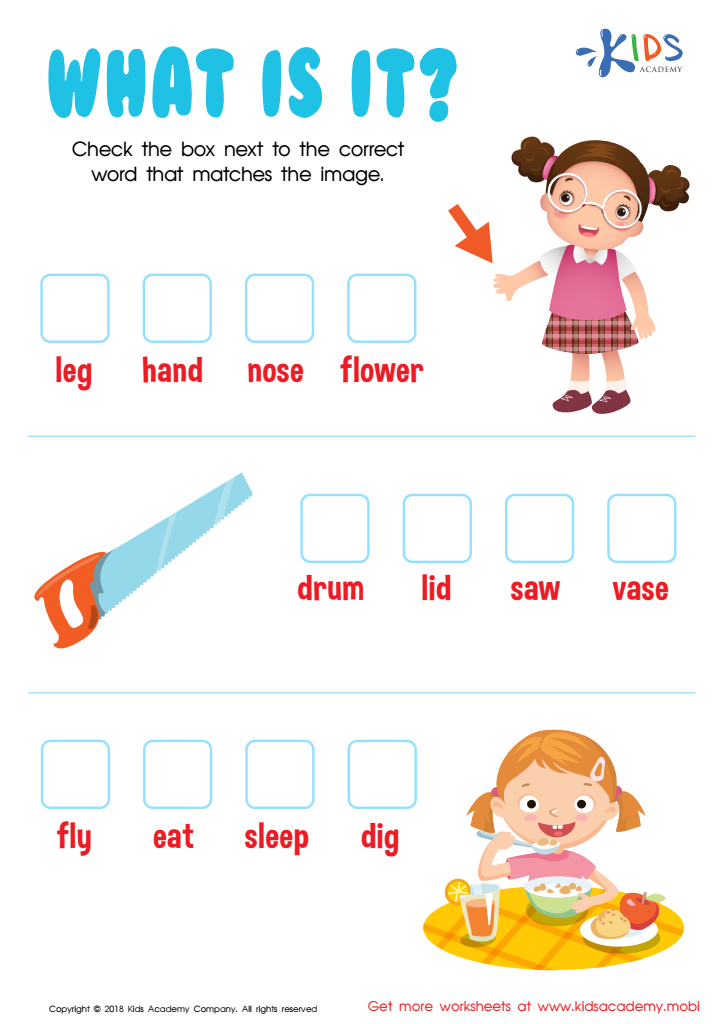
What Is It? Worksheet
 Assign to My Students











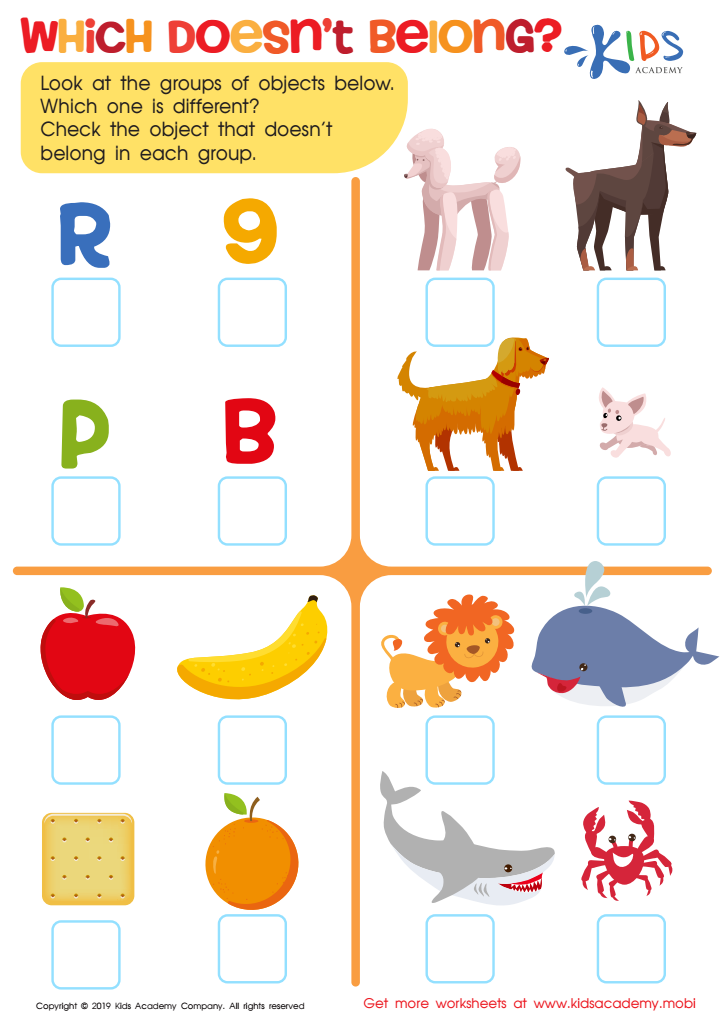
Which Doesn't Belong? Worksheet
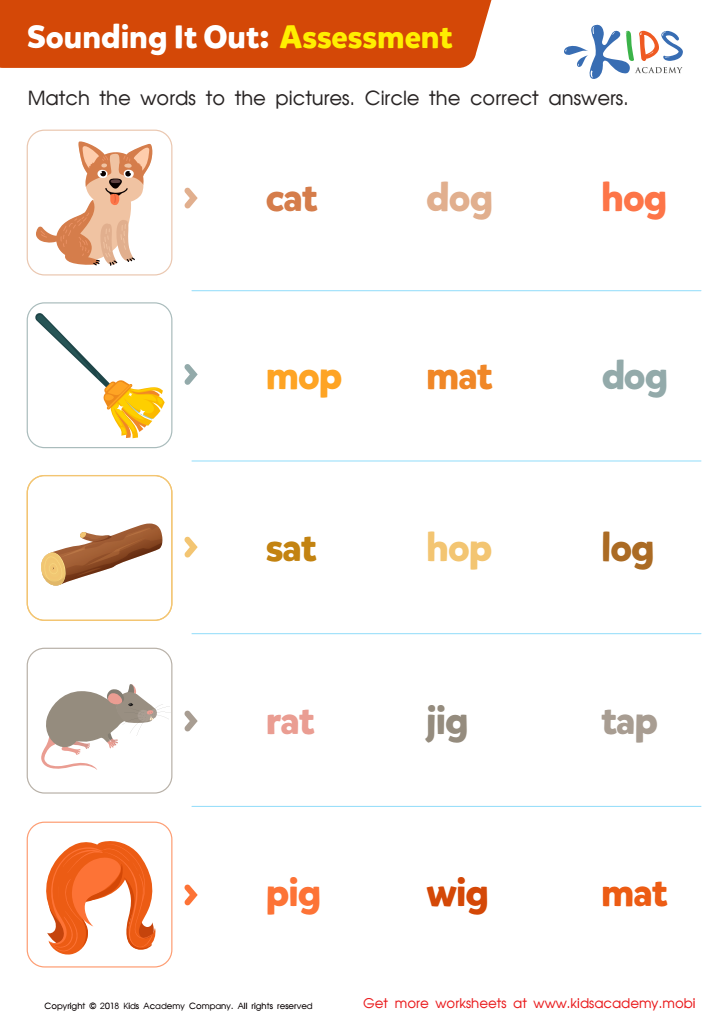
Sounding it Out: Assessment Worksheet
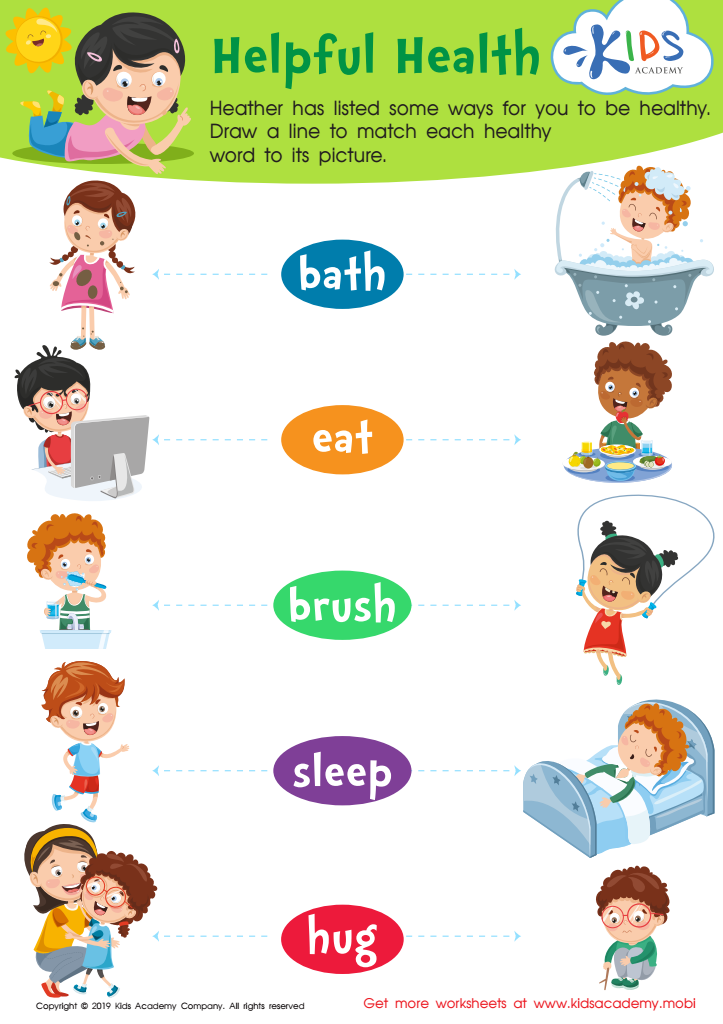
Helpful Health Worksheet







.jpg)
Logical reasoning and vocabulary building are essential for children’s cognitive and linguistic development, making them critical focal points for parents and teachers. Logical reasoning equips children with the skills to analyze situations, make connections, and solve problems effectively. This foundation fosters critical thinking, encouraging students to question and understand their surroundings, rather than passively accept information. As they progress in their education, strong logical reasoning abilities bolster their performance across subjects, particularly in mathematics and science.
Simultaneously, a robust vocabulary enhances a child's ability to express thoughts and comprehend what they read and hear. A rich vocabulary supports better communication skills, which are vital in both academic and social settings. When students can articulate their ideas clearly, it strengthens their confidence and engagement in classroom discussions, promoting a deeper learning experience.
Together, logical reasoning and vocabulary development create a synergistic relationship where children can apply their analytical skills effectively, utilizing a broad lexicon to support their ideas and arguments. By investing time in these areas, parents and teachers will help cultivate well-rounded, literate individuals capable of critical thought, effective communication, and successful interactions in a complex world. Therefore, prioritizing these skills is foundational for lifelong learning and success.








