Story analysis Normal Building Vocabulary Worksheets
3 filtered results
-
From - To
Enhance your child's vocabulary with our Story Analysis Normal Building Vocabulary Worksheets! Designed for early grade students, these engaging resources help children dive deeper into stories while developing essential reading skills. Through interactive activities, students analyze characters, settings, and plots, fostering critical thinking and comprehension. Each worksheet encourages creative expression and reinforces vocabulary usage in context, making learning both fun and impactful. Perfect for classroom use or at-home learning, our worksheets are tailored to meet varying learning styles. Unlock the joy of reading and support your child's literacy journey with these thoughtfully crafted story analysis activities today!
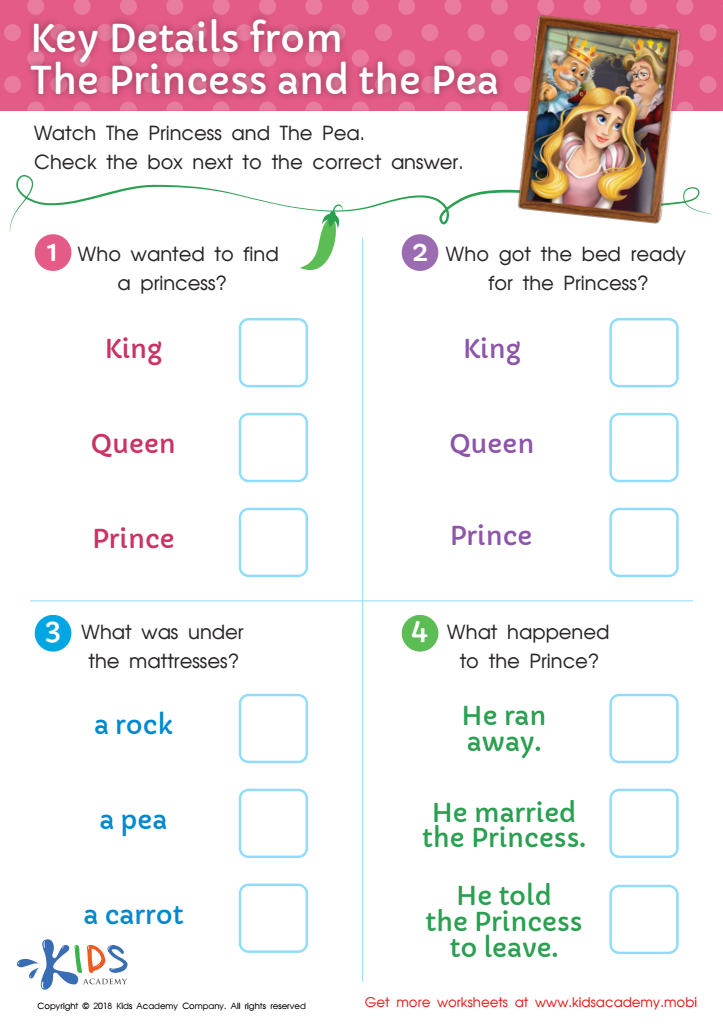
Key Details from the Princess and the Pea Worksheet
 Assign to My Students











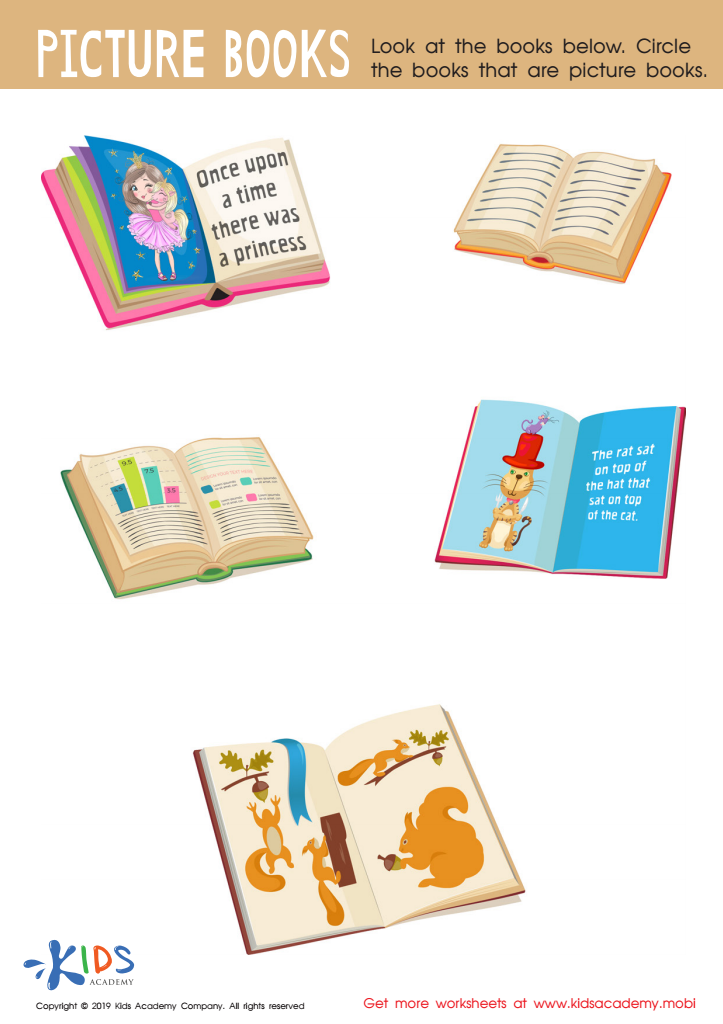
Picture Books Worksheet
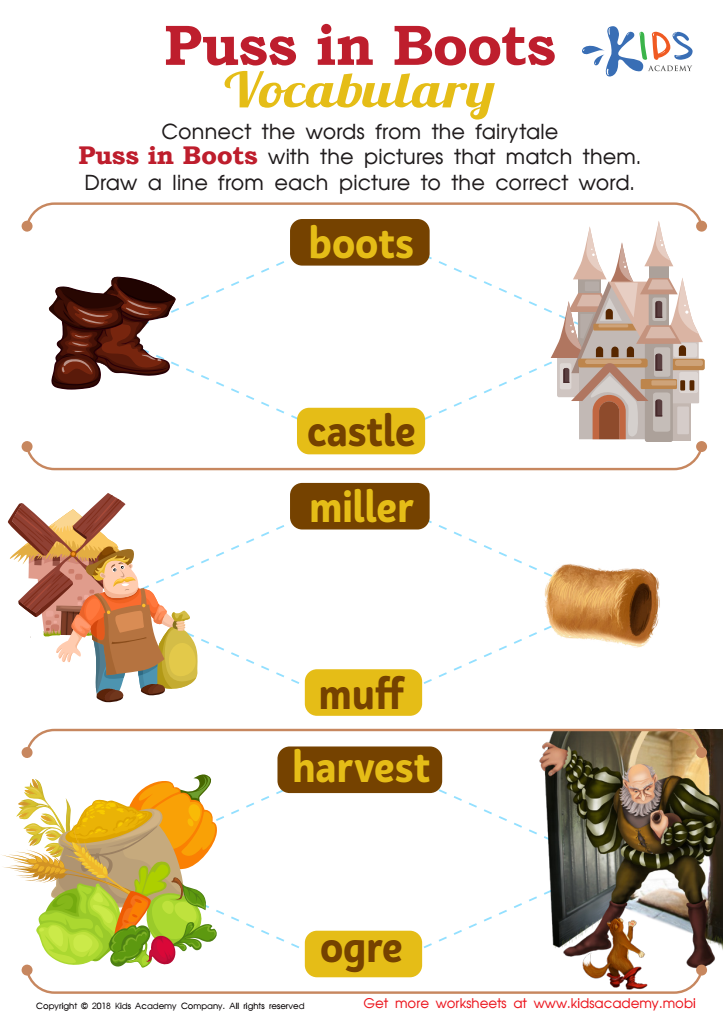
Puss in Boots Vocabulary Worksheet


.jpg)





Parents and teachers should care about story analysis and vocabulary building because these skills are fundamental to children's language development and overall academic success. Engaging in story analysis helps children enhance their critical thinking, comprehension, and analytical abilities. By discussing characters, settings, plots, and themes, children learn to draw connections and make interpretations, which are vital skills for higher-level literacy.
Moreover, normal building vocabulary is essential for communication and expression. A rich vocabulary allows children to articulate their thoughts more clearly and to understand complex ideas in reading and spoken language. When parents and teachers actively promote vocabulary growth through reading diverse stories and discussing unfamiliar words in context, they equip children with the tools necessary for effective communication.
Additionally, exposure to varied vocabulary in stories fosters creativity and imaginative thinking. It encourages children to express themselves in different ways, contributing to their social and emotional development. Overall, prioritizing story analysis and vocabulary building fosters a love for literature, enhances linguistic skills, and sets a strong foundation for lifelong learning, making it a crucial focus for both parents and educators.








