Understanding context Normal Reading Worksheets
6 filtered results
-
From - To
Enhance your child's reading skills with our "Understanding Context Normal Reading Worksheets" designed to help young learners grasp the meaning of unfamiliar words and phrases through contextual clues. Perfect for early grade students, these printable worksheets promote critical thinking and comprehension by encouraging kids to analyze surrounding text. Interactive and engaging, each worksheet presents a variety of passages and questions, fostering a deeper understanding of the material. Ideal for both classroom and at-home learning, these tools are invaluable in developing proficient readers who can confidently interpret context in diverse reading scenarios. Visit Kids Academy for more educational resources!
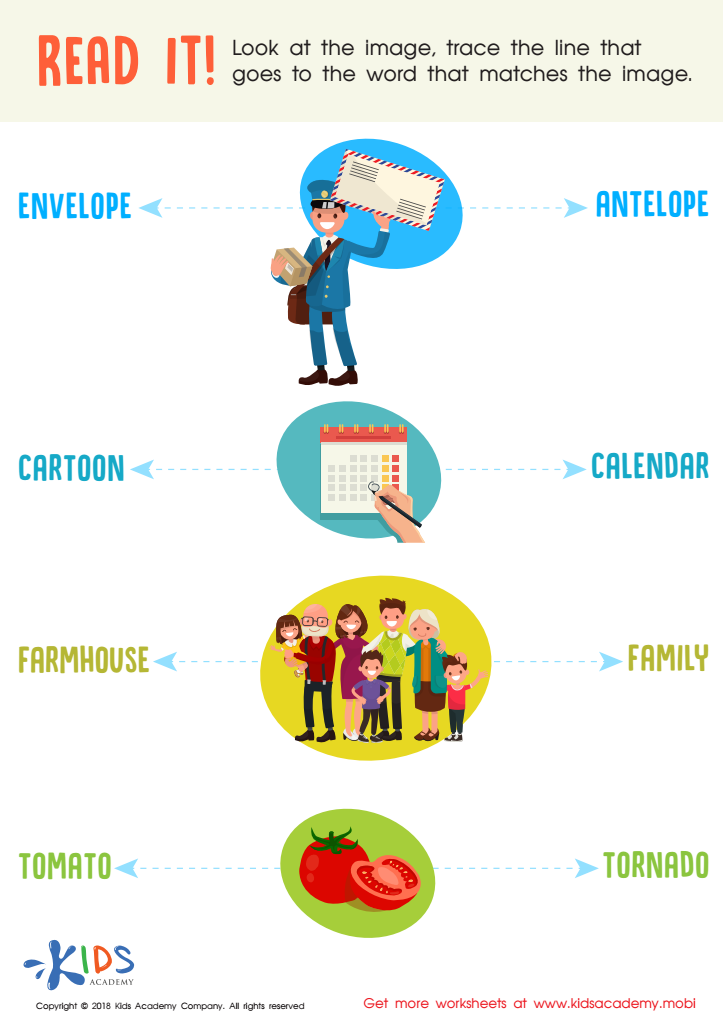
Read It! Worksheet
 Assign to My Students
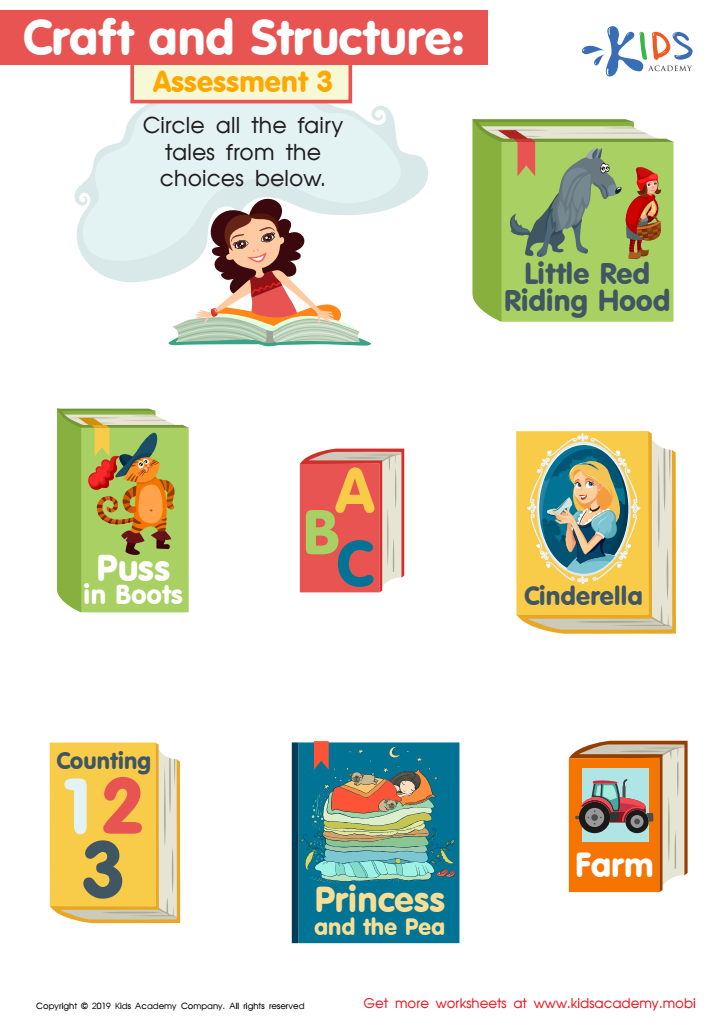
Craft and Structure: Assessment 3 Worksheet
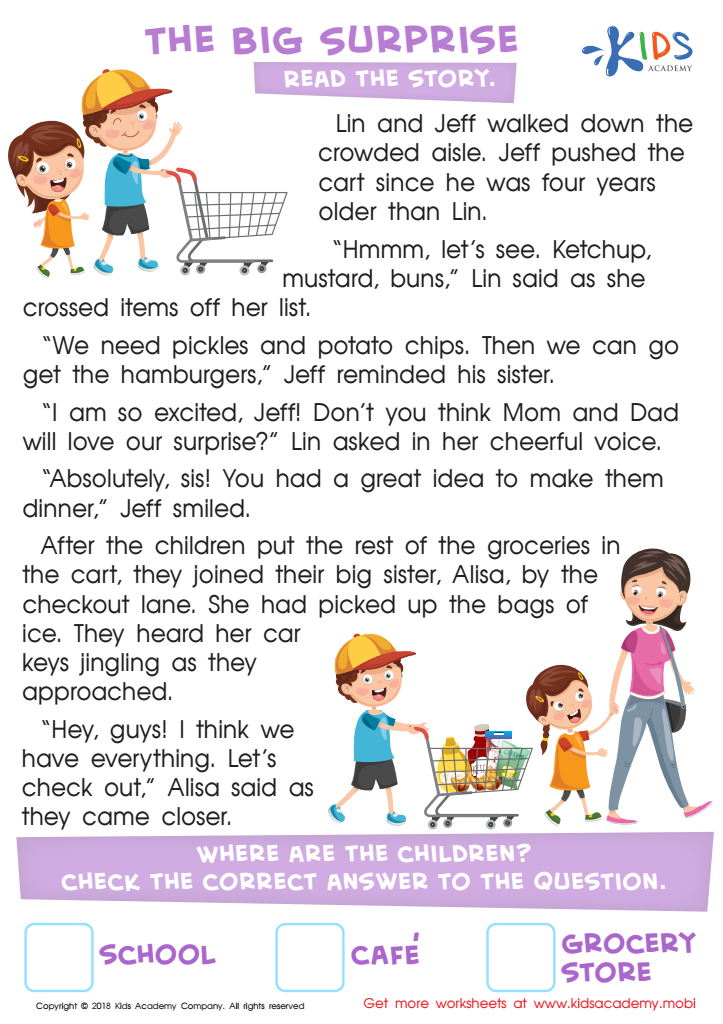
The Big Surprise Worksheet
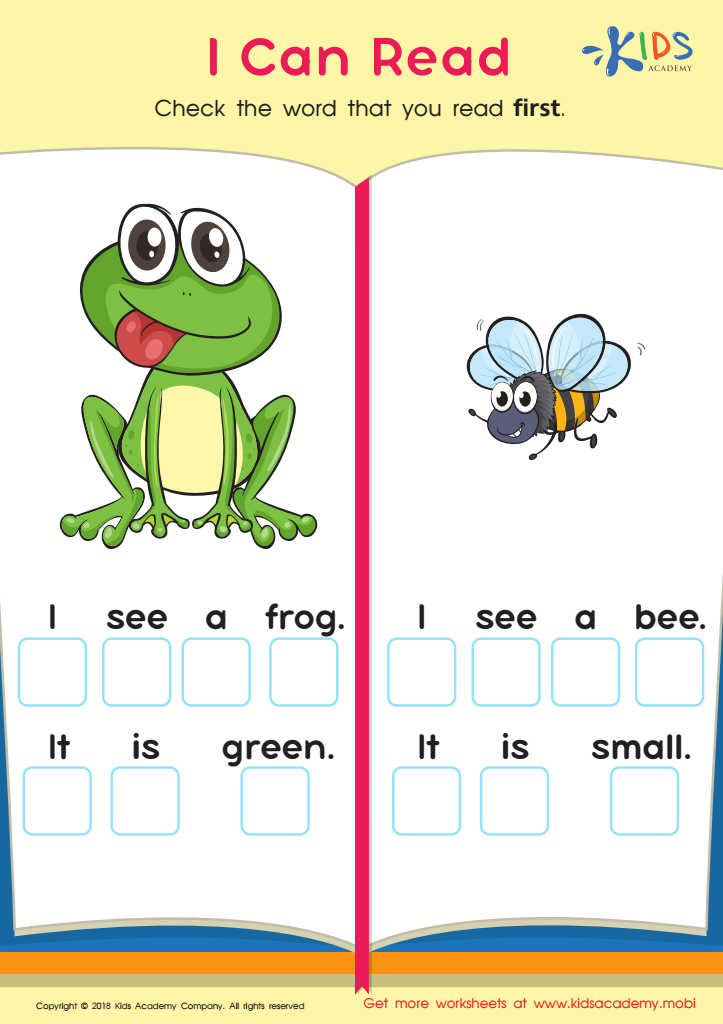
I Can Read Worksheet
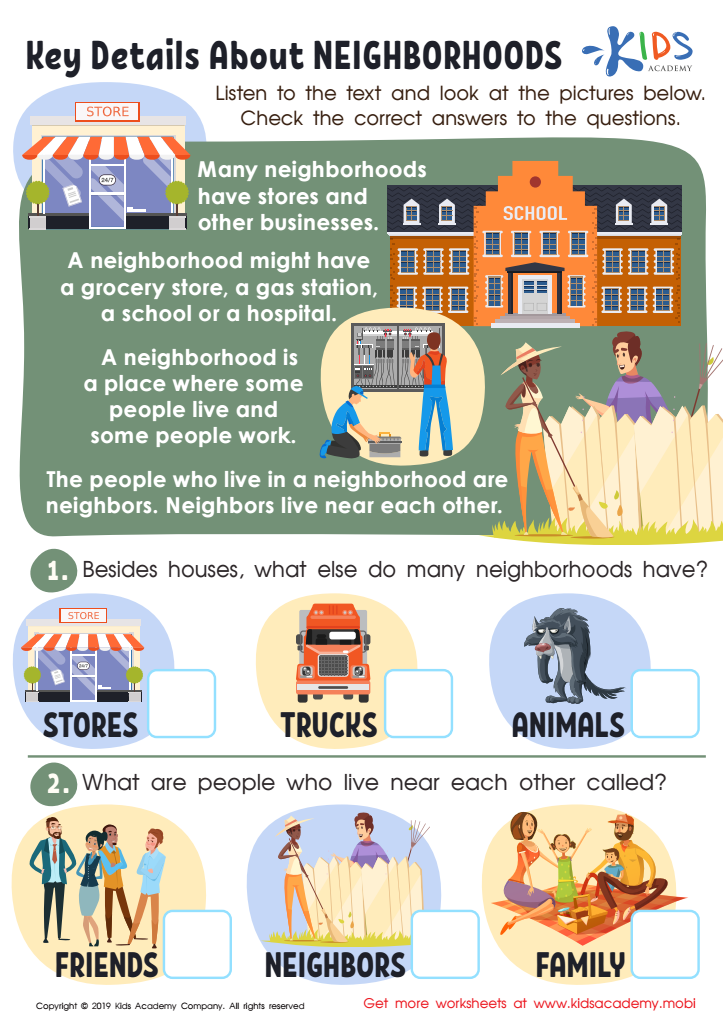
Key Details Neighborhoods Worksheet
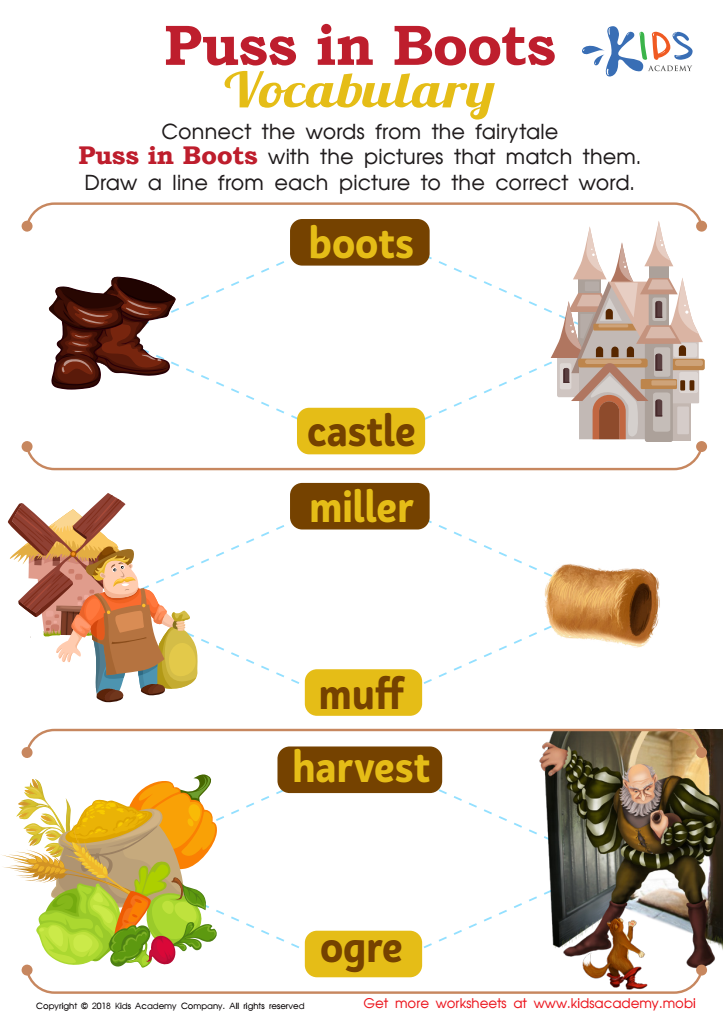
Puss in Boots Vocabulary Worksheet



.jpg)

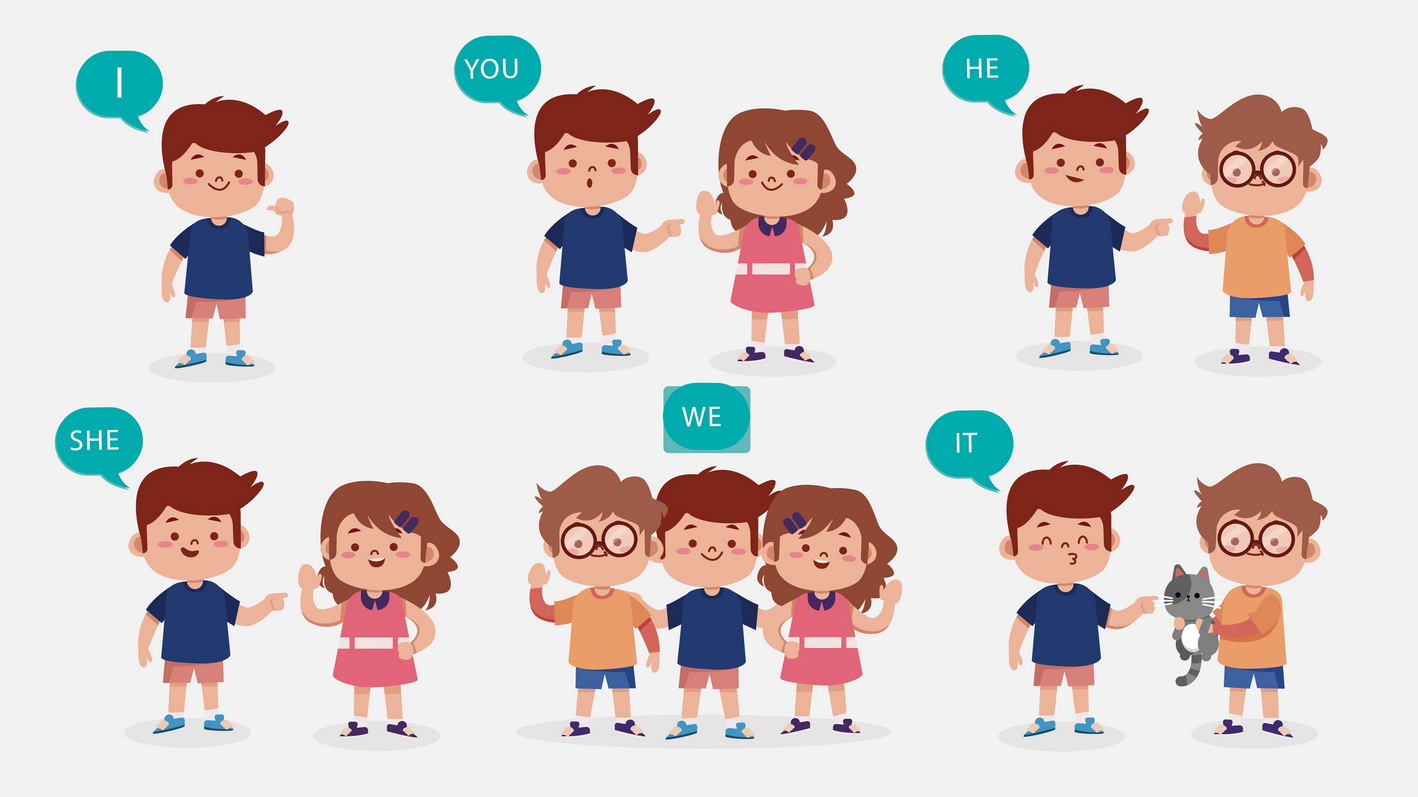


Understanding context in normal reading is vital for young learners because it enhances comprehension, fosters critical thinking, and support vocabulary development. When children grasp the context within which words and sentences lie, they can better infer meanings, making reading a more meaningful and enjoyable experience. For parents and teachers, this means that children are not merely decoding symbols but actually engaging with the text, promoting a deeper level of cognitive skills.
Moreover, context enriches vocabulary. Without context, words are just abstract entities. When children understand them in context, they can comprehend the various nuances and uses of the words. For example, "bark" can mean the sound a dog makes or the outer layer of a tree. Context clues help children ascertain the correct meaning, broadening their language skills.
Additionally, understanding reading context develops empathy as children are able to comprehend characters' experiences in historical, social, and emotional settings. It prepares them for real-life interactions where understanding the circumstances and surroundings of a conversation is essential.
Ultimately, parents and teachers should prioritize contextual understanding because it builds the foundation for advanced literacy skills, higher-level thinking, and effective communication. Reinforcing these skills in early education sets the stage for lifelong learning and personal growth.








