Story analysis Normal Reading Comprehension Worksheets
4 filtered results
-
From - To
Enhance your child's reading comprehension with our engaging Story Analysis worksheets! Designed for early learners, these resources help students dive deeper into texts, fostering critical thinking and understanding. Our worksheets guide children through key elements of storytelling, such as character analysis, plot structure, and theme identification. By encouraging them to interpret and respond to stories, we support their ability to draw connections and make inferences. Perfect for classroom or home use, our printable resources are both fun and educational. Unlock your student's potential and nurture a love for reading with our effective Story Analysis worksheets today!
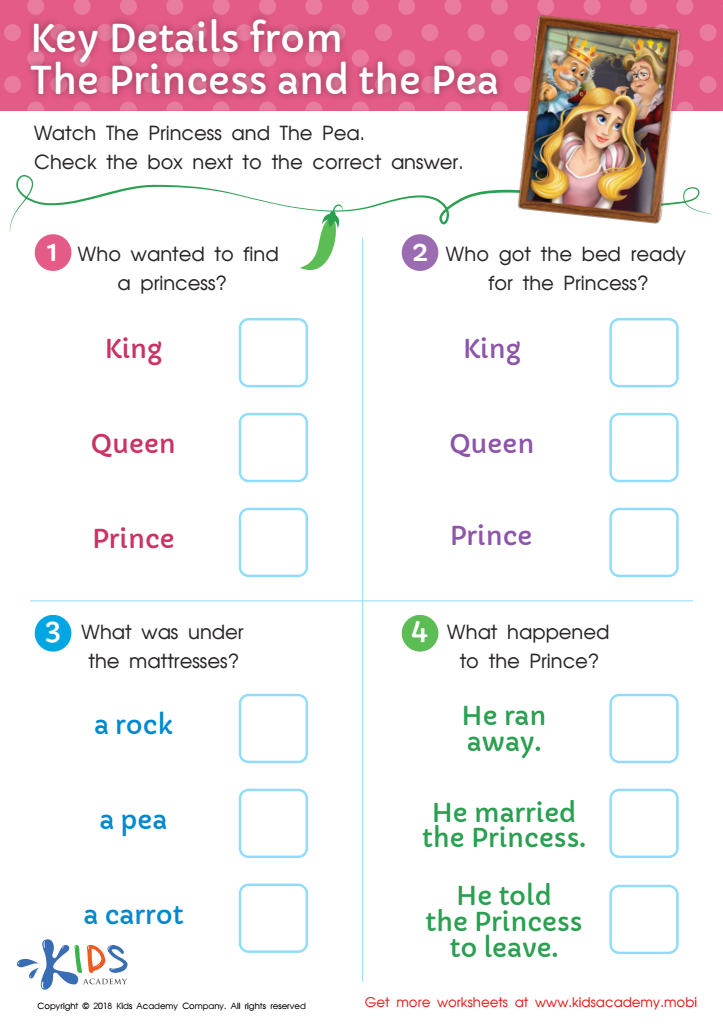
Key Details from the Princess and the Pea Worksheet
 Assign to My Students
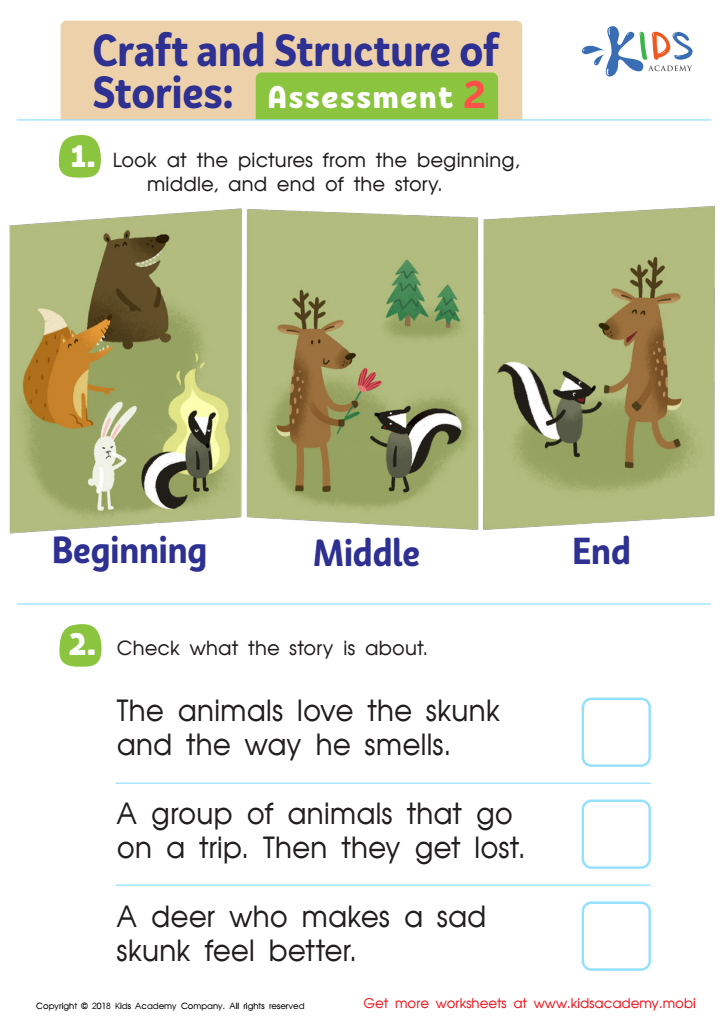
Craft and Structure of Stories: Assessment 2 Worksheet
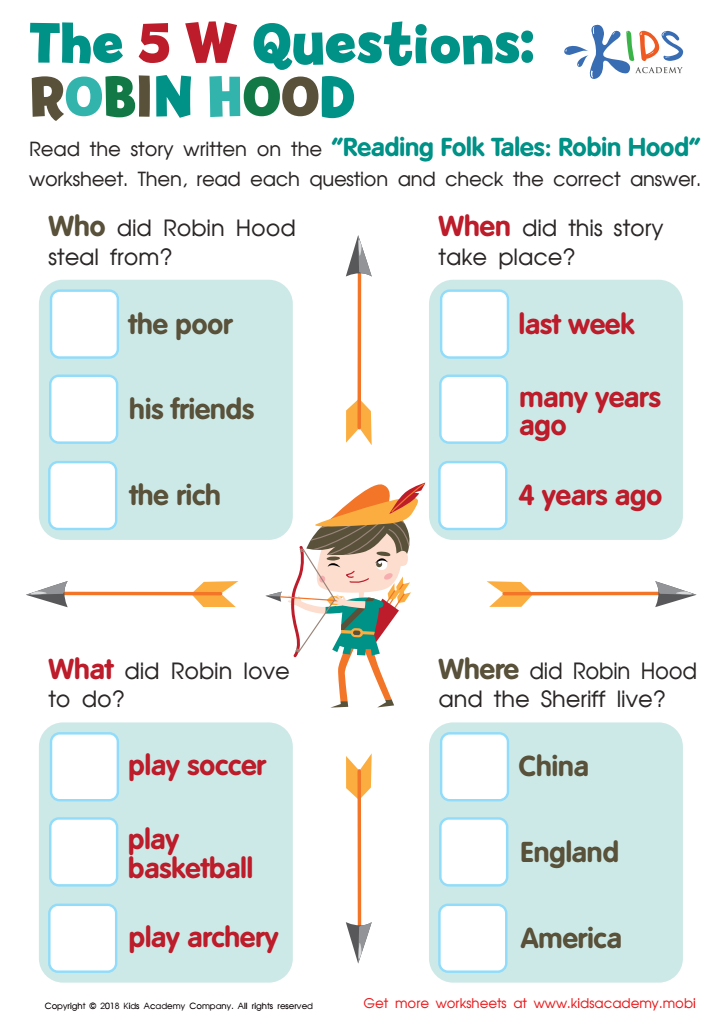
The 5 W Questions: Robin Hood Worksheet
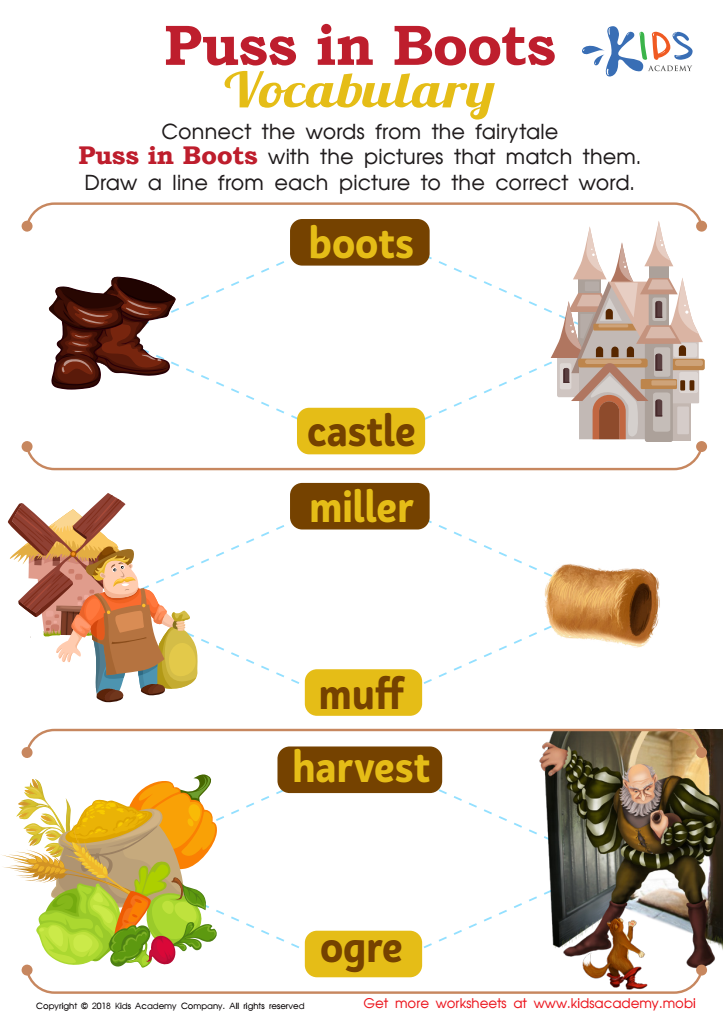
Puss in Boots Vocabulary Worksheet


.jpg)




.jpg)
Parents and teachers should care about story analysis in the context of normal reading comprehension because it plays a crucial role in developing critical thinking and empathy in young readers. Understanding a narrative requires more than just decoding words; it involves grasping themes, characters’ motivations, and the underlying messages of stories. Through story analysis, children learn to identify these elements, enhancing their interpretative skills and fostering a deeper connection with the material.
This skill is essential for academic success as it not only improves reading comprehension but also enhances writing abilities. Children who can analyze stories effectively are better equipped to express their thoughts, make inferences, and engage in discussions. They learn to appreciate diverse perspectives and cultural backgrounds, promoting a more inclusive mindset.
Additionally, story analysis encourages active engagement with texts, transforming reading from a passive activity into an interactive experience. It invites children to ask questions, make predictions, and reflect on their own values and beliefs. For parents and teachers, fostering story analysis not only boosts literacy skills but also cultivates a generation of thoughtful, empathetic individuals who can navigate complex social issues and communicate effectively in an increasingly interconnected world. Thus, emphasizing the importance of story analysis is vital for holistic child development.








