Analytical thinking Normal Reading Fiction Worksheets
4 filtered results
-
From - To
Unlock your students' potential with our Analytical Thinking Normal Reading Fiction Worksheets! Designed for early grade learners, these engaging worksheets help children develop critical thinking skills through the exploration of fictional texts. Each worksheet encourages students to analyze characters, plot structures, and themes, fostering a deeper understanding of the stories they read. With targeted exercises that promote discussion and reflection, students will enhance their ability to make connections and support their ideas with textual evidence. Perfect for classroom activities or independent practice, these worksheets are a valuable resource for nurturing analytical thinking in young readers. Download now and inspire a love for literature!
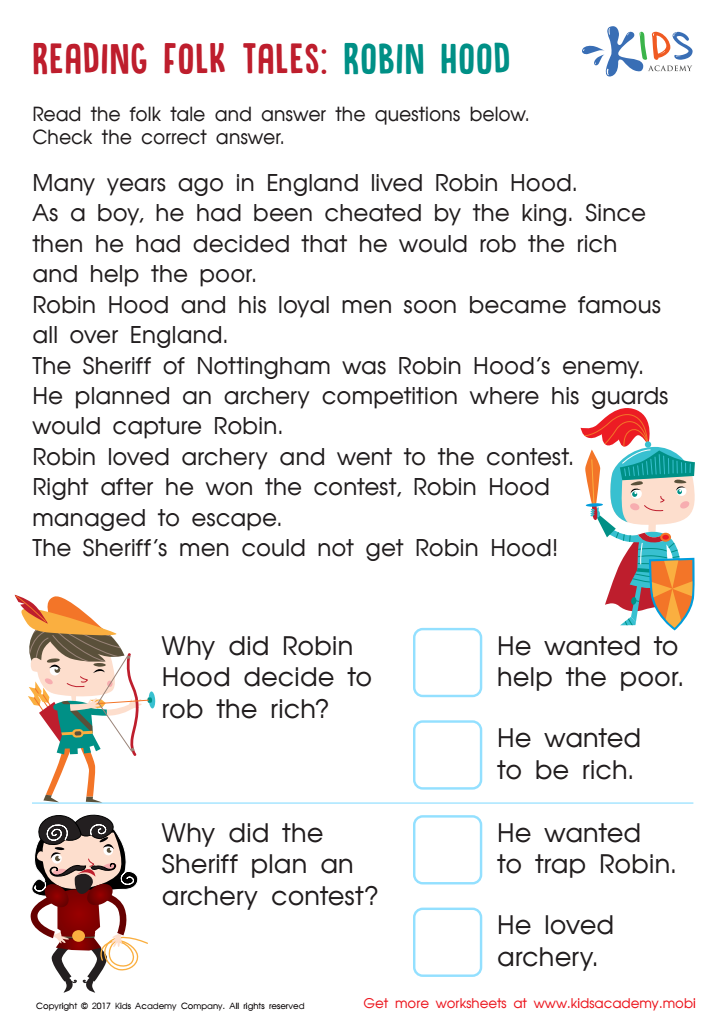
Robin Hood Folktale Worksheet
 Assign to My Students
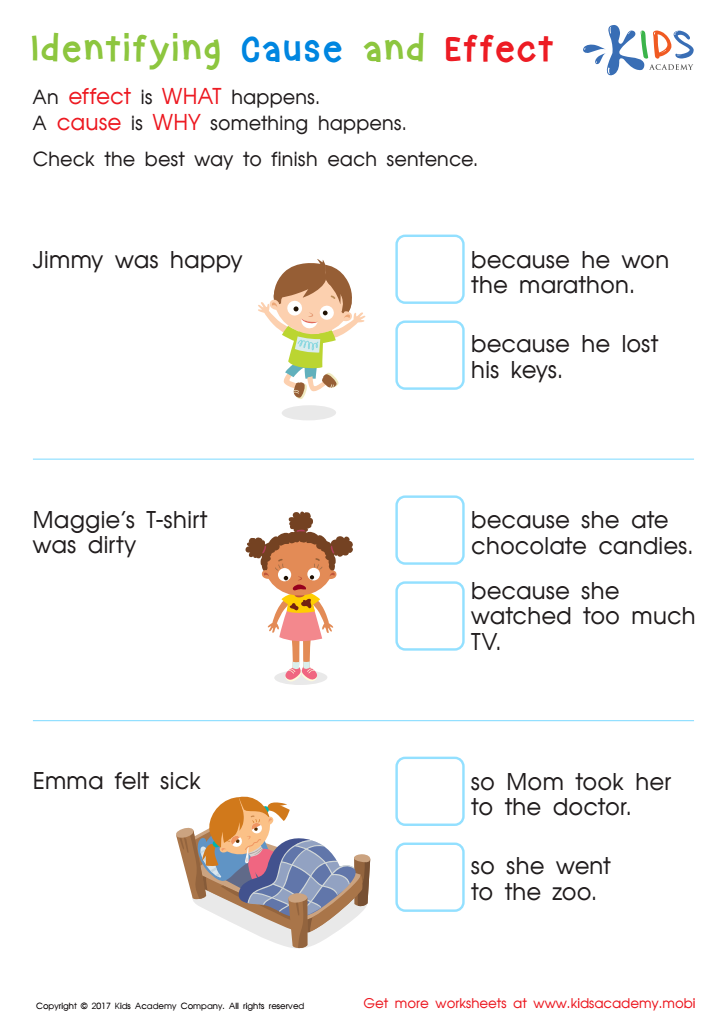
Indentifying Cause and Effect Worksheet
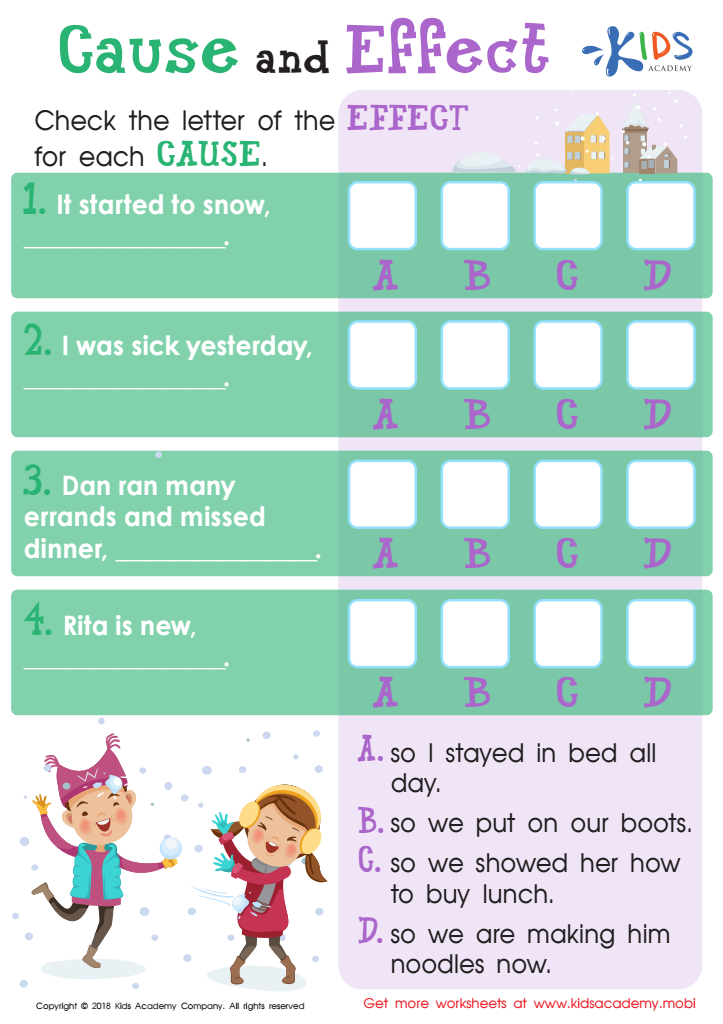
Cause and Effect Worksheet
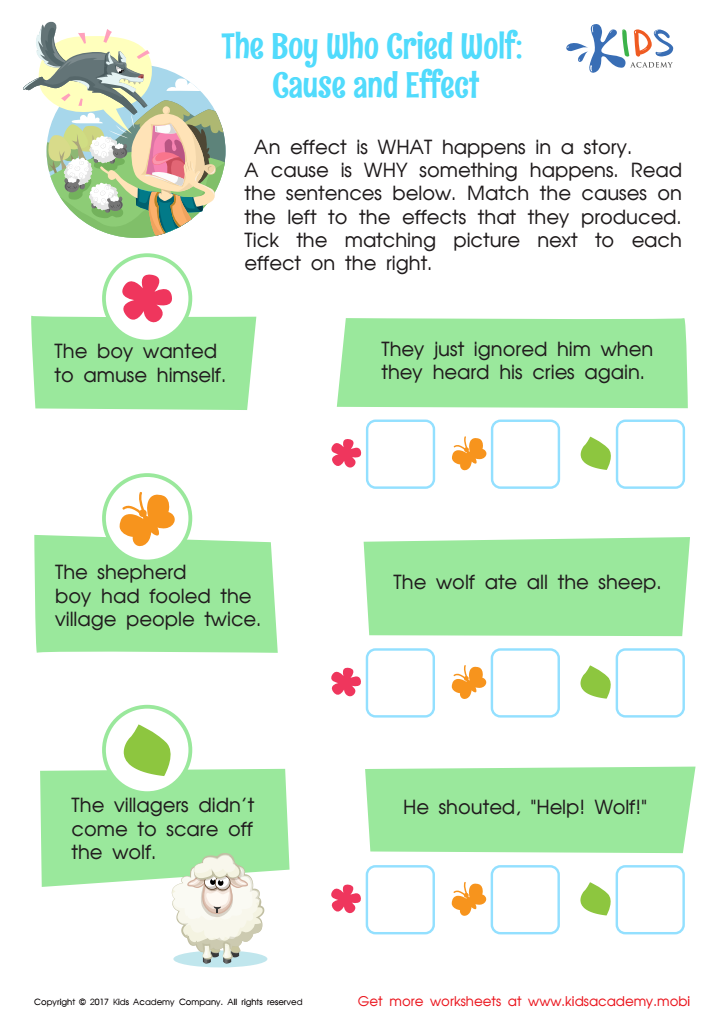
The Boy Who Cried Wolf: Cause and Effect Worksheet





.jpg)


Analytical thinking is a critical skill that enhances a student's ability to understand and engage with fiction. For parents and teachers, fostering this skill in early readers is vital for several reasons. When children analyze fiction, they learn to interpret characters' motivations, identify themes, and make connections between the narrative and their own experiences. This promotes empathy and improved social skills as students consider different perspectives.
Moreover, analytical reading encourages critical thinking. Children learn to question and critique the information they consume rather than simply accepting it, which is a valuable life skill. This type of thinking lays the groundwork for problem-solving abilities, enabling students to approach academic challenges with confidence.
Furthermore, engaging with fiction can enhance vocabulary and comprehension skills. As children dissect plots and characters, they naturally encounter new language, enriching their verbal skills. This is particularly important in the early years when foundational reading skills are developed.
In conclusion, nurturing analytical thinking through fiction not only impacts literacy but also contributes to a child's overall cognitive development, preparing them for future academic success and responsible citizenship. Parents and teachers have a profound role in guiding this developmental journey, making it essential to prioritize analytical reading practices.







