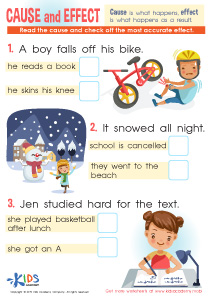
Historical Knowledge Normal Reading Non-Fiction Worksheets
5 filtered results
-
From - To
Enhance your child’s understanding of history with our engaging Reading Non-Fiction Worksheets focused on Historical Knowledge. Designed for early learners, these worksheets provide a clear and accessible way to explore significant historical events, figures, and concepts. Each activity aims to develop critical reading skills while fostering a love for learning about the past. With a variety of exercises, including reading comprehension questions, fact recognition, and vocabulary development, students will gain meaningful insights into history. Our printable worksheets are perfect for use at home or in the classroom, ensuring a fun and informative experience that complements your child's educational journey.
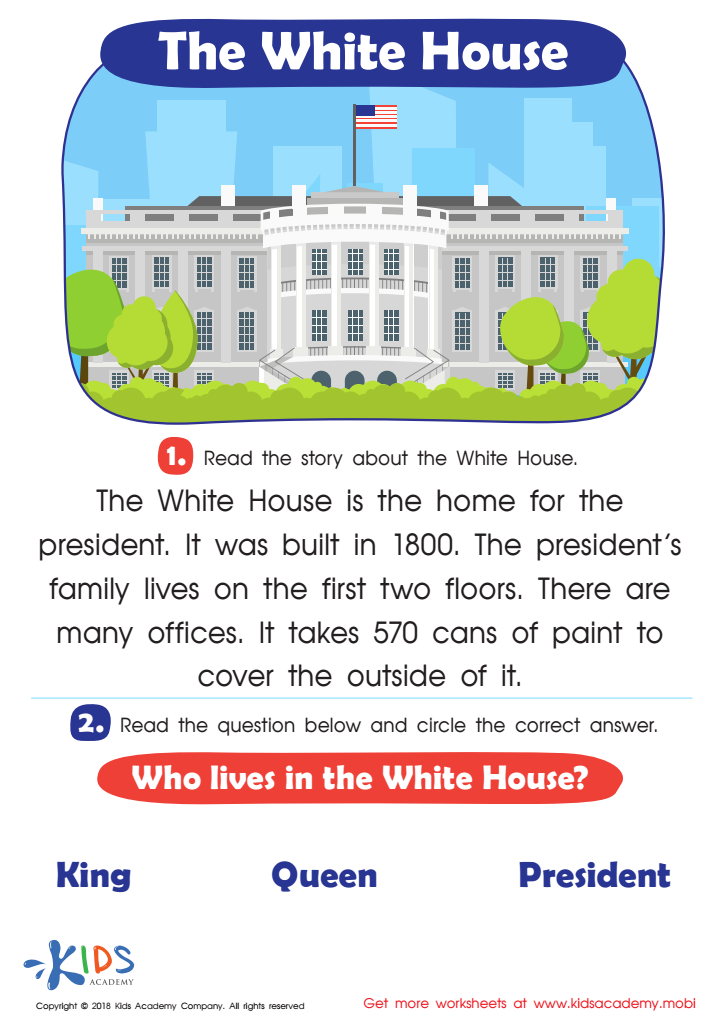
White House Worksheet
 Assign to My Students
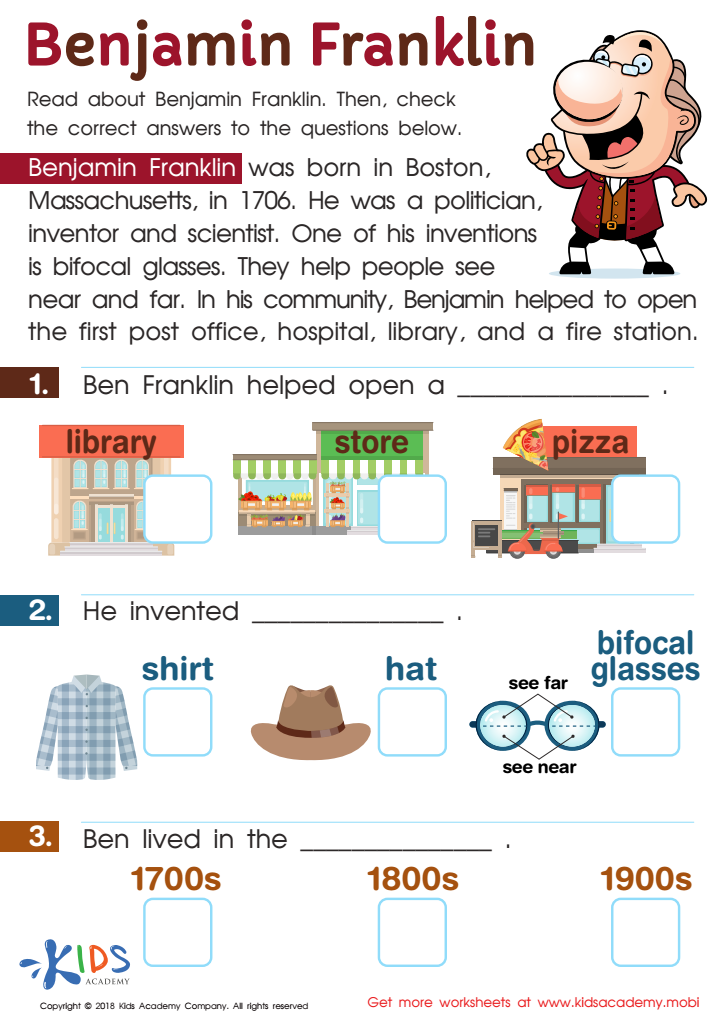
Benjamin Franklin Worksheet
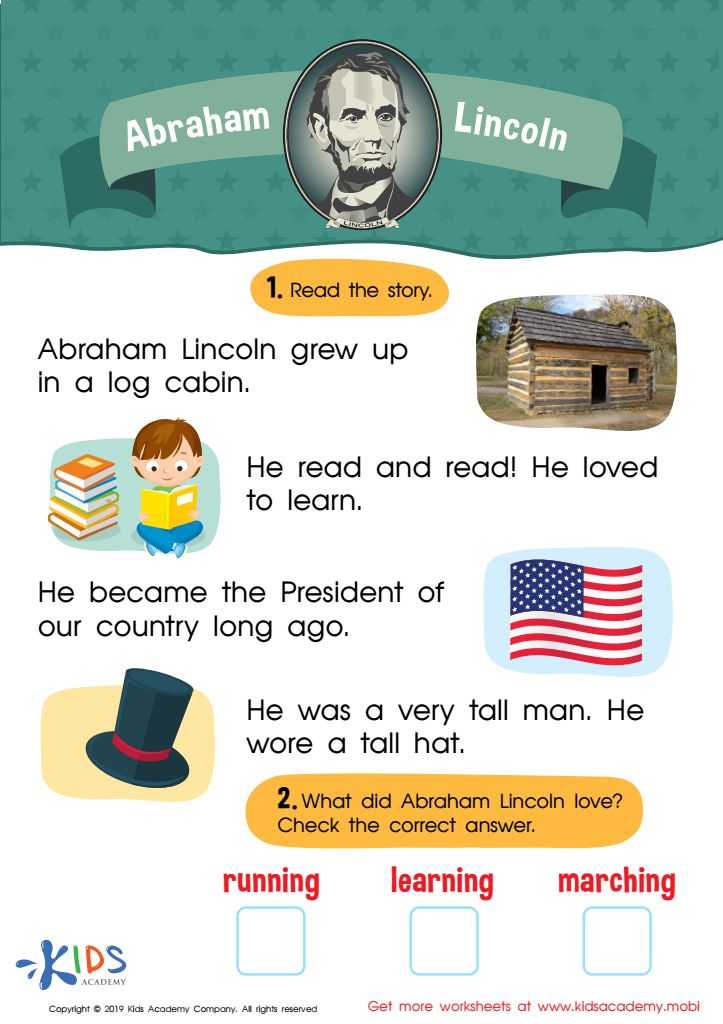
Abraham Lincoln Worksheet
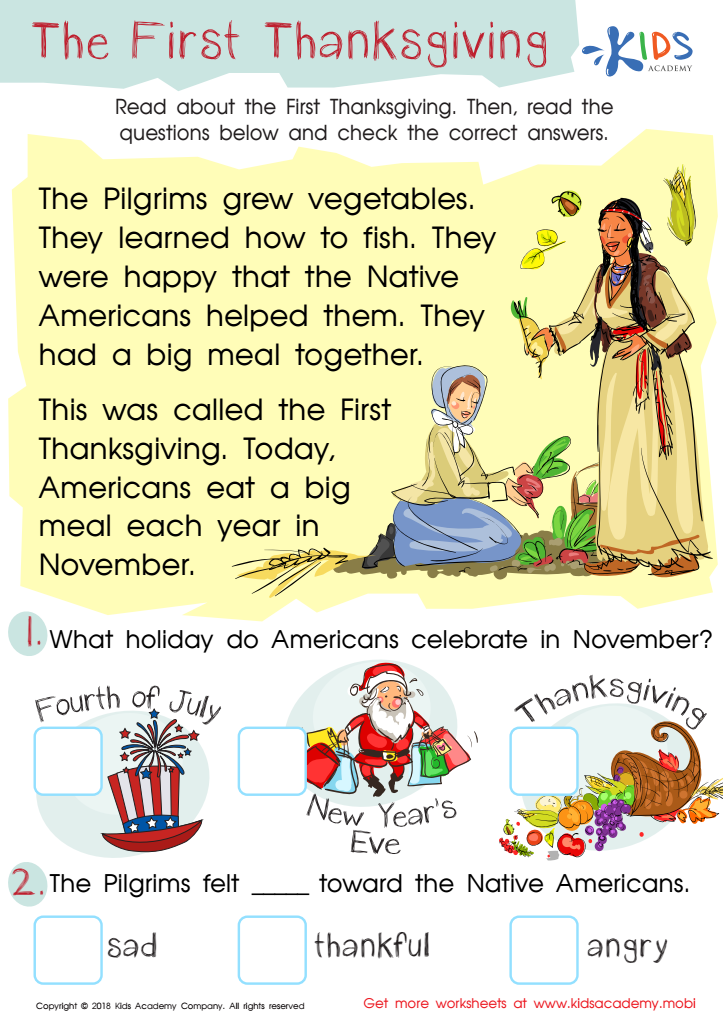
Assessment: First Thanksgiving Worksheet
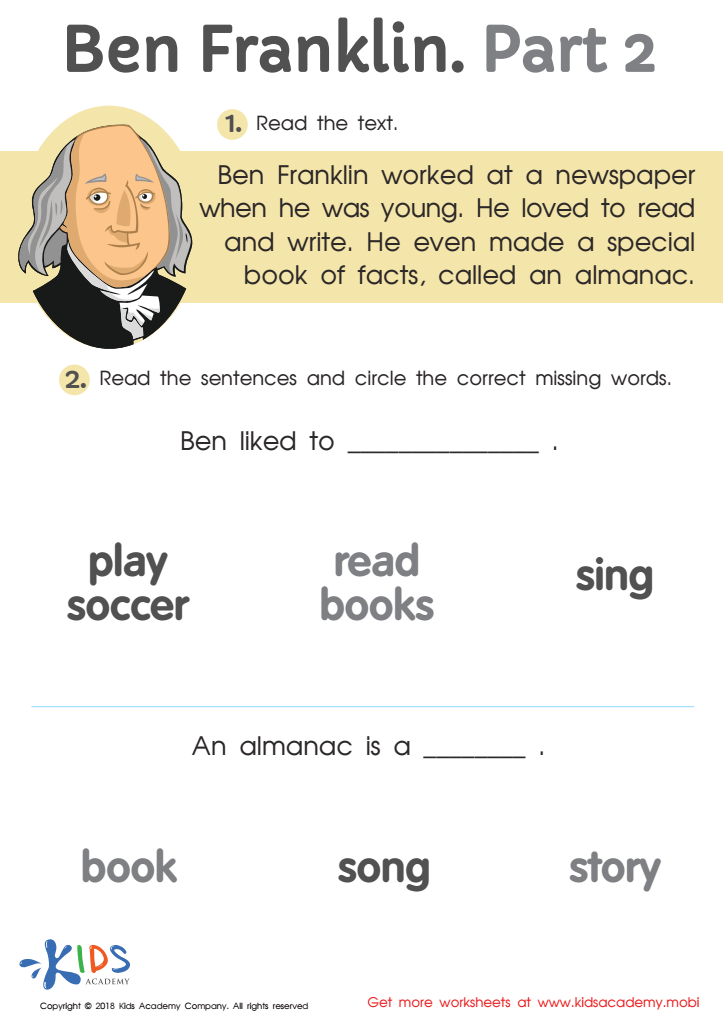
Ben Franklin Part 2 Worksheet








Parents and teachers should prioritize historical knowledge in normal reading non-fiction because it fosters critical thinking and contextual understanding. By exposing children to diverse historical perspectives, they learn to analyze events, recognize biases, and appreciate the complexities of human experiences. This foundation helps them develop informed opinions and understand how history shapes present realities, promoting empathy and resilience.
Moreover, historical non-fiction can spark curiosity about the past, encouraging students to ask questions and seek answers, which enhances their overall literacy and comprehension skills. Engaging with well-researched narratives can ignite a lifelong love for learning and exploration, crucial for the development of well-rounded individuals.
Additionally, in an increasingly interconnected and multicultural world, understanding different histories enables children to appreciate diversity and fosters respect among various cultures. This understanding is essential as it prepares them for global citizenship, teaching them that history can inform our actions and decisions today.
For educators and parents, incorporating historical non-fiction into learning promotes rich discussions at home and in the classroom. By valuing these texts, they are equipping children with the tools they need for academic success as well as becoming informed and engaged members of society.