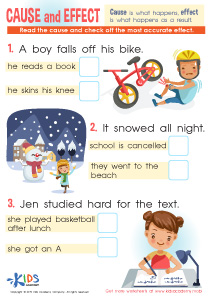
Vocabulary Building Normal Reading Non-Fiction Worksheets
3 filtered results
-
From - To
Discover our engaging "Vocabulary Building Normal Reading Non-Fiction Worksheets" designed to enhance learning skills and improve vocabulary through intriguing non-fiction content. Tailored for early grade students, these worksheets feature a diverse range of activities aimed at reinforcing word recognition, understanding, and usage. Each worksheet is crafted to make learning exciting, helping young learners to develop a love for reading while expanding their vocabulary. Through interactive prompts and exercises, students can build reading confidence and comprehension skills. Ideal for both classroom and home use, our worksheets offer a fun and effective approach to vocabulary development. Start building young vocabularies today!
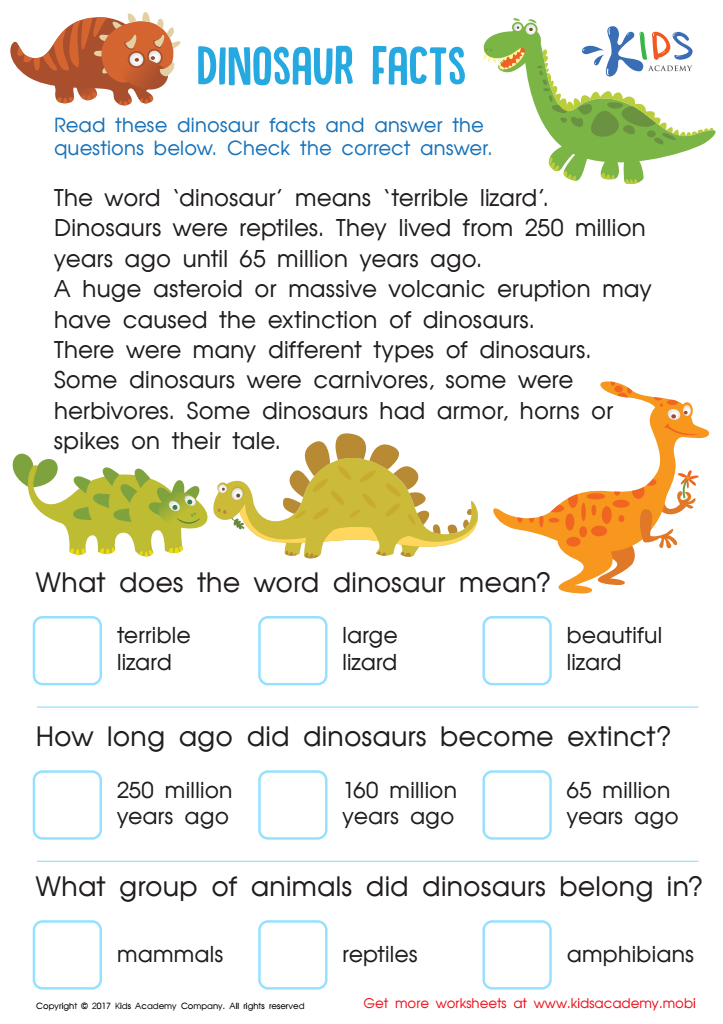
Dinosaur Facts Worksheet
 Assign to My Students
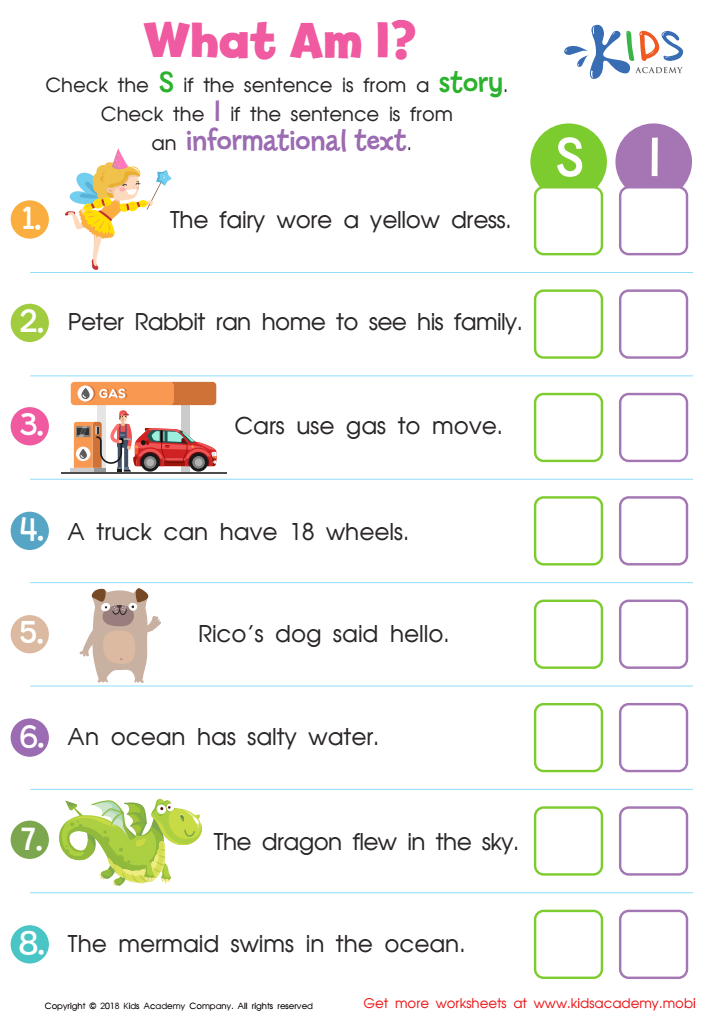
What Am I? Worksheet
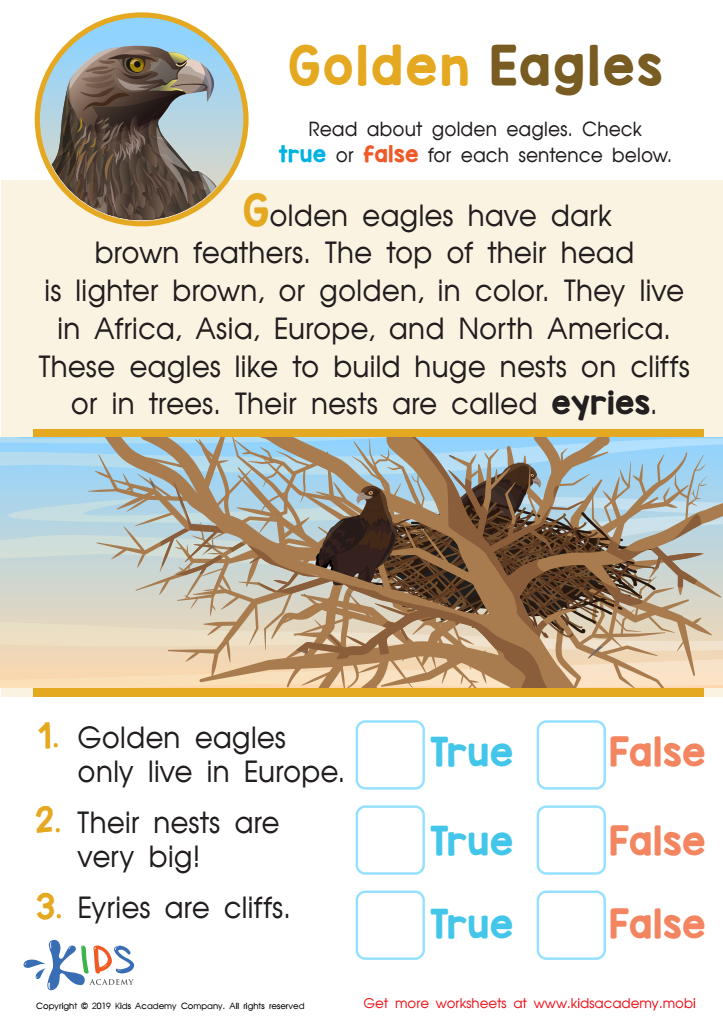
Golden Eagles Worksheet








Vocabulary building, normal reading habits, and non-fiction material are cornerstones of a child's educational journey. Parents and teachers should prioritize these elements as they significantly contribute to a child’s cognitive, linguistic, and comprehension abilities.
Firstly, vocabulary building boosts communication skills. A robust vocabulary allows children to express their thoughts and feelings more clearly and accurately. This is invaluable not just academically, but also socially and emotionally.
Secondly, fostering a habit of normal reading reinforces focus, comprehension, and critical thinking. Regular reading improves attention span and enhances the ability to process and remember information. When children read diverse genres, they encounter different writing styles and perspectives, which broadens their understanding of the world.
Lastly, exposing children to non-fiction is crucial as it grounds their knowledge in reality. Non-fiction reading enhances factual comprehension and critical reasoning, preparing children to navigate real-world situations. It introduces them to scientific concepts, historical events, and important societal issues, encouraging curiosity and a keen interest in learning.
By emphasizing vocabulary building, instilling reading habits, and incorporating non-fiction material, parents and teachers equip children with essential skills for academic success and lifelong learning. These efforts inspire confident, informed, and articulate individuals who are prepared for future challenges.