Animal identification Normal Science Worksheets
6 filtered results
-
From - To
Discover our engaging "Animal Identification Normal Science Worksheets," designed to enhance young learners' understanding of diverse animal species. These worksheets provide a fun and interactive way for children to explore the animal kingdom by identifying different animals, their habitats, and key characteristics. Each worksheet is thoughtfully crafted to promote critical thinking, observation skills, and scientific inquiry. Ideal for early grade classrooms or at-home learning, these resources ensure that kids develop a solid foundation in science while enjoying captivating illustrations and hands-on activities. Join us in fostering a love for animals and the wonders of nature with our comprehensive and easy-to-use worksheets!
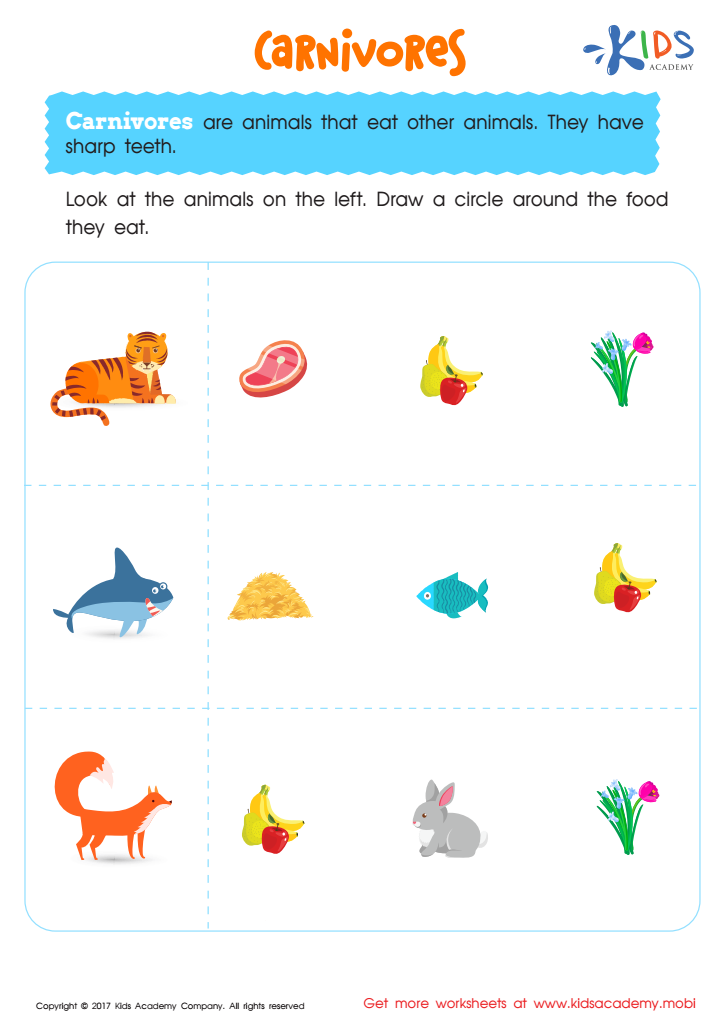
Carnivores Worksheet
 Assign to My Students
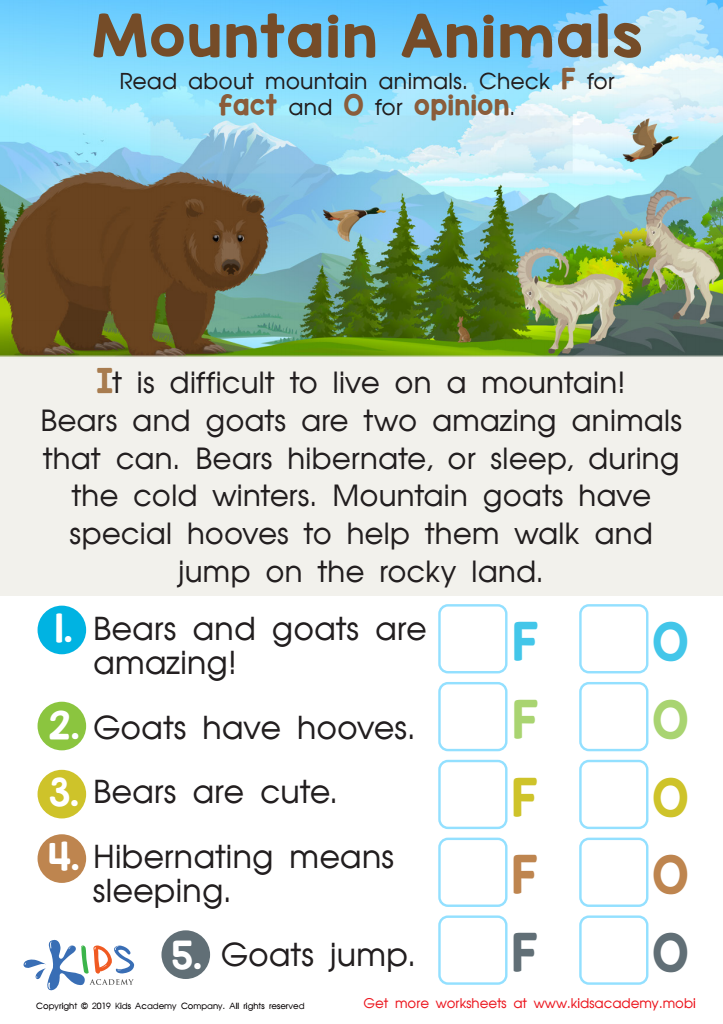
Mountain Animals Worksheet
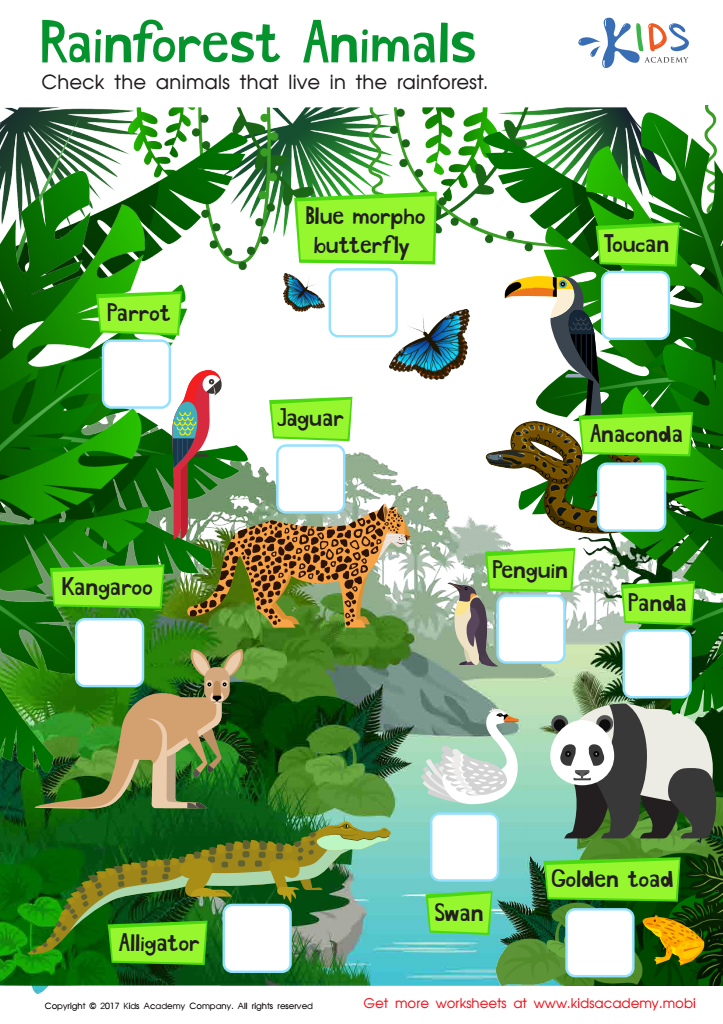
Rainforest Animals Worksheet
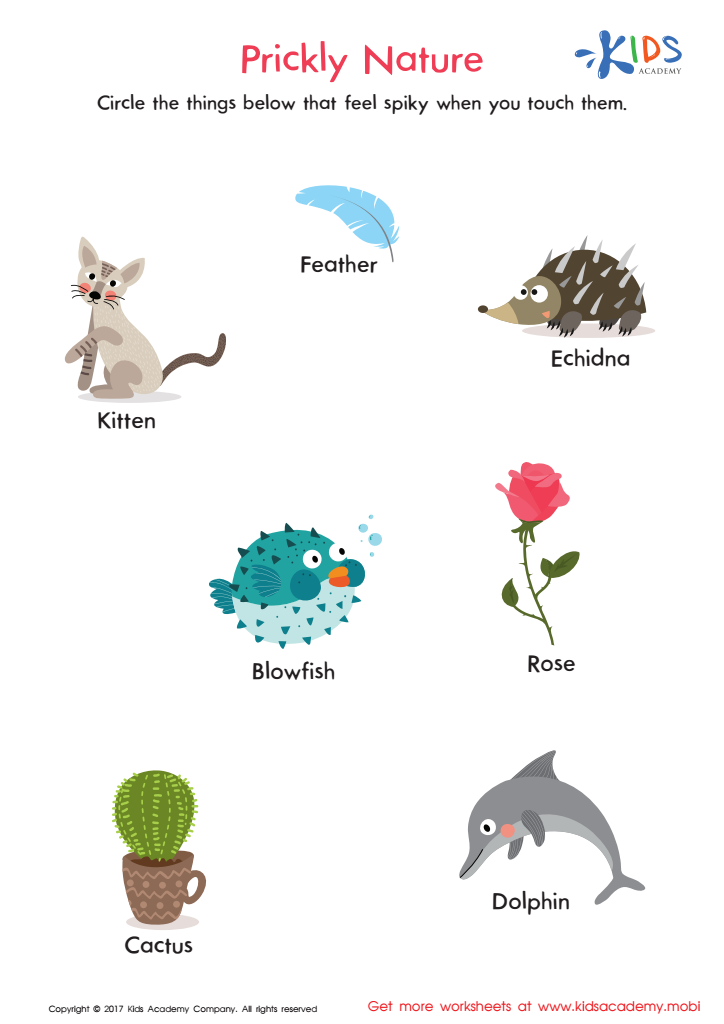
Prickly Nature Worksheet
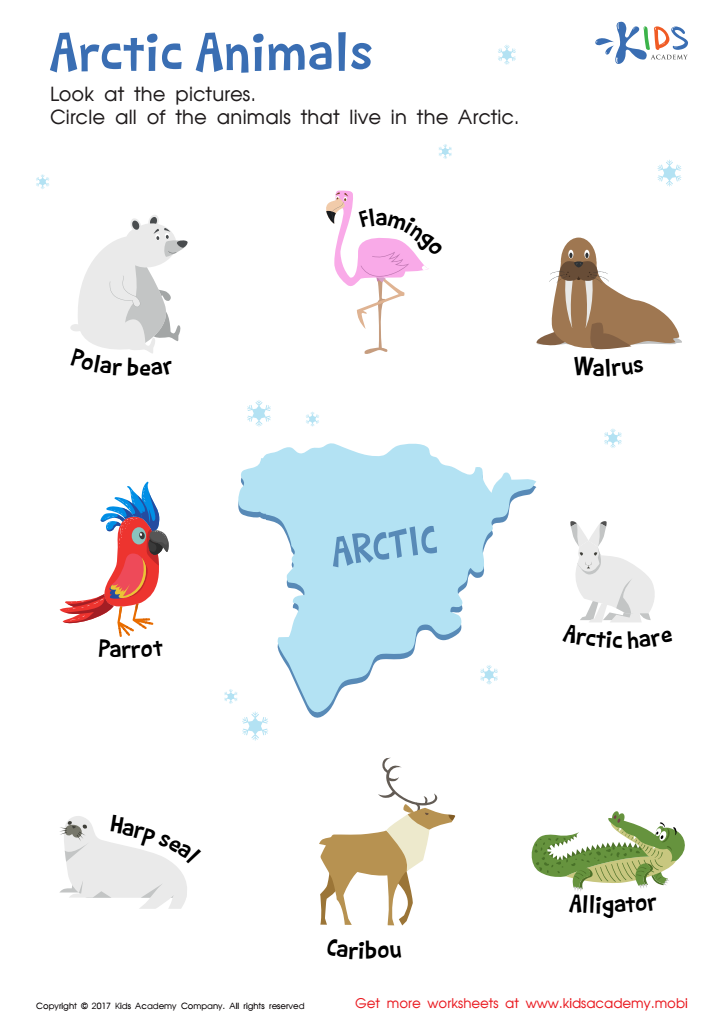
Arctic Animals Worksheet
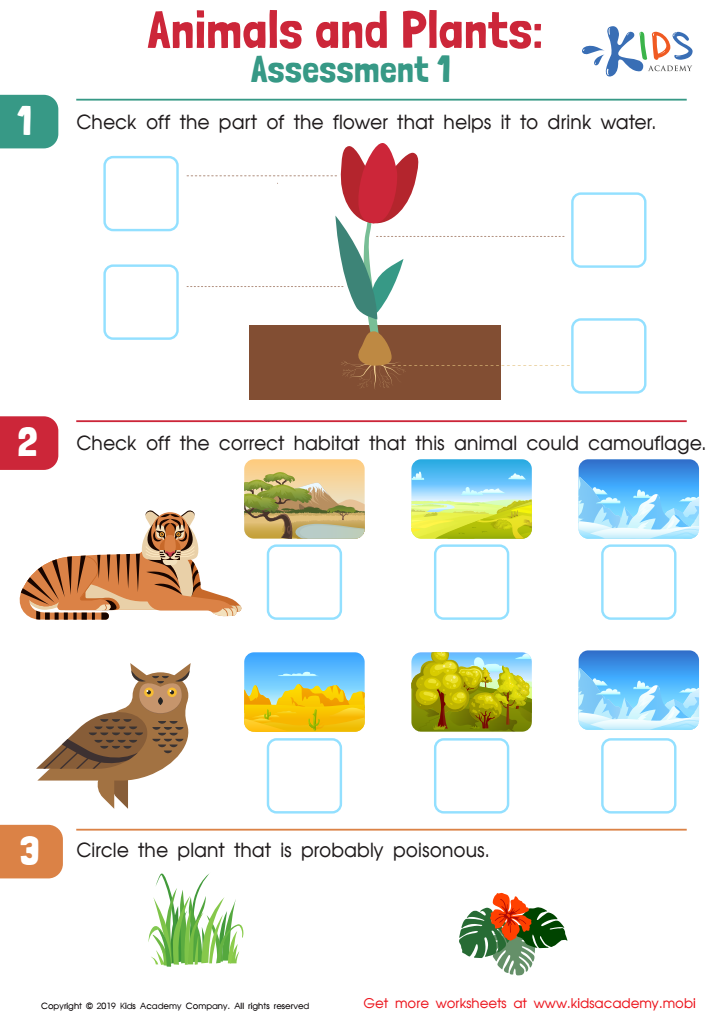
Animals and Plants: Assessment 1 Worksheet








Animal identification is a crucial aspect of normal science that warrants the attention of both parents and teachers. By understanding the methods and significance of identifying various animal species, they can instill an appreciation for biodiversity in young learners. This knowledge not only fosters curiosity about the natural world but also offers insights into environmental conservation and the interconnectedness of ecosystems.
Educators can use animal identification techniques to teach students observational skills, critical thinking, and scientific reasoning. For instance, recognizing different animal species encourages appreciation for the variety of life and helps develop responsible stewardship of the planet. It also provides a practical foundation for subjects such as biology, ecology, and environmental science.
In addition, in the context of agricultural education, understanding how to identify domestic animals plays a vital role in ensuring food safety and ethical farming practices. As students gain factual knowledge about animal species, they engage more deeply with real-world issues, such as habitat destruction, climate change, and the impact of human activity on animal populations.
Overall, incorporating animal identification into curricula and parenting strategies significantly enhances students' learning experiences while promoting awareness about the vital importance of our natural world.







