Developing analytical skills Normal Science Worksheets
4 filtered results
-
From - To
Enhance your child's critical thinking with our engaging Normal Science Worksheets focused on developing analytical skills. Designed for young learners, these worksheets transform complex scientific concepts into fun and accessible activities, fostering curiosity and problem-solving abilities. Each worksheet is crafted to stimulate logical reasoning, encourage evidence-based thinking, and improve observational skills through captivating experiments and exercises. Whether tackling cause-and-effect scenarios or making keen observations, children gain a strong foundation in analytical proficiency. Perfect for home or classroom use, our science worksheets provide an interactive way to support your child's educational journey and love for learning. Start exploring today!
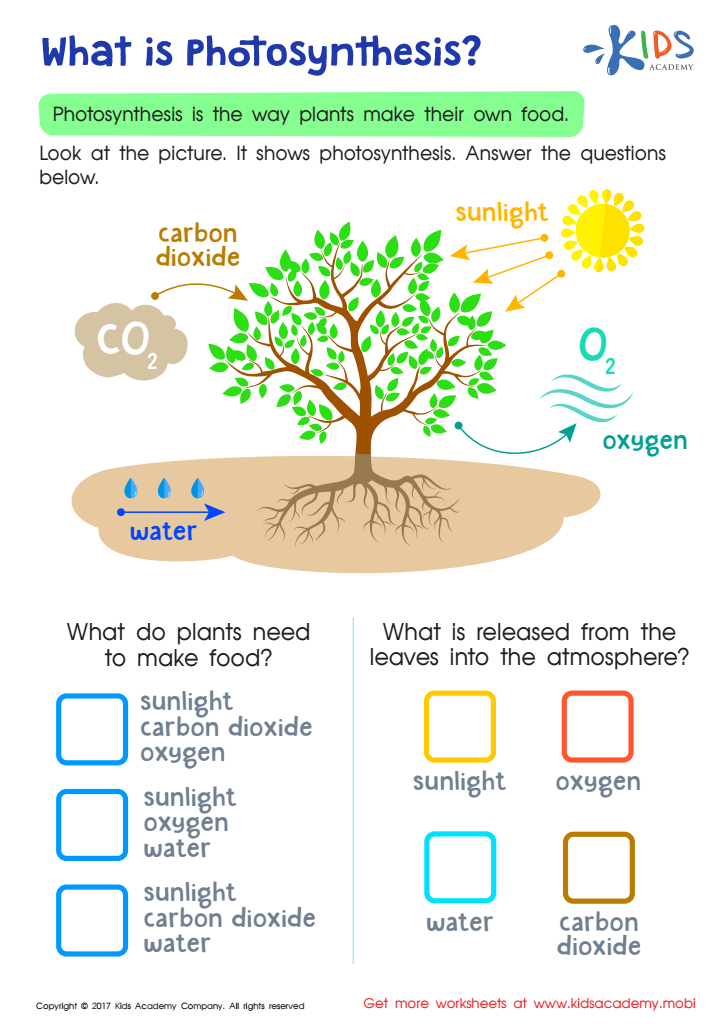
What is Photosynthesis Printable
 Assign to My Students
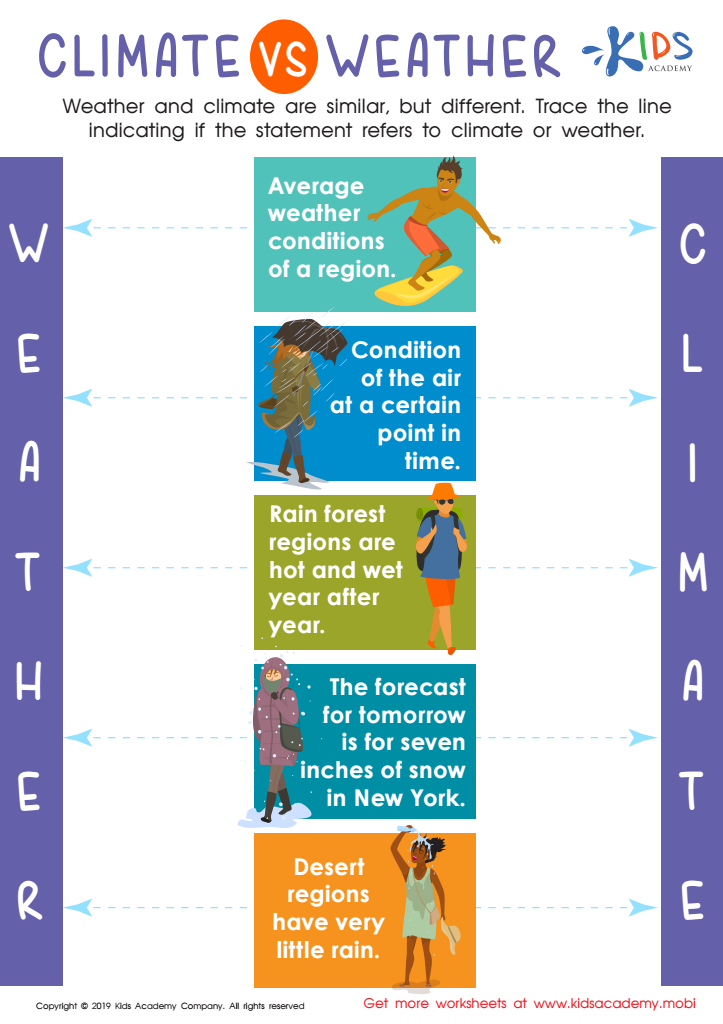
Climate vs Weather Worksheet
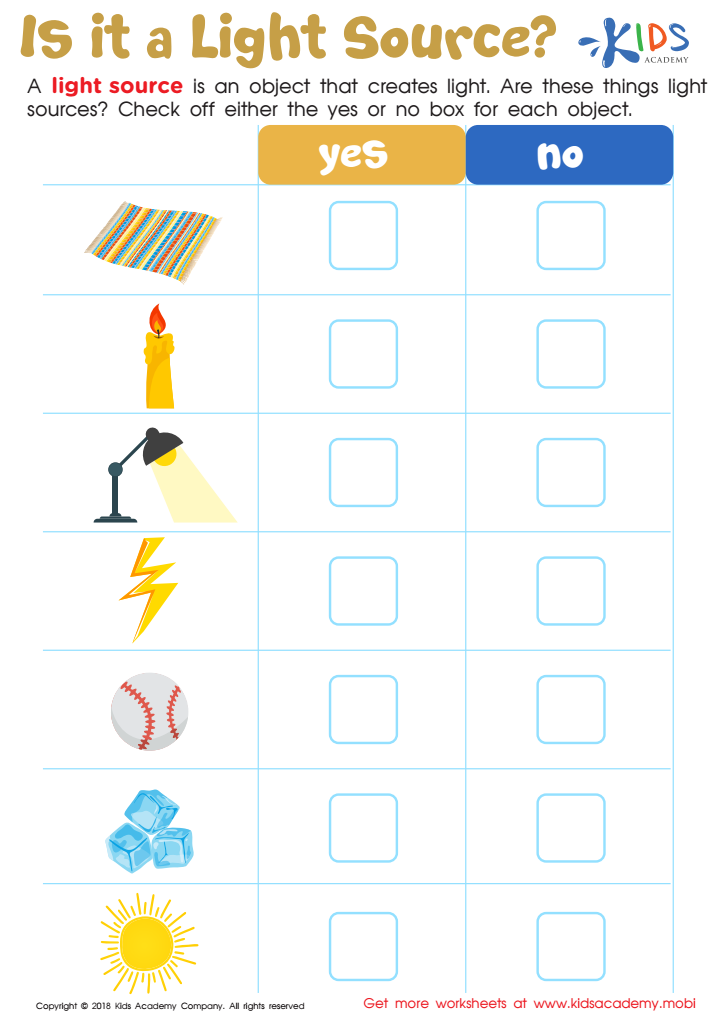
Is It a Light Source? Worksheet

How Light Travels Worksheet








Parents and teachers should care about developing analytical skills in students because these abilities form a critical foundation for lifelong learning and problem-solving. Analytical skills enable students to examine information, break it into parts, and understand their relationships, enhancing comprehension in subjects like math and science. In a world driven by rapid technological advancements and complex global issues, the capacity to analyze data and think critically is more essential than ever.
Developing these skills early in life prepares children for future challenges and decision-making processes. For parents, fostering analytical skills at home through activities like puzzles, strategic games, and discussions instinctively boosts a child’s cognitive development. For teachers, incorporating analytical exercises into everyday lessons transforms rote learning into engaging and interactive education. Students trained in analytical thinking are better equipped to spot patterns, draw logical connections, and develop reasoned arguments, helping them not only in academics but in their everyday lives.
In subjects like science, where observations lead to hypotheses and experiments test theories, strong analytical skills empower students to make connections between concepts and real-world applications. Emphasizing these skills cultivates curiosity, adaptability, and a scientific temperament, turning students into independent, innovative thinkers who can navigate an ever-changing world effectively.







