Developing critical thinking Normal Science Worksheets
3 filtered results
-
From - To
Enhance your child’s cognitive abilities with our Developing Critical Thinking Normal Science Worksheets! Designed for young learners, these engaging worksheets encourage exploration and inquiry, honing critical thinking skills in a fun and interactive way. Each worksheet is tailored to promote curiosity, guiding students to analyze, question, and reflect on scientific concepts. Perfect for both classroom and home use, the activities spark creative problem-solving and help students understand complex ideas in a simplified manner. By integrating critical thought with science education, our worksheets prepare children for future challenges, fostering a lifelong love for learning. Dive into a world of discovery and learning today!

Seeds on the Move Worksheet
 Assign to My Students
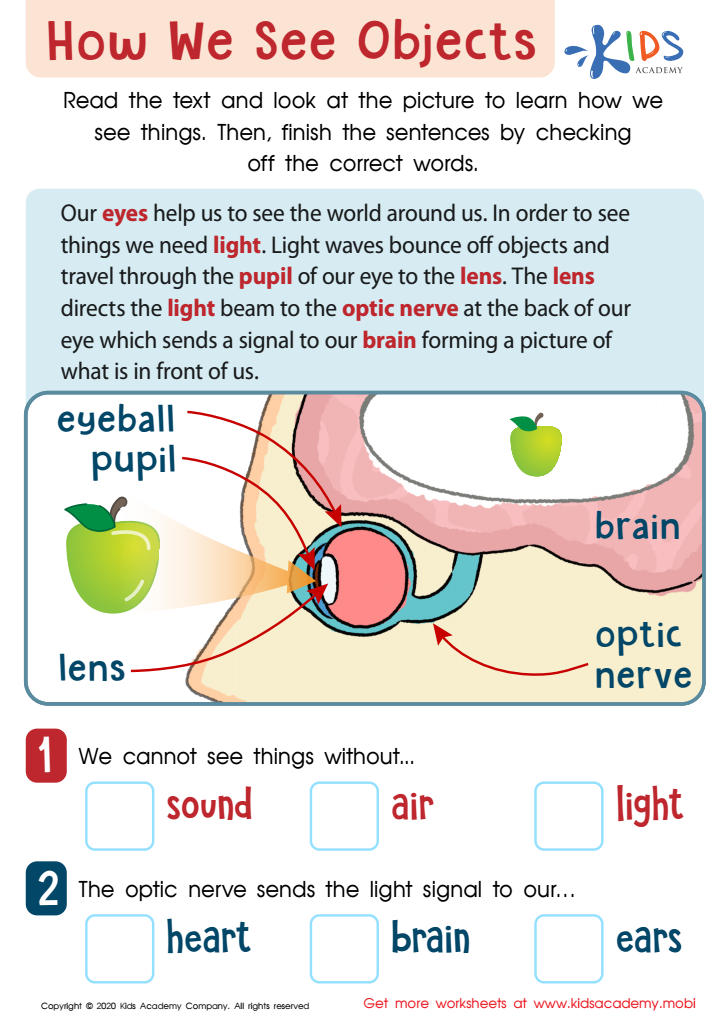
How We See Objects Worksheet
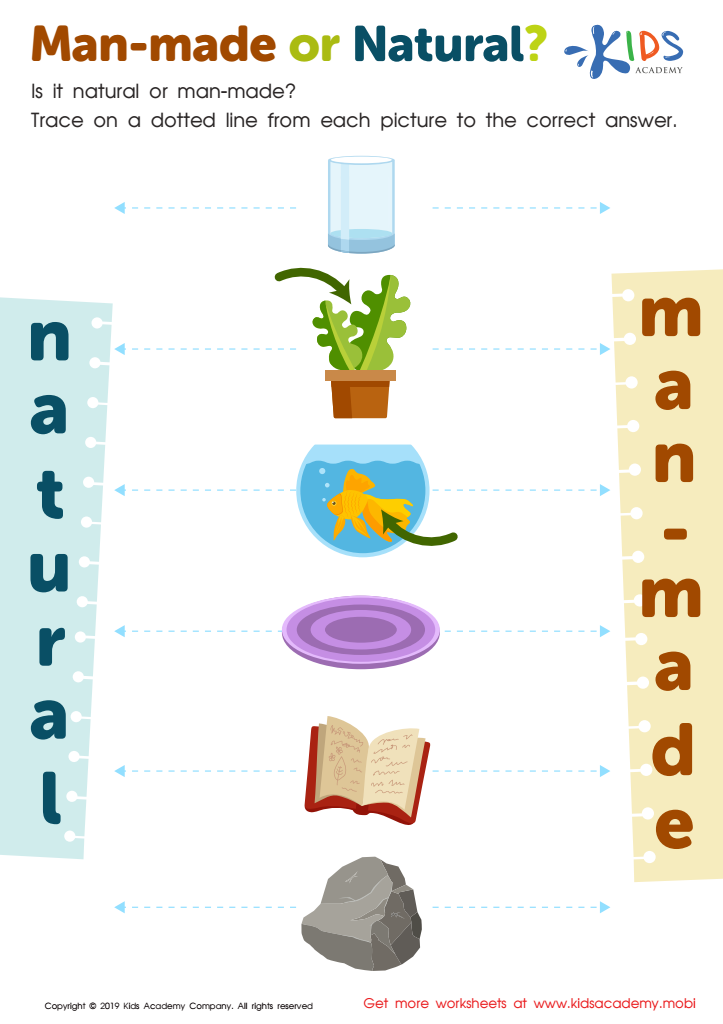
Man-Made or Natural? Worksheet







Developing critical thinking in students is essential, particularly in the context of normal science, which involves the routine practice of scientific inquiry and knowledge advancement. For parents and teachers, fostering critical thinking skills equips children to engage critically with the world around them, encouraging curiosity, skepticism, and open-mindedness. This is crucial for navigating an era dominated by rapid technological advancements and information overload.
By emphasizing critical thinking within the framework of normal science, educators can help students differentiate between reliable information and misinformation. It strengthens their ability to analyze data, construct reasoned arguments, and solve complex problems. This analytical approach cultivates a mindset where questions are valued over rote memorization, promoting a deeper understanding of scientific concepts and methods.
Moreover, critical thinking nurtures resilience, as students learn to face challenges and setbacks in their exploratory journeys. It also fosters collaboration, as students engage in group discussions and scientific debates. As parents and educators prioritize these skills, they prepare children not just for academic success but for informed citizenship, empowering them to contribute thoughtfully to society. In essence, developing critical thinking is fundamental to nurturing inquisitive, confident, and capable learners equipped for the complexities of the modern world.







