Understanding directions Normal Science Worksheets
4 filtered results
-
From - To
Our "Understanding Directions: Normal Science Worksheets" are expertly designed to help young learners develop essential navigation and comprehension skills. These worksheets encourage kids to follow instructions, understand spatial relationships, and improve problem-solving abilities. Through engaging activities, children will practice reading maps, following pathways, and recognizing directions like left, right, up, and down. These fun and interactive exercises are perfect for fostering scientific thinking and spatial awareness in early graders. Ideal for both classroom and home use, our worksheets make learning directions an enjoyable and impactful experience. Unlock your child's potential with our comprehensive science worksheets today!
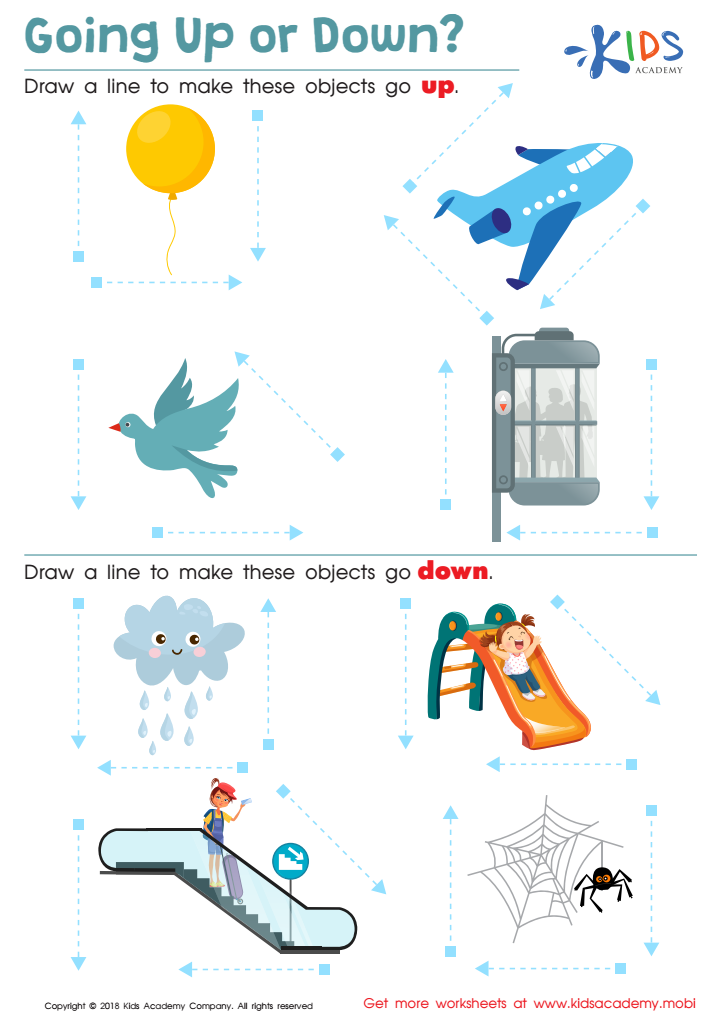
Going up or Down? Worksheet
 Assign to My Students
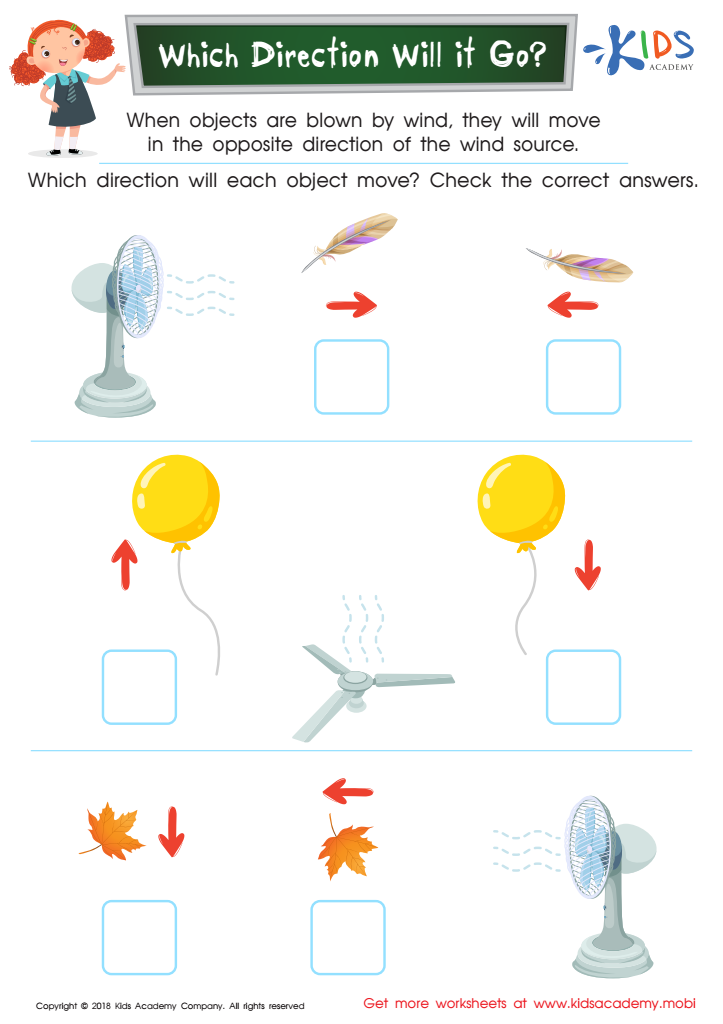
Which Direction Will it Go? Worksheet
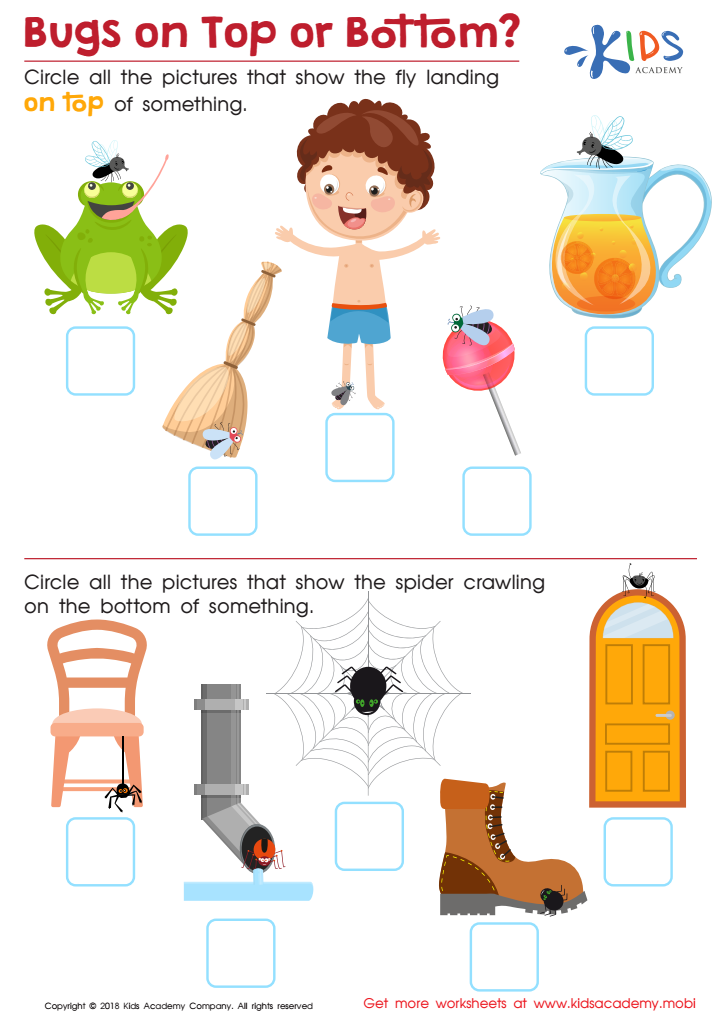
Bugs on Top or Bottom? Worksheet
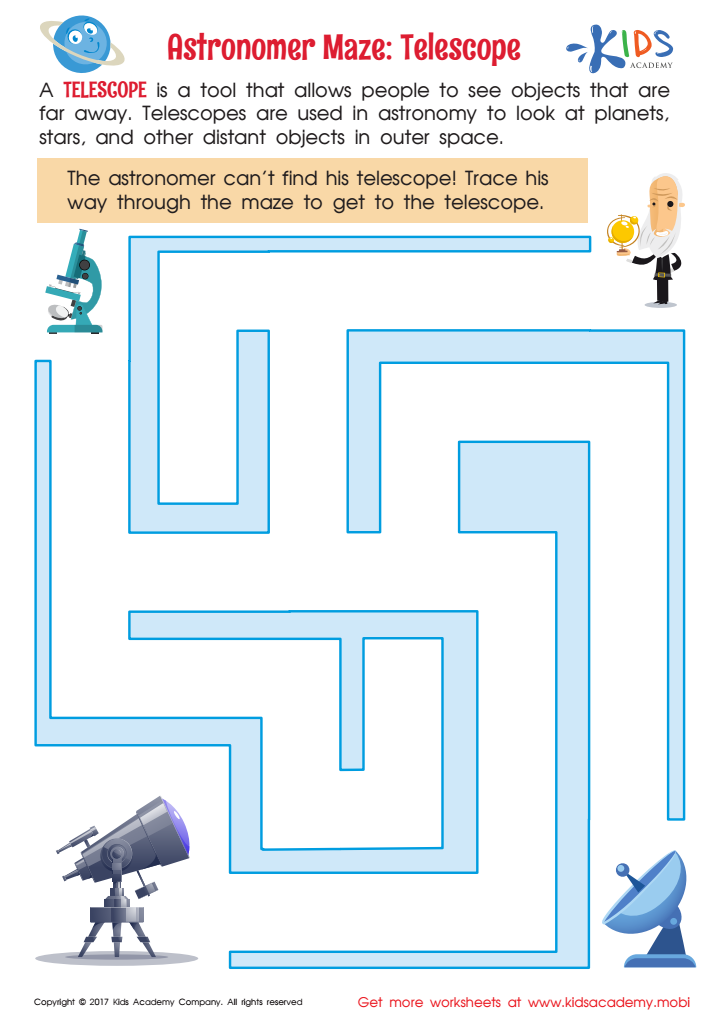
Astronomer Maze: Telescope Worksheet







Understanding directions in normal science is crucial for parents and teachers as it directly impacts a child's cognitive development and real-world problem-solving skills. Normal science involves hands-on activities, experiments, and critical thinking, which are vital in fostering a child's curiosity and understanding of the natural world.
Parents and teachers should care because following directions accurately in science provides a structured approach to learning that reinforces important skills such as observation, measurement, and analysis. For example, when children learn to follow step-by-step instructions for a science experiment, they are practicing attention to detail, concentration, and sequencing, which are essential for academic success across subjects.
Moreover, understanding directions helps in developing motor skills and spatial awareness, particularly in younger children who are still honing fine motor functions. It also instills the values of patience and perseverance, as children learn that scientific discovery often involves trial and error.
Additionally, by engaging in normal science activities, children learn the scientific method, which encourages critical thinking and curiosity-driven exploration. This foundation in science education can inspire future interests in STEM (Science, Technology, Engineering, Mathematics) fields.
Therefore, ensuring children understand and can follow directions in normal science is not just about their current education, but about equipping them with lifelong skills that pave the way for informed, inquisitive, and capable individuals.







