Vocabulary enhancement Normal Physical Science Worksheets
6 filtered results
-
From - To
Discover a treasure of Vocabulary Enhancement Worksheets for Normal Physical Science at Kids Academy! Designed to ignite curiosity and deepen understanding, these printable resources are perfect for young learners. Each engaging worksheet introduces essential scientific vocabulary, enabling students to connect terms with concepts effectively. Use these worksheets to reinforce classroom learning, bolster comprehension, and enhance language skills critical for mastering Physical Science. Ideal for classrooms or home study, our visual aids and interactive activities make learning fun and interactive. Give your students the tools they need to excel in science with our thoughtfully crafted vocabulary enhancement resources today!
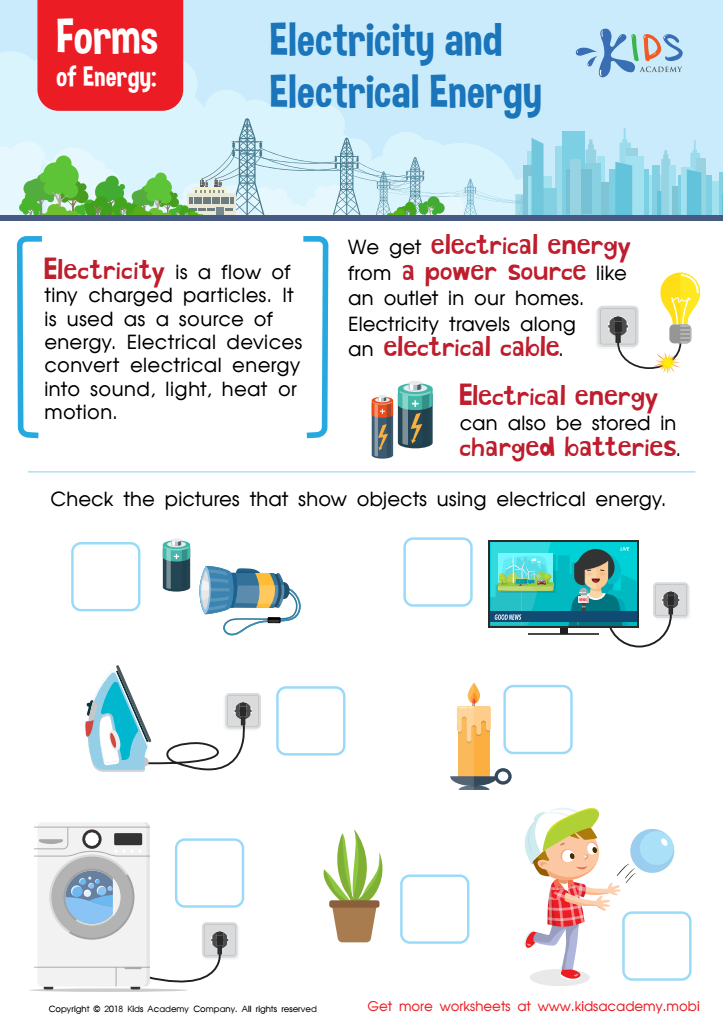
Forms of Energy Worksheet
 Assign to My Students
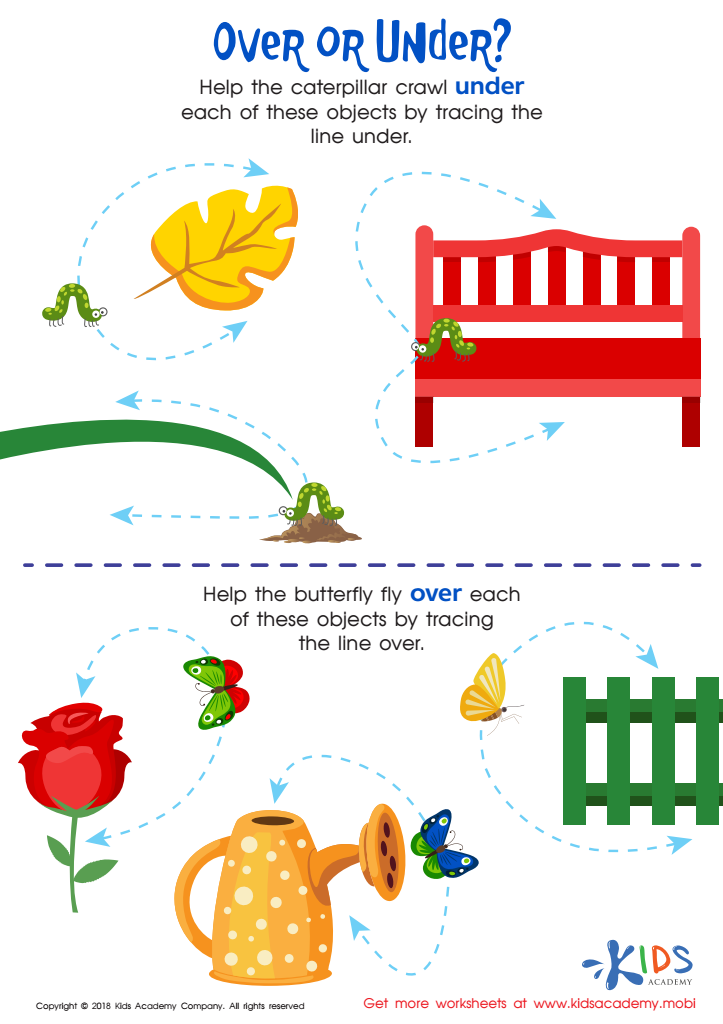
Over or Under? Worksheet
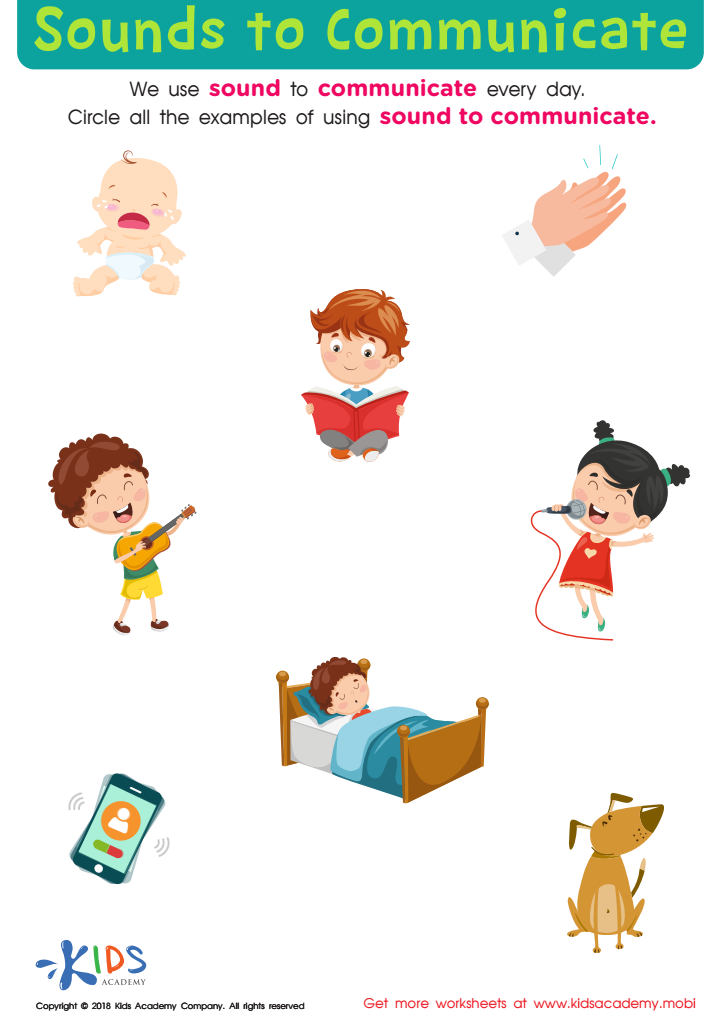
Sounds to Communicate Worksheet
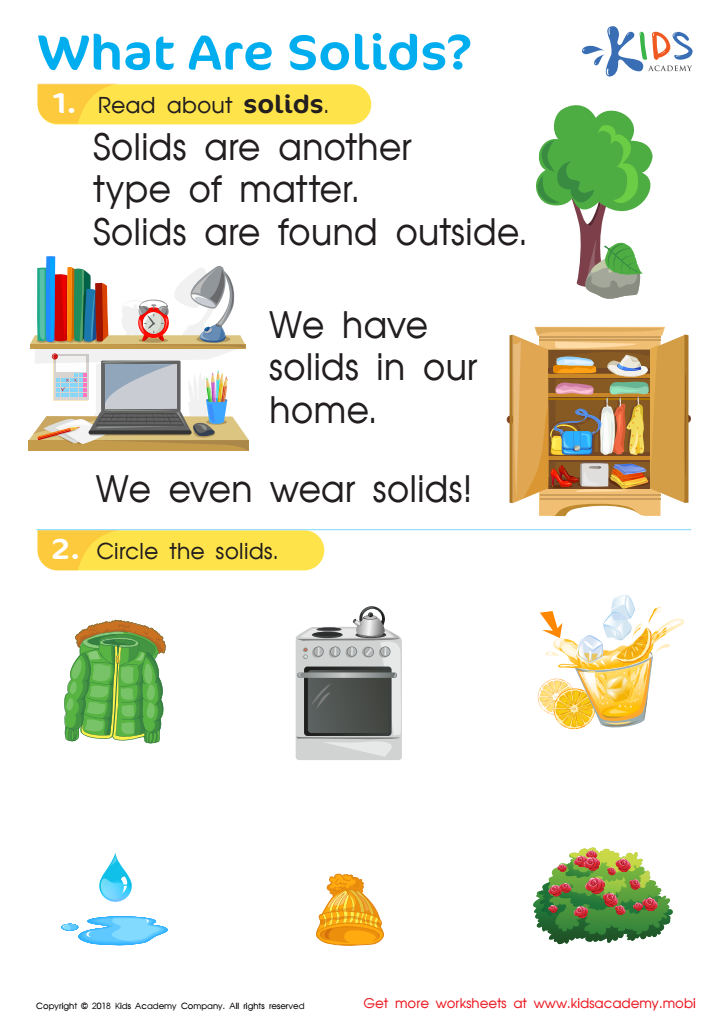
What Are Solids? Worksheet
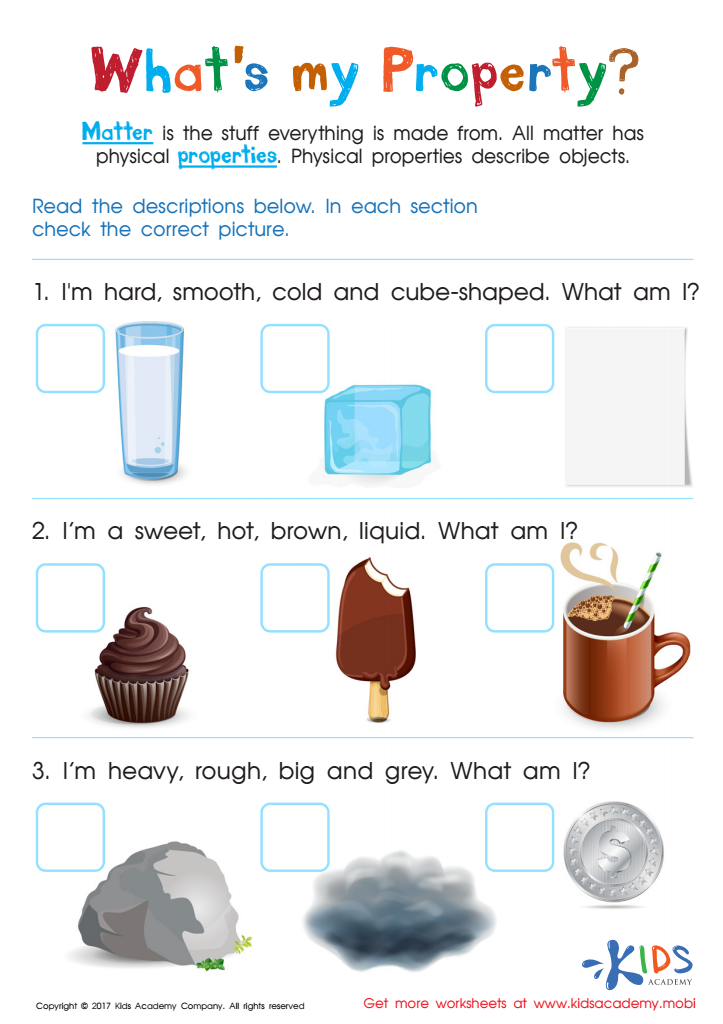
Physical Properties Of Matter Worksheet
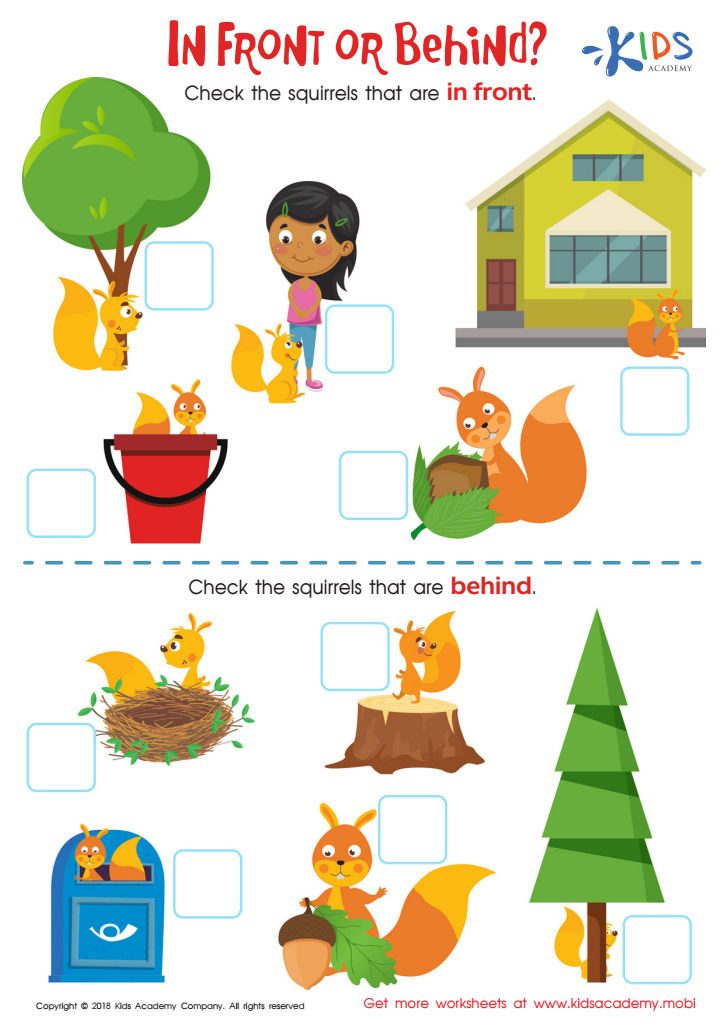
In Front or Behind: Part 2 Worksheet




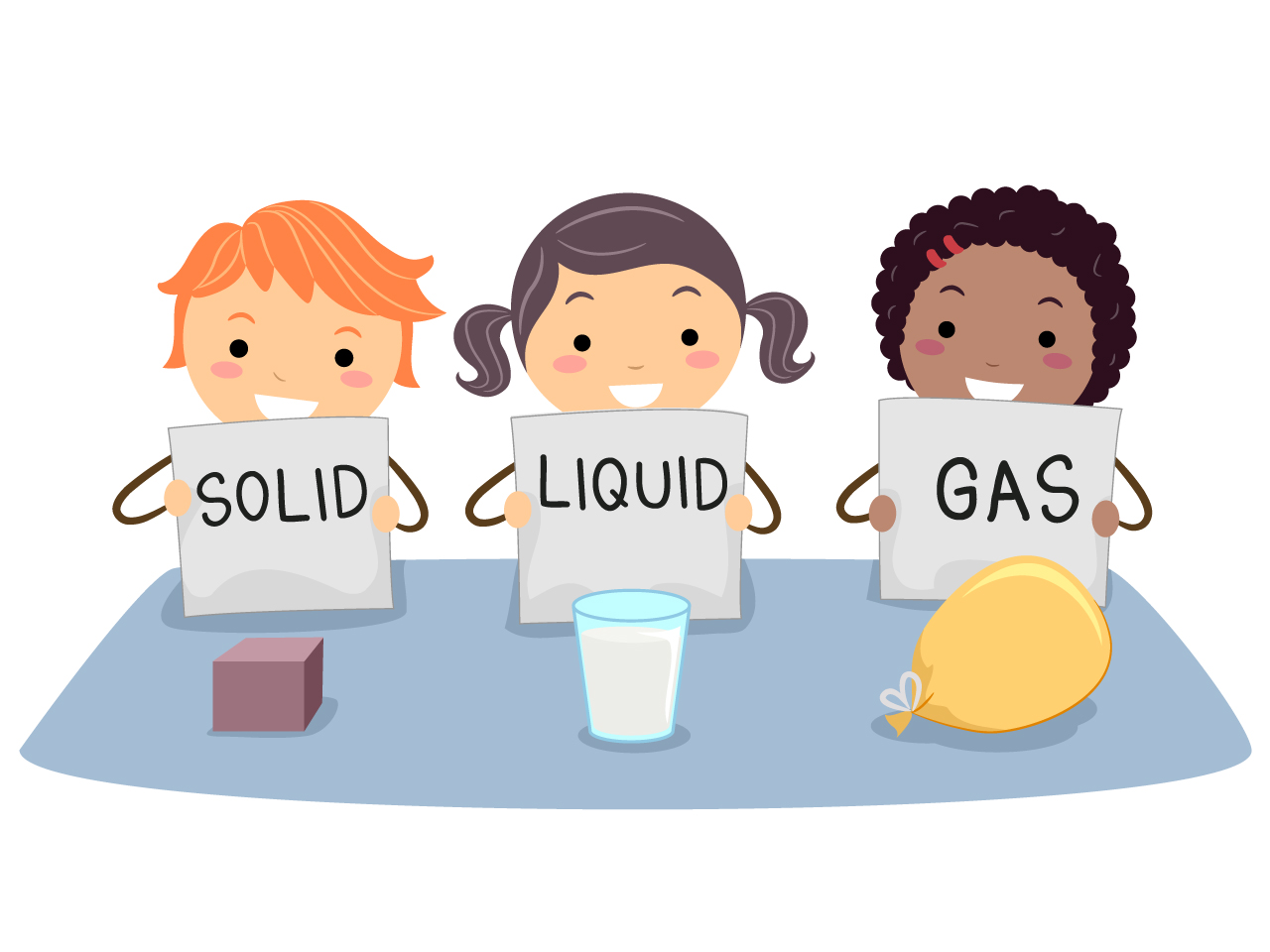


.jpg)
Parents and teachers should prioritize vocabulary enhancement in Normal Physical Science because a strong vocabulary is foundational to students' comprehension and engagement with scientific concepts. In this subject, terminology—such as "matter," "energy," and "forces"—is critical for understanding the principles that govern the physical world. Without a solid grasp of vocabulary, students may struggle to grasp essential ideas and engage in more complex problem-solving.
Additionally, fostering a rich vocabulary cultivates critical thinking skills. Students who can articulate their thoughts and questions are more likely to participate actively in discussions, conduct experiments, and analyze results effectively. This empowerment leads to deeper learning, boosts confidence, and encourages curiosity about the natural world.
Moreover, a well-developed vocabulary is tied to academic success across disciplines. As students progress in their education, complex scientific language will increasingly integrate into their studies, making early vocabulary enhancement a crucial stepping stone.
Ultimately, both parents and teachers share the responsibility to create an environment where scientific vocabulary is expanded and celebrated. By doing so, they equip students with the tools necessary to thrive academically and nurture a lifelong interest in science. This proactive approach sets the stage for future scientific literacy and innovation.







