Motor skills development Normal Grade 2 ABC Letters Worksheets
3 filtered results
-
From - To
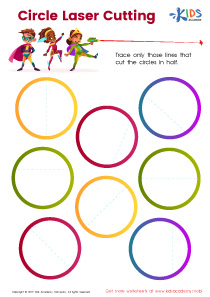
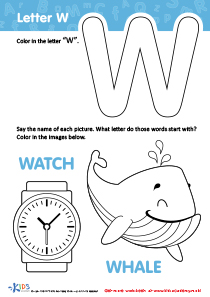
Our "Motor Skills Development Normal Grade 2 ABC Letters Worksheets" are designed to enhance your child's fine motor skills through engaging and educational activities. Ideal for second graders, these worksheets focus on alphabet letters and are carefully crafted to support handwriting practice, letter recognition, and proper letter formation. By tracing, writing, and completing exercises, children will improve their pencil control and precision. Perfect for both classroom and home use, our worksheets offer a fun and effective way to develop essential motor skills while reinforcing foundational language abilities. Empower your child's learning journey with our expertly designed motor skills development tools!
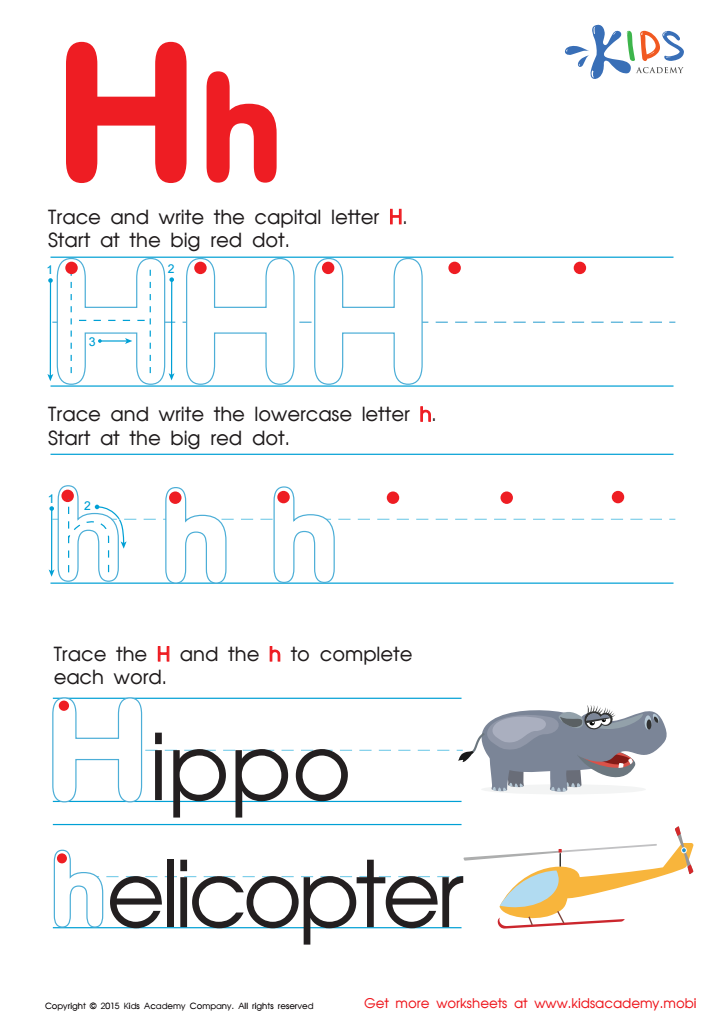
Letter H Tracing Page
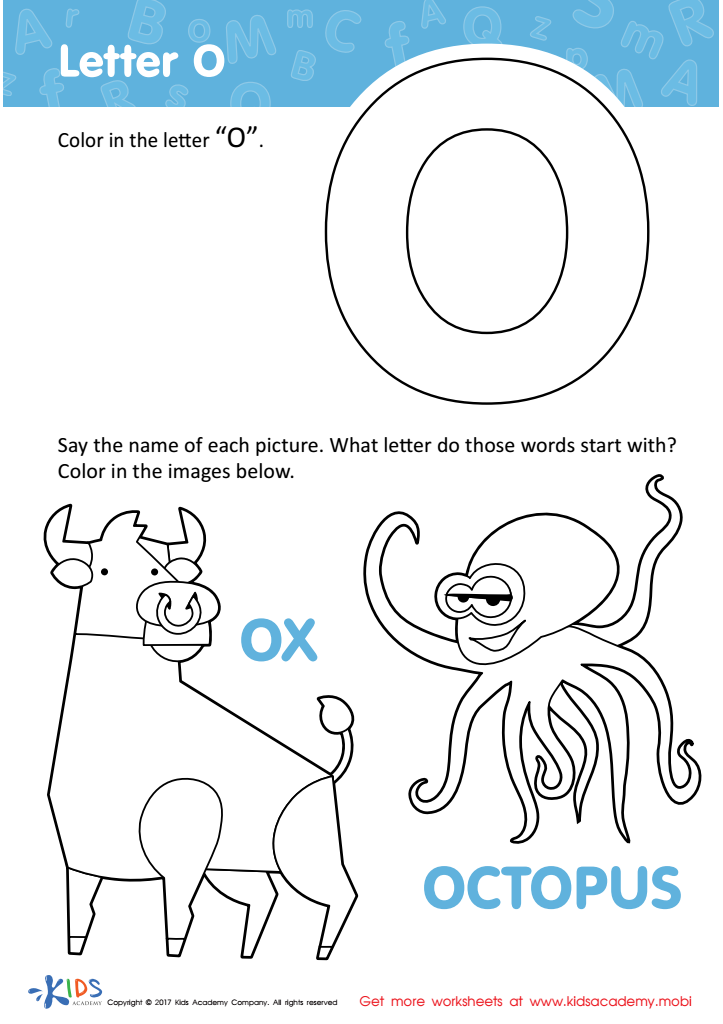
Letter O Coloring Sheet
 Assign to My Students
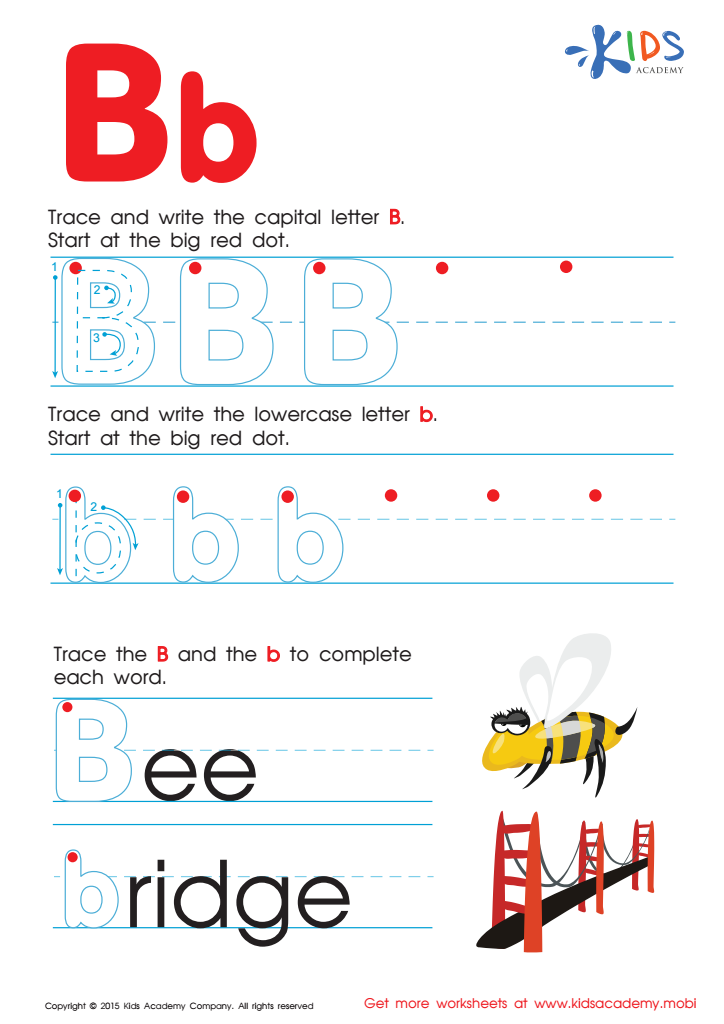
Letter B Tracing Page



Parents and teachers should prioritize motor skills development alongside teaching Grade 2 ABC letters because it forms a crucial foundation for overall learning and growth. Fine motor skills, like gripping a pencil or cutting with scissors, help children write letters neatly and with ease, fostering a positive attitude toward writing. This connection enhances their competence in forming legible ABCs, building confidence and enthusiasm for learning.
Motor skills development also positively impact cognitive and social skills. Engaging in activities that develop these skills activates brain regions associated with attention, memory, and reasoning, which are essential for academic success. For instance, drawing or tracing letters can simultaneously reinforce letter identification and motor control. Activities such as playing with building blocks or threading beads enhance spatial awareness and focus, critical for reading and problem-solving.
Furthermore, fine motor exercises contribute to independence and daily functionality, like buttoning a shirt or tying shoelaces, promoting self-sufficiency and self-esteem. School environments that balance literacy instruction with motor skills development create well-rounded learners who excel physically, cognitively, and emotionally. Therefore, integrating these areas supports a holistic educational approach, ensuring children are prepared for future academic challenges and everyday tasks.