Motor skills development Normal Grade 2 Letter Recognition Worksheets
3 filtered results
-
From - To
Enhance your Grade 2 student’s motor skills and letter recognition with our engaging worksheets! Designed specifically for young learners, these resources combine fun activities that promote fine motor development alongside essential alphabet recognition. Children will enjoy tracing, coloring, and identifying letters, helping them build confidence in their writing and reading abilities. Our worksheets cater to different learning styles, making them perfect for both classroom use and home education. Watch as your child hones their skills while enjoying a supportive and interactive learning environment. Explore our collection to support your child's literacy journey today!

Letter H Tracing Page
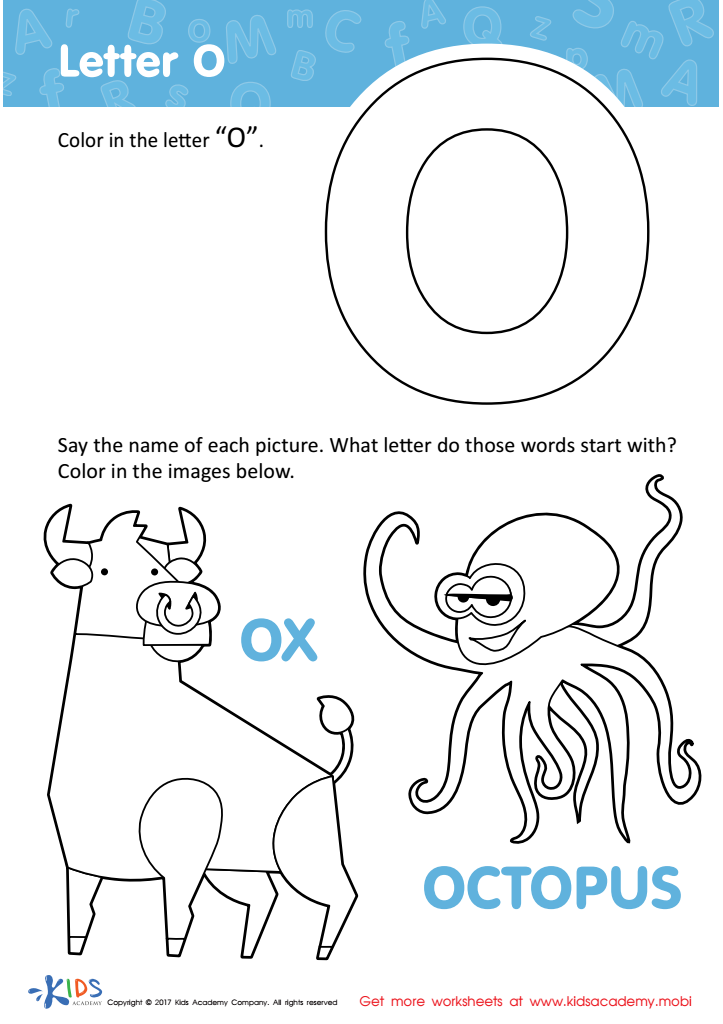
Letter O Coloring Sheet
 Assign to My Students
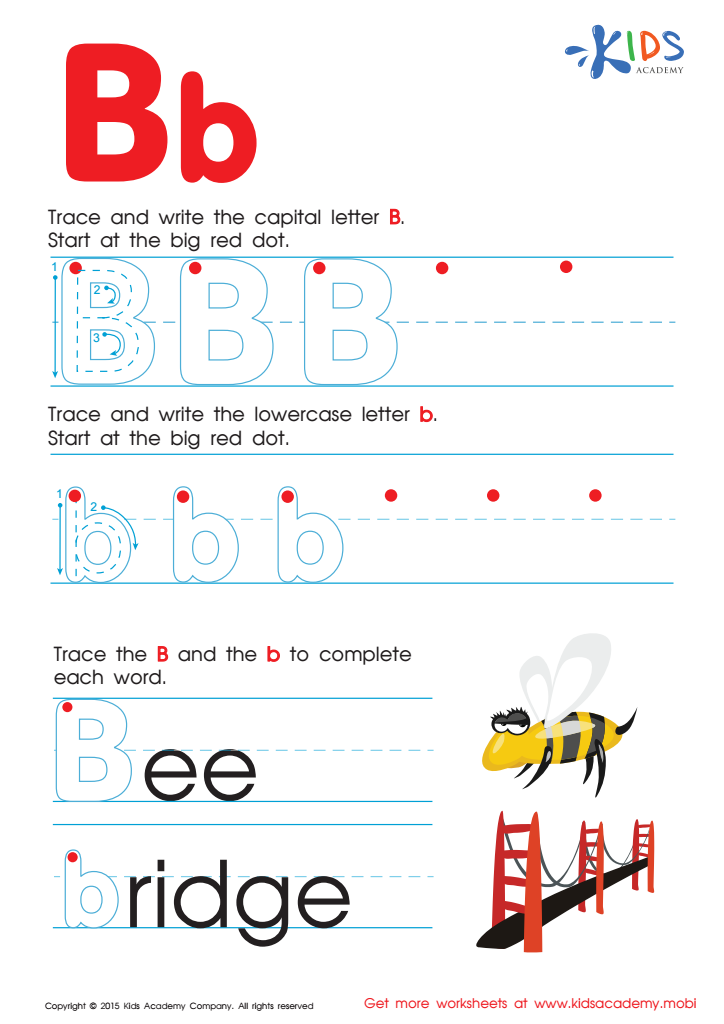
Letter B Tracing Page




Motor skills development is a crucial aspect of a child's overall growth, especially in Grade 2, where letter recognition becomes fundamental to literacy. Parents and teachers should care because strong motor skills directly impact a child’s ability to write, manipulate tools, and interact with their environment, which are paramount for successful learning.
In Grade 2, children are expected to recognize and manipulate letters effectively. Good motor skills—both fine (small movements like writing) and gross (larger movements like walking or running)—facilitate this recognition. Developing fine motor skills helps children hold pencils correctly, which is essential for writing letters legibly. When children struggle with these skills, they may also experience frustration, leading to decreased motivation and confidence in their learning abilities.
Moreover, motor skill development underpins broader cognitive and social skills. Activities that enhance motor skills can promote teamwork, problem-solving, and perseverance. As children engage in letter recognition activities—such as tracing letters, drawing alphabet shapes, or even digital applications—they boost their cognitive abilities while refining their motor skills.
In conclusion, focusing on motor skills development not only aids in letter recognition but also fosters a well-rounded educational experience, encouraging a child's love for learning and aiding in their developmental success.