Alphabet Recognition Normal Grade 2 Tracing Letters Worksheets
9 filtered results
-
From - To
Boost your second grader's alphabet mastery with our "Alphabet Recognition Normal Grade 2 Tracing Letters Worksheets." Designed to enhance literacy skills, these engaging worksheets help kids recognize, trace, and write each letter with precision. Perfect for at-home practice or classroom enrichment, they will reinforce foundational language skills, encourage proper letter formation, and build confidence in young learners. Available in an easy-to-download PDF format, these worksheets provide an interactive and effective way to support your child's journey toward reading and writing success. Enhance your child's alphabet learning experience today with our expertly crafted tracing letters worksheets!
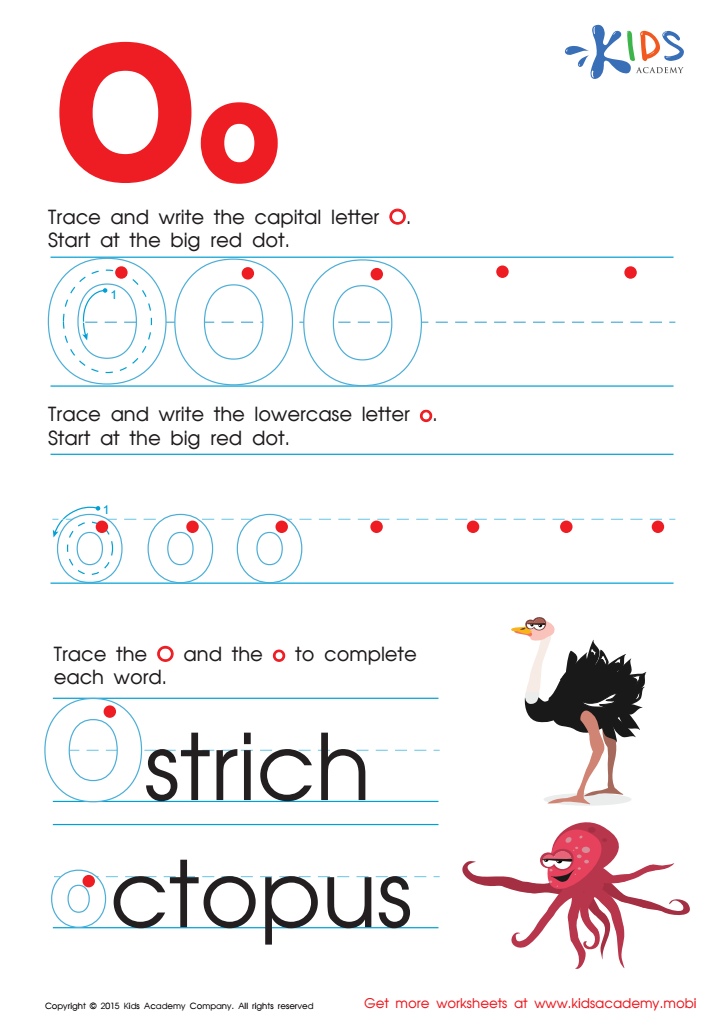
Letter O Tracing Page
 Assign to My Students
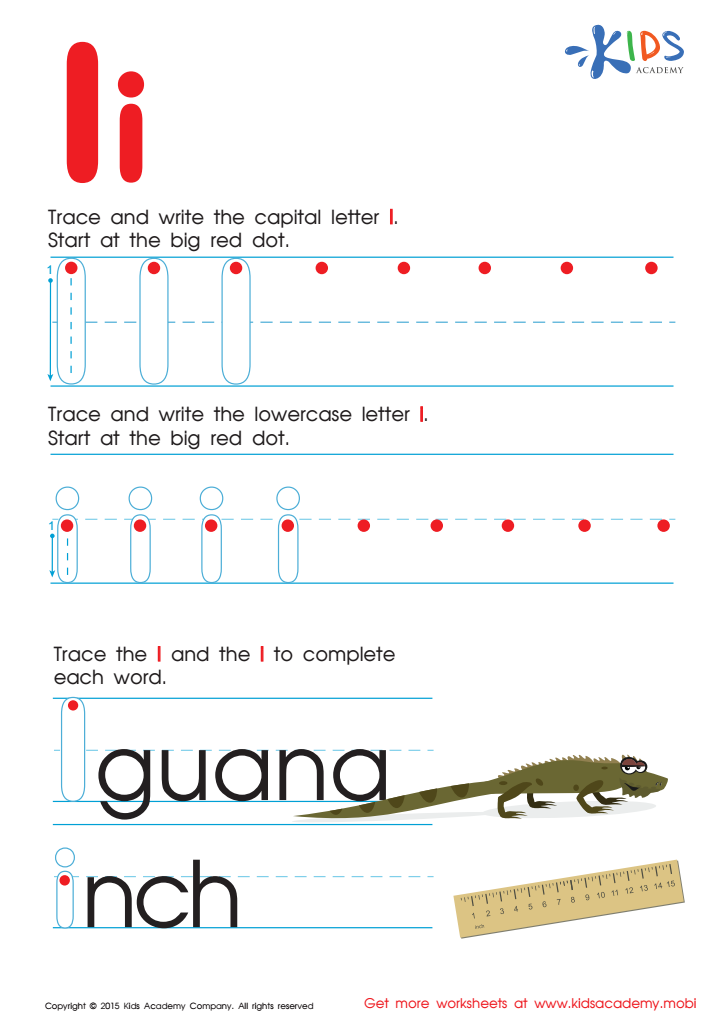
Letter I Tracing Page
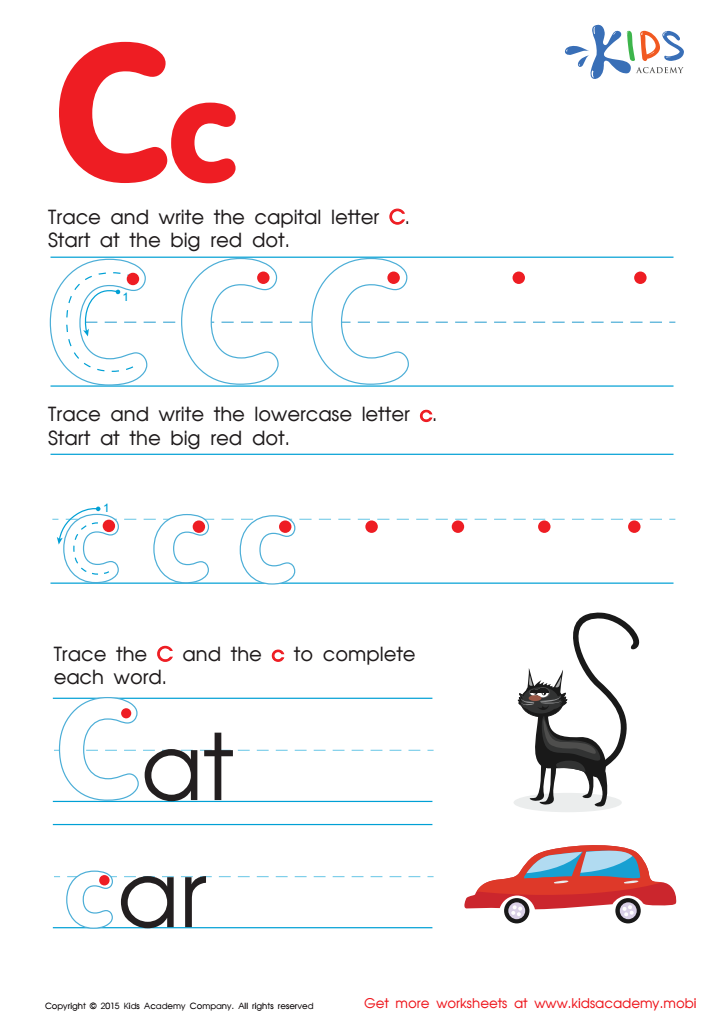
Letter C Tracing Page
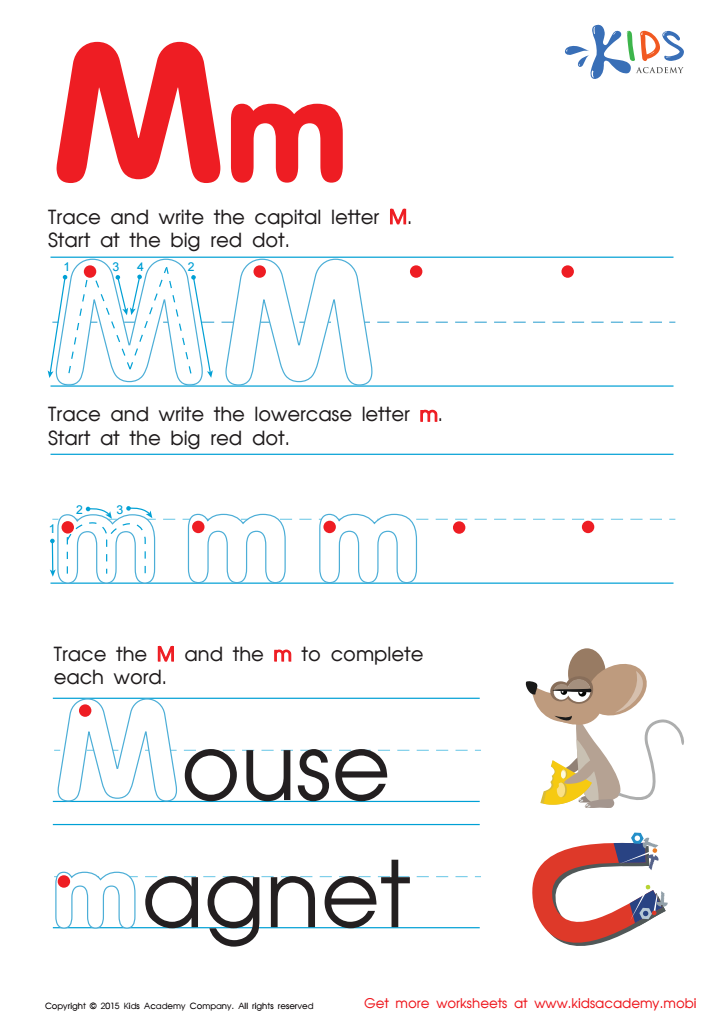
Letter M Tracing Page
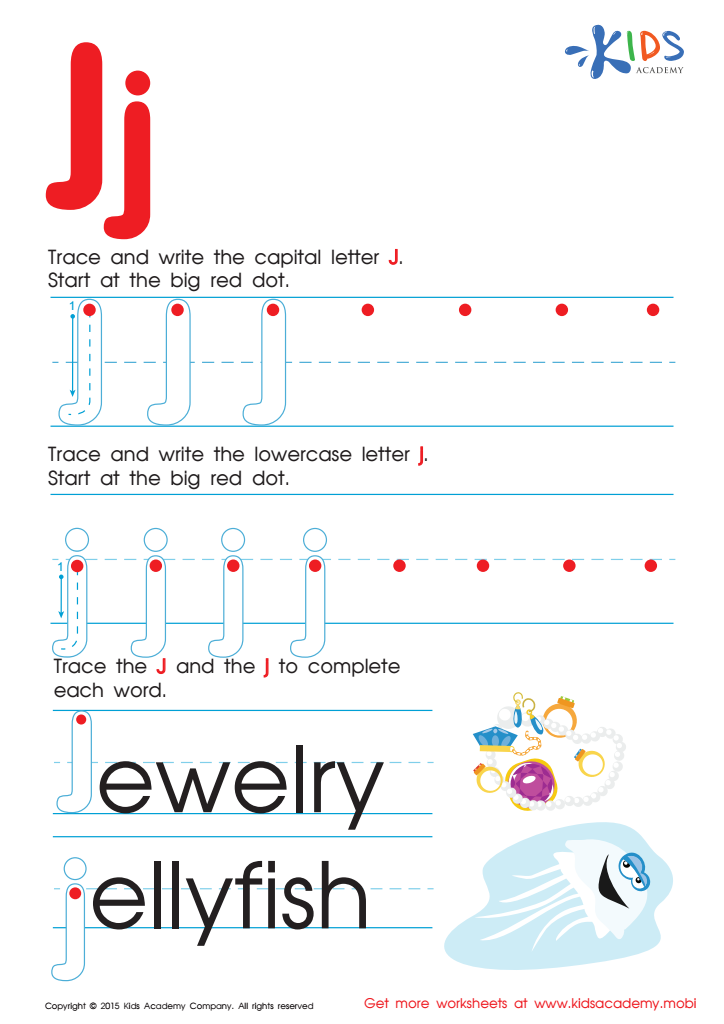
Letter J Tracing Page
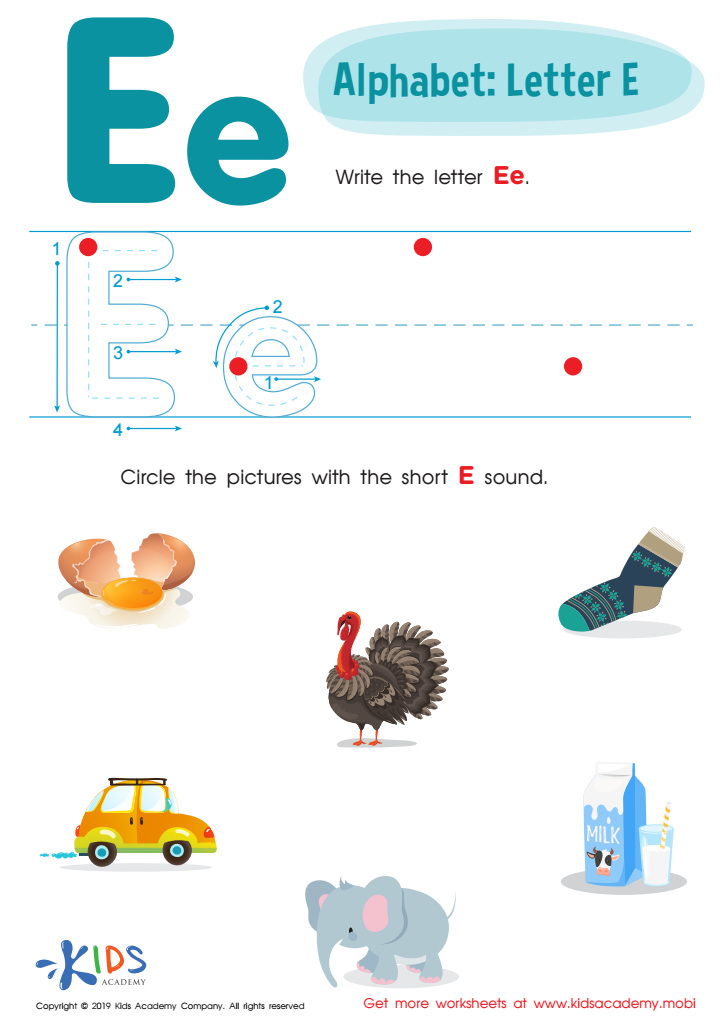
Letter E Tracing Worksheet
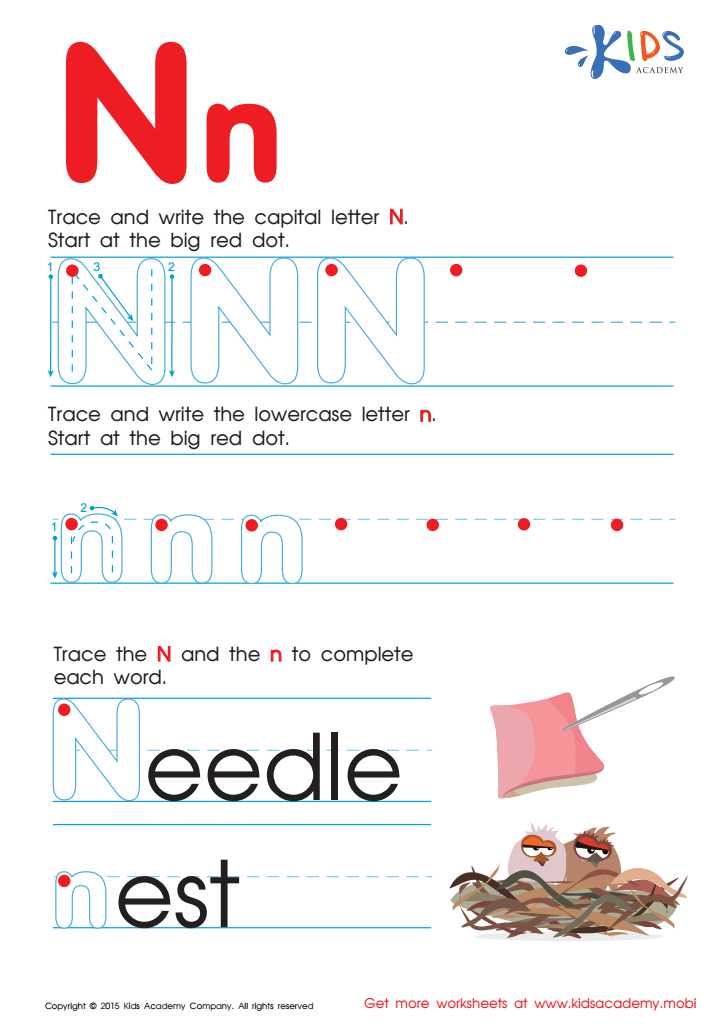
Letter N Tracing Page
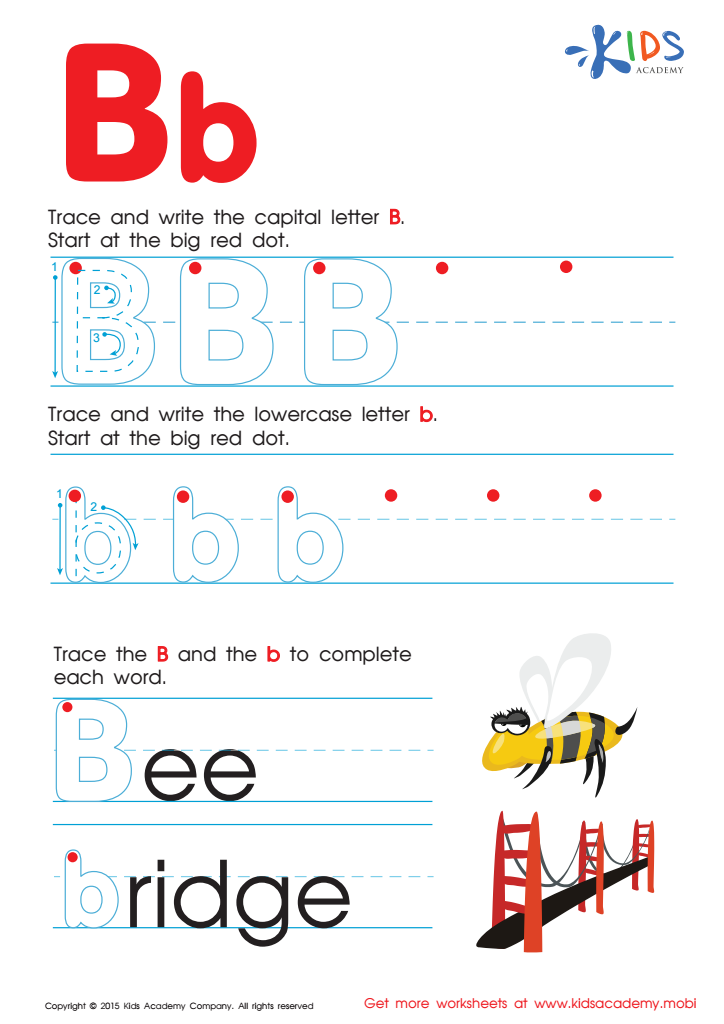
Letter B Tracing Page
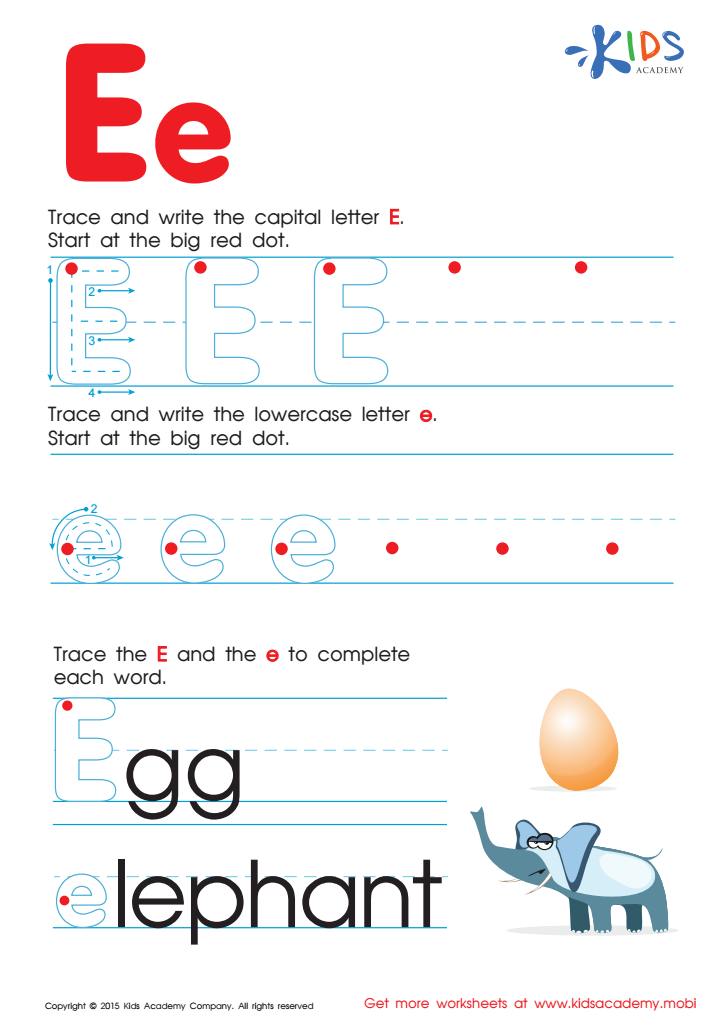
Letter E Tracing Page




Parents and teachers should prioritize Alphabet Recognition Normal Grade 2 Tracing Letters because it lays a critical foundation for children's literacy development. At this stage, children transition from emergent literacy skills, where they understand concepts about print and develop phonemic awareness, to fluent reading and writing.
Mastering alphabet recognition is essential because it lowers cognitive load, enabling children to focus on higher-order skills such as comprehension. When children can identify and reproduce letters automatically and accurately, it speeds up their decoding skills, making it easier to understand new words and sentences. This proficiency is crucial for academic success as it underpins all future learning—numerous studies show that early literacy skills predict later reading achievement.
Moreover, Tracing Letters combines visual, auditory, and kinesthetic learning pathways, helping children to consolidate alphabet knowledge. This multisensory approach aids retention and immediate application of knowledge, boosting both the confidence and motivation to learn. It also aids the development of fine motor skills by refining children’s hand movements, coordination, and muscle memory.
Therefore, investing time in Alphabet Recognition and Tracing Letters by Grade 2 ensures that children solidify foundational skills, become confident readers and writers, and embark on an enriching academic journey prepared to tackle more advanced literacy challenges.