Motor skills development Normal Grade 2 English for Beginners Worksheets
3 filtered results
-
From - To
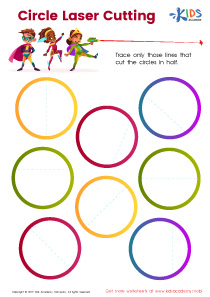
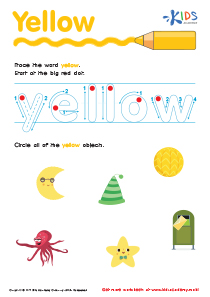
Our "Motor Skills Development" Grade 2 English for Beginners worksheets seamlessly blend fun and learning to help young students hone their fine motor skills. These expertly crafted activities encourage children to practice writing, cutting, coloring, and other tasks essential for motor development. Each worksheet is designed to enhance coordination and dexterity, preparing kids for more complex tasks. Perfect for English Language Learners, our engaging exercises improve language skills, all while building a solid foundation in fine motor abilities. Make learning a delightful experience with these vibrant, educational, and developmentally-appropriate worksheets!

Letter H Tracing Page
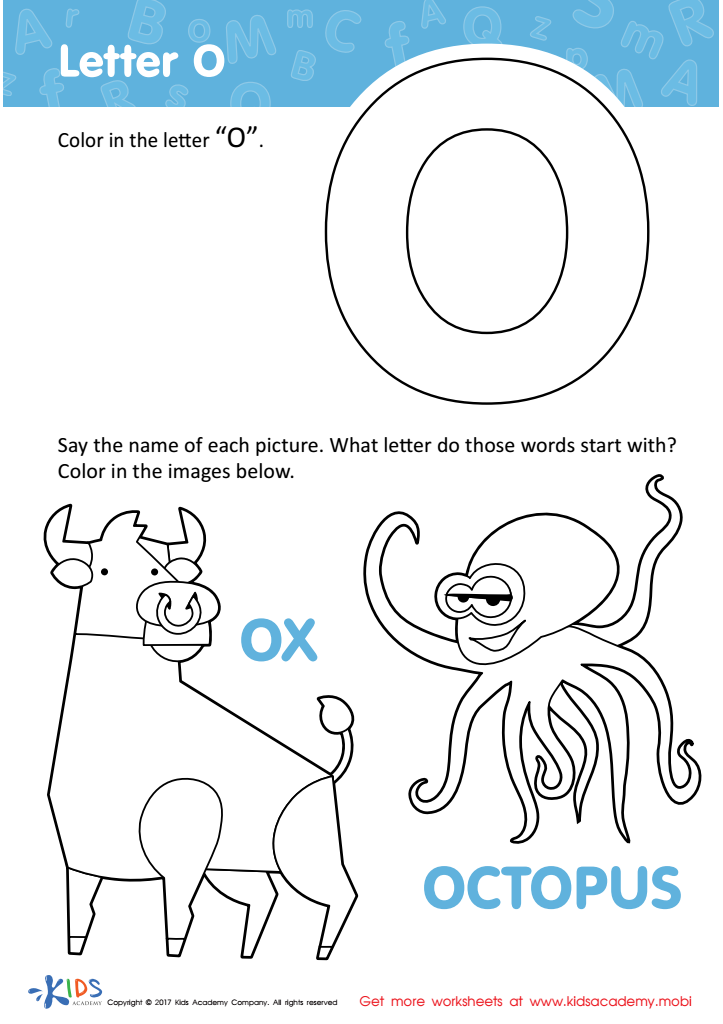
Letter O Coloring Sheet
 Assign to My Students
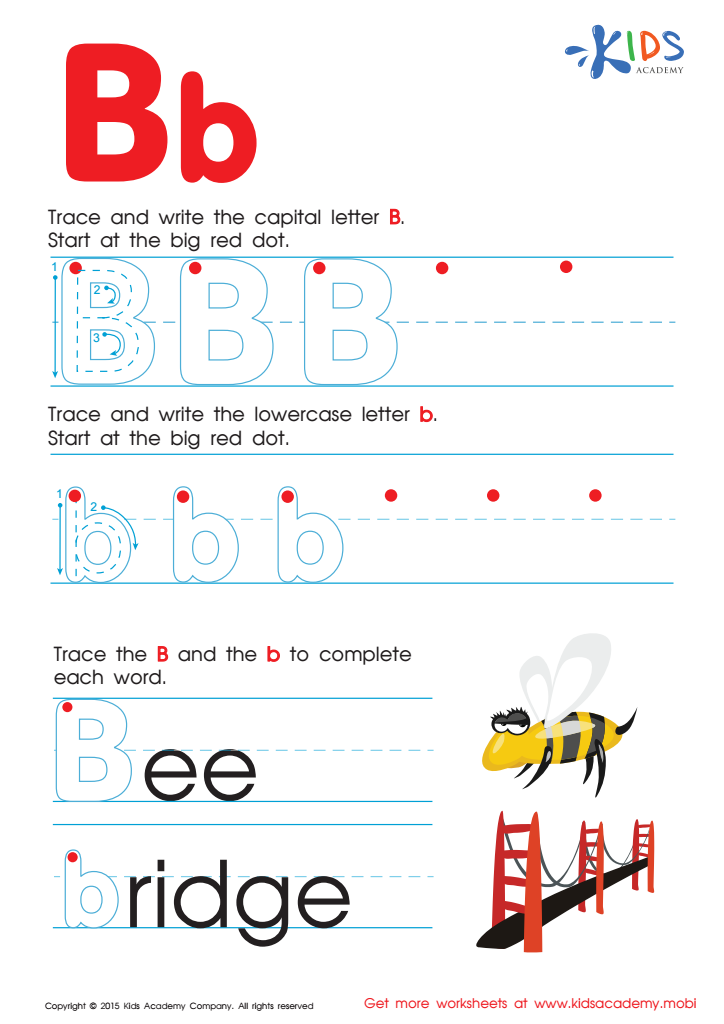
Letter B Tracing Page


Motor skills development in Grade 2 students is crucial, forming the backbone of many aspects of a child's growth. At this stage, both fine and gross motor skills are refined, impacting academic achievement and overall well-being. When children develop good motor skills, they improve their ability to perform daily tasks effectively, such as writing, cutting with scissors, or participating in sports. These abilities enhance their classroom performance, leading to better concentration, coordination, and overall academic success.
Moreover, well-developed motor skills are essential for fostering self-confidence and independence. Children who can move, control, and use their bodies with ease are more likely to participate in school activities and social interactions. This engagement is important for emotional and social development, forming friendships and partnerships critical for social skills.
Parents and teachers play an essential role by creating an environment rich in opportunities for children to practice and enhance these motor skills. Simple activities like drawing, playing catch, or using building blocks can be both fun and educational. By focusing on motor skills, parents and teachers contribute to a well-rounded development, helping children become healthy, happy, and capable individuals.