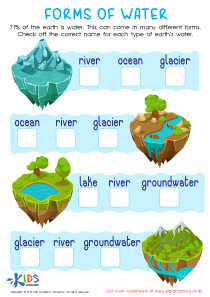
Alphabet Learning Normal Grade 2 Worksheets
3 filtered results
-
From - To
Unlock the doors to literacy success with our Alphabet Learning Grade 2 Worksheets! Designed to build foundational skills, these printable resources help second graders master the alphabet through engaging activities. Each worksheet blends fun with education, targeting letter recognition, vocabulary expansion, and handwriting practice. Interactive exercises like matching, tracing, and sorting letters not only enhance learning but also make it enjoyable. These worksheets cater to various learning styles, ensuring every child grasps essential alphabet concepts. Equip your classroom or homeschool setup with our high-quality, teacher-endorsed worksheets and watch your students’ confidence and proficiency soar!
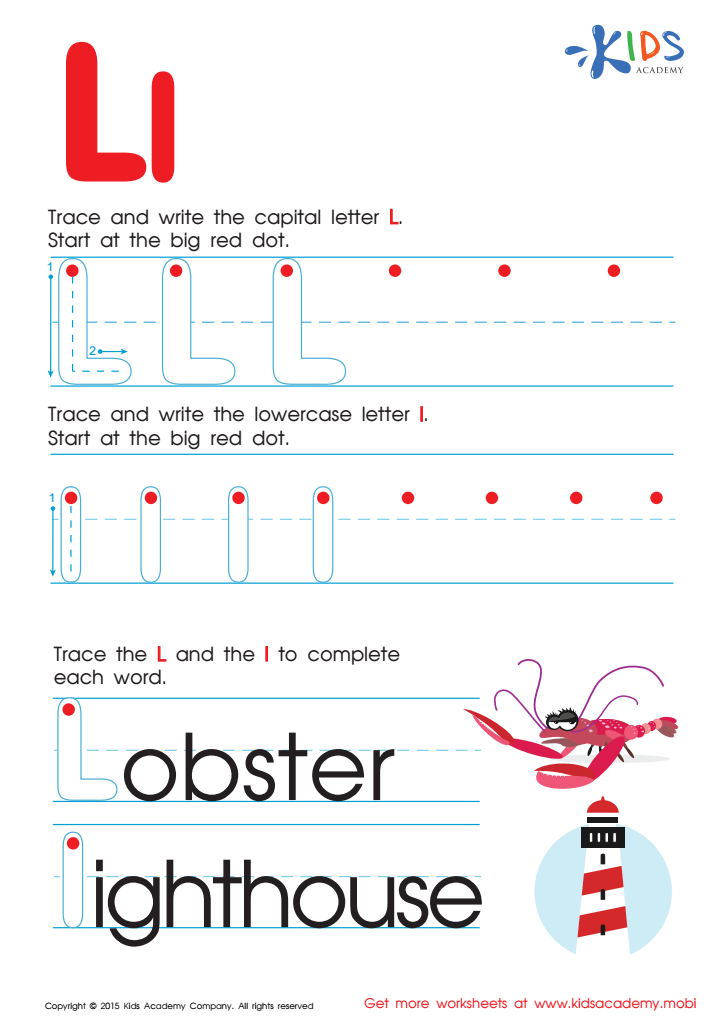
Letter L Tracing Page
 Assign to My Students
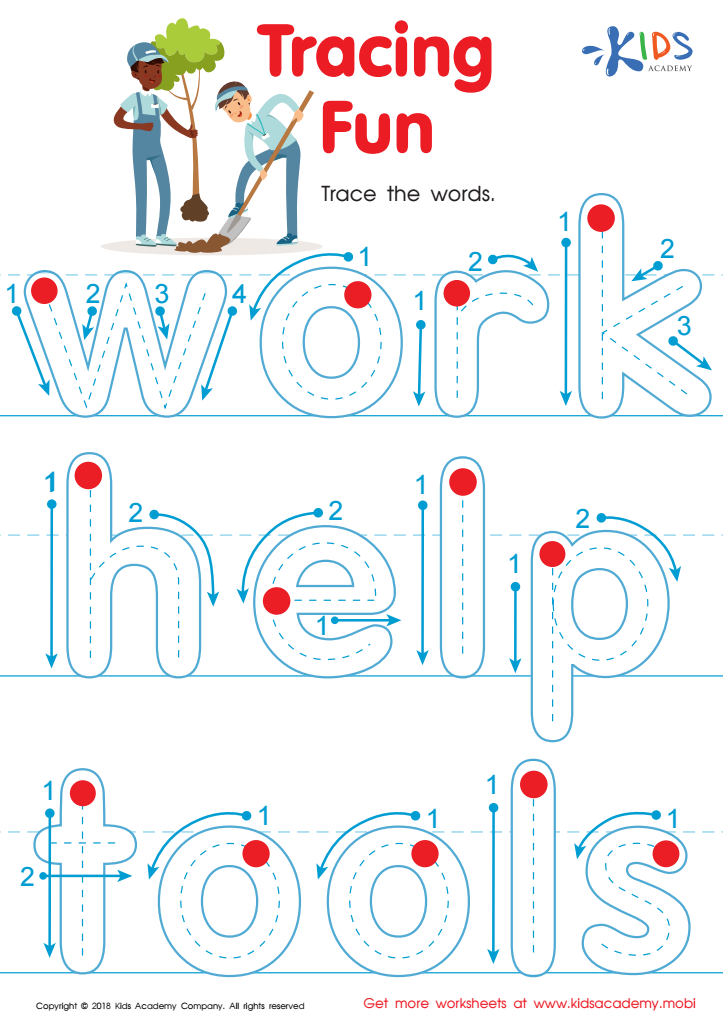
Tracing Fun Worksheet
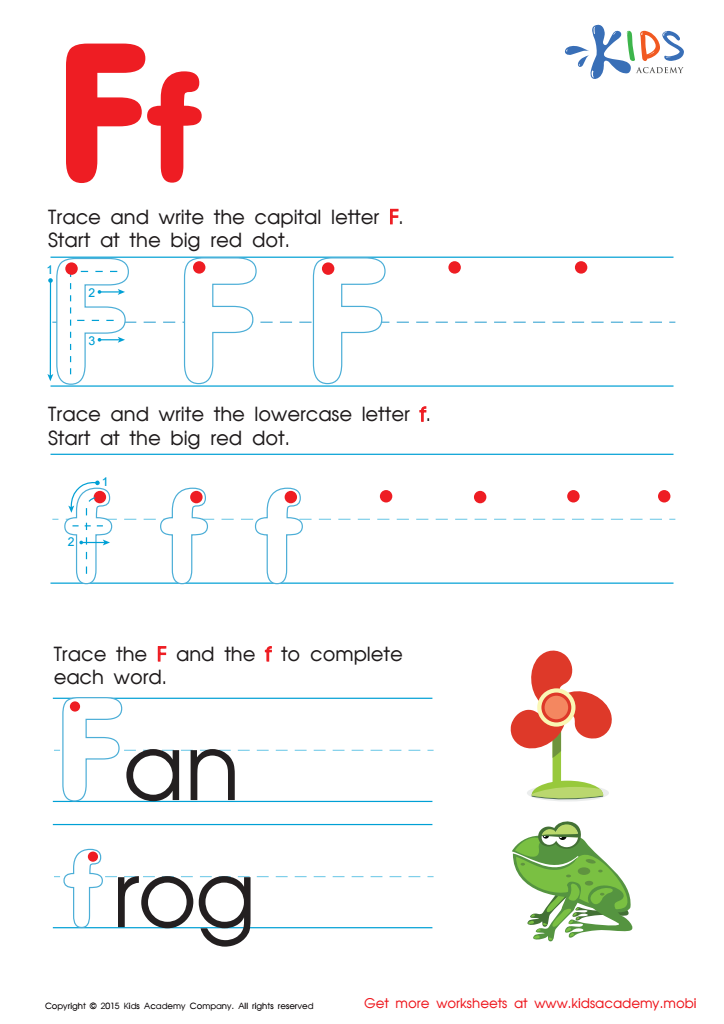
Letter F Tracing Page





Alphabet learning in Grade 2 is important for children's literacy development. At this age, many students progress from recognizing and naming letters to understanding their sounds, forming basic words, and starting to read simple texts. This foundational skill set is crucial for several reasons.
Firstly, alphabet knowledge is critical for phonemic awareness, which is the ability to hear, identify, and manipulate individual sounds in spoken words. Without an understanding of letter-sound relationships, children may struggle with decoding words, a fundamental reading skill.
Secondly, strong alphabet learning supports vocabulary development. As children become more proficient readers, they encounter and learn new words, which enhances their language skills and communication abilities. This early literacy also lays the groundwork for future academic success by enabling children to understand and engage with increasingly complex material as they progress through school.
Teachers and parents play an essential role in this developmental stage by creating a supportive learning environment. For example, engaging activities that make learning fun, such as alphabet games or sing-alongs, can enhance letter recognition and enjoyment in learning.
In conclusion, focusing on alphabet learning in Grade 2 builds a critical foundation for children's phonemic awareness, vocabulary, and reading skills, setting the stage for successful learning experiences in the future.