Writing practice Normal Grade 3 Alphabet Worksheets
4 filtered results
-
From - To
Enhance your Grade 3 students' writing skills with our engaging Alphabet Worksheets designed specifically for writing practice. These printable resources offer a fun and interactive way for children to master letter formation, improve handwriting, and develop essential writing abilities. Each worksheet focuses on different letters and sounds to strengthen recognition and fluency. With appealing illustrations and structured activities, students will enjoy practicing their handwriting while building confidence. Ideal for classroom use or at-home learning, our Alphabet Worksheets are a valuable tool for any third-grade curriculum. Unlock your child's potential in writing with our thoughtfully designed materials!
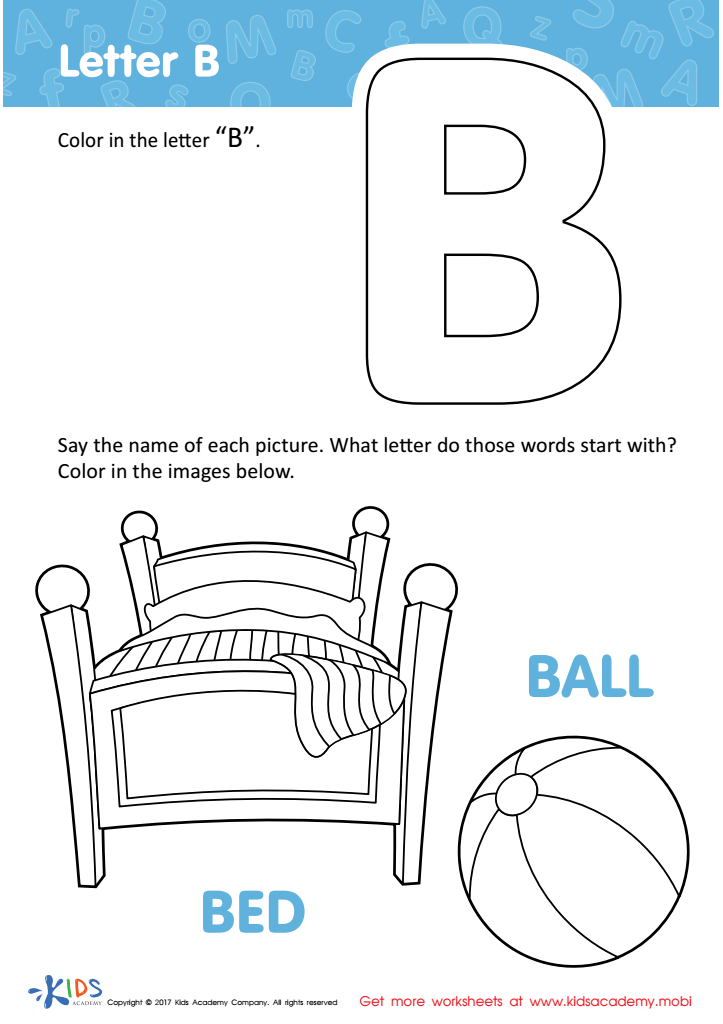
Letter B Coloring Sheet
 Assign to My Students
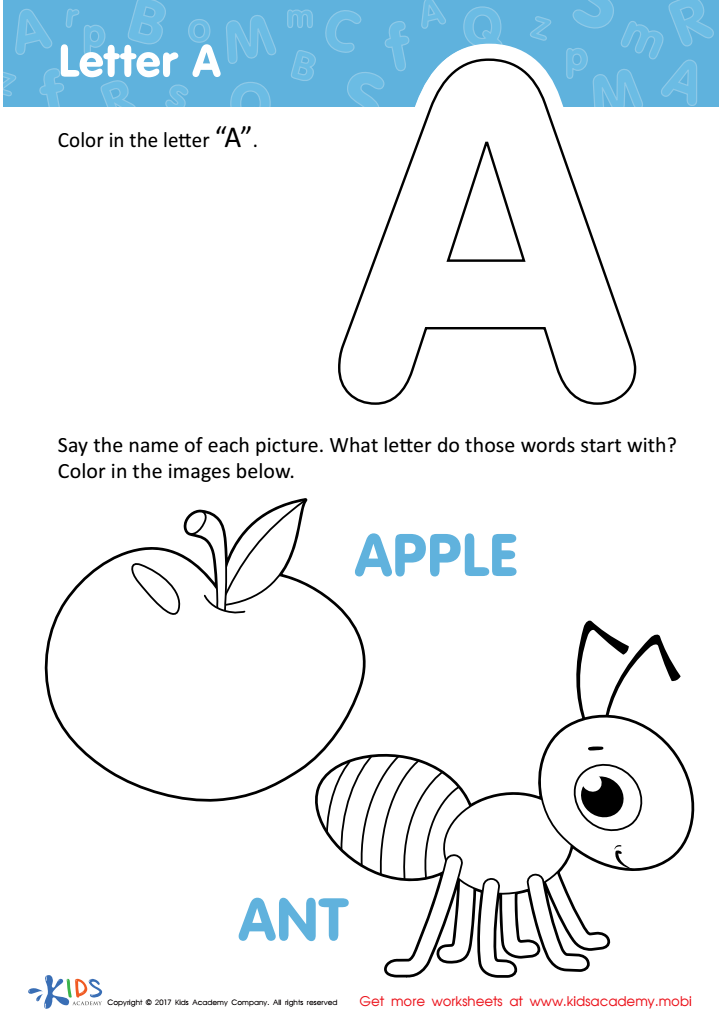
Letter A Coloring Sheet
Assign to My Students
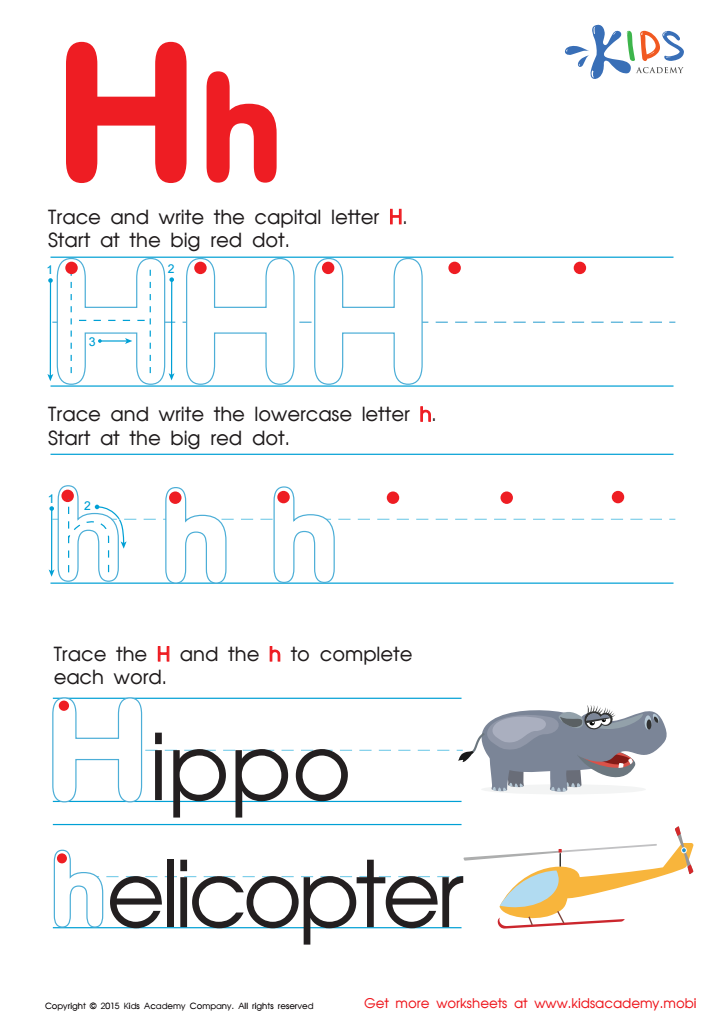
Letter H Tracing Page
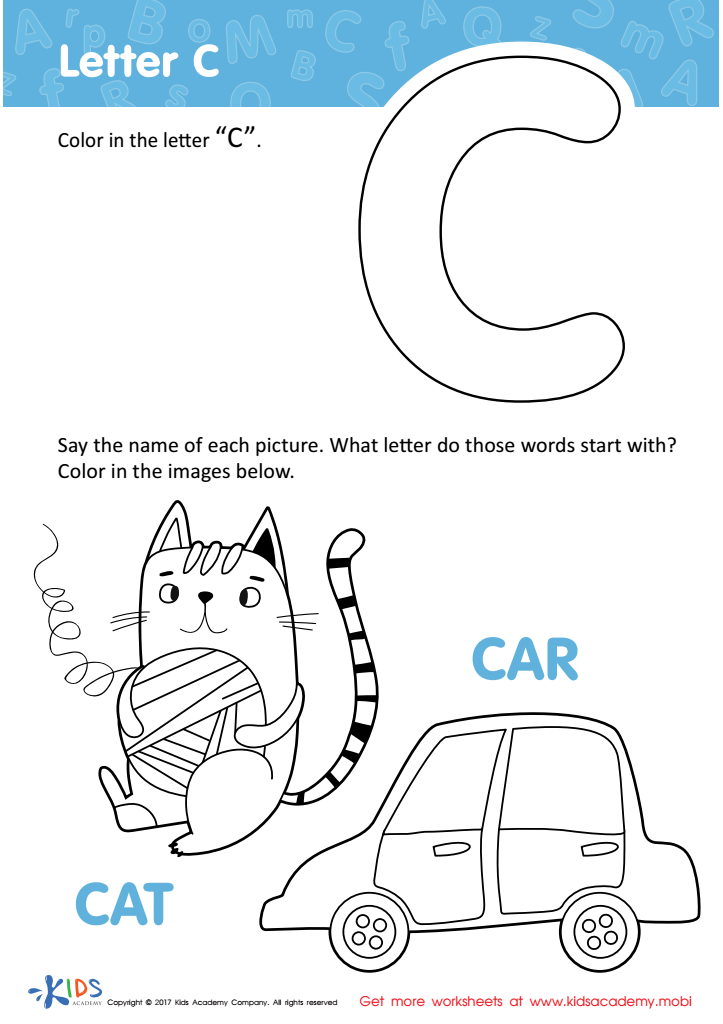
Letter C Coloring Sheet
Assign to My Students








Writing practice is fundamental for Grade 3 students as it serves as a bridge to more advanced literacy skills. At this stage, children are transitioning from learning basic writing mechanics to expressing their thoughts and ideas in written form. This is where their understanding of the alphabet plays a crucial role. Proficient letter formation and recognition enhance their ability to communicate effectively.
First, practicing normal Grade 3 alphabet improves fine motor skills, which are essential for writing fluently. As children master letter shapes, they become more confident in tackling longer texts and developing structured paragraphs.
Second, writing practice complements reading skills. Children who are engaged in writing exercises are also strengthening their phonic skills and expanding their vocabulary. This interplay boosts their overall literacy development.
Lastly, writing fosters creativity and critical thinking. By providing opportunities for self-expression, children learn to articulate their thoughts clearly, which is vital for academic success.
Parents and teachers should prioritize writing practice in Grade 3 to ensure children are not only adept at the mechanics of writing but also comfortable engaging in meaningful communication. These skills prepare them for higher academic expectations and lifelong learning.