Handwriting Skills Normal Grade 3 Letter Recognition Worksheets
5 filtered results
-
From - To
Enhance your third grader's handwriting skills with our specialized Letter Recognition Worksheets designed for 3rd grade students. These engaging printables focus on improving letter formation and recognition, ensuring young learners master both uppercase and lowercase letters effectively. Each worksheet provides a fun and interactive method for practicing stroke patterns, enhancing fine motor skills, and building confidence in their writing abilities. Perfect for classroom use or at-home practice, these resources promote literacy development while making learning enjoyable. Help your child become a proficient writer with our carefully crafted handwriting worksheets, perfect for fostering a love of letters and writing in every child!
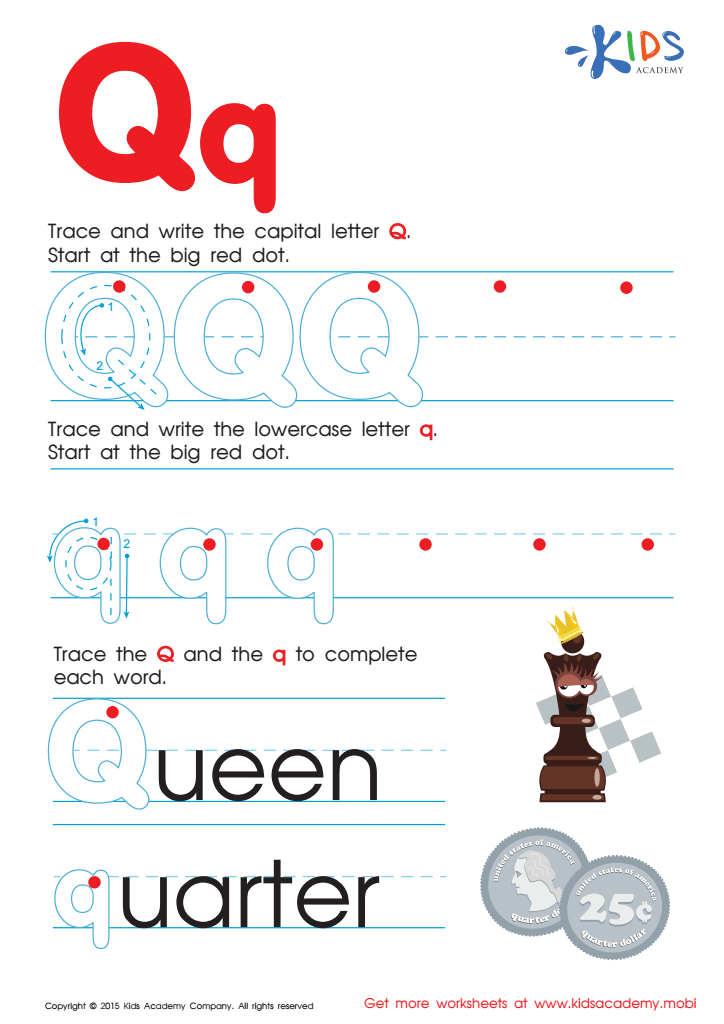
Letter Q Tracing Page
 Assign to My Students
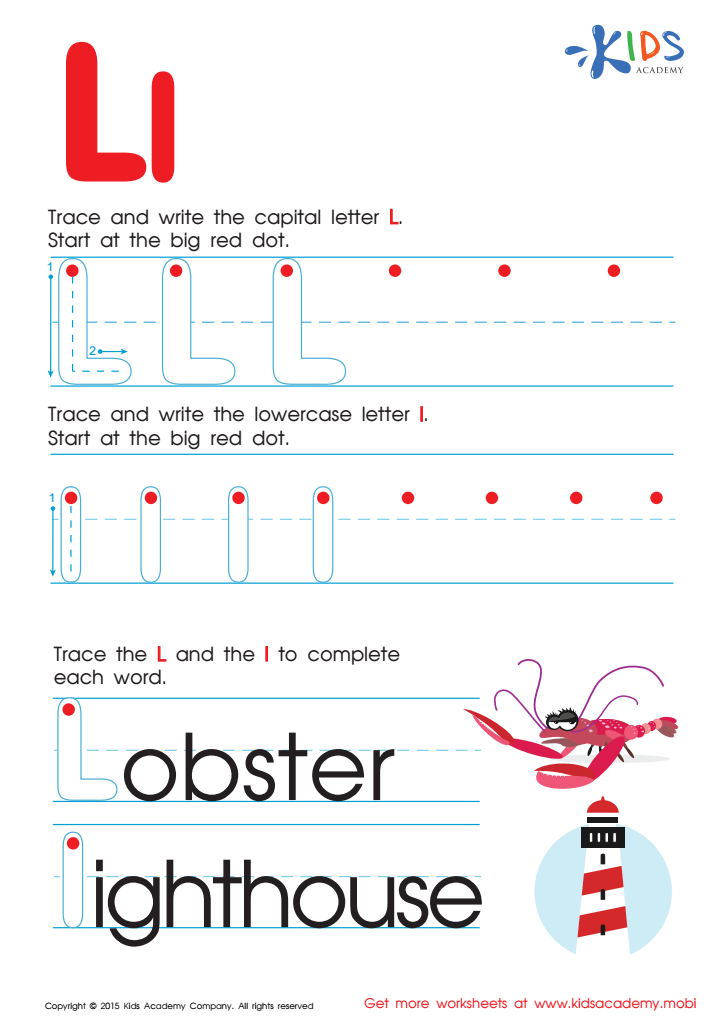
Letter L Tracing Page
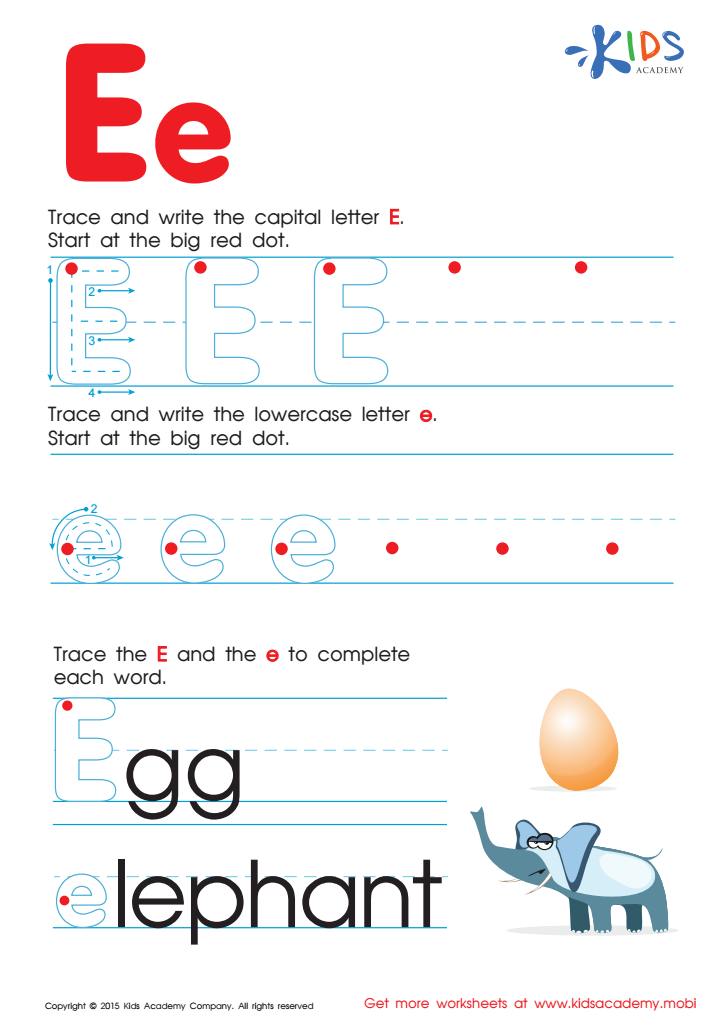
Letter E Tracing Page
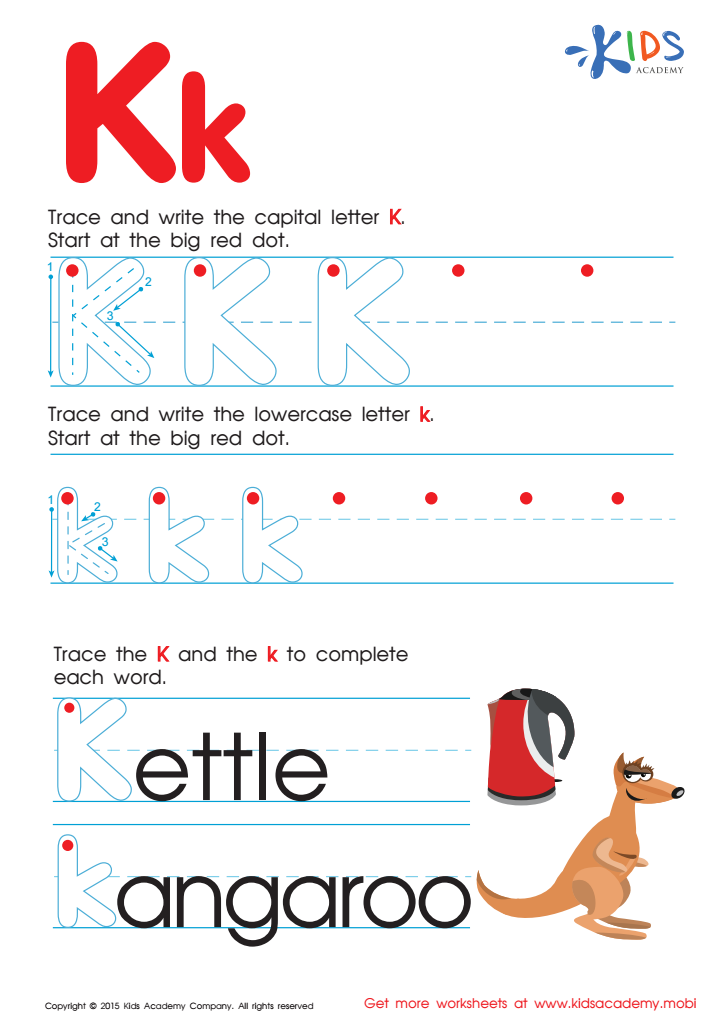
Letter K Tracing Page
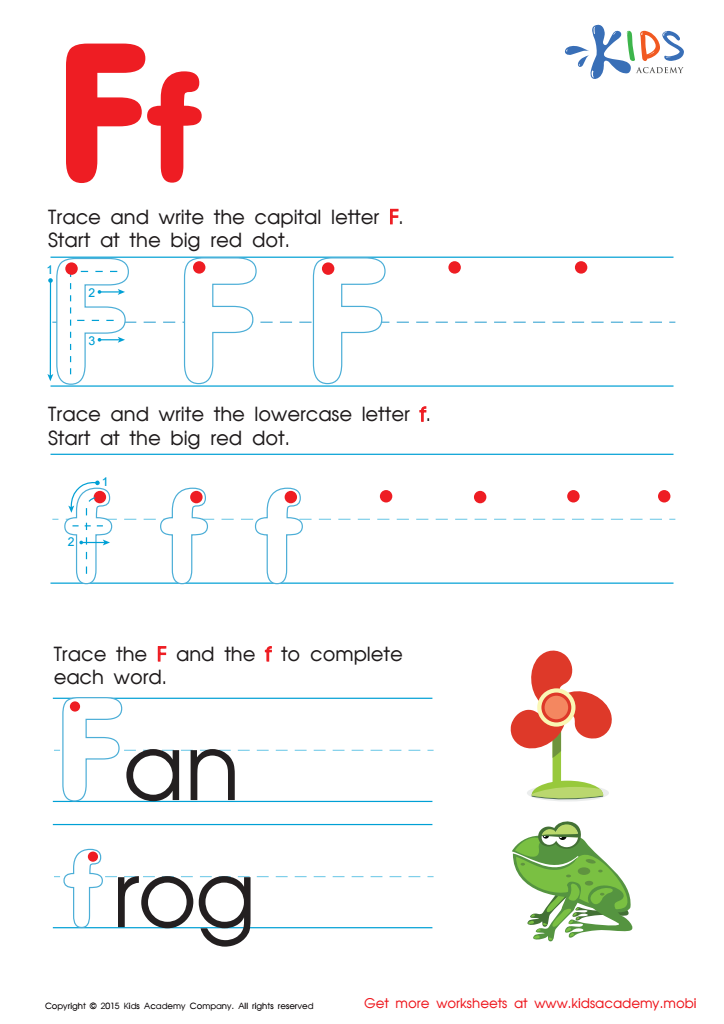
Letter F Tracing Page





Parents and teachers should prioritize handwriting skills and letter recognition in Grade 3 for several crucial reasons. First and foremost, proficient handwriting allows children to express their thoughts clearly and effectively, fostering better communication skills. At this age, children are transitioning from learning letters to creating sentences, and clear handwriting supports readability, which is vital for ongoing literacy development.
Secondly, strong letter recognition is fundamental to reading fluency. When children can easily identify and write letters, they become more confident readers, which enhances their overall academic performance. Good handwriting also contributes to increased concentration during writing tasks. It encourages students to focus on content rather than the mechanics of writing.
Moreover, handwriting is linked to cognitive development. The physical act of writing engages different parts of the brain, aiding memory retention and learning. It also cultivates fine motor skills, which are important for overall physical coordination.
Lastly, in a digital age, the skill of handwriting remains valuable. Handwritten notes tend to be remembered better than typed ones, reinforcing learning. Teachers and parents play a crucial role in nurturing these skills, setting a foundation for children’s future academic and personal success. By investing time in handwriting and letter recognition, they are fostering life-long learning habits.