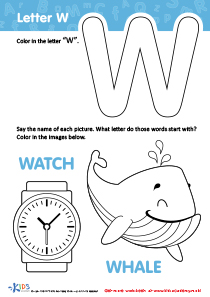
Improving reading skills Normal Grade 3 Phonics Worksheets
3 filtered results
-
From - To
Enhance your third grader's reading abilities with our comprehensive collection of phonics worksheets designed specifically for improving reading skills. Our engaging and interactive activities help students decode words, develop vocabulary, and boost comprehension in a fun way. Each worksheet aligns with grade-level standards, ensuring that your child masters essential phonics concepts through repetition and reinforcement. Ideal for classroom or at-home learning, these resources encourage critical thinking and foster a love for reading. Help your child gain confidence and proficiency in their reading journey with our expertly crafted phonics worksheets tailored for normal grade 3 learners. Discover the joys of reading today!
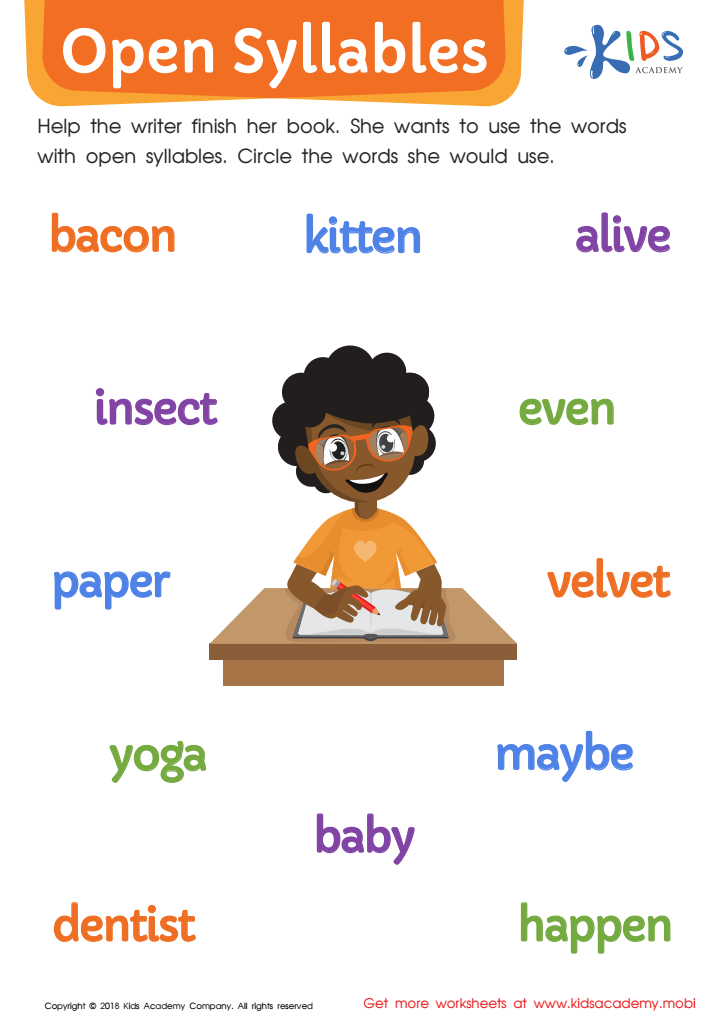
Open Syllables Worksheet
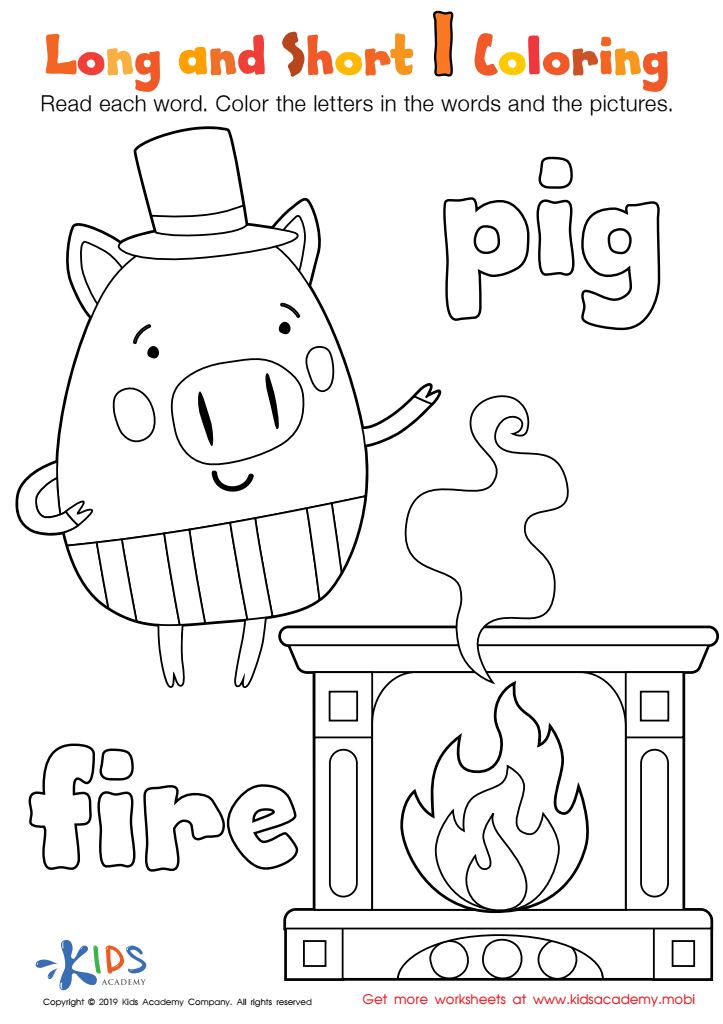
Long and Short I Worksheet
 Assign to My Students
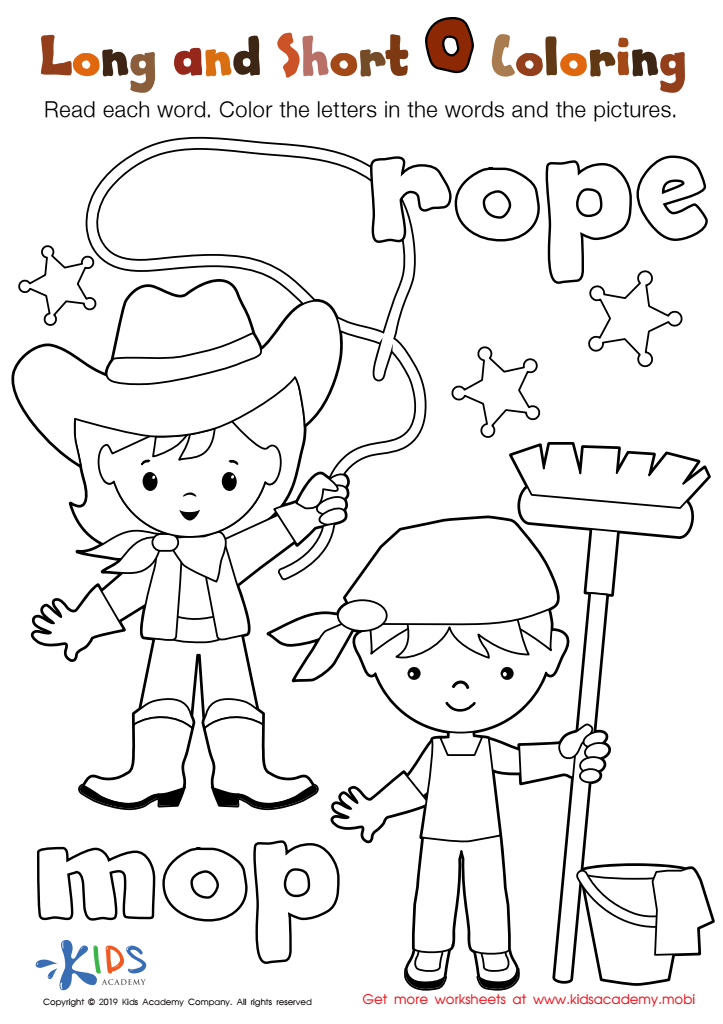
Long and Short O Worksheet
Assign to My Students




Improving reading skills through phonics is vital for Grade 3 students as it lays the foundation for their academic success and lifelong learning. At this stage, children transition from learning to read to reading to learn, making phonics instruction essential. Phonics teaches the relationships between letters and sounds, enabling students to decode new words and gain fluency, which significantly impacts comprehension.
As reading skills improve, children gain confidence, enhancing their willingness to explore more challenging texts and engage with a variety of subjects. Parents and teachers should recognize that proficient readers are better prepared for higher academic demands, leading to improved performance in all subjects, not just English.
Moreover, strong reading skills also correlate with social and emotional development. Children who struggle with reading may experience frustration, decreased self-esteem, or a lack of interest in school. By focusing on phonics instruction, parents and teachers can create a supportive environment that nurtures each child’s love for reading, fostering curiosity and imagination.
Ultimately, investing in phonics and reading skills at this vital grade helps ensure children develop a foundational literacy that will serve them in higher education and beyond, making it a critical concern for educators and families alike.