Critical Thinking Normal Grade 3 Worksheets - Page 2
30 filtered results
-
From - To
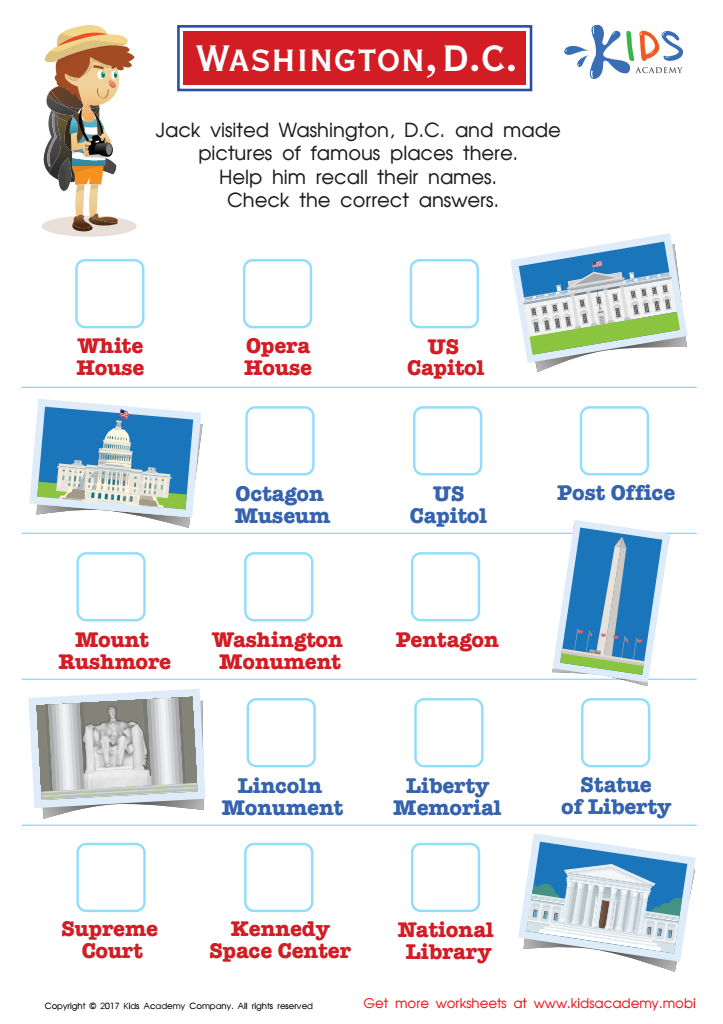
Washington D.C. Printable Worksheet
 Assign to My Students
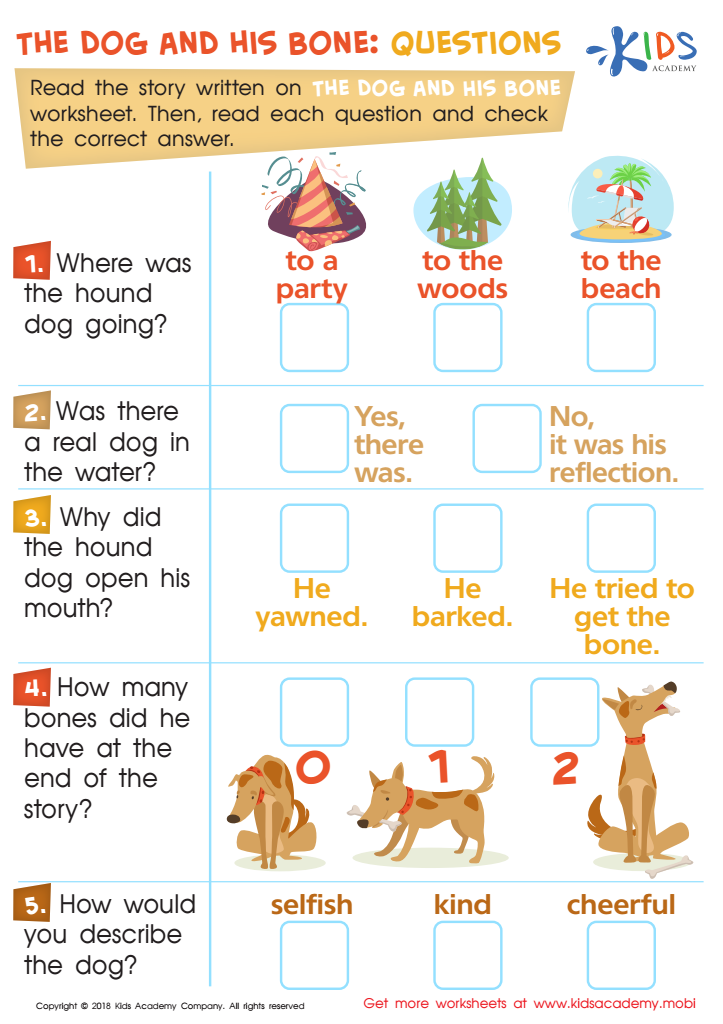
The Dog and His Bone: Questions Worksheet
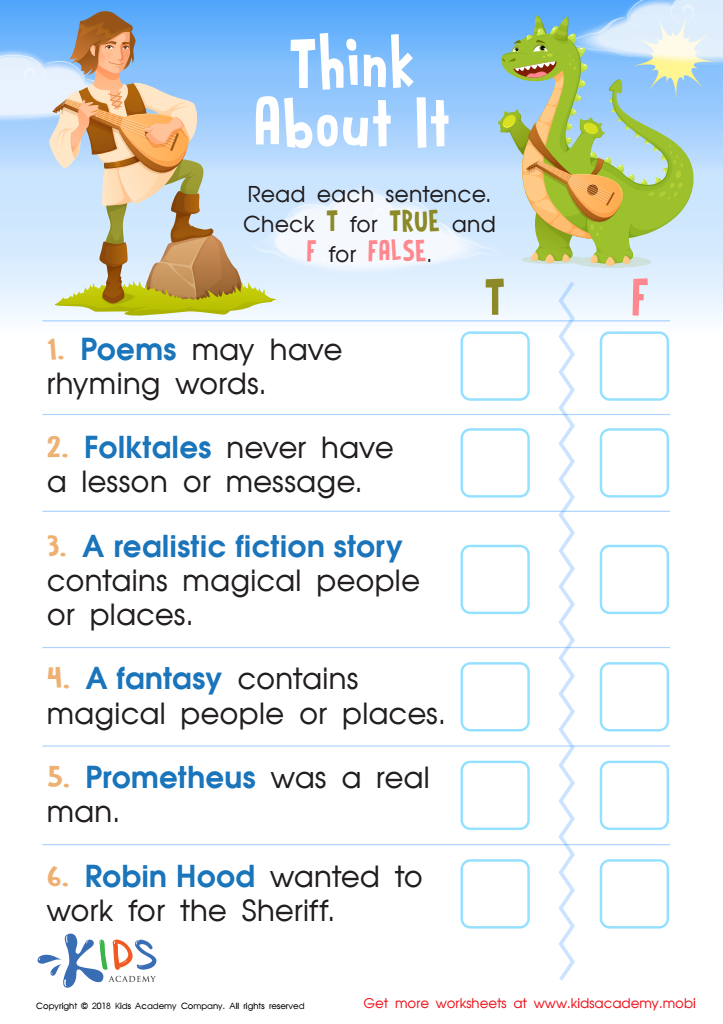
Think About It: Assessment Worksheet
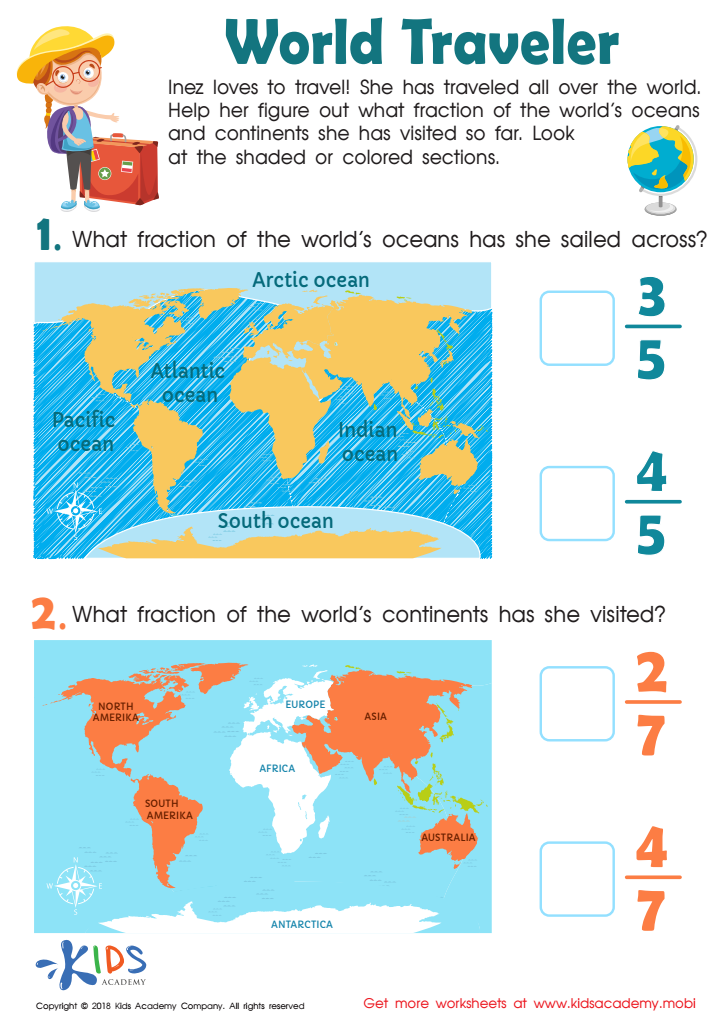
World Traveler Worksheet
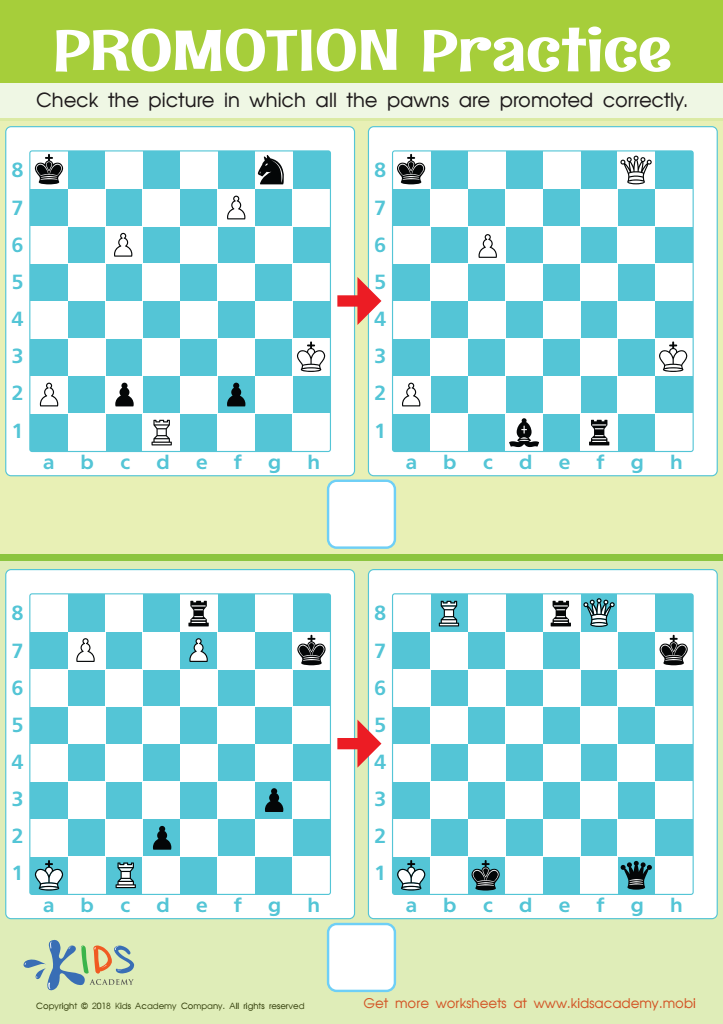
Promotion Practice Worksheet
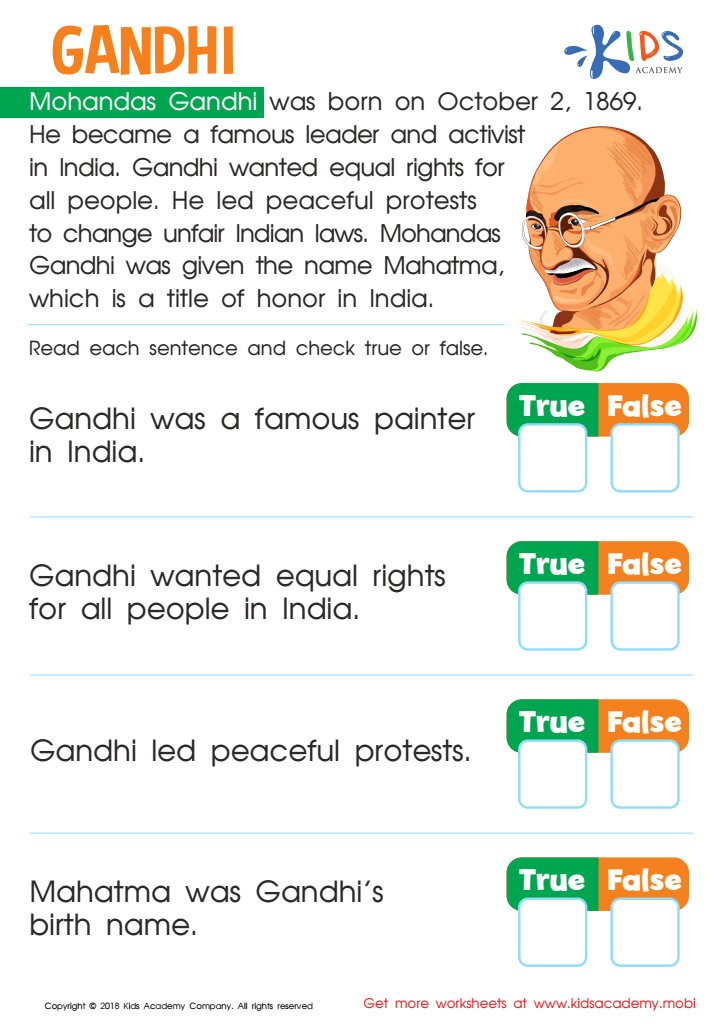
Gandhi Worksheet







Critical thinking is a vital skill for students in grade 3, as it lays the foundation for lifelong learning and problem-solving abilities. At this age, children are developing their reasoning skills and are more capable of independent thought. Parents and teachers should care about nurturing critical thinking because it equips students with the ability to analyze information, evaluate different perspectives, and make informed decisions.
Encouraging critical thinking allows children to engage actively with their education, fostering curiosity and a love of learning. It promotes deeper comprehension of subjects beyond rote memorization, empowering students to connect concepts across different areas. When children practice critical thinking, they learn to articulate their thoughts clearly and support them with evidence.
Moreover, critical thinking is essential for success in an increasingly complex world. As children encounter diverse viewpoints and challenges, they will benefit from being able to assess situations thoughtfully and creatively. By emphasizing critical thinking in early education, we prepare children not only for future academic endeavors but also for responsible citizenship. Thus, parents and teachers play a crucial role in cultivating these essential skills, ensuring that children develop into thoughtful, capable adults.