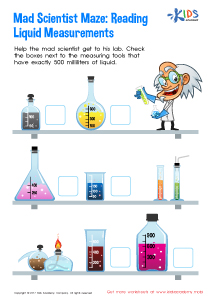
Mathematical reasoning Normal Grade 3 Division Worksheets
3 filtered results
-
From - To
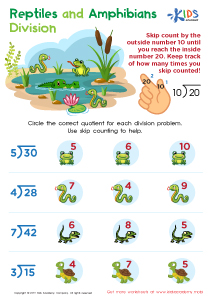
Explore our collection of Normal Grade 3 Division Worksheets designed to enhance mathematical reasoning skills. These engaging activities focus on helping young learners understand division concepts through problem-solving and critical thinking. Each worksheet includes a variety of exercises that challenge students to apply their knowledge of division in practical scenarios, reinforcing their understanding in a fun and interactive way. Ideal for classroom use or home practice, these worksheets promote essential skills such as pattern recognition and logical reasoning. Empower your 3rd graders to excel in mathematics with our thoughtfully crafted division worksheets, fostering confidence and proficiency in mathematical concepts.
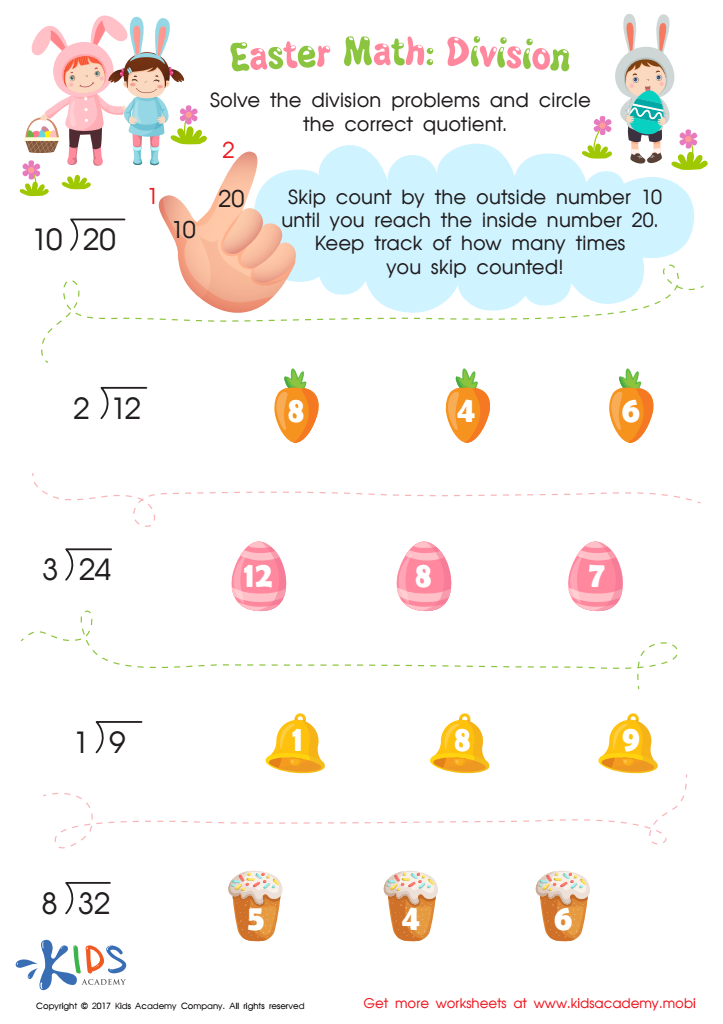
Division Worksheet
 Assign to My Students
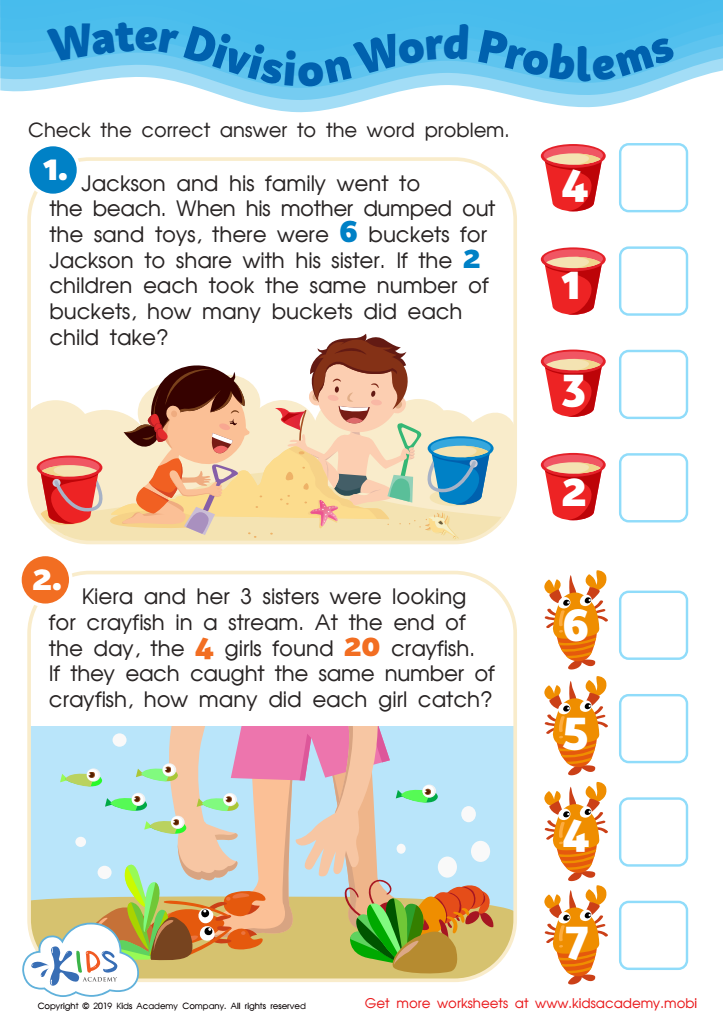
Water Division Word Problems Worksheet
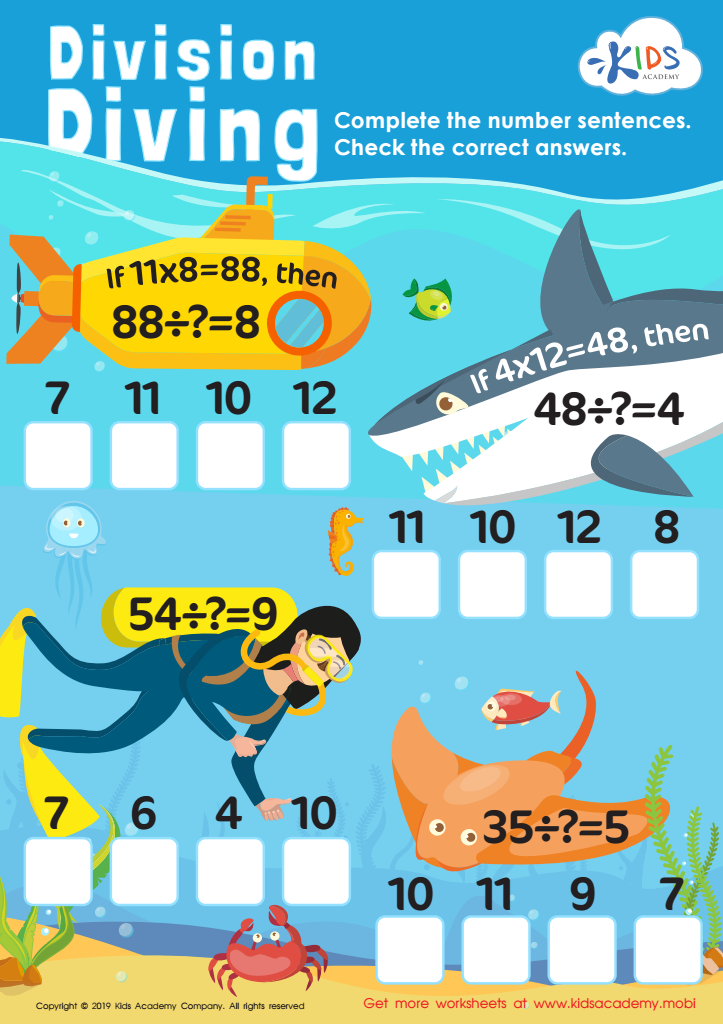
Division Diving Worksheet







Mathematical reasoning, particularly in the context of division at the Grade 3 level, is crucial for several reasons. First and foremost, it lays the foundation for deeper mathematical understanding and problem-solving skills. Division teaches students how to break down larger problems into smaller, manageable parts, fostering critical thinking. When children learn division concepts, such as sharing equally or grouping into equal sets, they develop a sense of fairness and equity, which are important social skills.
Moreover, division enhances cognitive skills like logical thinking and pattern recognition. These skills are transferable and play a significant role in everyday situations, such as budgeting, cooking, and time management. Engaging with division problems prepares young learners for more complex mathematical concepts encountered in later grades.
For parents and teachers, facilitating strong mathematical reasoning in division also builds confidence. Mastery of basic division encourages a positive attitude toward math as students realize they can solve challenging problems. This confidence can lead to increased participation and perseverance in mathematics, combatting common math anxiety. Ultimately, supporting students in mastering division through reasoning will help them become adept problem solvers in academics and everyday life, reinforcing the importance of a strong mathematical foundation.