Problem Solving Normal Grade 3 Math Worksheets
4 filtered results
-
From - To
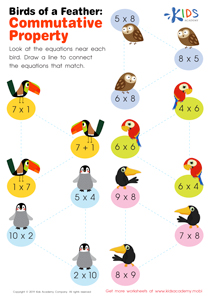
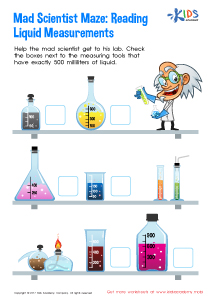
Discover our engaging Problem Solving Normal Grade 3 Math Worksheets that make math both educational and fun for your third grader. Designed to develop critical thinking and sharpen essential math skills, these worksheets cover various problem-solving scenarios to enhance their ability to analyze and solve real-world math problems. Ideal for building a strong foundation in math, each worksheet is carefully crafted to align with core curriculum standards. Whether used for classroom activities, homeschooling, or extra practice at home, your child will enjoy the colorful designs and thought-provoking challenges that make learning math interactive. Start today at Kids Academy!
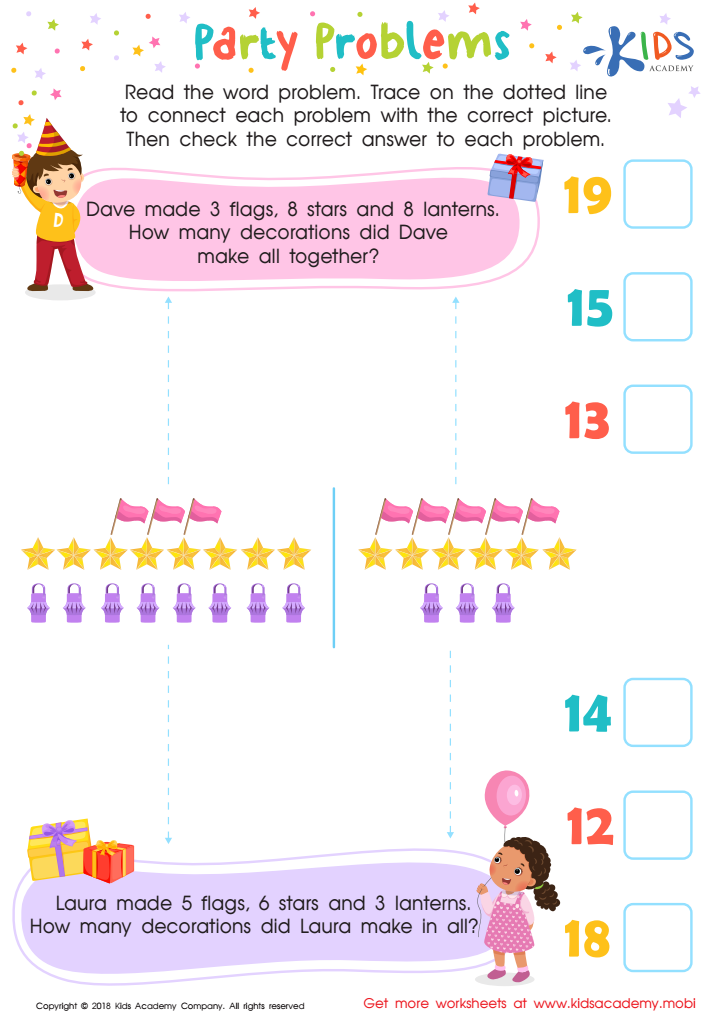
Party Problems Worksheet
 Assign to My Students
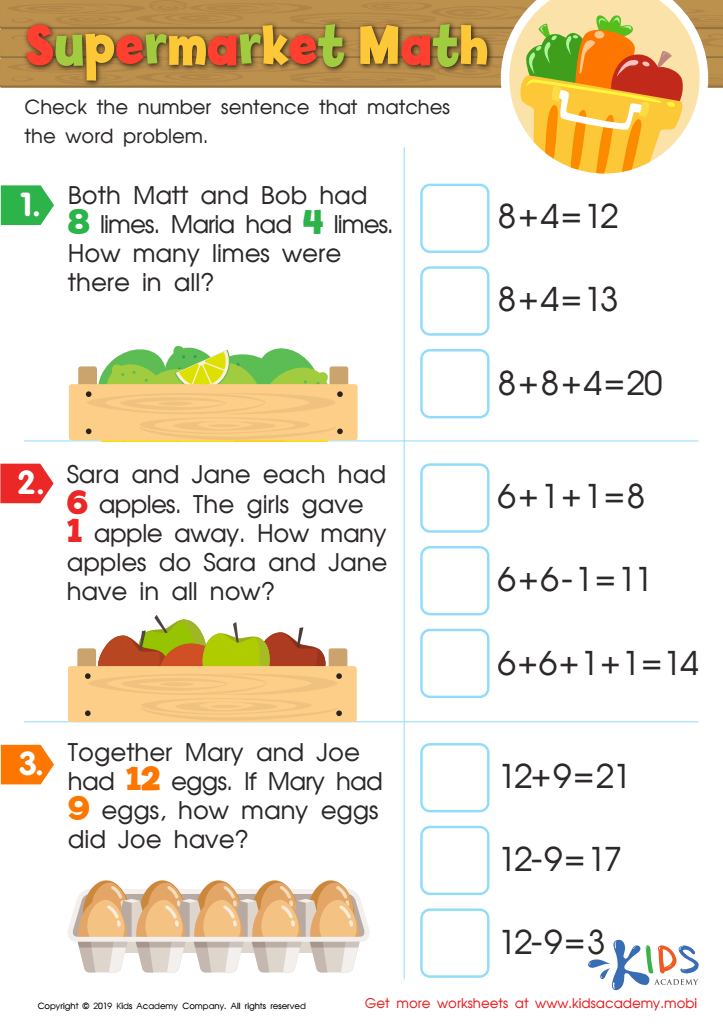
Supermarket Math Worksheet
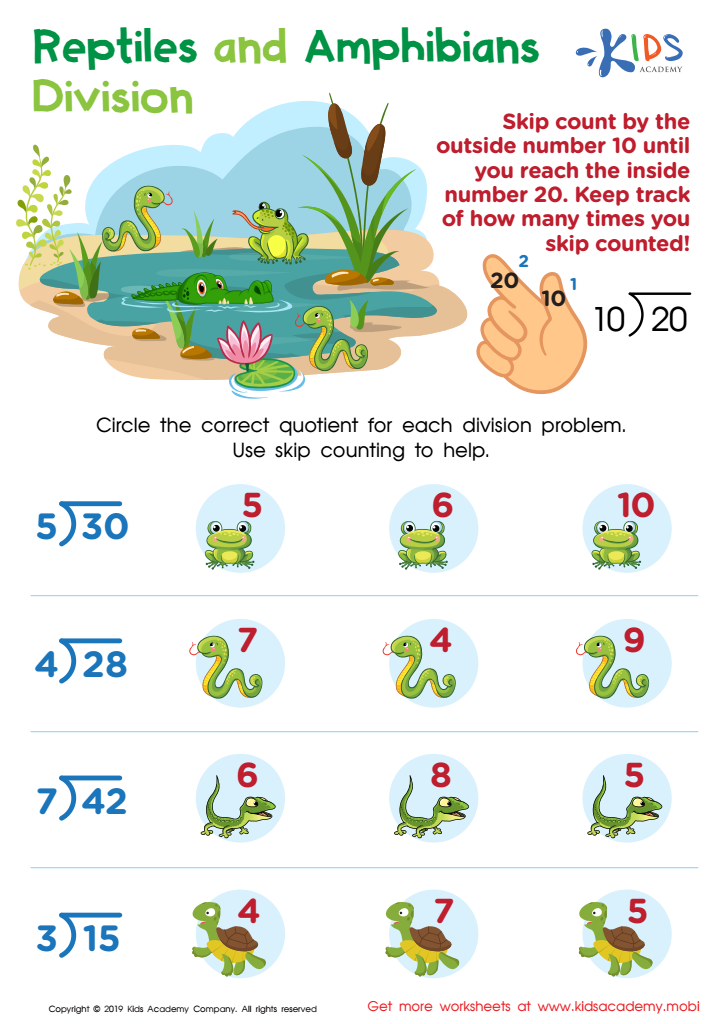
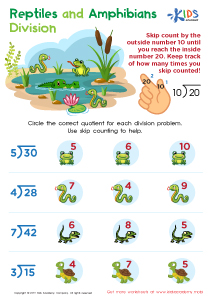
Reptile and Amphibians Division Worksheet
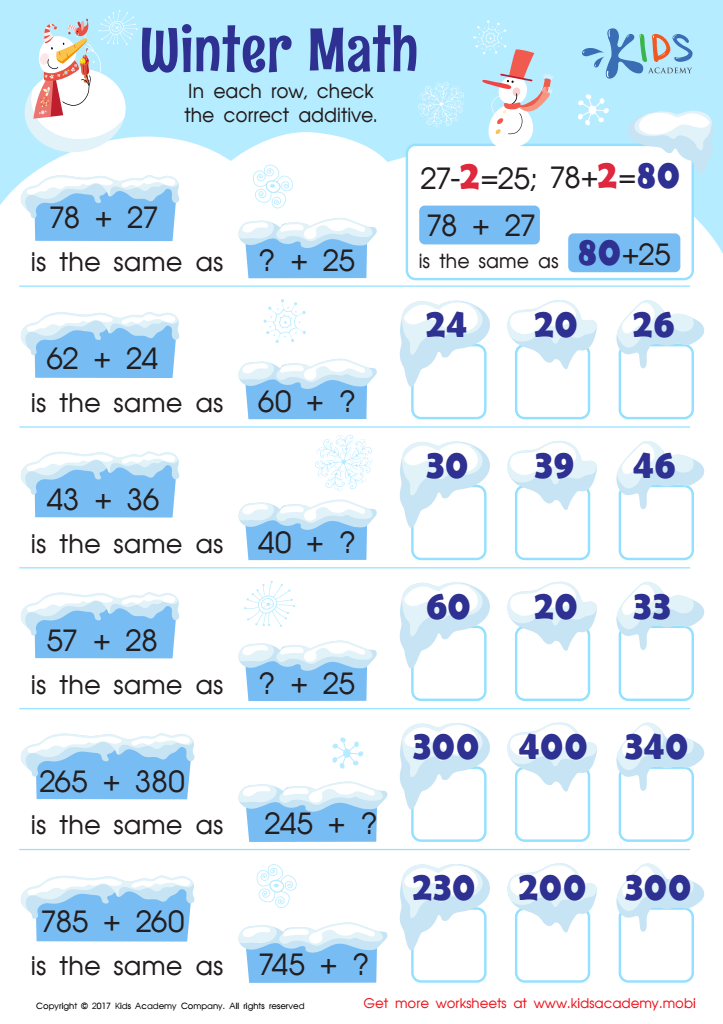
Free Addition Worksheet







Problem-solving in Grade 3 math is fundamental to a child’s academic and personal development. At this stage, students are typically introduced to essential concepts such as basic arithmetic operations, simple multiplication and division, fractions, and basic geometry. When parents and teachers emphasize problem-solving, they aren't just teaching math content; they are fostering critical thinking and analytical skills that are transferrable to other subjects and real-life situations.
Problem-solving encourages children to understand underlying concepts rather than memorize procedures. This deeper comprehension enables them to tackle unfamiliar problems and fosters a growth mindset, critical for lifelong learning. When students face challenging problems, they learn persistence, and resilience, and gain confidence in their ability to solve complex issues independently.
Furthermore, math problem-solving enhances cognitive development by improving attention to detail, logical reasoning, and decision-making skills. Collaborative problem-solving activities promote social skills such as teamwork, verbal communication, and empathy, as students discuss strategies and share multiple solving methods.
Parents' and teachers' involvement ensures that students receive quality guidance and multiple perspectives, promoting a supportive learning environment. Cultivating these skills early prepares children for more advanced mathematical concepts and equips them with the intellectual tools necessary for future academic and professional success.