Word Recognition Normal Grade 3 Building Vocabulary Worksheets
3 filtered results
-
From - To
Enhance your third grader's language skills with our engaging Word Recognition Building Vocabulary Worksheets! Designed specifically for normal Grade 3 learners, these printable activities focus on developing strong reading comprehension and vocabulary skills. Students will explore various word recognition strategies, helping them identify, decode, and understand new words in context. Our worksheets incorporate fun exercises, including matching, fill-in-the-blanks, and word searches, to make learning enjoyable. Perfect for classrooms or at-home practice, these resources ensure your child builds a solid foundation for reading fluency. Foster a love for language and empower your child with the essential skills they need for academic success!
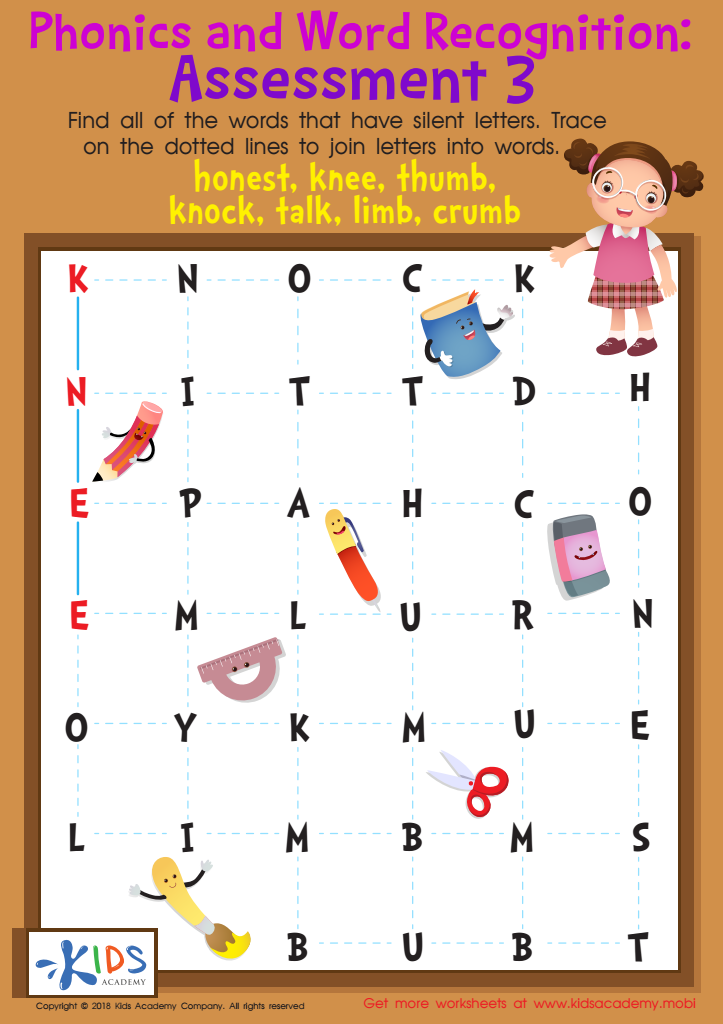
Phonics and Word Recognition: Assessment 3 Worksheet
 Assign to My Students
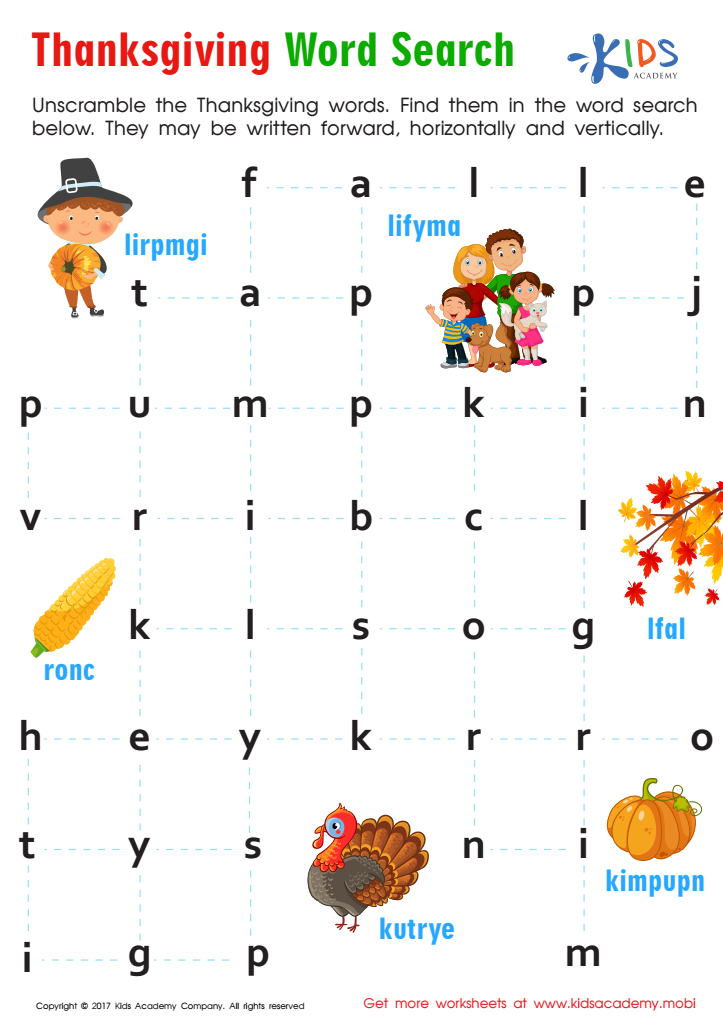
Thanksgiving Word Search Sight Words Worksheet
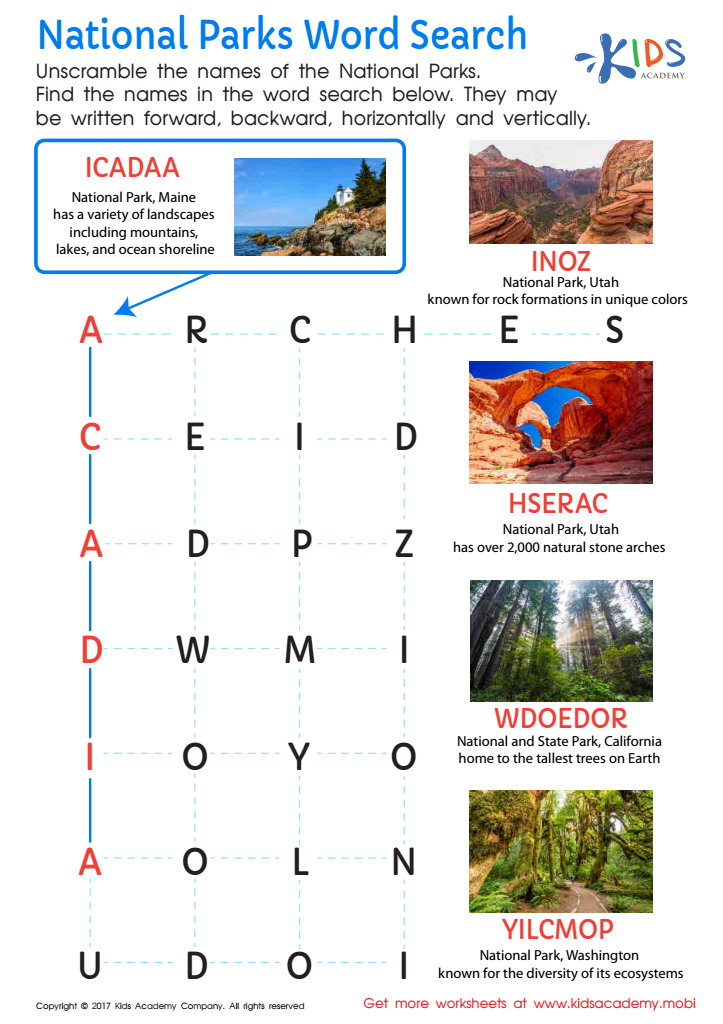
National Parks Word Search Worksheet








Parents and teachers should prioritize word recognition in Grade 3 as it lays the foundational skills necessary for successful literacy development. At this stage, children transition from learning to read to reading to learn, making word recognition crucial. Recognizing words quickly and efficiently allows students to focus on comprehension and engage with more complex texts, which enhances their overall academic performance.
Building vocabulary is equally important, as it enables students to understand and express ideas more effectively. A rich vocabulary contributes to better writing skills and improves their ability to communicate. As students encounter new words in various subjects, a robust vocabulary supports their ability to grasp concepts across disciplines, whether in math, science, or social studies.
Furthermore, strong word recognition and vocabulary skills contribute to a child’s self-esteem and motivation. When students are confident in their reading abilities, they are more likely to participate and excel in class. By fostering these skills early on, parents and teachers can help set the stage for lifelong learning, promoting a love for reading and ongoing academic success. Investing in word recognition and vocabulary building ultimately equips children with essential tools for future educational challenges and opportunities.