Sight word recognition Normal Grade 3 Sight Words Worksheets
3 filtered results
-
From - To
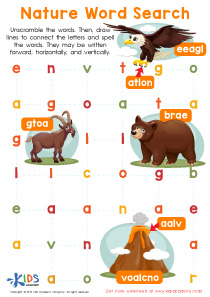
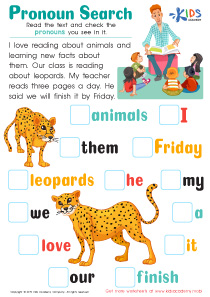
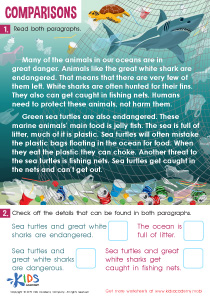
Enhance your third-grader’s reading fluency with our Sight Word Recognition Grade 3 Worksheets! Designed for ultimate engagement, these worksheets feature grade-level sight words that children need to master. Through engaging activities and practice exercises, students will improve their ability to recognize and read sight words quickly, which is essential for fluent reading. Our expert-crafted worksheets make learning both effective and fun, helping young readers to build a strong foundation in literacy. Perfect for classroom use or additional practice at home, these sight word worksheets are an invaluable resource for third-grade readers. Start boosting your child’s reading confidence today!
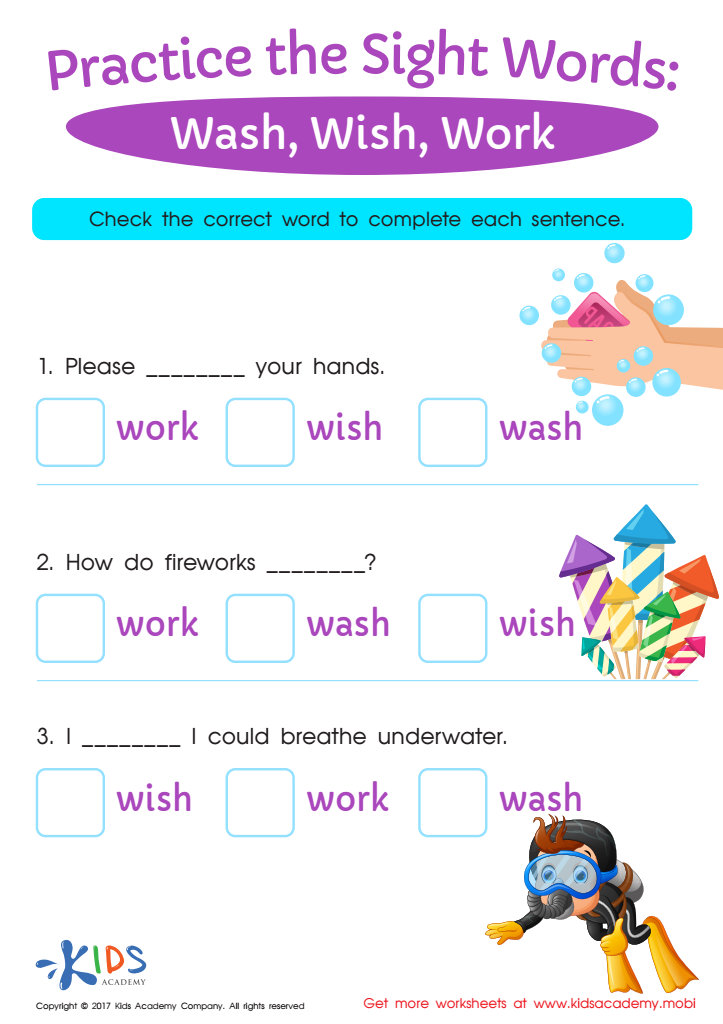
Wash, Wish, Work Sight Words Worksheet
 Assign to My Students
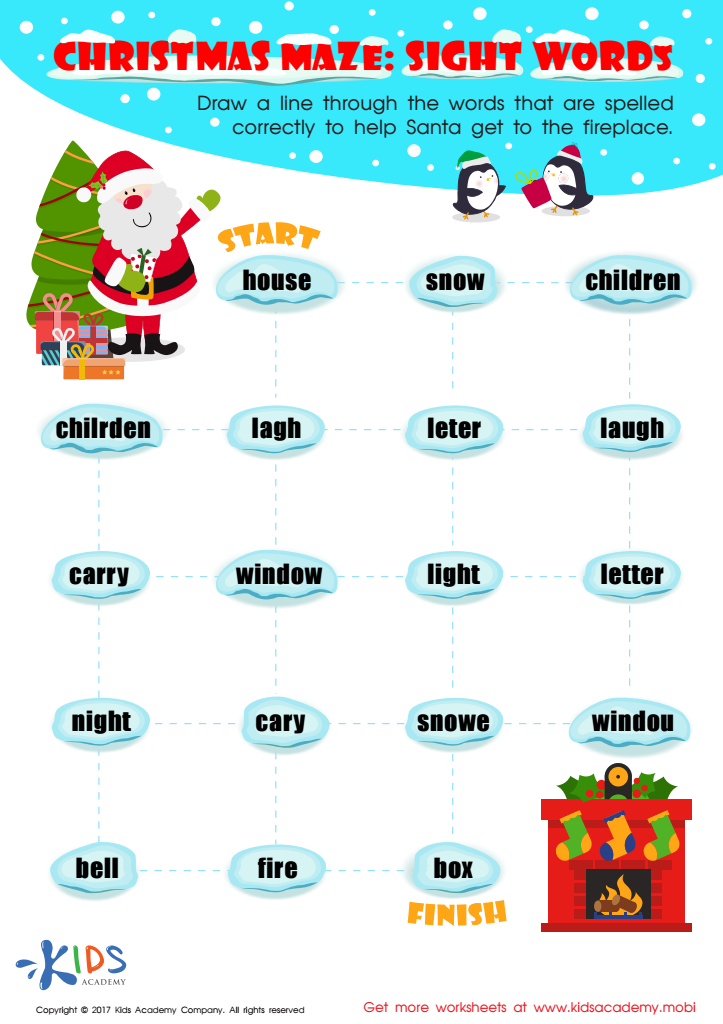
Sight Words Christmas Maze Printable
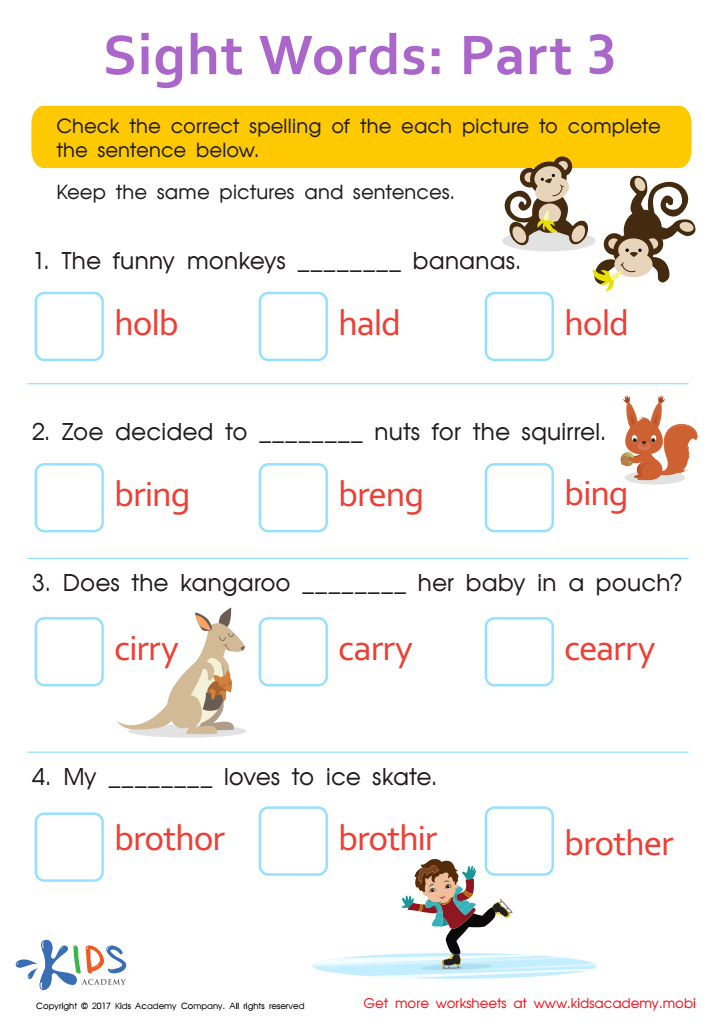
Hold, Bring, Carry, Brother Sight Words Worksheet








Sight word recognition is a crucial component of early literacy development, and parents and teachers should pay particular attention to this skill, especially in Grade 3. By this stage, students are transitioning from learning to read to reading to learn. Sight words, which are commonly used words that children are encouraged to recognize instantly, make up a significant portion of written text. Proficient recognition of these words aids in reading fluency, which is vital for overall comprehension.
When children can quickly recognize sight words, they free up cognitive resources to focus on decoding unfamiliar words and understanding complex sentences. This enhances their reading efficiency and comprehension skills. Lack of proficiency in sight word recognition can slow down reading progress, causing frustration and decreased motivation to read.
For parents, supporting sight word recognition at home through games, flashcards, and practice reading sessions can complement classroom instruction, creating a cohesive learning environment. Teachers, meanwhile, can integrate sight word activities into their curriculum to reinforce this essential skill.
Investing time and effort in developing strong sight word recognition can set the stage for academic success, boost confidence, and foster a lifelong love of reading. Therefore, prioritizing this educational milestone is integral to a child's overall literacy development.