Reading worksheets activities for Ages 4-7 - Page 2
26 filtered results
-
From - To
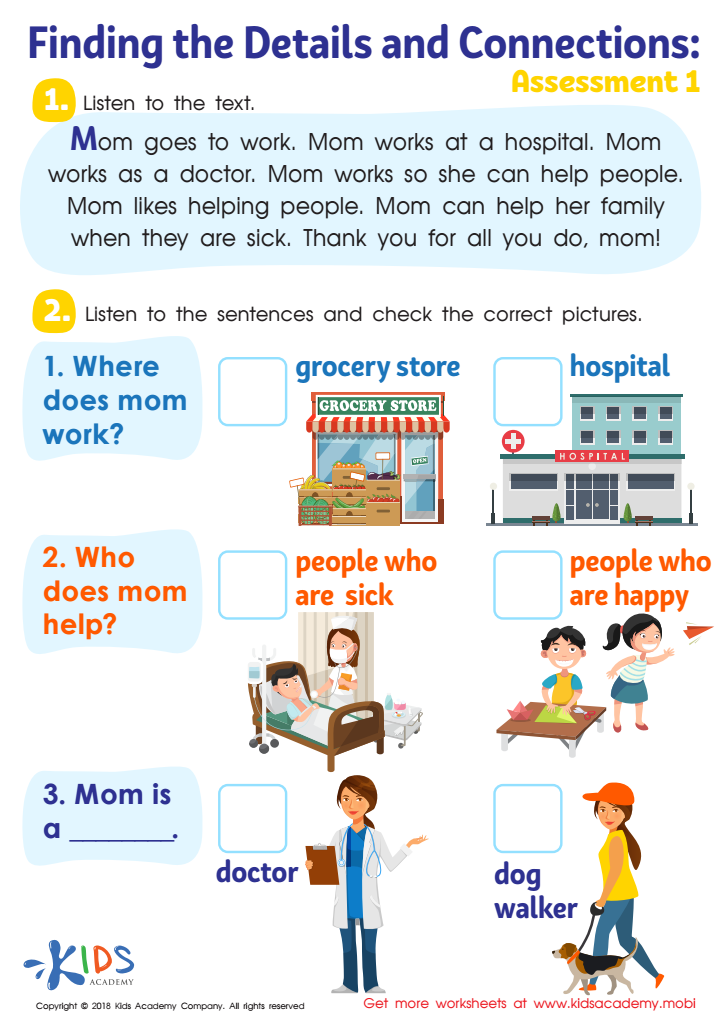
Finding the Details and Connections: Assessment 1 Worksheet
 Assign to My Students
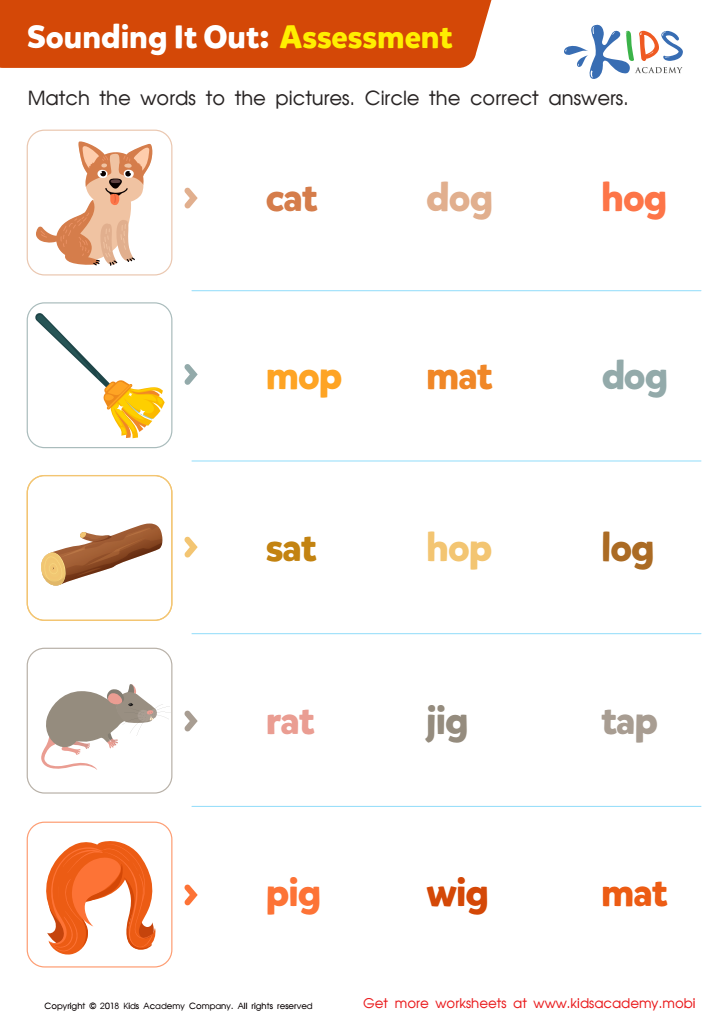
Sounding it Out: Assessment Worksheet








Reading activities for children aged 4-7 are crucial for several reasons. First, this age range is a foundational period in literacy development. Engaging children in reading activities enhances their vocabulary, comprehension skills, and overall language proficiency. Research shows that early exposure to reading fosters cognitive development, enabling children to think critically and articulate their thoughts effectively.
Additionally, reading activities stimulate imagination and creativity. Through stories, children explore new worlds, cultures, and ideas, which broadens their perspectives and cultivates empathy. It also encourages a love for reading, which is vital for lifelong learning.
Moreover, reading activities improve attention span and focus, teaching children to engage with content meaningfully. This skill is not only beneficial for academic success but also contributes to social skills as children learn to share stories and discuss plots with their peers and adults.
Finally, parents and teachers play a key role in creating a supportive reading environment. Regular reading sessions and engaging activities strengthen the bond between adults and children, making learning a shared and enjoyable experience. Therefore, prioritizing reading activities at this stage lays a strong foundation for future learning and personal development.








