Fun and Educational Worksheets for 6-Year-Olds: Exploring Plants and Animals at Kids Academy
2 filtered results
-
From - To
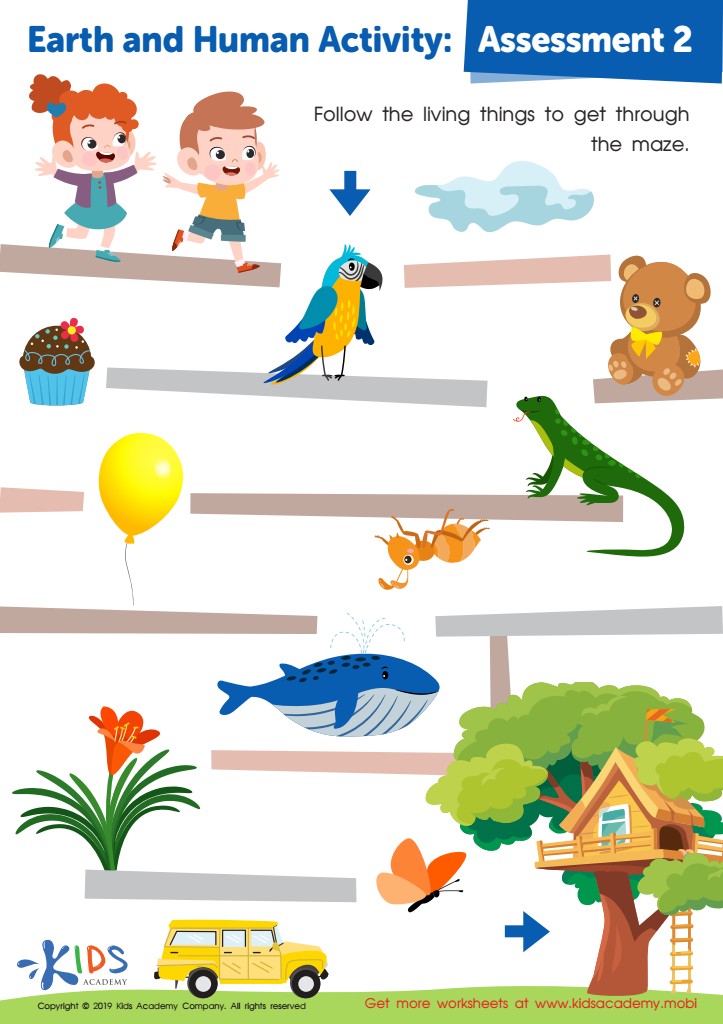
Earth and Human Activity: Assessment 2 Worksheet
 Assign to My Students
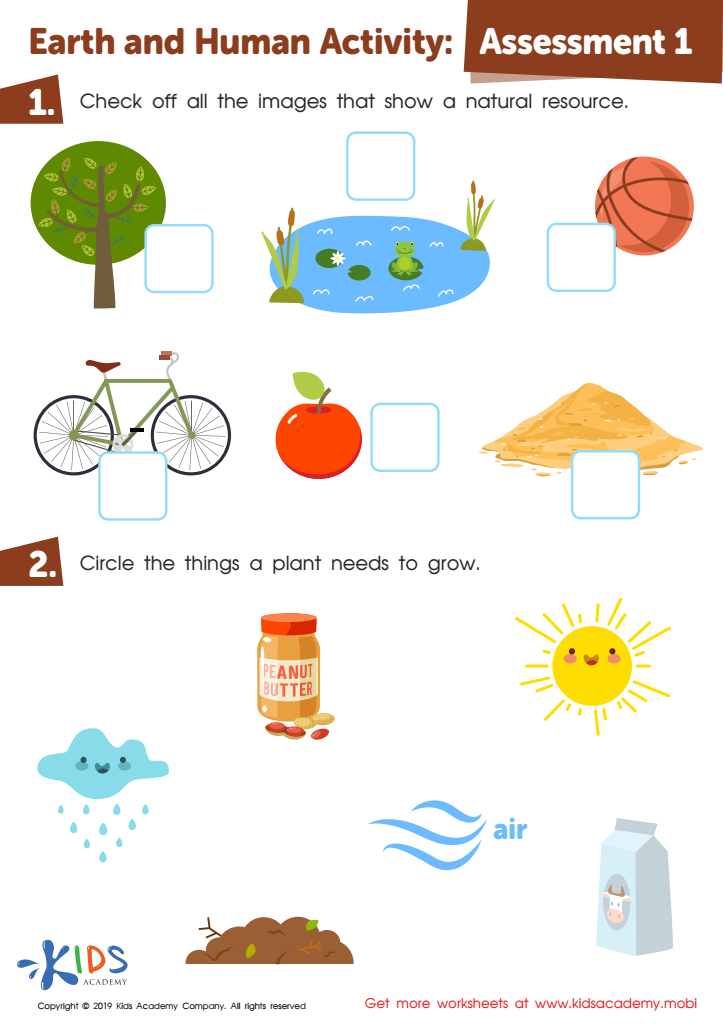
Earth and Human Activity: Assessment 1 Worksheet







Plants and Animals worksheets activities offer a dynamic approach to learning that captivates the curiosity of students, making the intricate world of biology both accessible and engaging. By integrating these worksheets into the curriculum, educators unlock a treasure trove of benefits that extend far beyond the classroom.
First and foremost, Plants and Animals worksheets activities serve as an excellent tool for reinforcing subject matter. The hands-on experience they provide allows students to apply theoretical knowledge in a practical context, thereby enhancing understanding and retention. This method of interactive learning ensures that students are not merely passive recipients of information but active participants in their educational journey.
Moreover, these worksheets cater to diverse learning styles. Whether a student is a visual, auditory, or kinesthetic learner, the varied activities included in these worksheets ensure that there is something for everyone. Through diagrams, crosswords, labelling exercises, and matching activities, students can engage with the material in a manner that best suits their learning preferences, thereby maximizing their educational outcomes.
Another significant advantage of Plants and Animals worksheets activities is the development of critical thinking skills. As students navigate through the different exercises, they are encouraged to analyze, compare, and contrast various aspects of plant and animal life. This not only deepens their understanding but also fosters a sense of inquiry and exploration.
Furthermore, these worksheets are instrumental in teaching students the importance of biodiversity and the interdependence of life. By drawing connections between different species and their environments, students gain a holistic view of the natural world, fostering a sense of responsibility and stewardship towards our planet.
In conclusion, Plants and Animals worksheets activities are more than just educational tools; they are catalysts for curiosity, critical thinking, and a deeper appreciation for the natural world. By incorporating these activities into the learning process, educators can provide a comprehensive and engaging educational experience that prepares students for a lifetime of learning and discovery.








