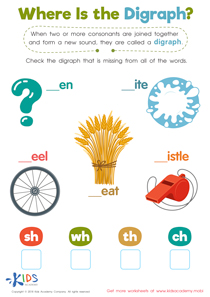
Beginning Consonants Worksheets for Ages 3-5
14 filtered results
-
From - To
Explore our engaging Beginning Consonants Worksheets designed for children ages 3-5! These worksheets are perfect for helping young learners grasp the foundational skills of letter recognition and phonics. Each activity focuses on identifying and practicing beginning consonant sounds through fun exercises, colorful visuals, and interactive tasks that keep kids motivated. From tracing letters to matching pictures, our resources cater to different learning styles, ensuring a comprehensive learning experience. Whether at home or in the classroom, these worksheets provide educators and parents with valuable tools to support early literacy development. Start your child's reading journey today with our exciting printable materials!
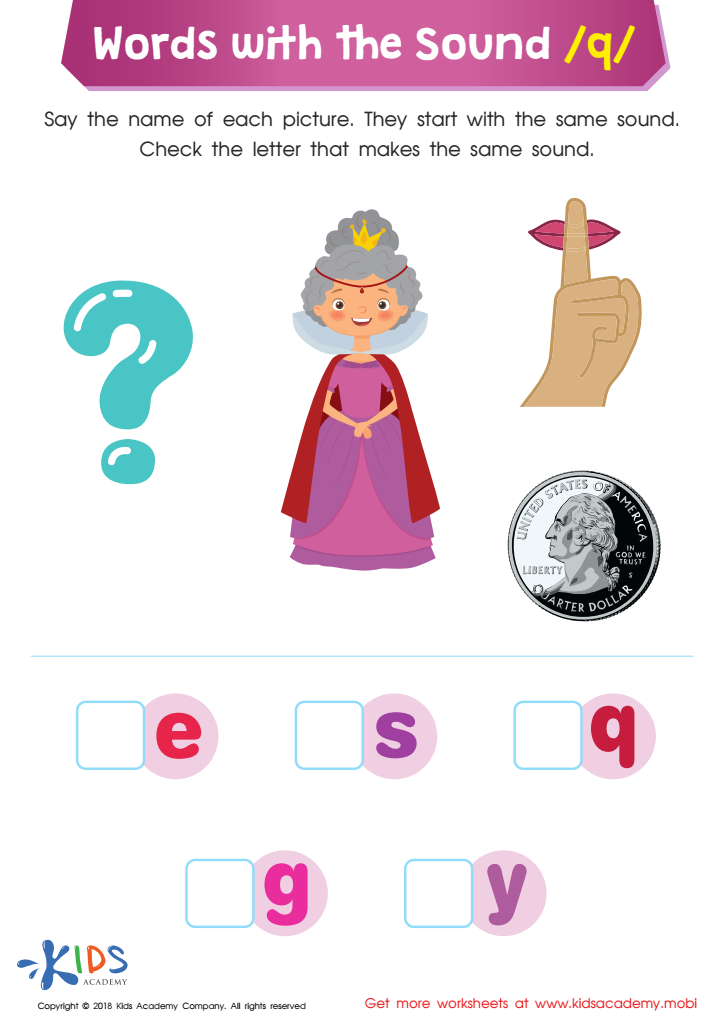
Words with Sound Q Reading Worksheet
 Assign to My Students
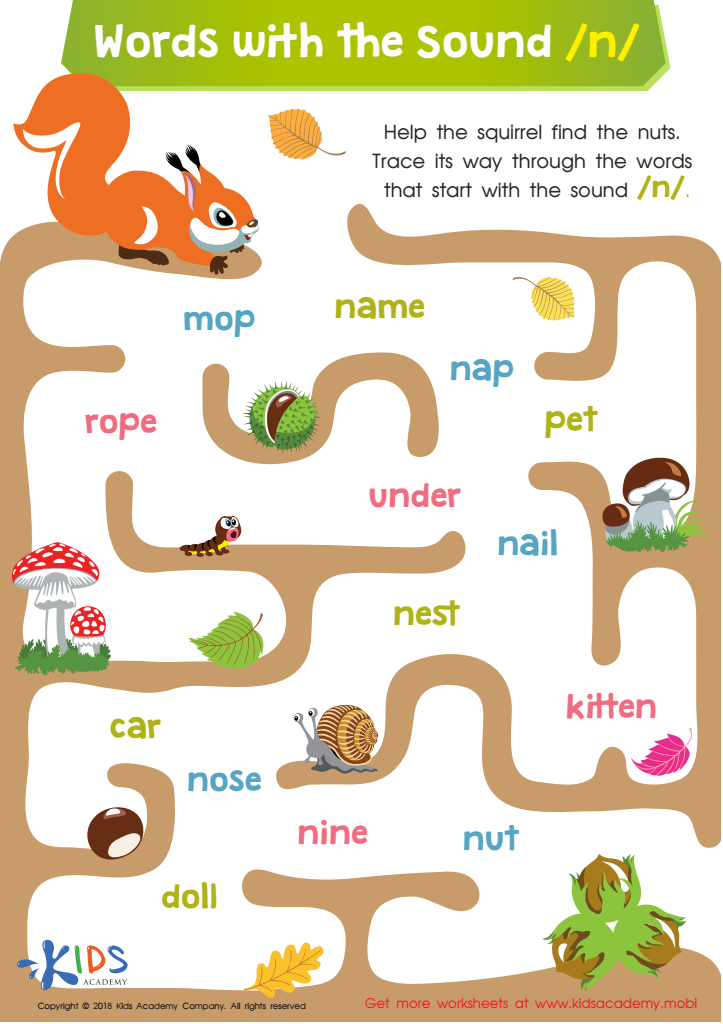
Words with Sound N Reading Worksheet
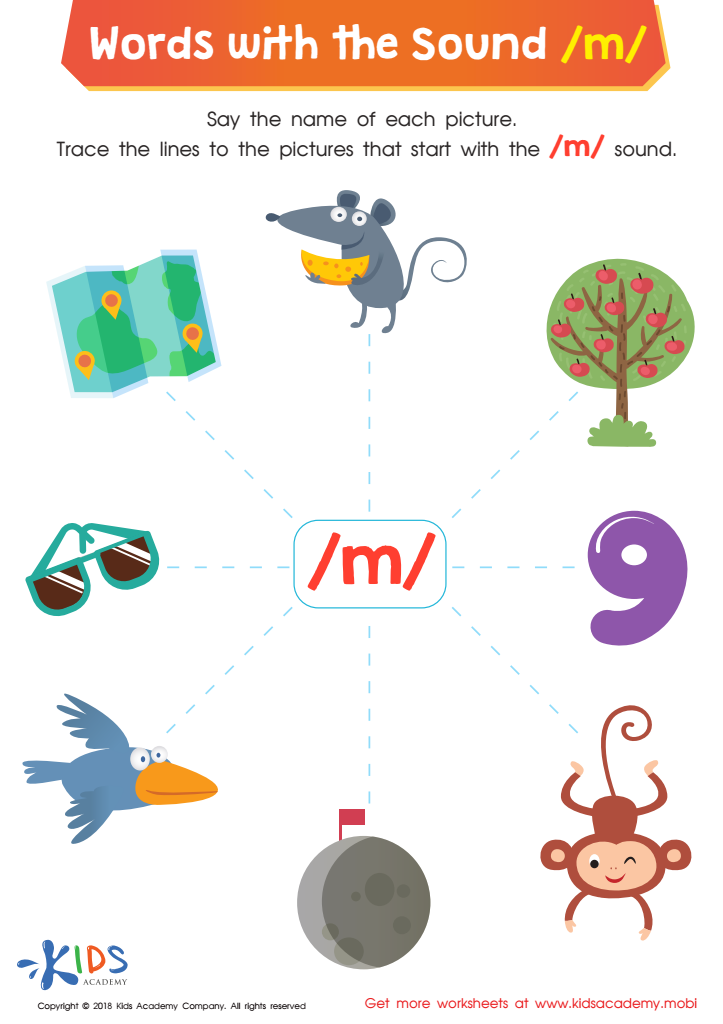
Words with Sound M Reading Worksheet
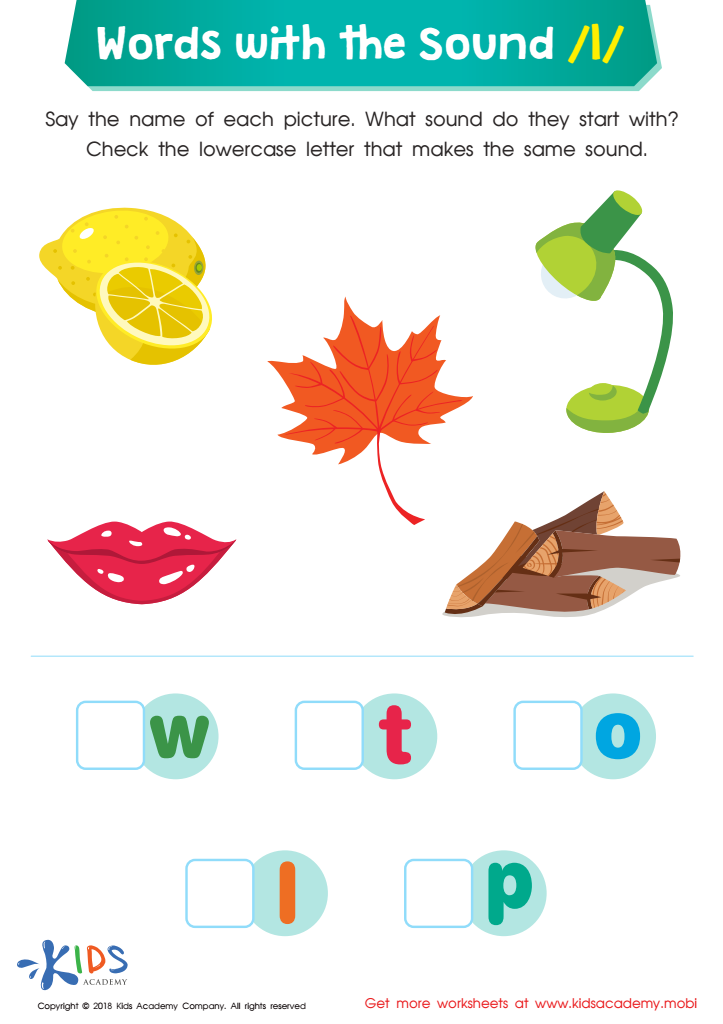
Words with Sound L Reading Worksheet
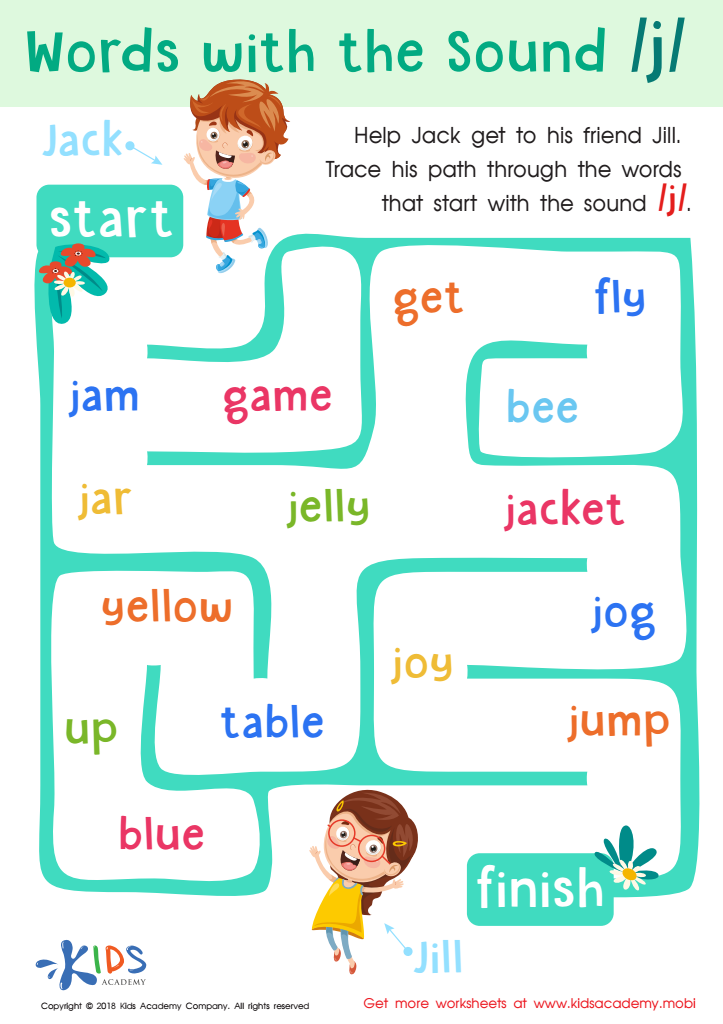
Words with sound j Reading Worksheet
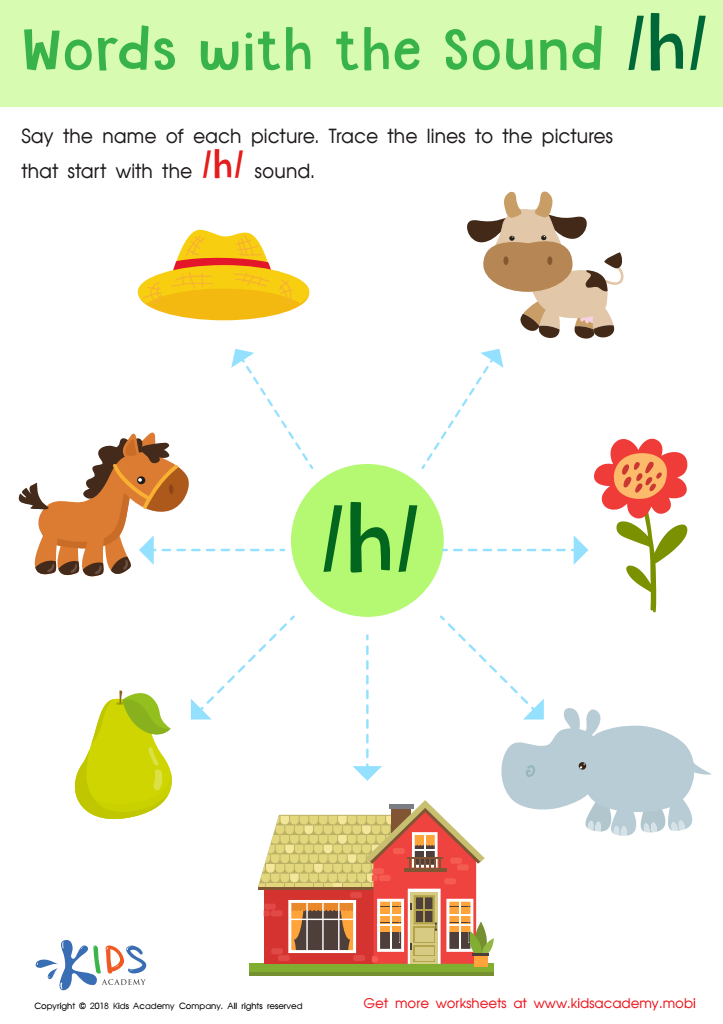
Words with sound h Reading Worksheet
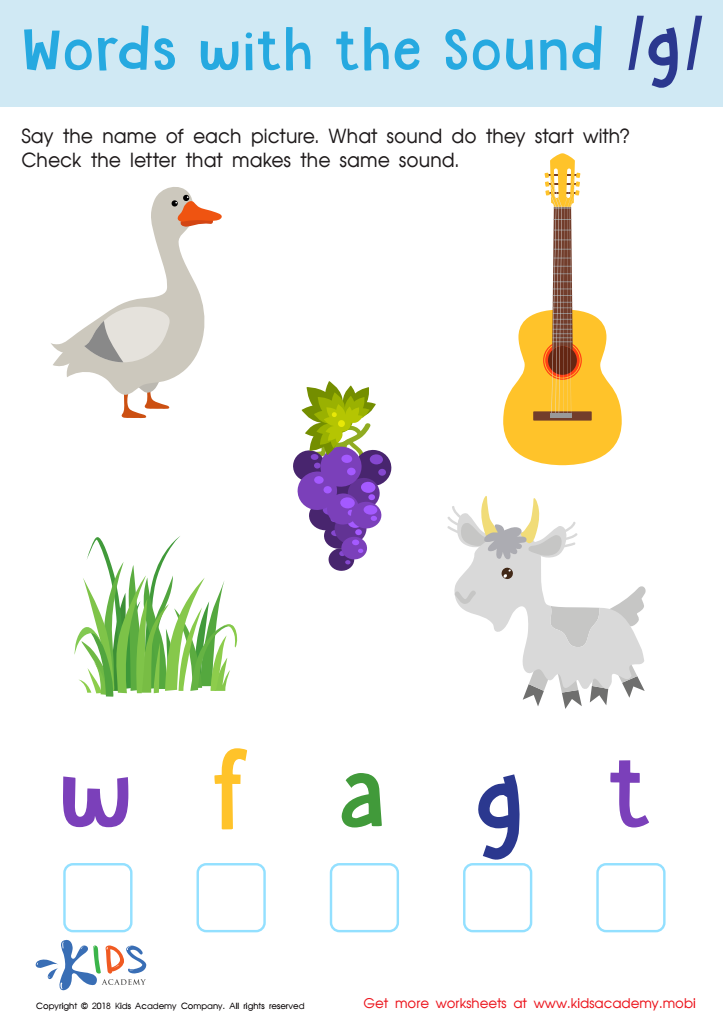
Words with sound g Reading Worksheet
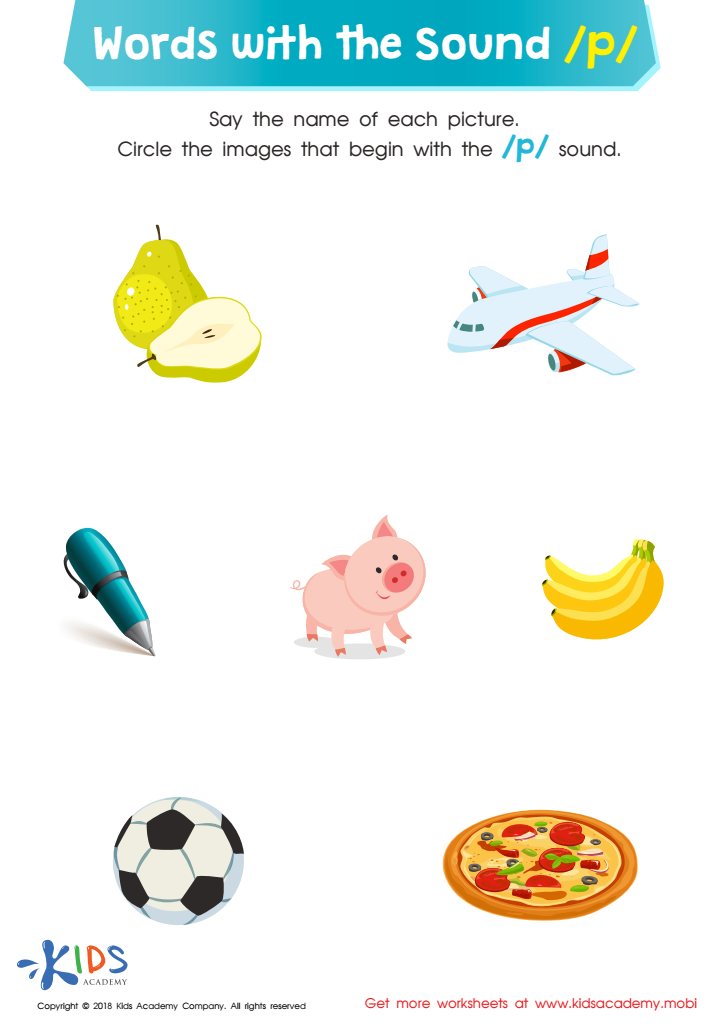
Words with sound p Reading Worksheet
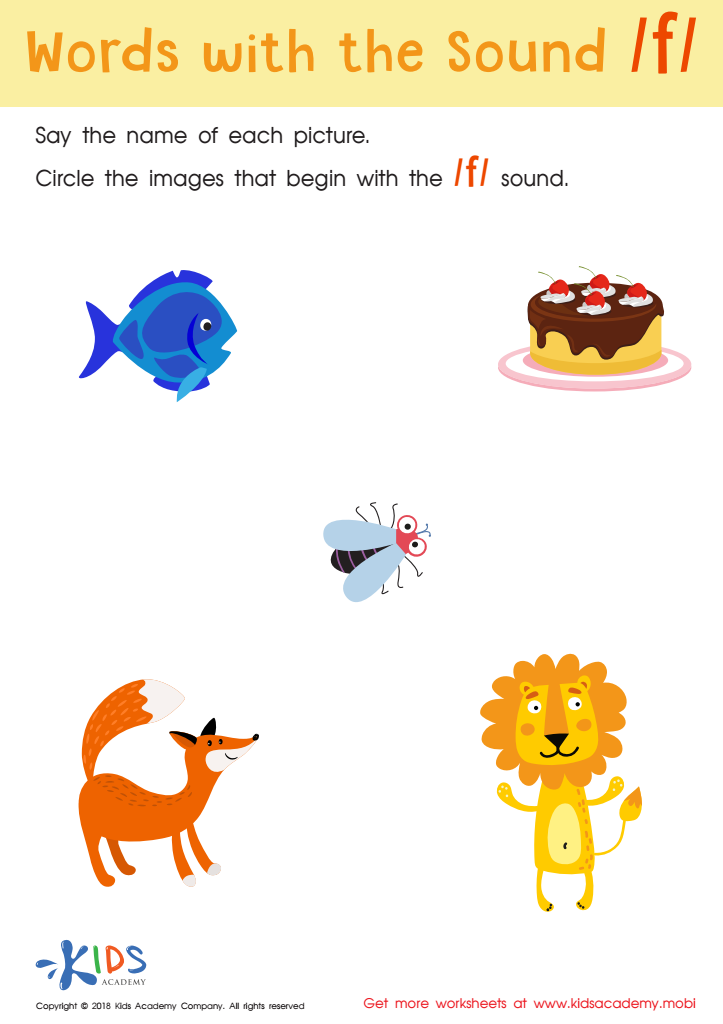
Words with sound f Reading Worksheet
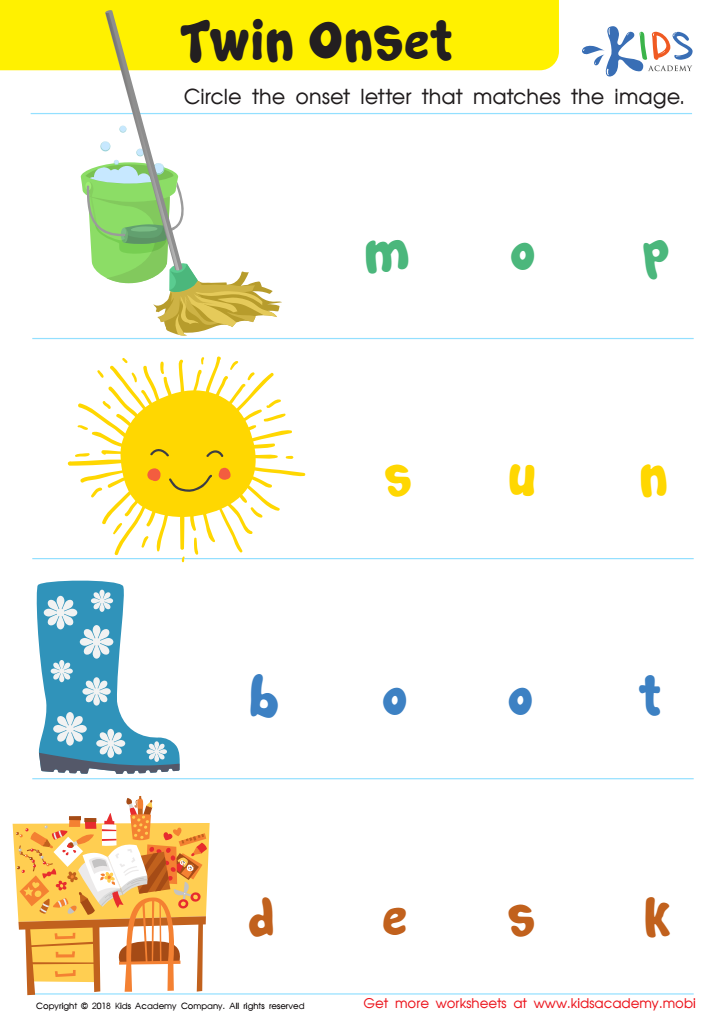
Twin Onset Worksheet
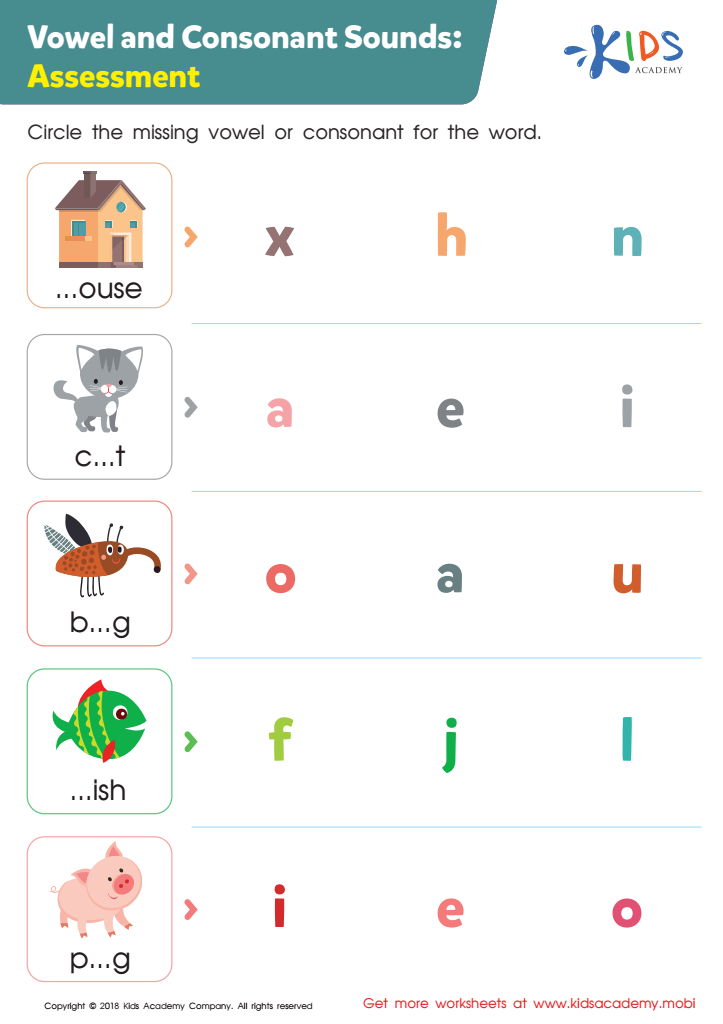
Vowel and Consonant Sounds: Assessment Worksheet
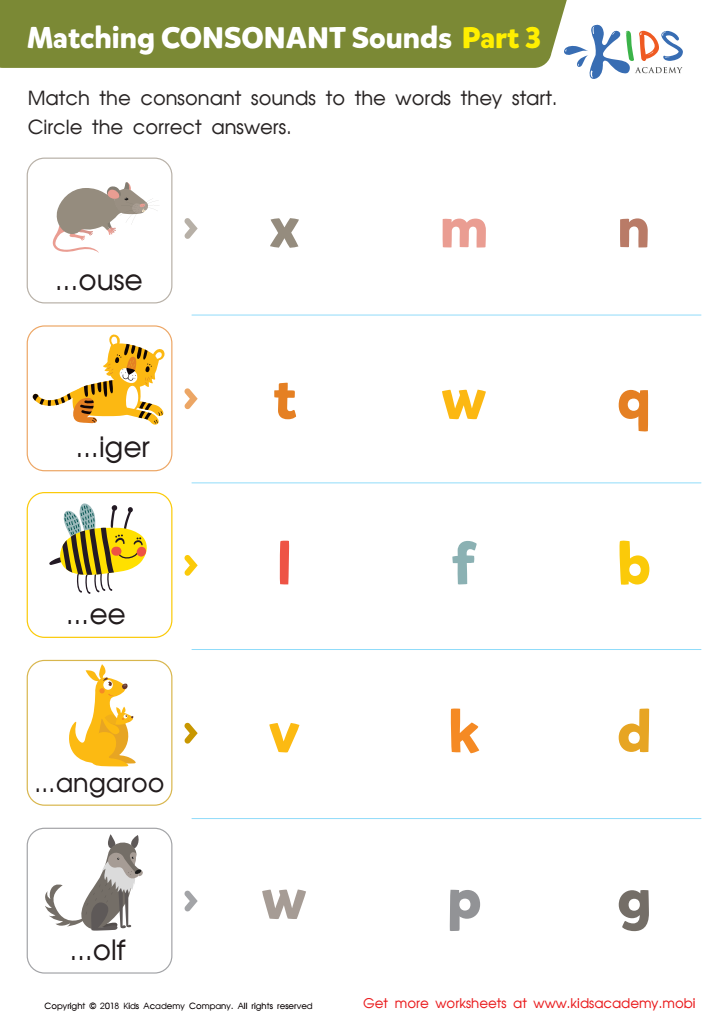
Matching Consonant Sounds: Part 3 Worksheet
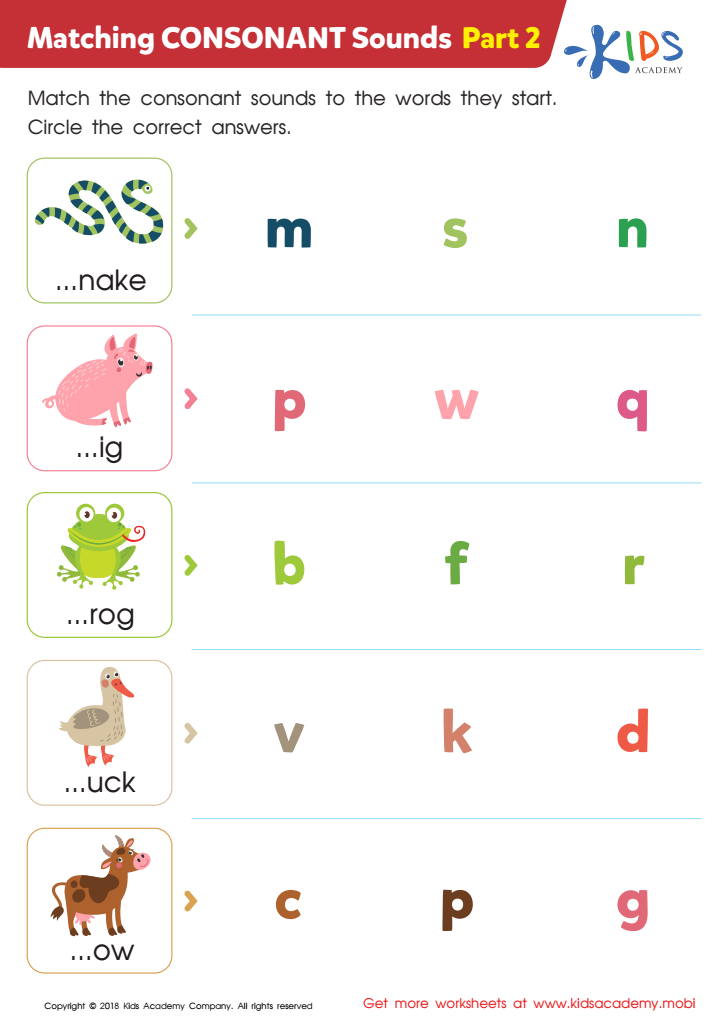
Matching Consonant Sounds: Part 2 Worksheet
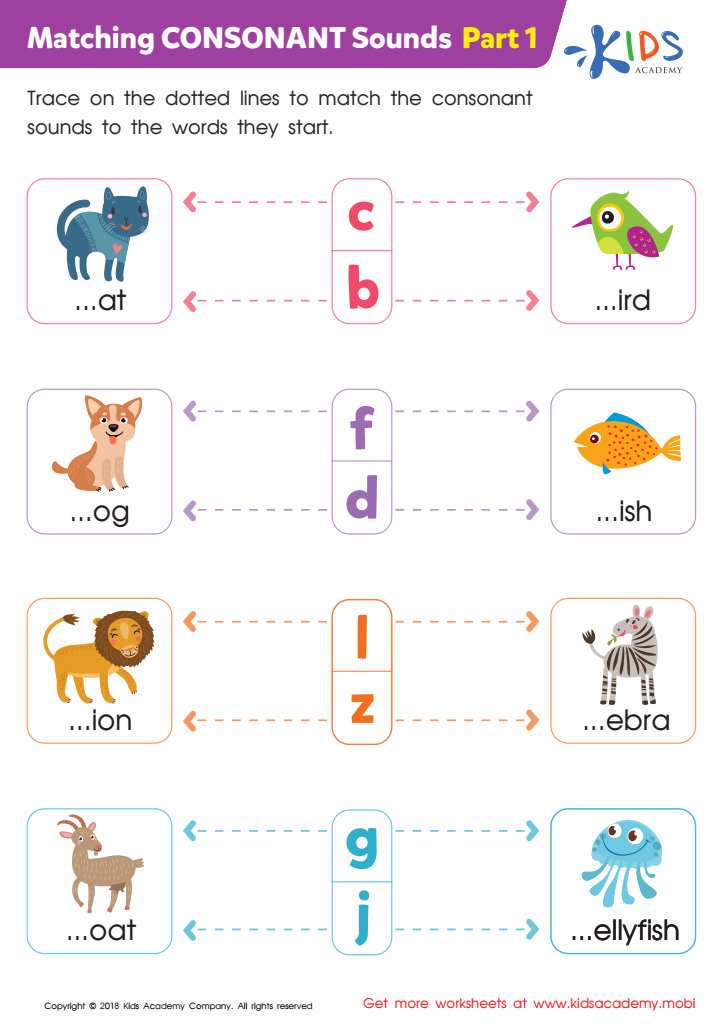
Matching Consonant Sounds: Part 1 Worksheet


Beginning consonants are fundamental to early literacy development and play a crucial role in helping children aged 3-5 recognize and produce sounds associated with letters. Understanding and identifying these consonants is essential for young learners as they lay the groundwork for reading and writing. When children can recognize the sound that corresponds to the first letter in a word, it enhances their phonemic awareness, which is critical for decoding words and improving vocabulary.
Parents and teachers should prioritize this skill because it fosters the ability to blend sounds into words, a critical step in learning to read. Early exposure to beginning consonants builds confidence and enjoyment in language, supporting children’s overall communication skills. Additionally, activities focused on beginning consonants—such as songs, games, or storytelling—can be fun, engaging, and interactive, which are essential for this age group's development.
Moreover, recognizing beginning consonants helps improve listening and memory skills, making learning more effective. Engaging children in playful learning experiences that emphasize these sounds connects them emotionally to language, setting a strong foundation for their academic success and a lifelong love of reading and learning. Therefore, investing time in this area is vital for educators and families alike.