Addition Facts Worksheets for Ages 3-5 - Page 2
26 filtered results
-
From - To
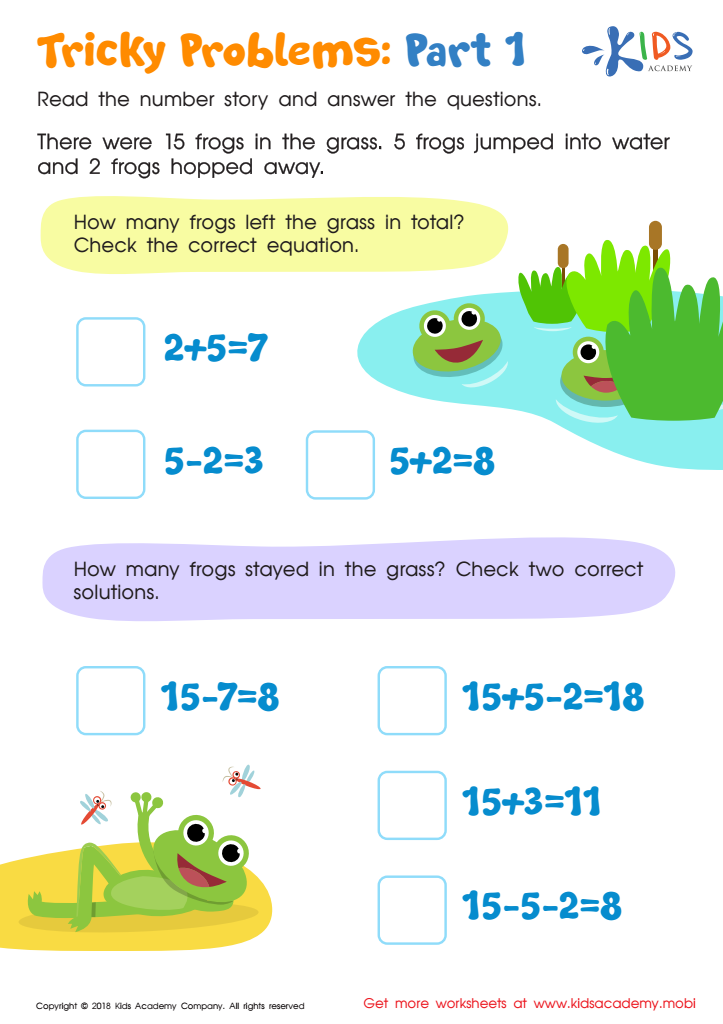
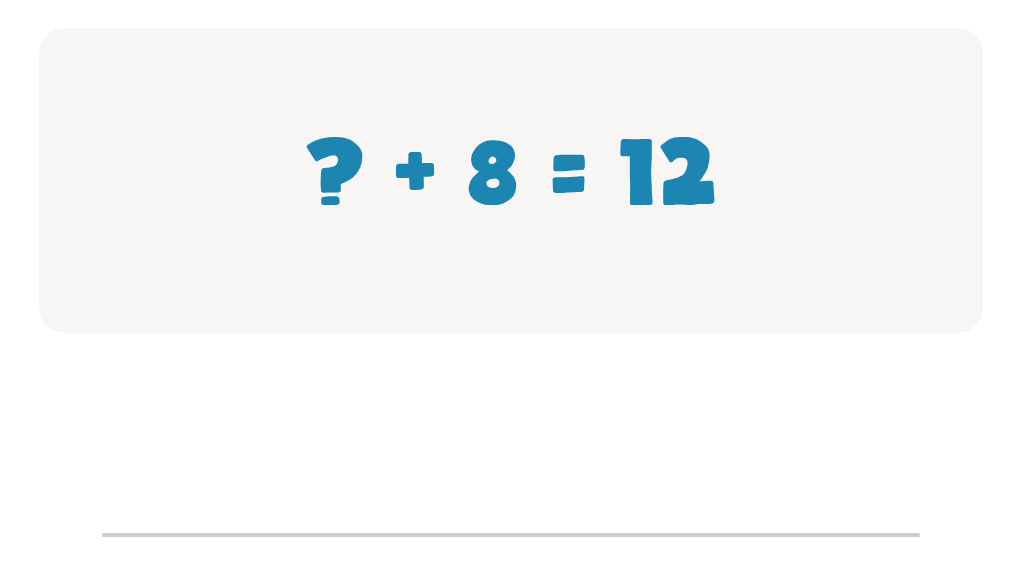
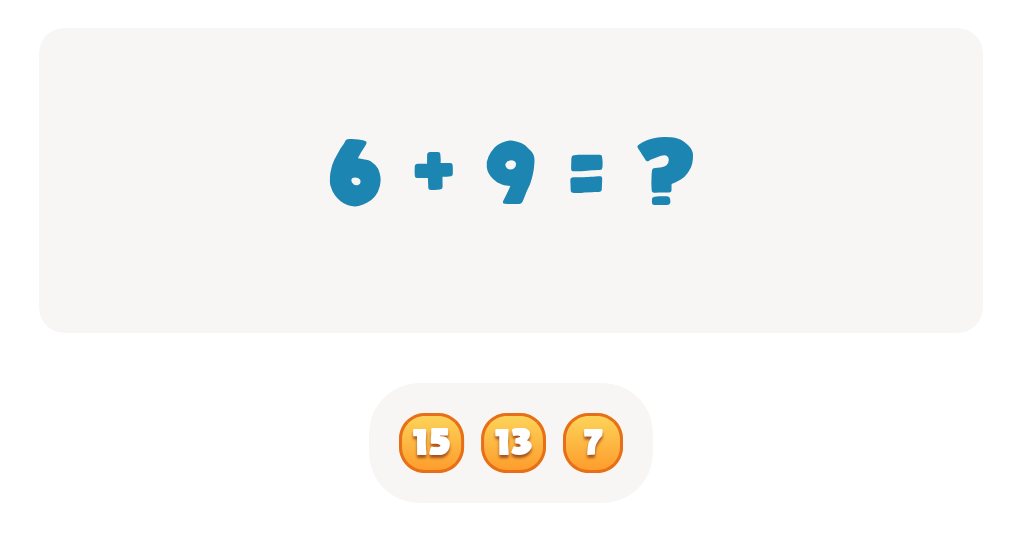
Tricky Problems Worksheet: Part 1
 Assign to My Students
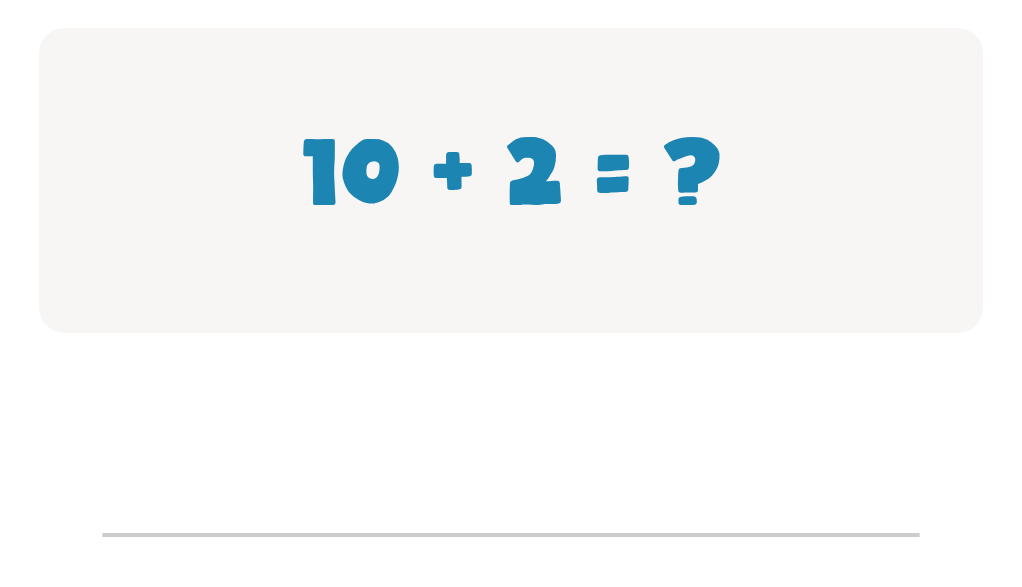

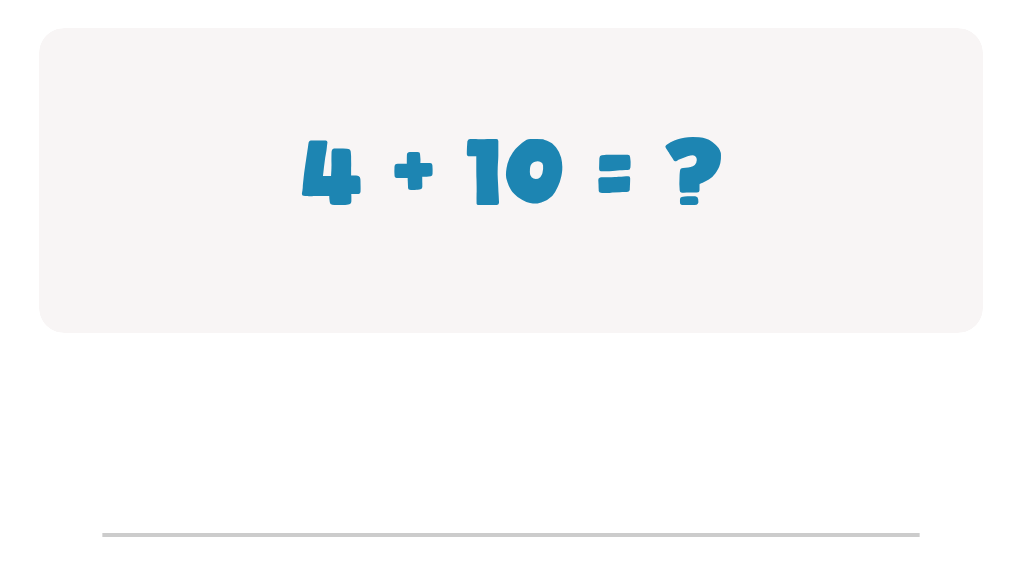
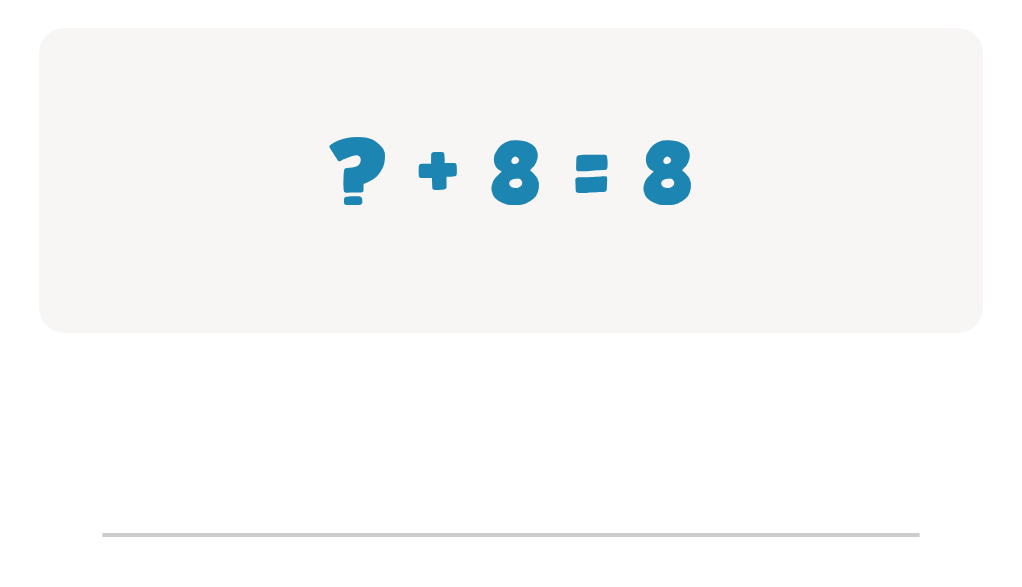
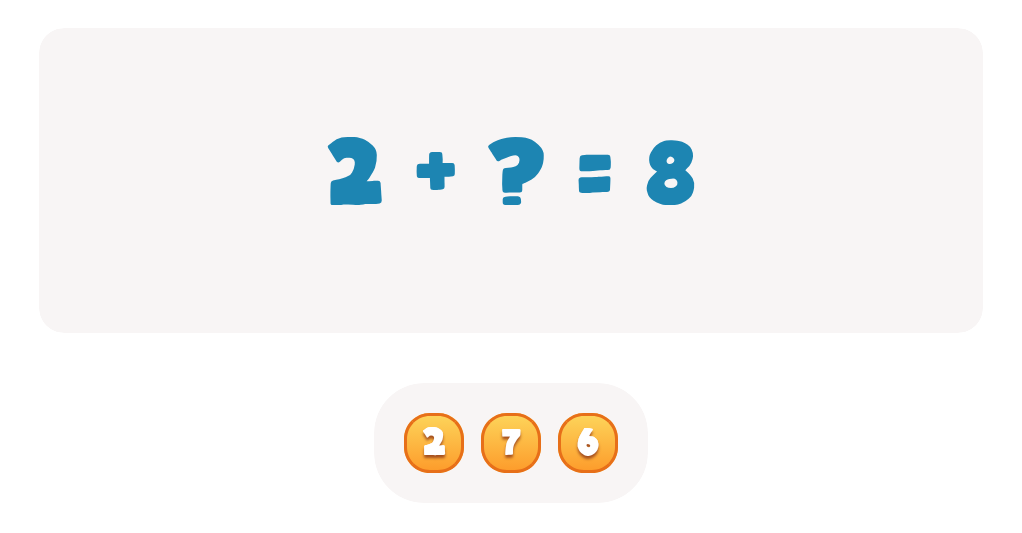
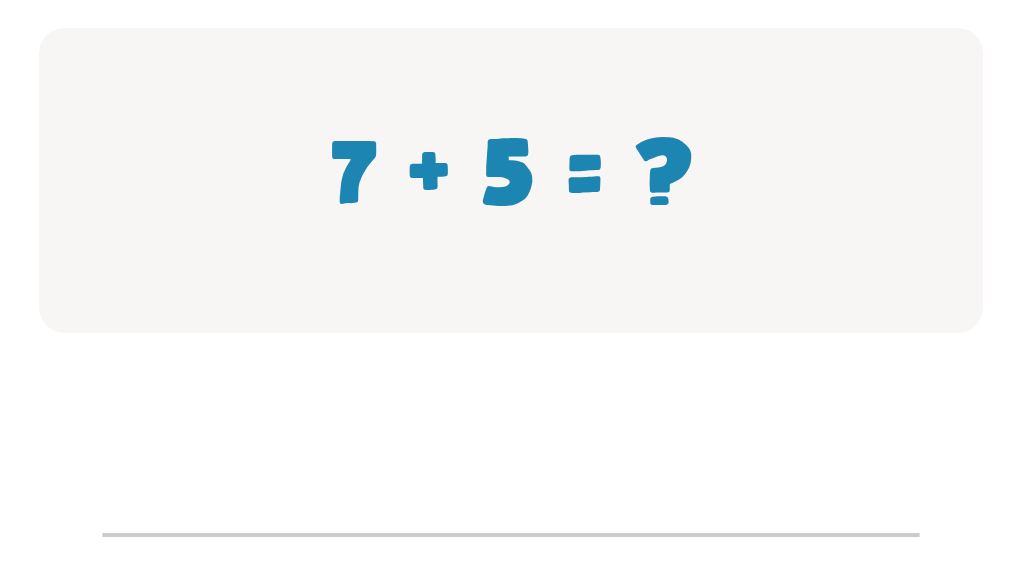
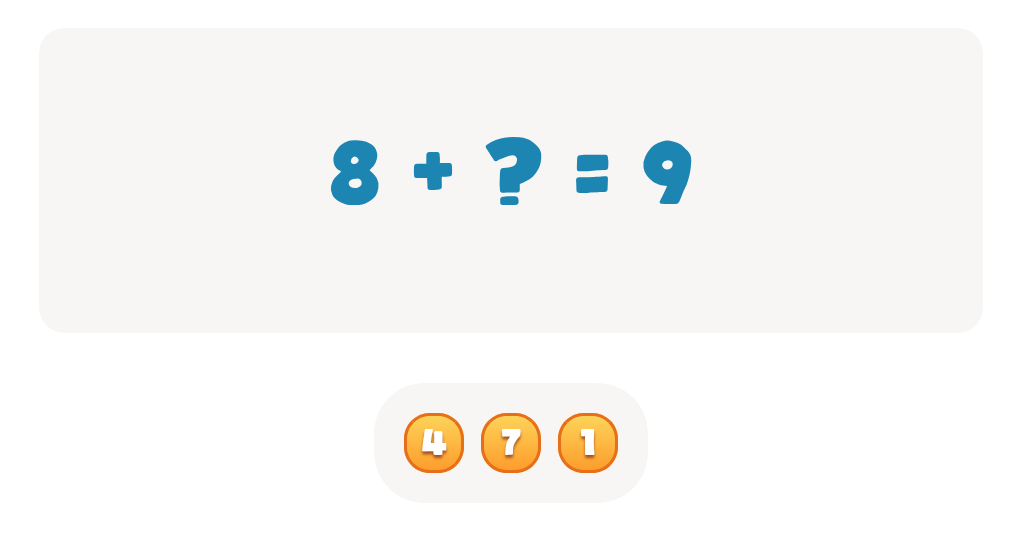

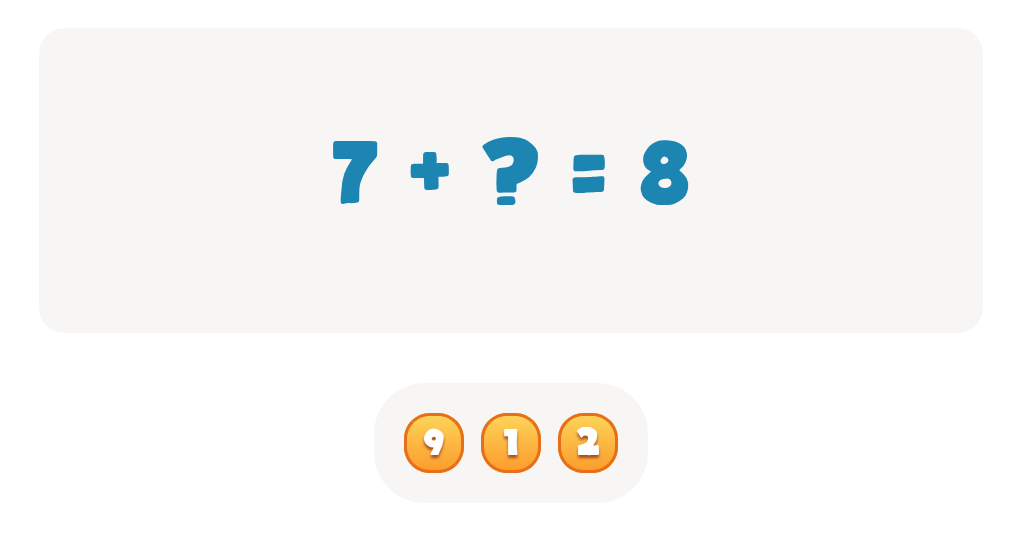
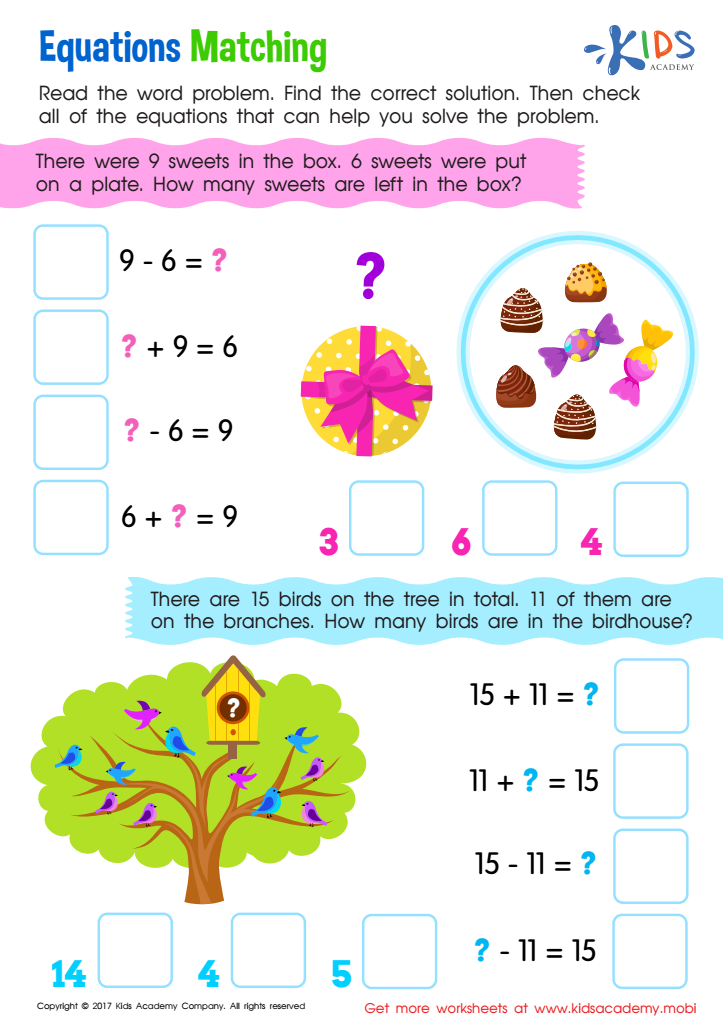
Equations Matching Word Problems Worksheet








Teaching addition facts to children aged 3-5 is crucial because it lays a solid foundation for their future math skills. Knowledge of basic addition supports cognitive development by enhancing their problem-solving abilities and critical thinking. Understanding the concept of "adding" encourages children to recognize patterns and relationships, a key skill in both math and other subjects.
Learning addition at an early age promotes confidence as children approach more complex mathematical problems in school. This sense of confidence builds a positive attitude towards learning, making children more willing to tackle new challenges. Early familiarity with numbers and addition helps with everyday practical activities, such as counting objects, sharing snacks, or understanding the concept of more and less.
Parental or teacher involvement is essential in making learning addition enjoyable. Using games, songs, and interactive activities can turn learning into an enjoyable and relational activity. Active participation by adults also reassures children, creating a supportive environment that's conducive to effective learning.
Finally, achieving fluency in basic addition paves the way for understanding more complex arithmetic operations and mathematics concepts as they advance in school. Consequently, parents and teachers who prioritize teaching addition facts from ages 3-5 set children on a path toward academic success and lifelong confidence in their mathematical abilities.








