Logical thinking development Math Worksheets for Ages 3-5
5 filtered results
-
From - To
Unlock your child’s potential with our Logical Thinking Development Math Worksheets, expertly designed for ages 3-5. These engaging, age-appropriate activities help little learners build foundational math and reasoning skills through fun and interactive exercises. From pattern recognition to problem-solving, our worksheets make learning enjoyable and effective. Specially curated by educational experts, each sheet promotes critical thinking, enhances number sense, and encourages hands-on exploration. Perfect for preschoolers and kindergartners, our worksheets support early education at home or in the classroom, providing an excellent start to a lifelong mathematical journey. Explore our collection today and watch your child's confidence grow!
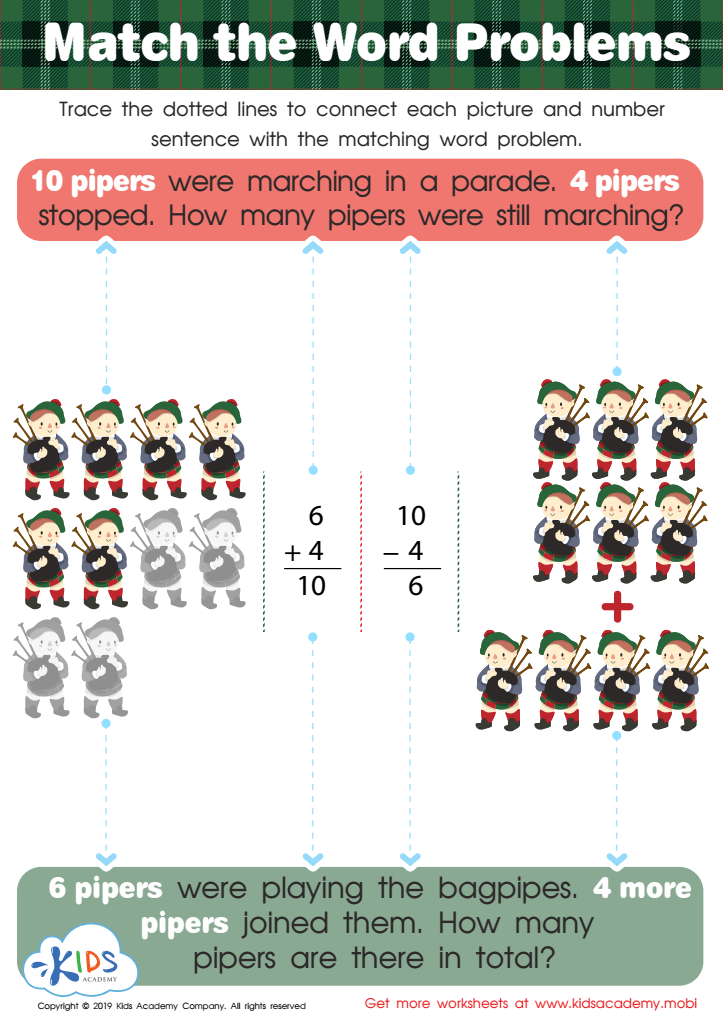
Match the Word Problems Worksheet
 Assign to My Students
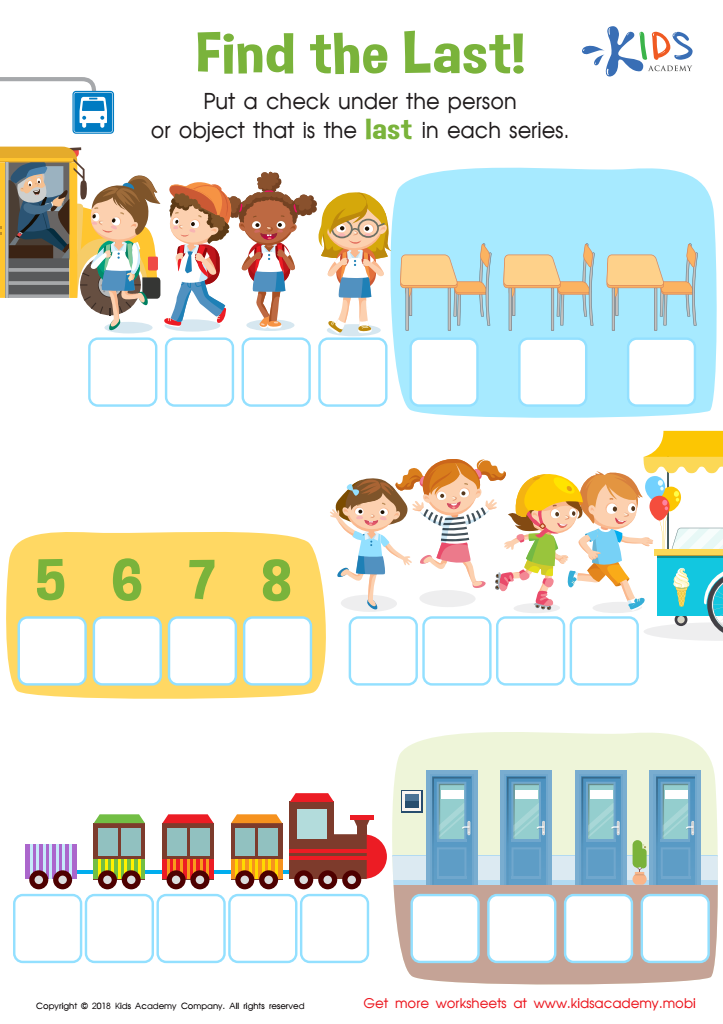
Find the Last! Worksheet
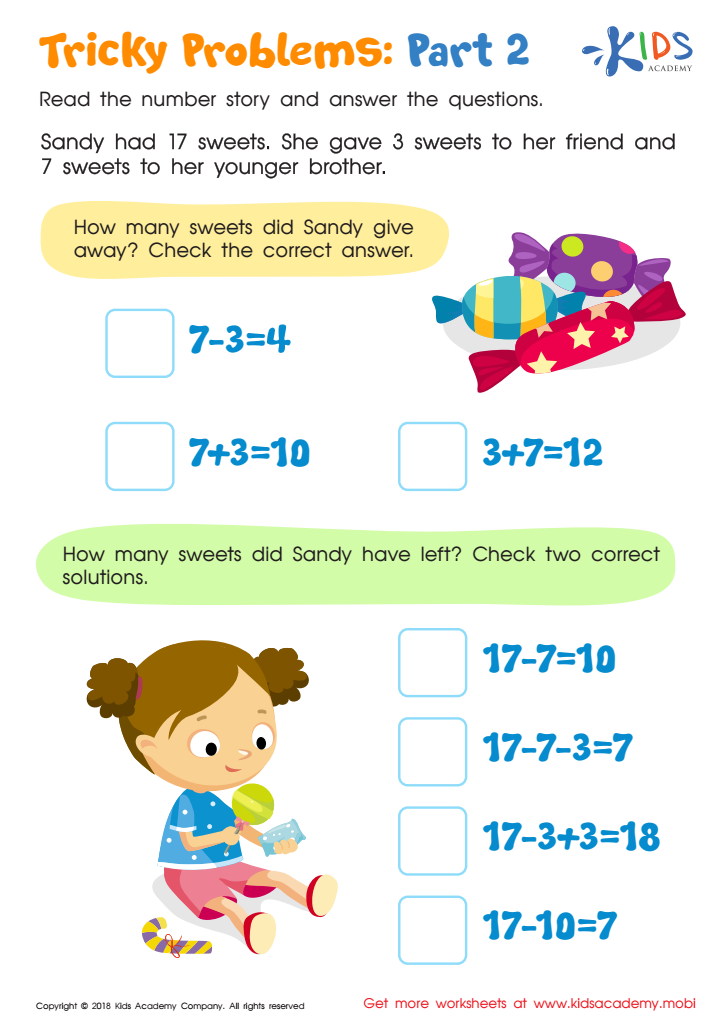
Tricky Problems Worksheet: Part 2
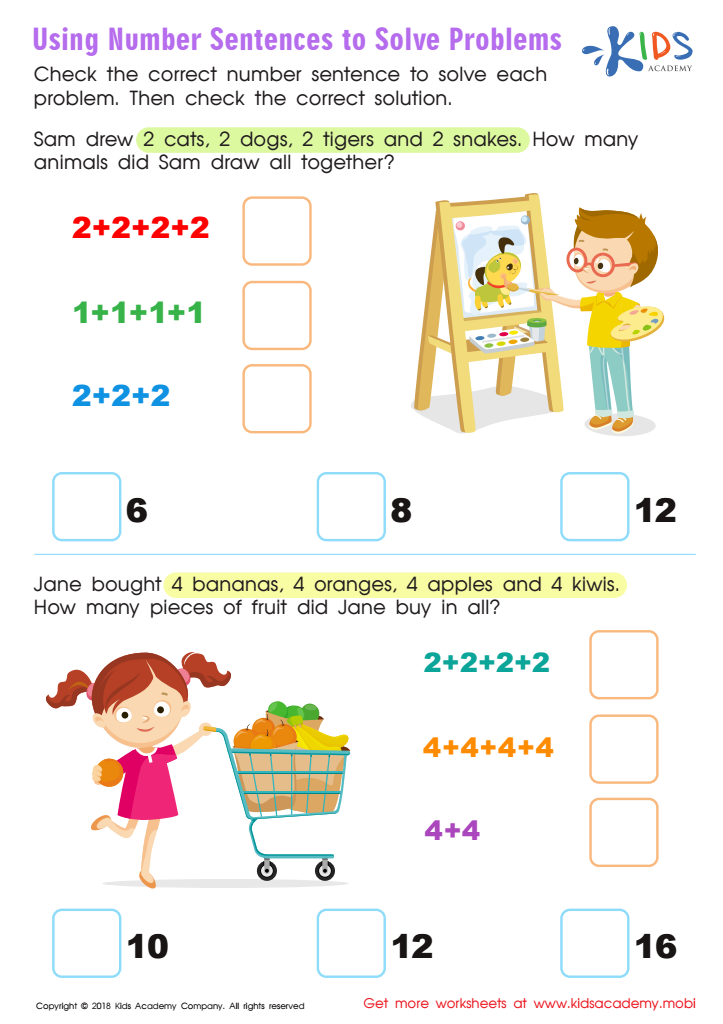
Using Number Sentences to Solve Problems Worksheet
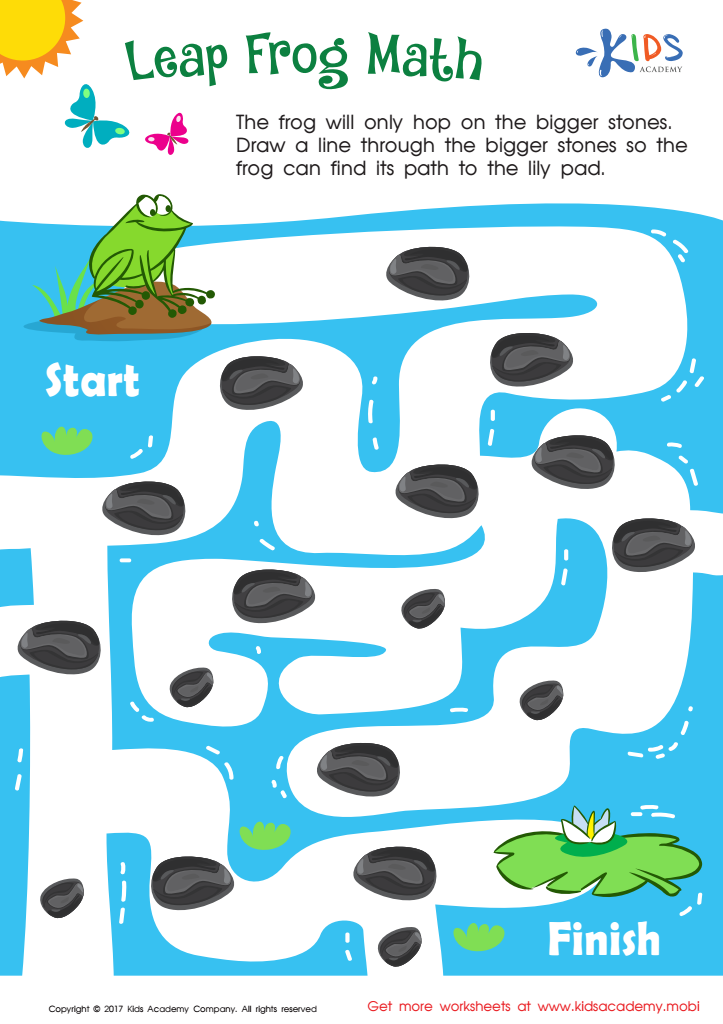
Math Puzzle Worksheet








Logical thinking development in mathematics for children ages 3-5 is essential because it laysthe foundation for future academic and real-life problem-solving skills. At this crucial developmental stage, young minds are incredibly receptive to new information and learning experiences. Teaching logical thinking through math helps to enhance kids' cognitive faculties, enabling them to better analyze situations, understand relationships, and make sensible decisions.
Starting with simple activities like sorting objects by size or color, recognizing patterns, and counting, children begin to grasp basic mathematical concepts and logical reasoning. These skills are not only fundamental for mathematics but are also transferable to other subjects and everyday tasks. For instance, understanding sequences and patterns can help in learning to read, while basic counting aids in managing activities like sharing toys fairly among friends.
Furthermore, encouraging logical thinking stimulates curiosity and enhances critical-thinking abilities, making youngsters more independent and confident learners. This early investment in cognitive skills also contributes to better emotional intelligence and social interaction, as children who problem-solve effectively are often better at managing conflicts and empathizing with others.
Conclusively, nurturing logical thinking through math activities from a young age sets children up for academic success and effective day-to-day functioning, making it a critical focus for both parents and teachers.








