Vowels and Consonants Worksheets for Ages 4-9 - Page 2
29 filtered results
-
From - To
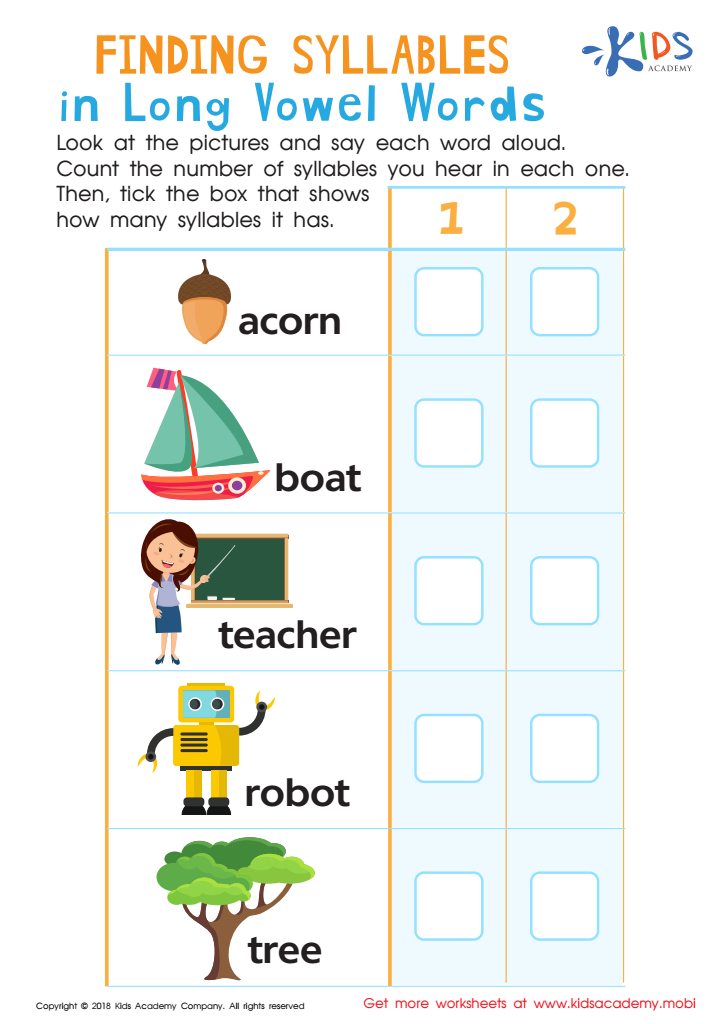
Finding Syllables in Long Vowel Words Worksheet
 Assign to My Students
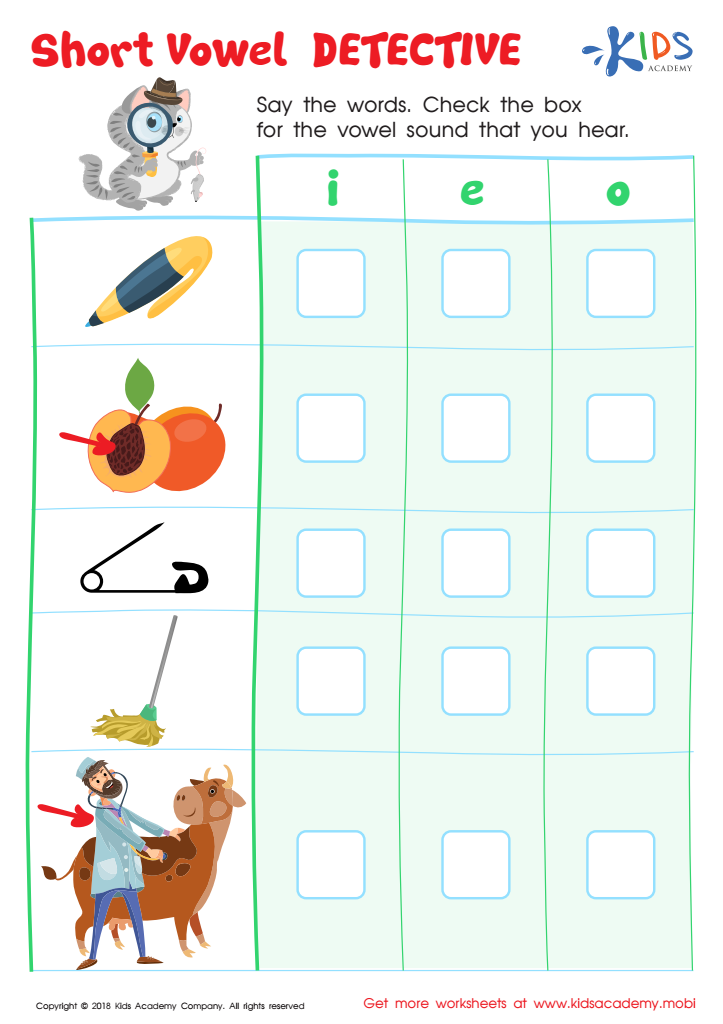
Short Vowel Detective Worksheet
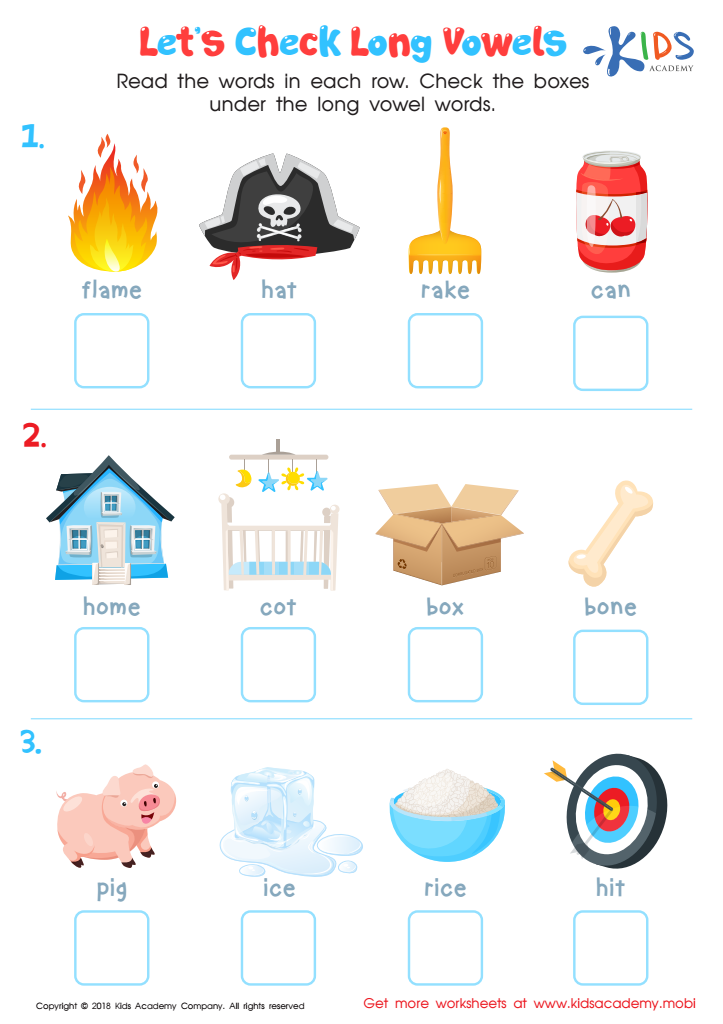
Let's Check Long Vowels: Assessment Worksheet
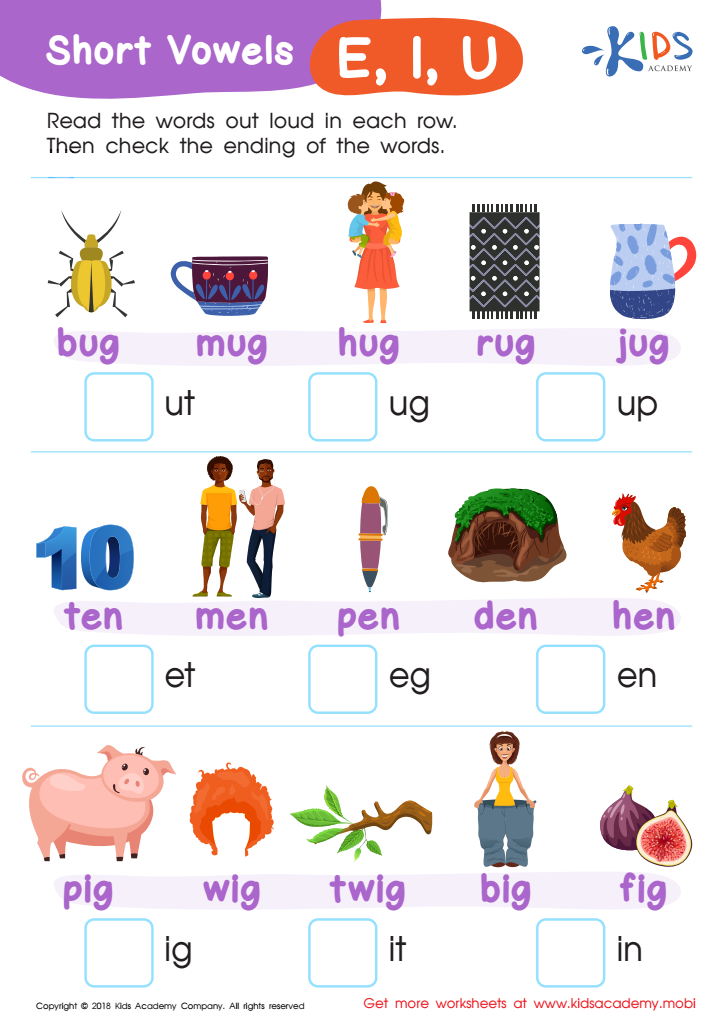
Short Vowels /e/, /i/, and /u/ Worksheet
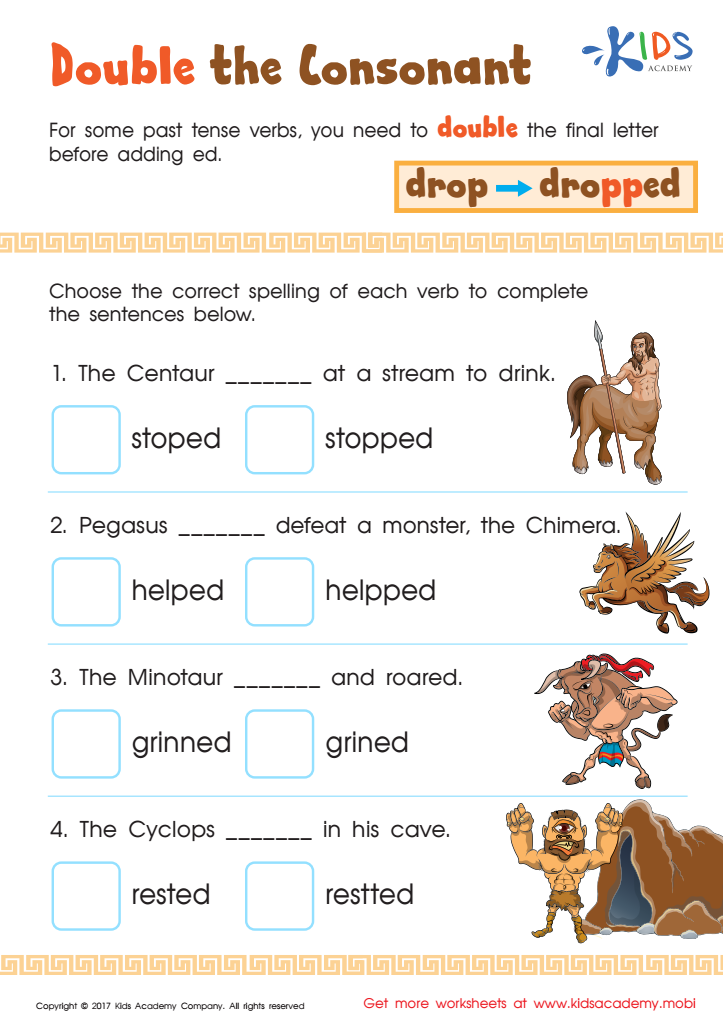
Double Consonant Spelling Worksheet



Understanding vowels and consonants is fundamental for young children’s literacy development. For ages 4-9, this knowledge lays the groundwork for reading and writing skills. Vowels (A, E, I, O, U, and sometimes Y) are essential because they form the core sounds of words, while consonants are the letters that surround them, providing clarity and context. Teaching children to recognize and produce these sounds supports their phonemic awareness, which is the ability to hear, identify, and manipulate sounds.
When parents and teachers emphasize the distinction between vowels and consonants, they help children improve their spelling, decoding, and pronunciation. For instance, knowledge about these letters aids in phonics, the method by which children learn to read. With strong vowel and consonant recognition, children can break down words into manageable parts, making unfamiliar words easier to tackle.
Additionally, a solid grasp of these concepts can boost children's confidence in their communication skills, encouraging a positive attitude toward reading and writing. In an age where early literacy is linked to lifelong academic success, investing time in teaching these foundational elements can yield significant long-term benefits for children's educational journeys.







