Filters

27 filtered results

Clear all filters
Favorites
With answer key
Interactive

27 filtered results

Difficulty Level

Grade


Subject

    Check out this FREE Trial Lesson on Graphs for age 4-9!

    Picture Graphs

    Favorites
    With answer key
    Interactive
    • 4-9
    • Interactive
    • Graphs
    Interpret the line plot worksheet
    Interpret the line plot worksheet

    Interpret Line Plot Worksheet

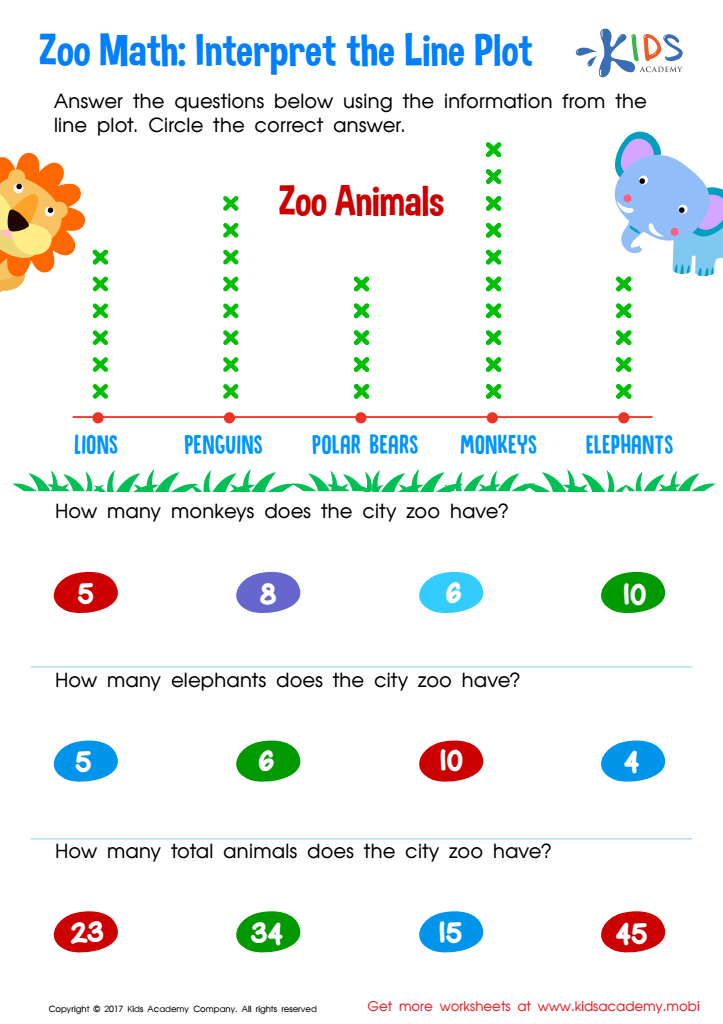
    Kids can learn to read graphs and analyze data easily with line plots. A fun zoo animal worksheet motivates kids to answer questions by reading the line plot and finding out how many animals a local zoo has.
    Interpret Line Plot Worksheet
    Worksheet
    Picture graph worksheet for 3rd
    Picture graph worksheet for 3rd

    Taxi Math Worksheet

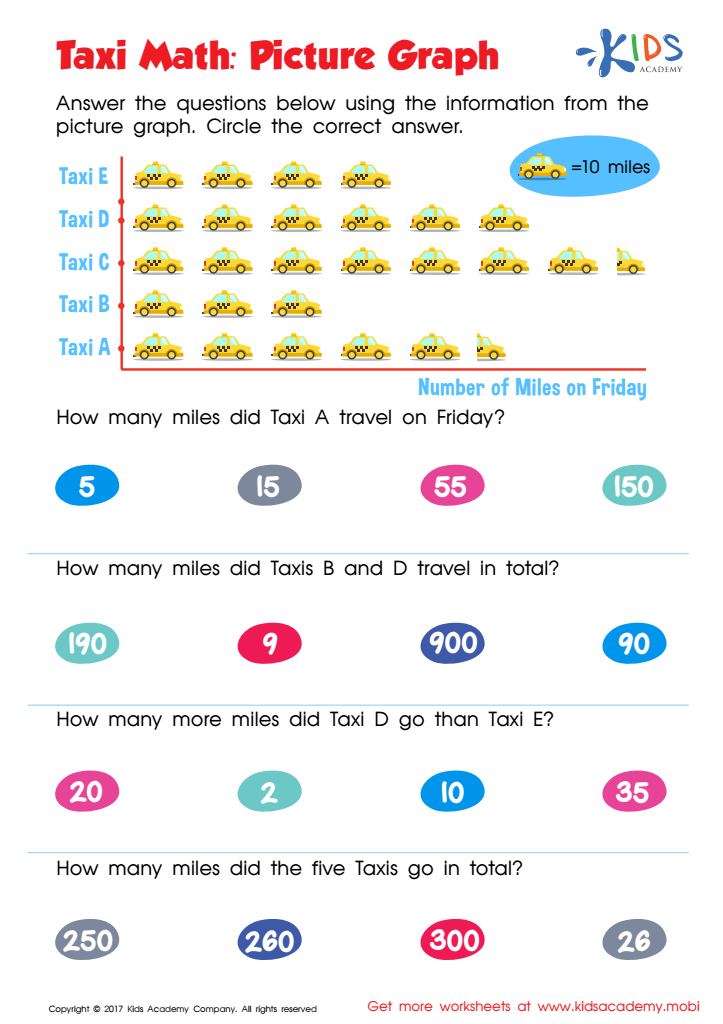
    This 3rd grade worksheet helps kids learn data viz with fun taxis and colors to make the graph come alive. Picture graphs are an engaging way to teach data analysis, and this worksheet is the perfect tool! Kids love picture graphs! This 3rd grade worksheet uses colorful taxis to help them learn to read graphs better. Each image represents a number, teaching data analysis with visuals and fun. An engaging way to learn data viz, this worksheet is perfect for young learners.
    Taxi Math Worksheet
    Worksheet
    Picture graph worksheet PDF
    Picture graph worksheet PDF

    Football Math Worksheet

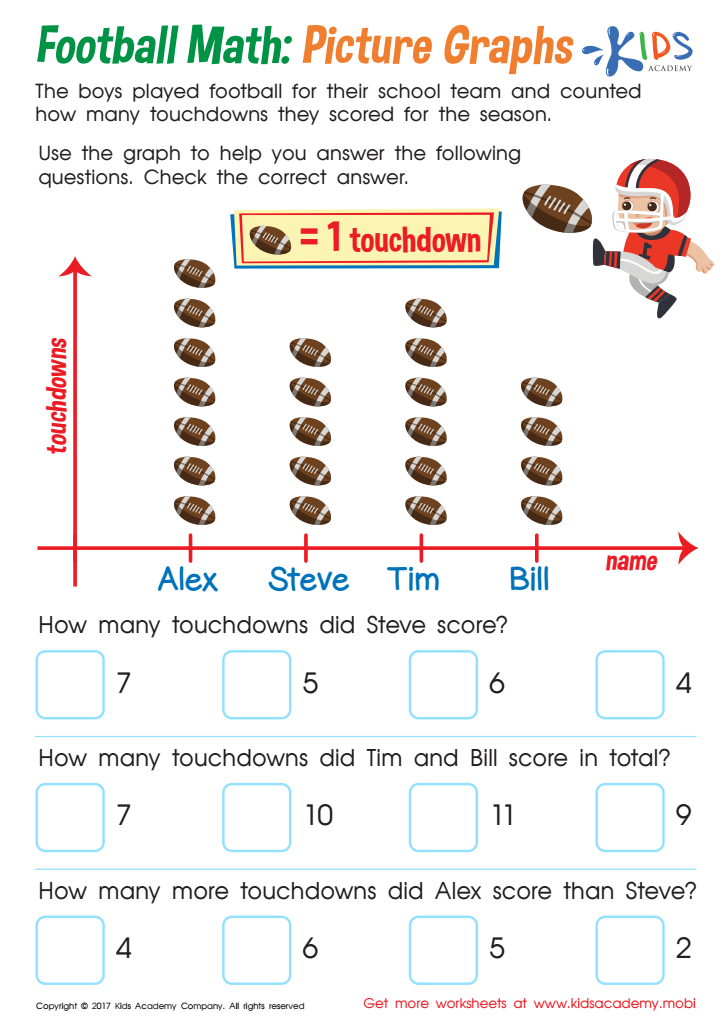
    It uses football-themed data to compare teammates' touchdowns. Perfect for motivating your child and helping them learn to read graphs in a fun way! Motivate your child to learn to read graphs with this fun and sporty picture graph worksheet! Football-themed data is used to compare teammates and their touchdowns, sure to delight your little sports fan. Perfect for teaching data analysis in an engaging way!
    Football Math Worksheet
    Worksheet


    Graphs are incredibly valuable for children ages 4-9 as they lay the foundation for essential math and critical thinking skills. Introducing graphs at an early age helps kids understand the concept of data representation and analysis in a very visual and engaging way, making abstract ideas more concrete.

    For parents, incorporating graphs into everyday activities can turn common tasks into learning opportunities. For example, tracking the number of fruits eaten each week on a bar graph can make nutrition fun while teaching basic counting and categorization skills.

    For teachers, using graphs in the classroom supports the curriculum by teaching kids how to collect, organize, and interpret information. Picture graphs, bar graphs, and simple charts align with early math standards and enhance literacy as students learn to read and create visual data displays. Additionally, graph-related activities often encourage cooperative learning as students work together to gather and discuss data.

    Overall, introducing graphs at an early age fosters analytical skills, supports subject integration, and enhances visual learning. It prepares children for future academic challenges by giving them tools to understand and communicate information effectively. Therefore, both parents and teachers should consider emphasizing graph-related activities to nurture a child's growth holistically.