Easy Beginning Sounds Worksheets for Ages 3-5
4 filtered results
-
From - To
Easy Beginning Sounds Worksheets for Ages 3-5
Introduce your little ones to the exciting world of letters and sounds with our Easy Beginning Sounds worksheets, expertly crafted for children ages 3-5. These engaging and interactive pages are designed to make learning fun, laying the foundational skills necessary for reading mastery. With vibrant illustrations and simple instructions, children will effortlessly match letters to their corresponding sounds, enhancing phonemic awareness from a young age. Ideal for preschoolers and kindergarteners, our worksheets offer a gentle introduction to the alphabet, encouraging early literacy in a joyful and accessible way. Start your child’s educational journey with confidence and curiosity!
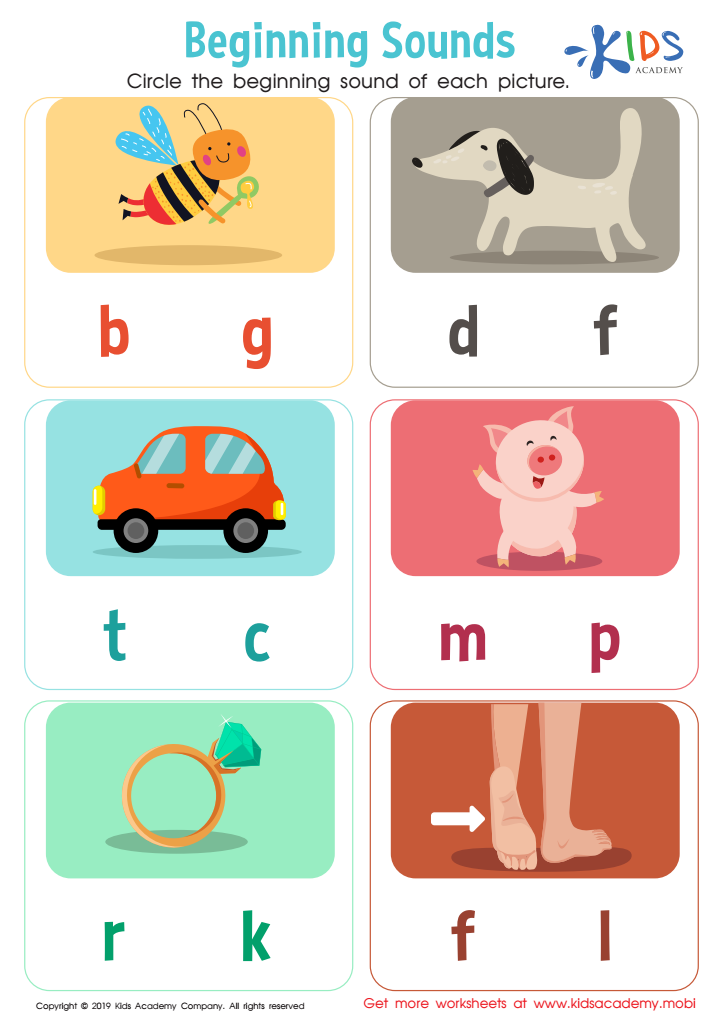
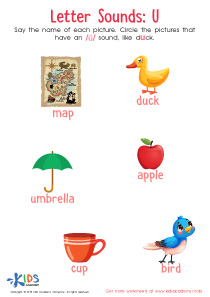
Beginning Sounds Worksheet
 Assign to My Students
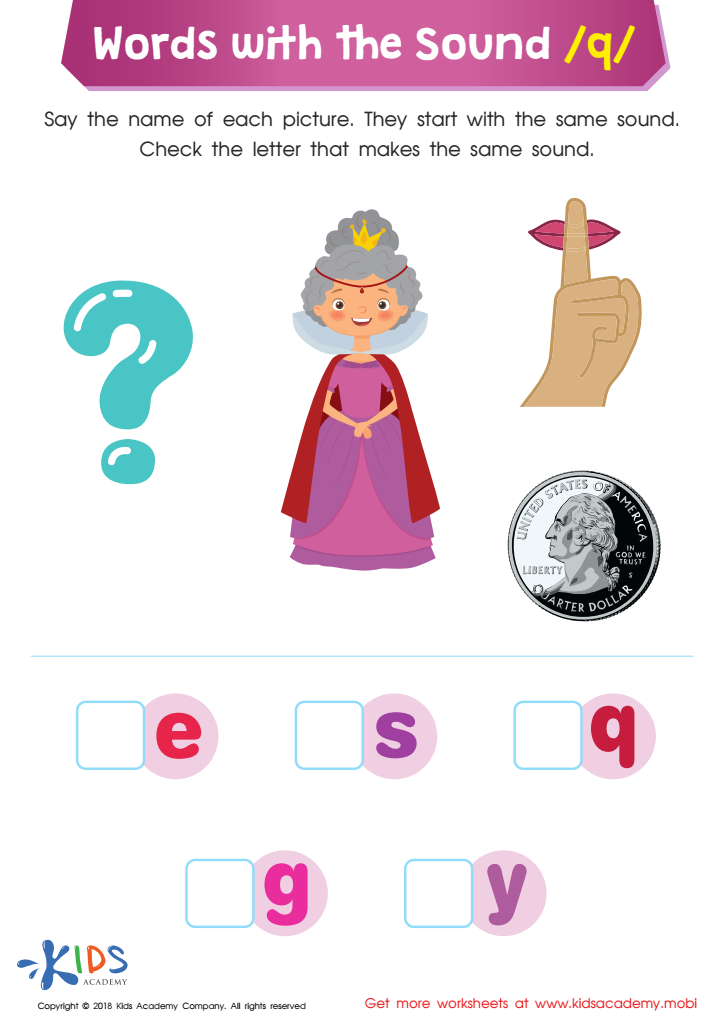
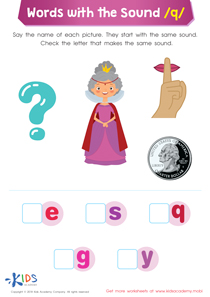
Words with Sound Q Reading Worksheet
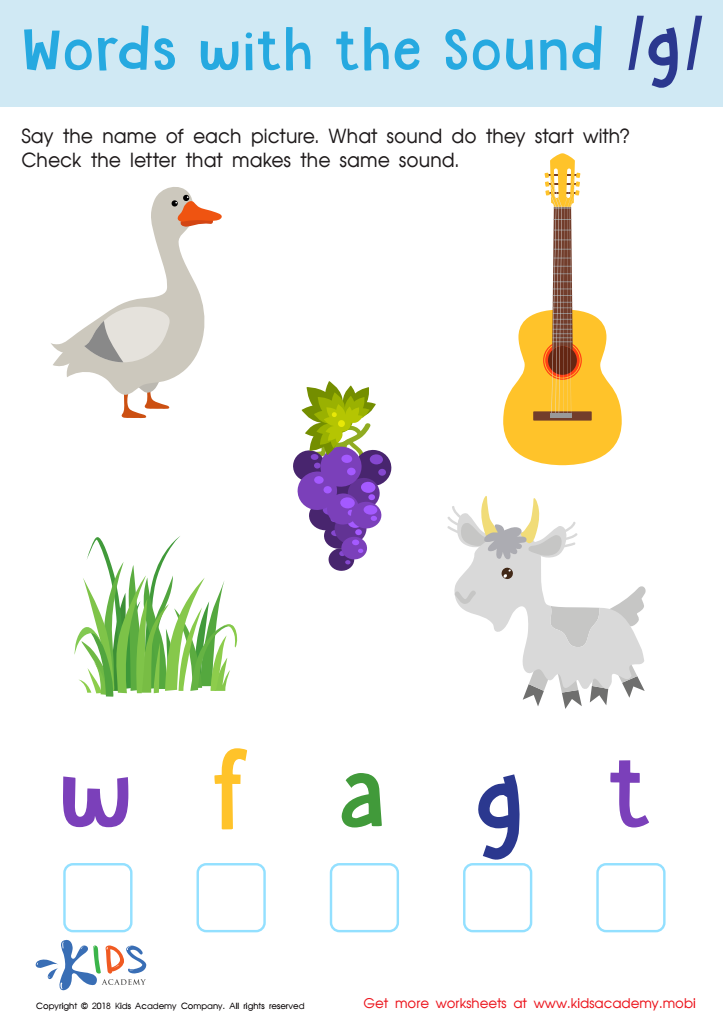
Words with sound g Reading Worksheet
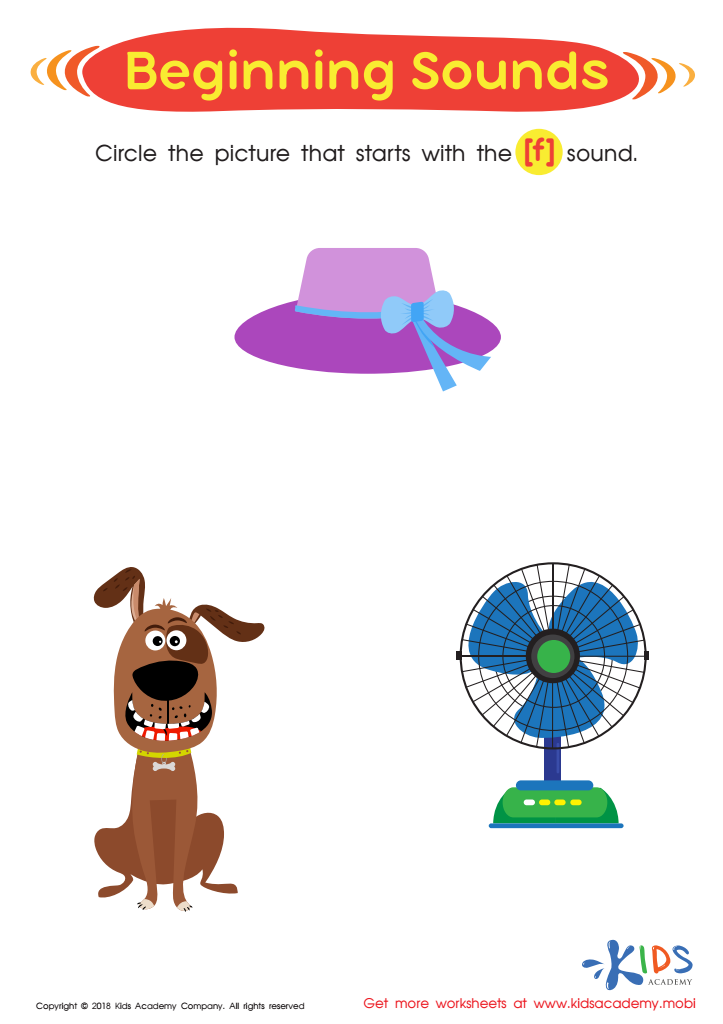
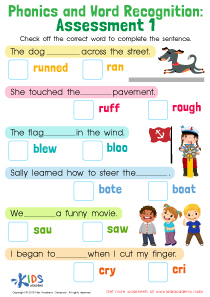
Beginning Sounds Assessment Printable








Easy Beginning Sounds worksheets are an invaluable educational tool designed specifically for young learners, ages 3-5. These age-appropriate worksheets provide a foundational stepping stone in the journey of literacy, making them an essential component of early childhood education. By focusing on the initial sounds of words, these worksheets help children develop phonemic awareness, a critical skill in learning to read.
Children in this age group are naturally curious and eager to explore the world around them. Easy Beginning Sounds worksheets tap into this inherent curiosity by offering a fun, interactive way to engage with letters and sounds. This playful approach to learning ensures that children remain interested and motivated, turning what could be a challenging task into an enjoyable activity.
Moreover, these worksheets are designed to cater to the developmental needs of 3 to 5-year-olds. They offer just the right level of challenge to stimulate learning without causing frustration. Through repetition and practice, children become familiar with the sounds that letters make, setting a strong foundation for phonics, reading, and spelling skills that they will continue to build upon in their future educational journey.
In summary, Easy Beginning Sounds for Ages 3-5 worksheets are a crucial educational resource. They not only support the development of essential early literacy skills but also foster a love for learning through engaging and age-appropriate activities.