Fine Motor Skills Easy Numbers 11–20 Worksheets for Ages 4-6
4 filtered results
-
From - To
Enhance your child's fine motor skills with our engaging Fine Motor Skills Easy Numbers 11–20 Worksheets, designed specifically for ages 4-6. These delightful worksheets not only familiarize young learners with numbers 11-20 but also strengthen their hand-eye coordination. Your child will enjoy tracing, coloring, and other interactive activities that make learning both fun and effective. Perfect for preschool and kindergarten students, these worksheets blend education with play, fostering essential early mathematical skills while promoting fine motor development. Equip your little one for academic success with these captivating resources today!
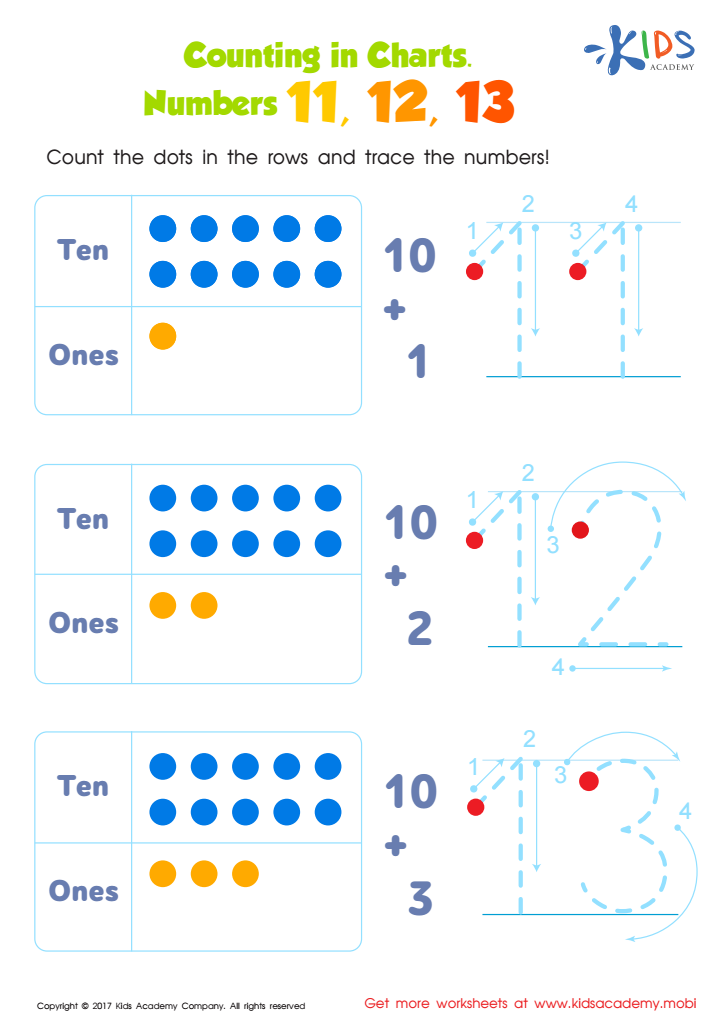
Number Tracing Worksheet For Kindergarten
 Assign to My Students
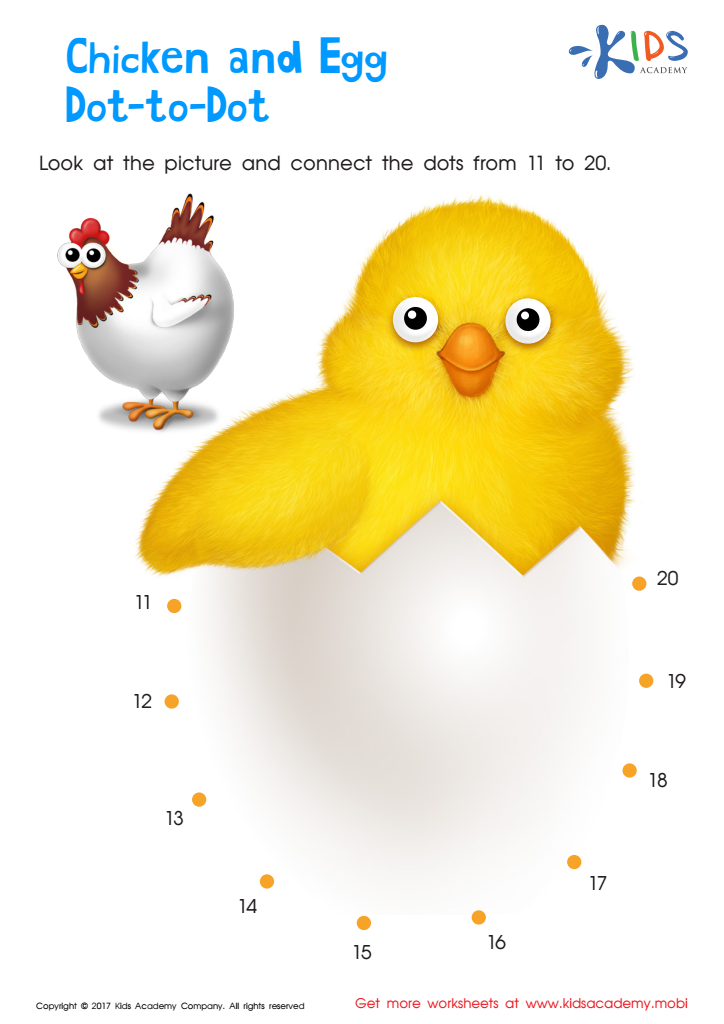
Ordering 11–20: Chicken & Egg Dot–to–dot Worksheet
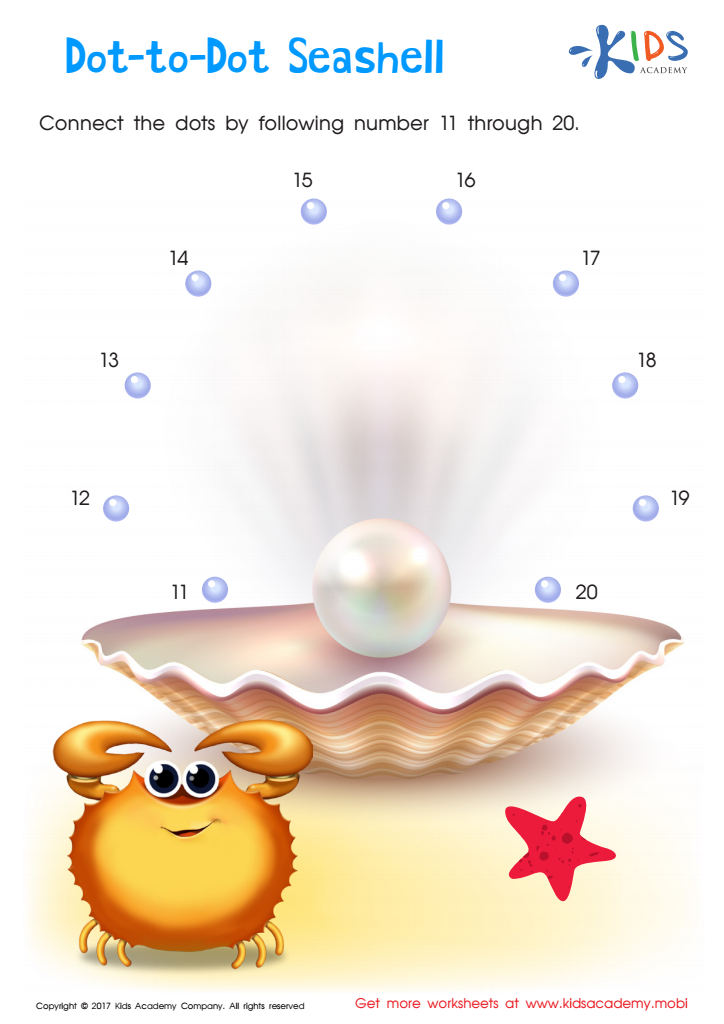
Ordering 11–20: Dot–to–dot Seashell Printable
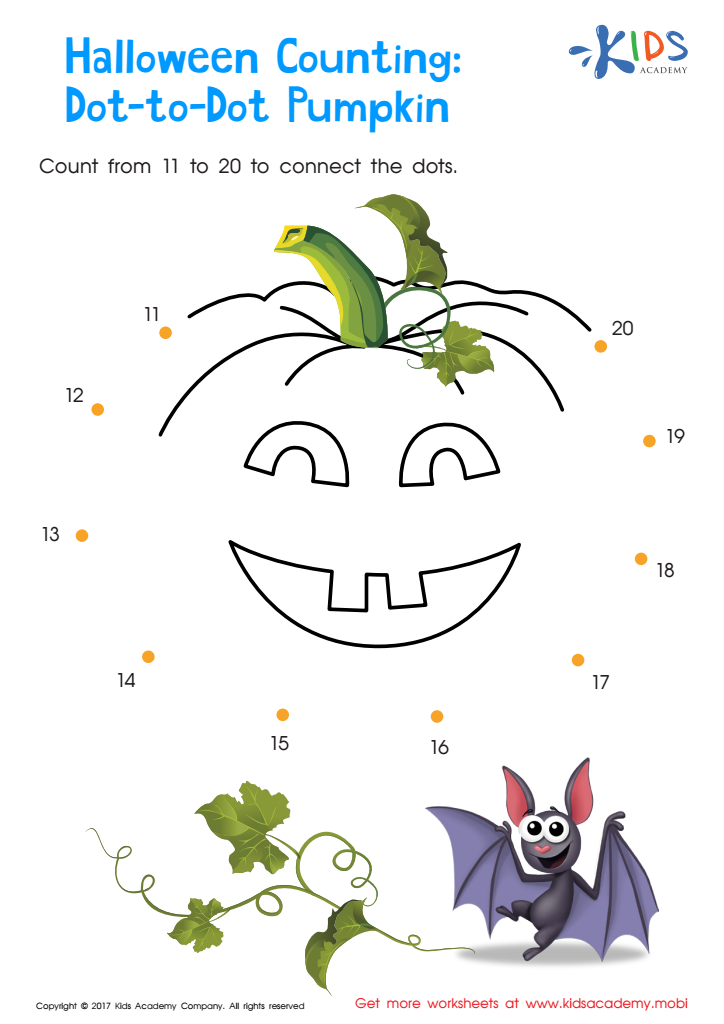
Ordering 11–20: Halloween Counting Worksheet



Fine motor skills involve the small muscles in our hands and fingers that enable precise movements – essential for everyday tasks such as writing, buttoning clothes, and tying shoelaces. Cultivating fine motor skills in children aged 4-6 is crucial as these formative years lay the foundation for academic and life-long success. Easy Numbers 11-20 activities specifically target the development of these fine motor skills alongside basic numeracy.
At this age, children are just beginning to hone their ability to hold and maneuver pencils, markers, and other tools effectively. Engaging them in tracing, drawing, and simple math activities enhances their hand-eye coordination and dexterity. Practicing numbers 11-20 also introduces foundational math concepts, setting the stage for more complex arithmetic operations in the future.
Moreover, integrating fine motor skill development in numeracy tasks keeps learning enjoyable and builds confidence. Children are more likely to engage enthusiastically when they succeed in manipulating objects or drawing numbers correctly. This enjoyment promotes a positive learning experience and builds perseverance.
Parents and teachers should focus on these activities not just for immediate educational benefits, but to equip children with the abilities to manage daily tasks independently, fostering a sense of achievement and self-sufficiency as they grow.