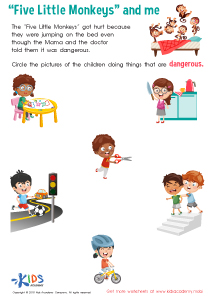
Discover a fun and engaging way to enhance your child's cognitive skills with our "Critical Thinking Easy Reading Worksheets for Ages 4-6." Designed to spark curiosity and develop problem-solving abilities, these worksheets offer age-appropriate challenges suited for early learners. Kids will enjoy activities that encourage them to think critically and logically while improving their reading comprehension. Perfect for young minds, these worksheets are an essential resource for parents and educators aiming to build a solid foundation in critical thinking from an early age. Join us in making learning an delightful adventure!

Check out this FREE Trial Lesson on Reading for age 4-6!

Context Clues

Favorites
With answer key
Interactive
  • 4-6
  • Interactive
  • Critical Thinking
  • Reading
  • Easy
=
=

Yesterday's Park Fun Worksheet

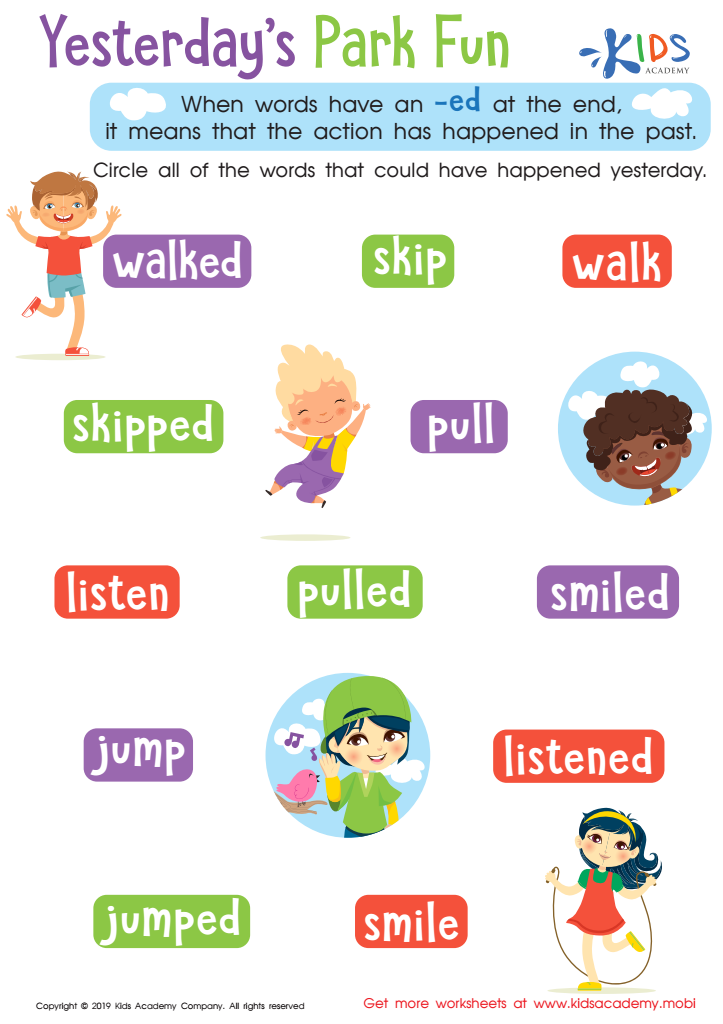
Add -ed to the end of words and you get a word that happened in the past. This PDF helps your child understand this concept by giving practice examples: walk, pull, jump and smile can all be transformed into the past tense with a -ed suffix. They'll circle all the words that happened yesterday and learn about the past tense.
Yesterday's Park Fun Worksheet
Worksheet
What Does It Mean? Worksheet

What Does It Mean? Worksheet

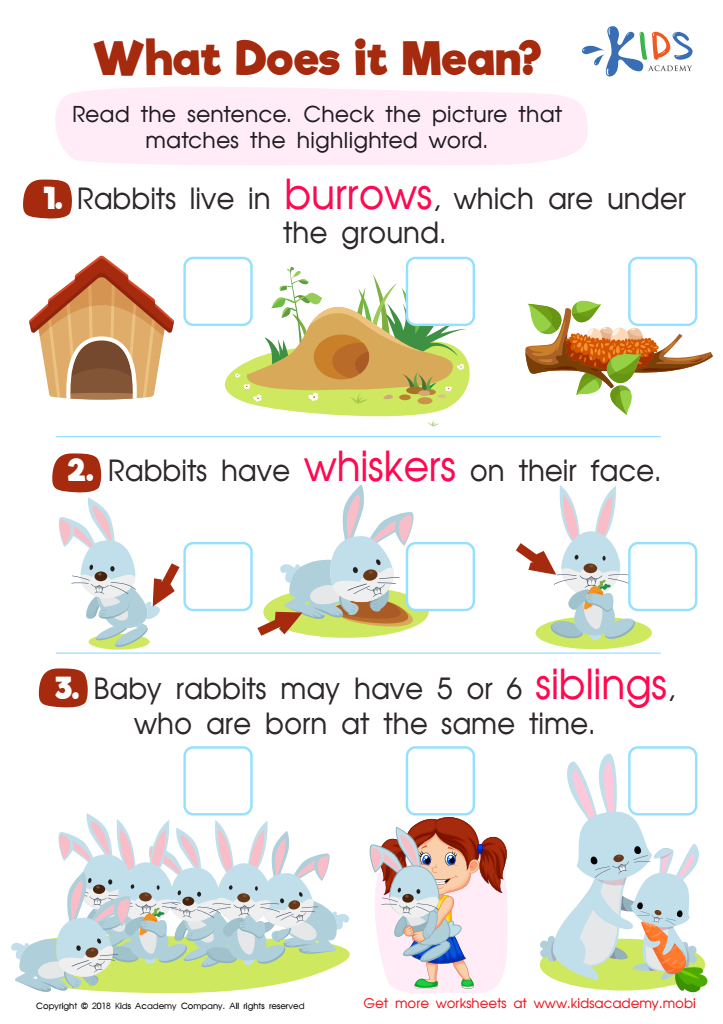
Teach your child to use context clues with this engaging Kids Academy worksheet. Read the sentences and find the pink-highlighted word. Use the other words in the sentence to figure out the meaning, then check the box next to the picture that represents it.
What Does It Mean? Worksheet
Worksheet
Questions About Stories: Assessment 1 Worksheet

Questions About Stories: Assessment 1 Worksheet

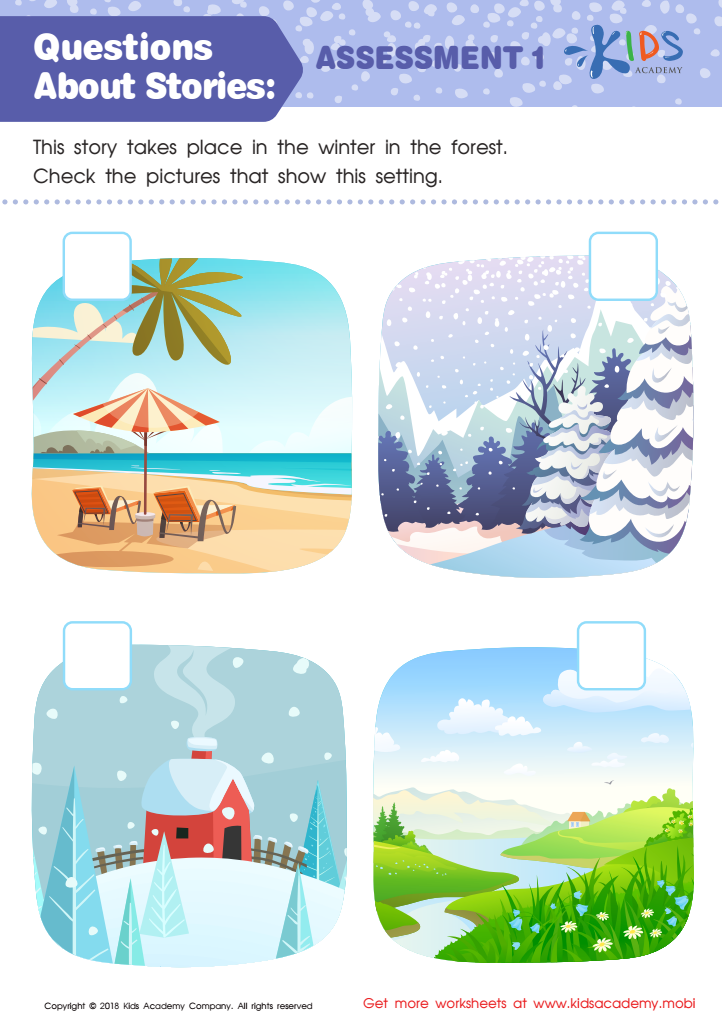
Winter brings snow, cold, short days, and darkness. Schools can even close due to heavy snow. Ask your child what their favourite winter activities are and what color they associate with 'winter'. This worksheet takes place in a winter forest. Look at the 4 pictures with your child, and help them identify which one shows the correct setting.
Questions About Stories: Assessment 1 Worksheet
Worksheet
Three Little Pigs: Illustrations Worksheet

Three Little Pigs: Illustrations Worksheet

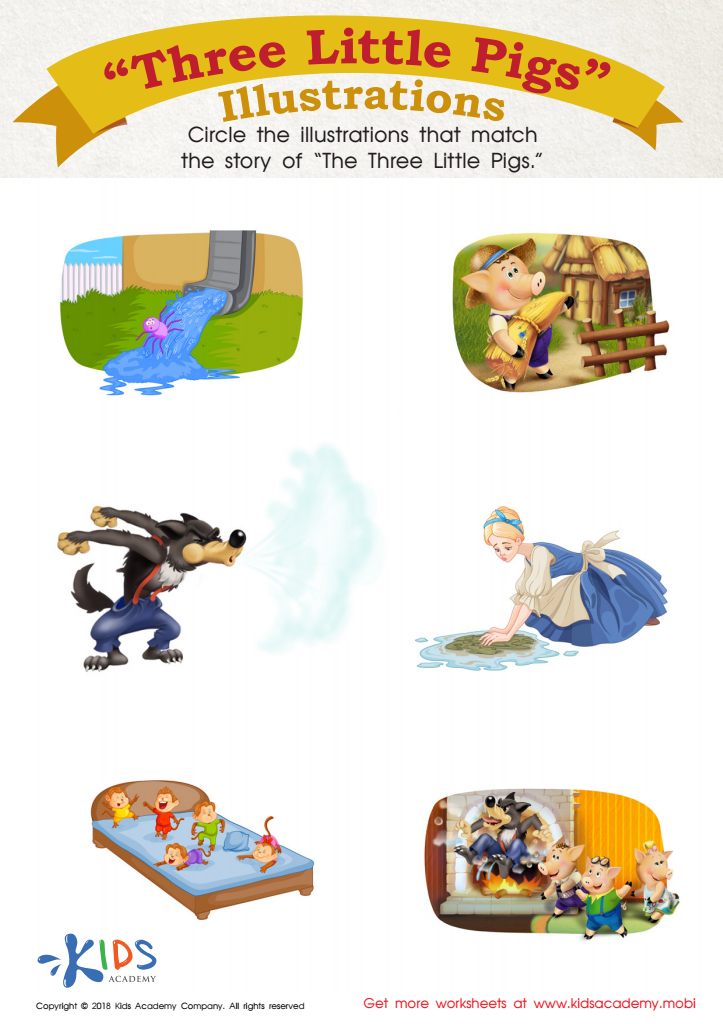
Fairy Tales are a great way for young children to learn about settings, characters and other fiction elements. This worksheet has illustrations from The Three Little Pigs, and lets your student use what they know and the visuals to match the story. It's a fun way for them to practice story recall and comprehension with illustrations.
Three Little Pigs: Illustrations Worksheet
Worksheet
Can You Match the Sentence? Worksheet

Can You Match the Sentence? Worksheet

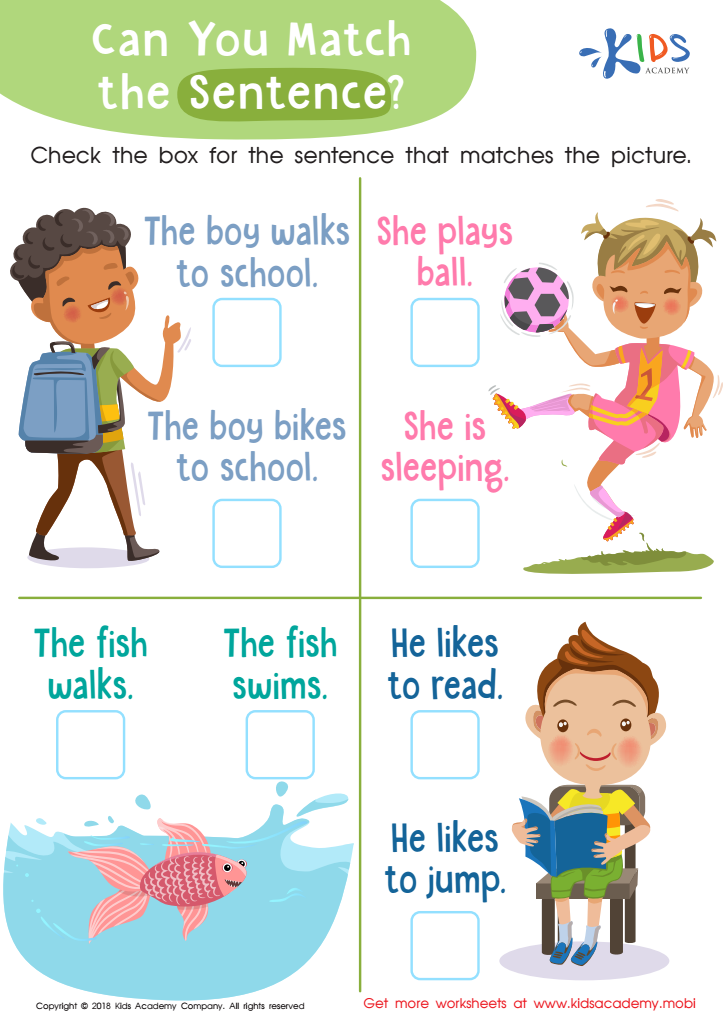
Kids gain fluency with this worksheet which uses bright pictures. They select the sentence that matches the image and check the box. This repetition of words and phrases helps them improve their reading skills while having fun.
Can You Match the Sentence? Worksheet
Worksheet
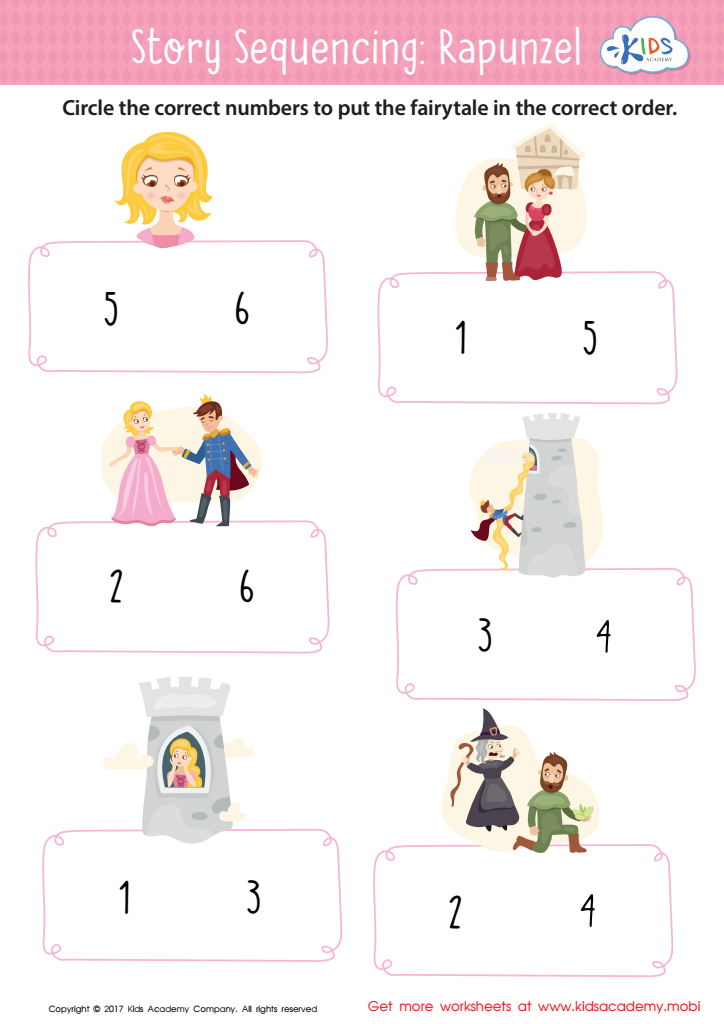
Rapunzel story sequencing worksheet

Rapunzel Story Sequencing Worksheet

Enhance your child's reading comprehension and help them sequence story events with this Rapunzel worksheet – it's thrilling and educational! Max 80 words. Help your child develop their reading comprehension with this exciting Rapunzel story sequencing worksheet! Kids view pictures from the classic fairytale and number them in the right order, reinforcing their understanding of story events. Educational and entertaining!
Rapunzel Story Sequencing Worksheet

Worksheet


Critical Thinking Easy Reading for ages 4-6 is a foundational tool in early childhood development that can significantly impact a child’s academic and personal growth. Parents and teachers should care about incorporating it into early education because this period is crucial for developing cognitive skills. Activities that promote critical thinking encourage young children to ask questions, make connections, and solve simple problems, laying the groundwork for more complex intellectual abilities in the future.

Engaging children in critical thinking not only strengthens their reading comprehension but also enhances their ability to understand and interact with the world around them. Simple questions like "What do you think will happen next?" or "Why do you think the character did that?" build analytical skills that are crucial for all learning areas. Moreover, these exercises foster curiosity and a love for learning which can lead to lifelong educational engagement.

Additionally, critical thinking shapes children into thoughtful, reflective individuals who are better equipped to navigate social situations and make informed decisions. By prioritizing Critical Thinking Easy Reading, parents and teachers give children the tools to develop independence, resilience, and a keen problem-solving mindset, leading to academic success and well-rounded personal development.