Extra Challenge Social Studies Worksheets for Ages 3-7 - Page 2
27 filtered results
-
From - To
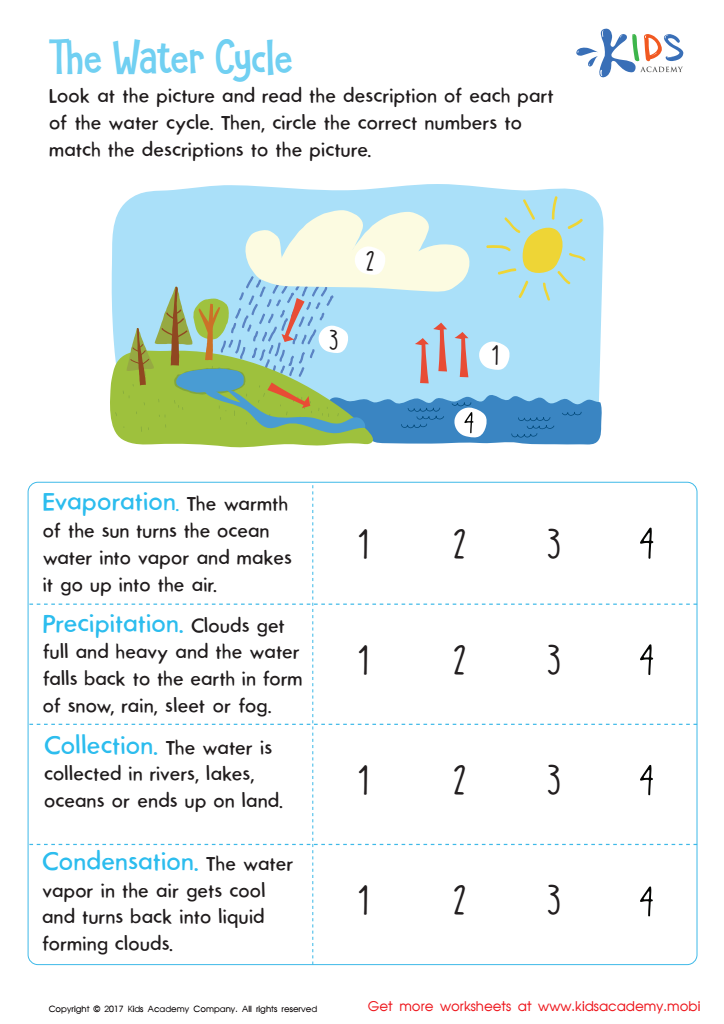
The Water Cycle Worksheet
 Assign to My Students
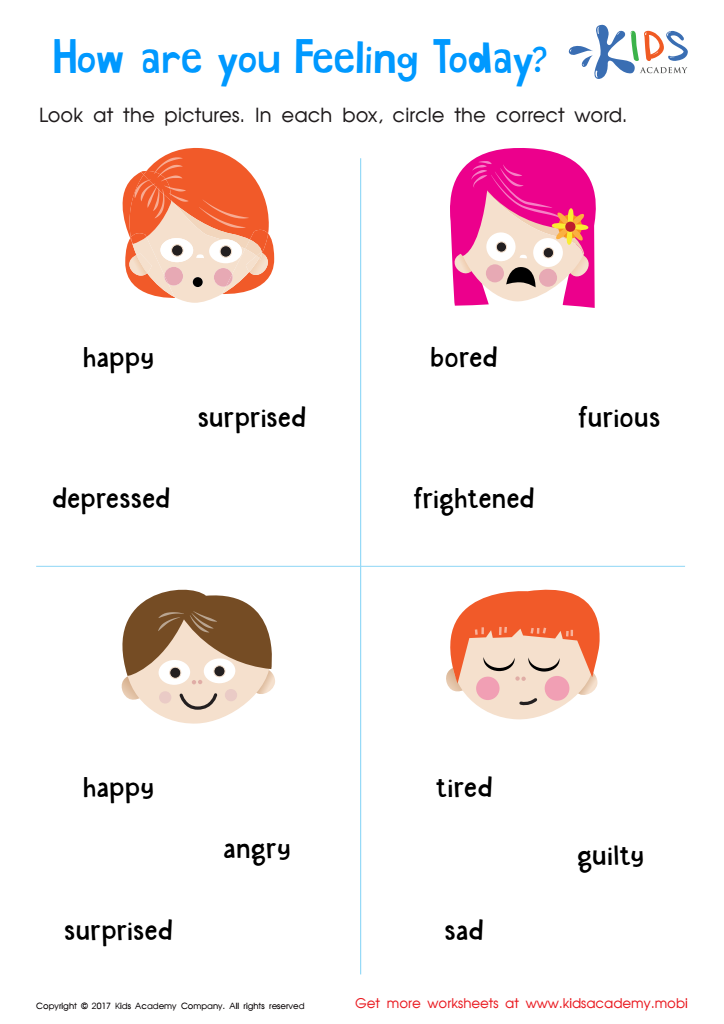
Understanding Feelings Worksheet
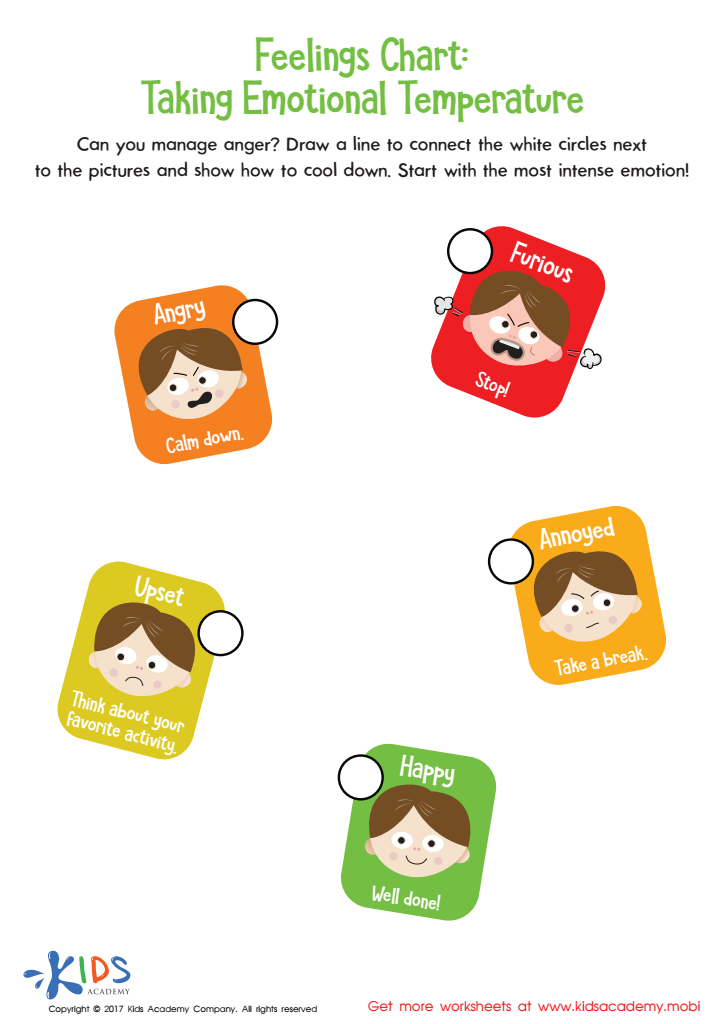
Feelings Chart Worksheet


.jpg)




Parents and teachers should care about Extra Challenge Social Studies for ages 3-7 because it fosters foundational skills critical for a child's development. During early childhood, kids are naturally curious and eager to explore the world around them. Social studies activities can channel this curiosity productively, teaching children about their communities, different cultures, geography, and important social values. Exposure to these concepts at a young age promotes empathy, cultural awareness, and a sense of belonging.
Additionally, social studies help to develop cognitive and reasoning abilities. Children learn to ask questions, think critically, and make connections, which are crucial for later academic success. Engaging young learners in discussions about historical events, notable figures, and societal roles helps them develop their communication and comprehension skills.
Social development is equally important, and social studies often involve group activities that promote teamwork, sharing, and cooperation. These interactions are essential for developing social skills that children will use throughout their lives.
Finally, early introductions to social studies lay a groundwork for lifelong learning and curiosity about the world. This passion for learning can be ignited through fun, engaging challenges that make complex concepts accessible to young minds. Caring about Extra Challenge Social Studies ensures that children receive a well-rounded education that prepares them for future schooling and civic life.