Extra Challenge Numbers 11–20 Worksheets for 4-Year-Olds
3 filtered results
Difficulty Level
Grade
Age
-
From - To
Subject
Activity
Standards
Unveil the world of bigger numbers with our captivating "Extra Challenge Numbers 11–20 for 4-Year-Olds" worksheets! Designed to stretch the minds of young learners, these engaging sheets promise to make mastering numbers 11 through 20 an exciting adventure. Tailored specifically for 4-year-olds, each worksheet is infused with vibrant illustrations and interactive tasks that not only reinforce numerical understanding but also enhance fine motor skills and cognitive development. Whether counting, matching, or tracing, your little one will be fully immersed in a fun-filled learning experience. Dive into our collection today and watch your child's confidence and competence in numbers grow by leaps and bounds!
Favorites
With answer key
Interactive
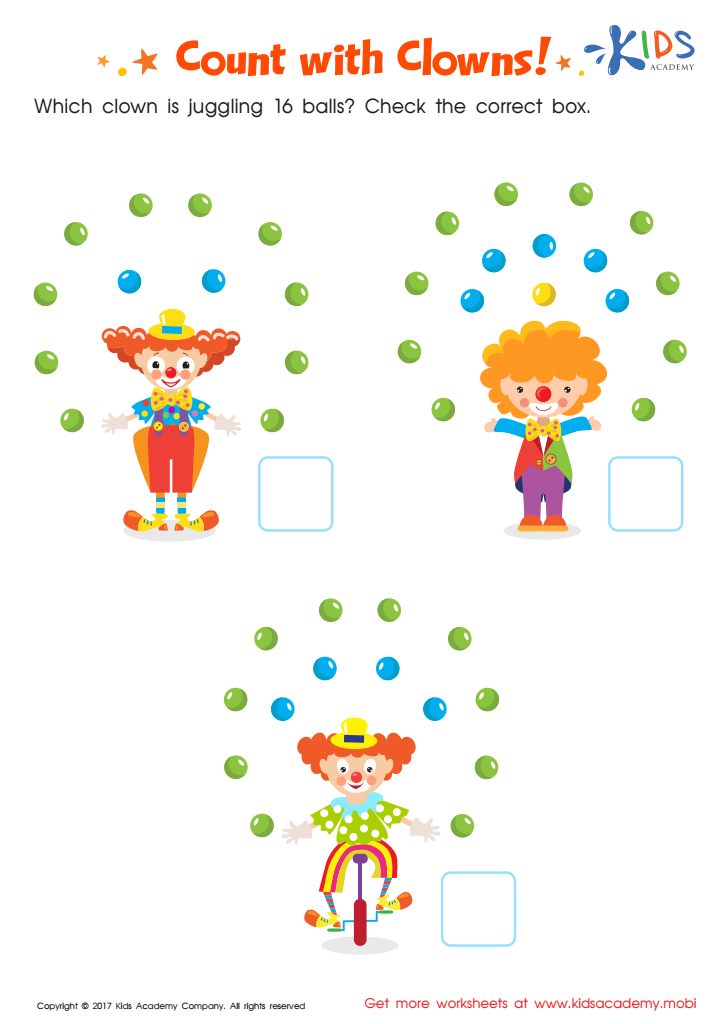
Count with Clowns Worksheet
Math may not be a laughing matter, but this worksheet sure is! Download the PDF and get ready to count balls with the clowns! Your child will have a blast and learn how to count at the same time. It's an easy, fun way to practice math!
 Assign to My Students
Count with Clowns Worksheet
Worksheet
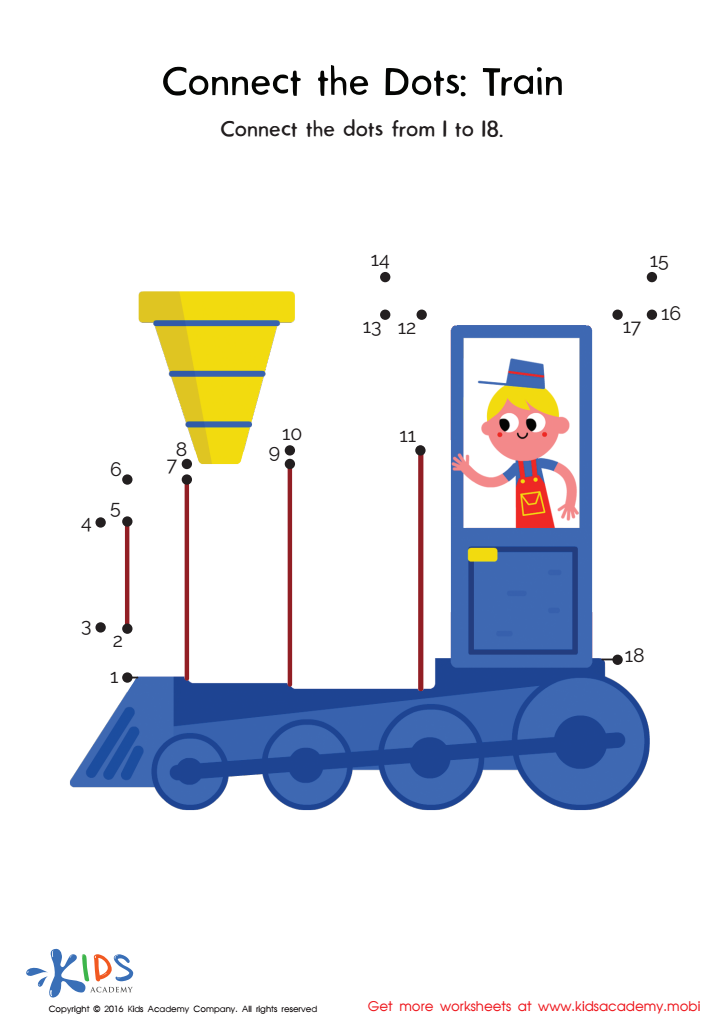
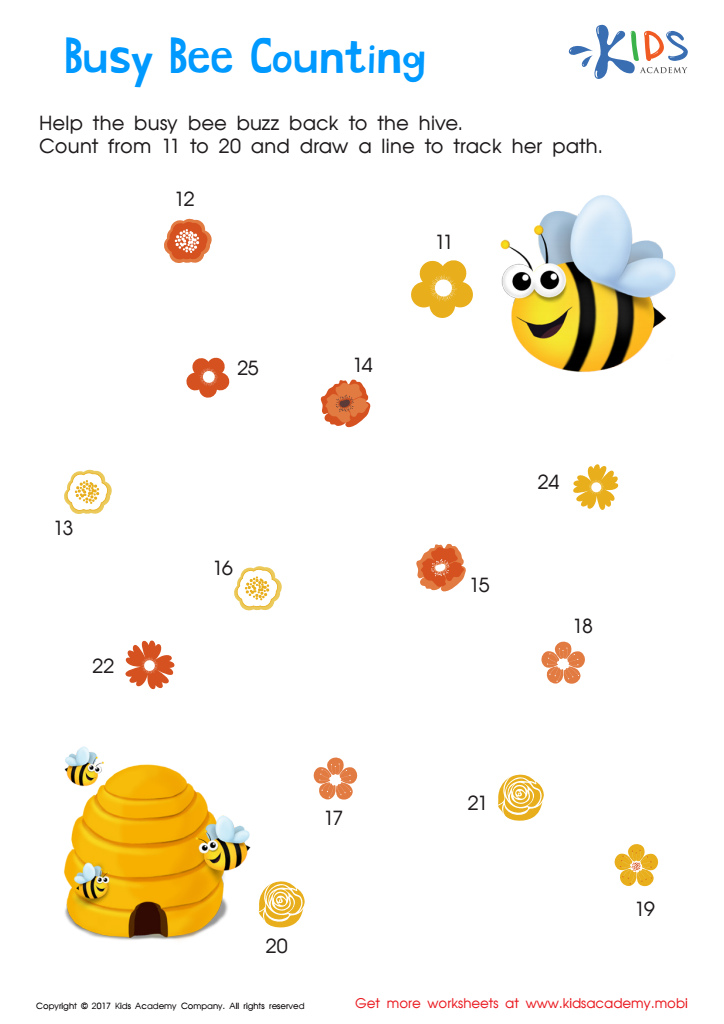
Ordering 11–20: Busy Bee Counting Worksheet
Help your child master counting from 11 to 20 with our connect the dot counting worksheet. Kids will have fun counting, drawing and problem-solving with this vibrant worksheet. With clear directions, adorable pictures and a sense of purpose, your child will develop crucial numeracy skills without even knowing it!
Ordering 11–20: Busy Bee Counting Worksheet
Worksheet
Join Kids Academy for Free
Who is primarily going to use this learning content?



Extra Challenge Numbers 11–20 worksheets for 4-Year-Olds offer an invaluable opportunity to extend the boundaries of learning for young children. At this critical stage of development, children are like sponges, eager to absorb knowledge and skills that will lay the groundwork for their academic journey. The significance of these worksheets lies in their ability to introduce youngsters to more complex concepts of counting and number recognition beyond the basics of numbers 1 through 10.
The transition from understanding the first ten numbers to grasping the concepts of 11 through 20 can be a delightful challenge for 4-year-olds. These worksheets are designed not just to challenge them but to do so in an engaging, enjoyable manner. Through a variety of activities, such as matching, sequencing, and simple addition, children can explore these new numbers in a supportive, playful environment.
Moreover, the Extra Challenge Numbers 11–20 worksheets for 4-Year-Olds foster independence and confidence in young learners. As they successfully navigate through the exercises, their sense of accomplishment grows, encouraging a positive attitude towards learning. These worksheets are not just about numbers; they're about building a strong foundation for future mathematical skills, enhancing problem-solving capabilities, and sparking a lifelong curiosity for learning. In essence, they are an essential tool for early childhood education, perfectly tailored for the developmental needs of 4-year-olds.