Extra Challenge Comparing Numbers Worksheets for Ages 6-8
5 filtered results
Difficulty Level
Grade
Age
-
From - To
Subject
Activity
Standards
Enhance math skills with our "Extra Challenge Comparing Numbers Worksheets for Ages 6-8". Designed to engage young minds, these worksheets provide an exciting way for children to practice comparing numbers through fun and thought-provoking exercises. Each sheet is crafted to challenge students and build a strong foundation in basic mathematics, aiding in the development of critical thinking and analytical skills. Perfect for both classroom and home use, these printables are a valuable resource for teachers and parents aiming to boost their child's confidence in math. Help your child become a number wizard with our advanced comparing numbers worksheets!
Favorites
With answer key
Interactive
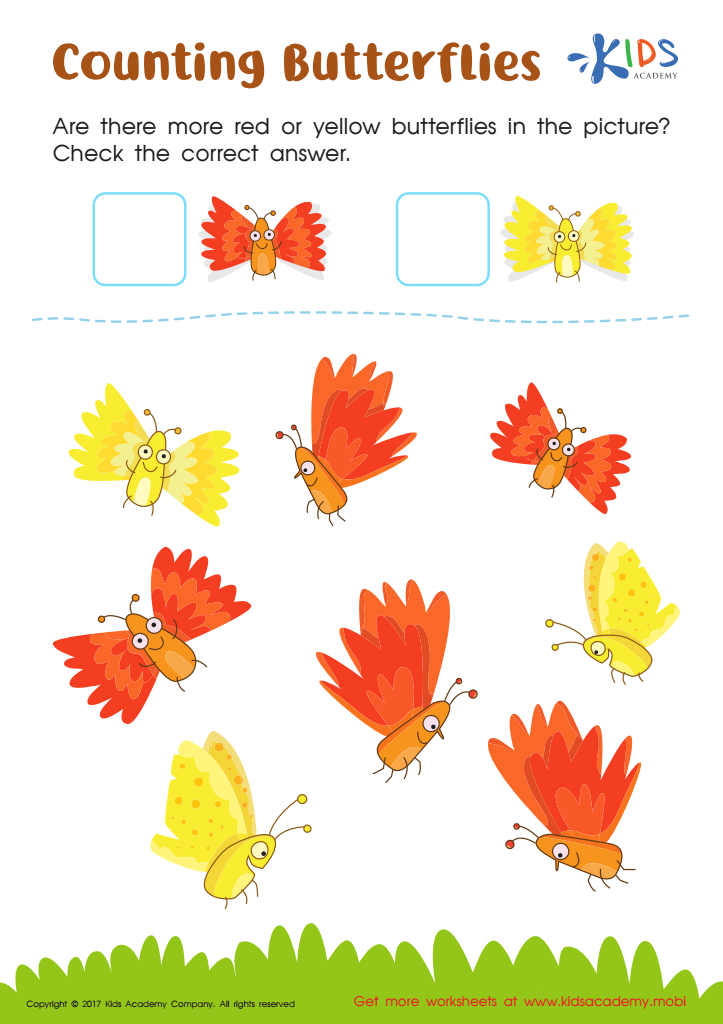
Counting Butterflies Worksheet
Count and compare the butterflies in the picture with your child. How many are red, and how many are yellow? Stimulate thinking and counting skills while having fun. Check the answers when you're done.
 Assign to My Students
Counting Butterflies Worksheet
Worksheet

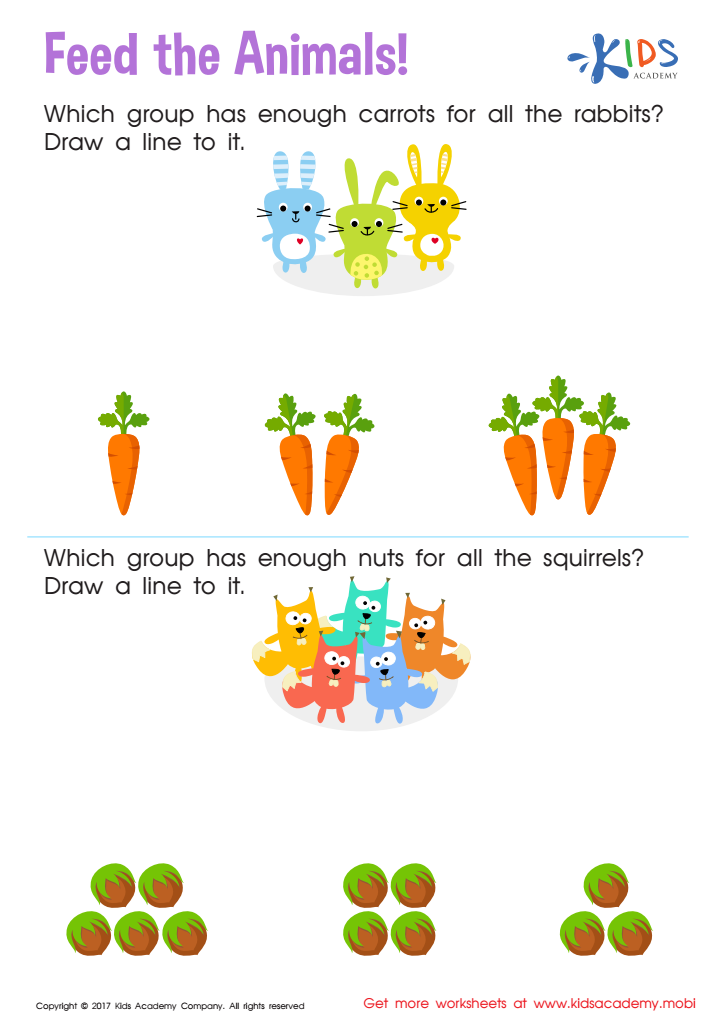
Count and Match: Feed the Animals Worksheet
Learning and growing involves more than just numbers, phonics and comparison. This Feed the Animals worksheet helps kids to exercise their reasoning skills. They must work out how many rabbits and carrots there are, and then repeat the process for the squirrels. This encourages problem solving and counting skills.
Count and Match: Feed the Animals Worksheet
Worksheet
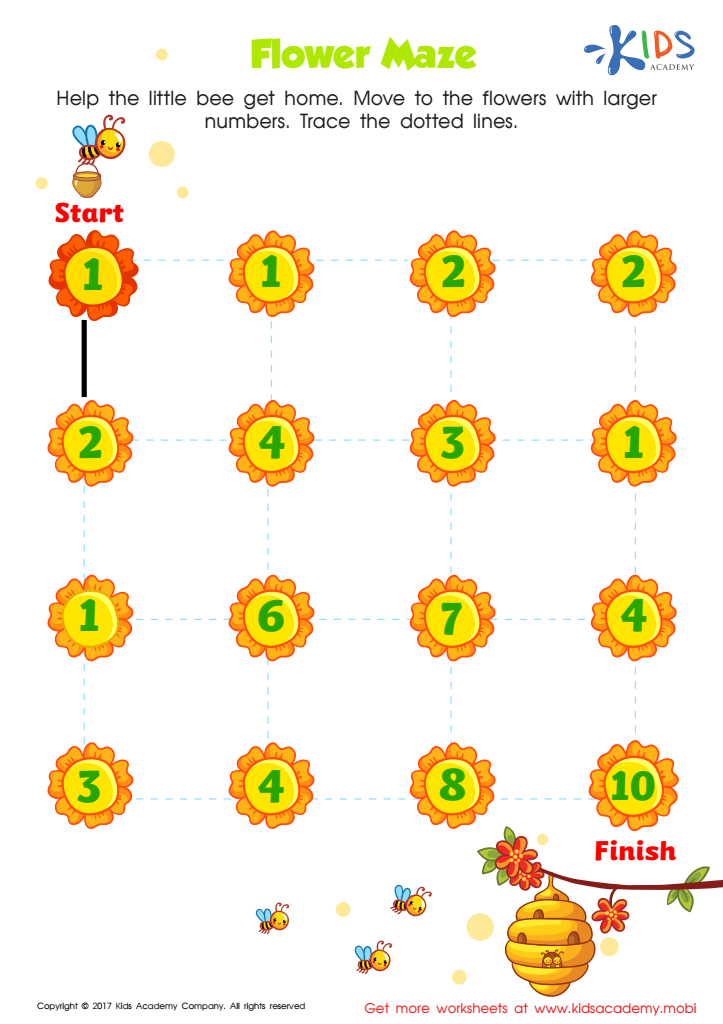
Number Maze For Kindergarten Printable
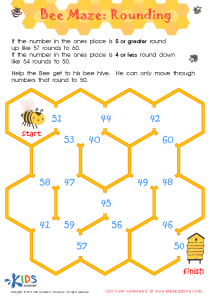
Help the bee get home to his hive by moving through a fun-filled, tricky maze! Compare numbers as you go and select the flower with the larger number. Great for motivating kindergarteners to develop their number sense - a bright number maze!
Number Maze For Kindergarten Printable
Worksheet
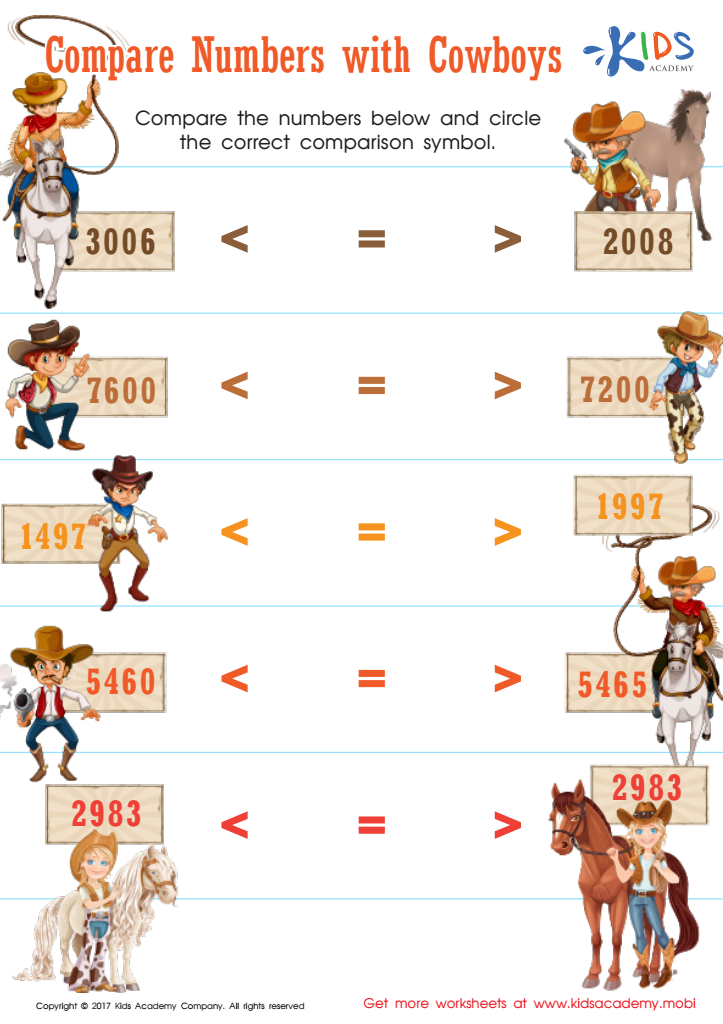
Compare Numbers Worksheet for 3rd Grade
Time to get a roundup on big numbers! Help your 3rd grader practice comparing thousands with this compare numbers worksheet. They'll use >, <, and = symbols for tricky numbers. Jump in and join the cowboys!
Compare Numbers Worksheet for 3rd Grade
Worksheet
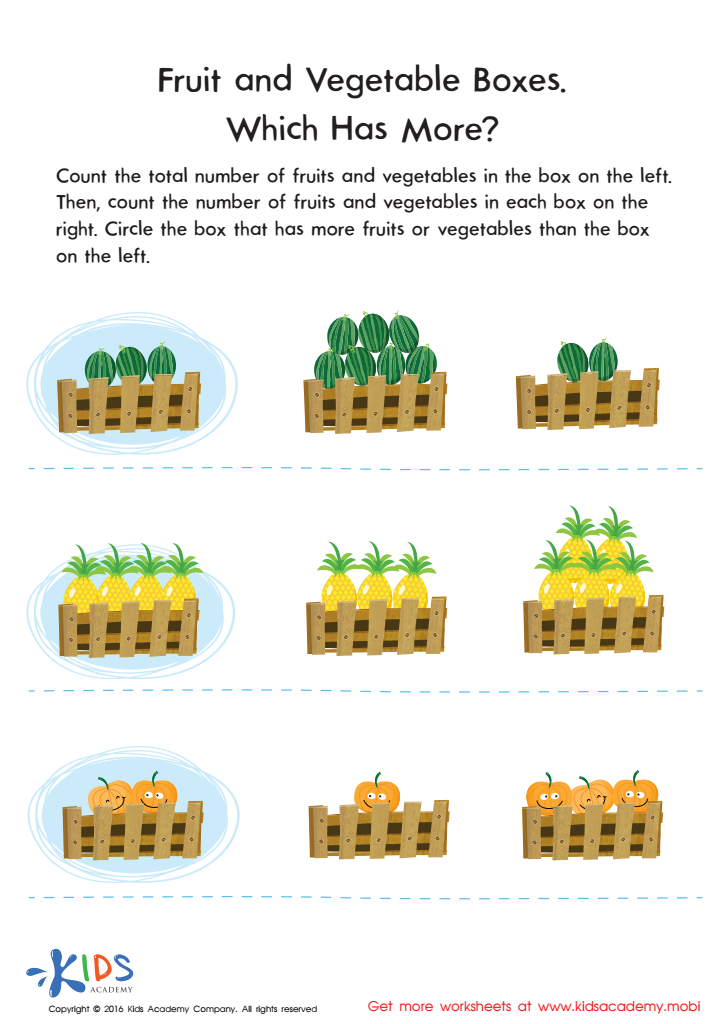
Which Has More? Size Worksheet
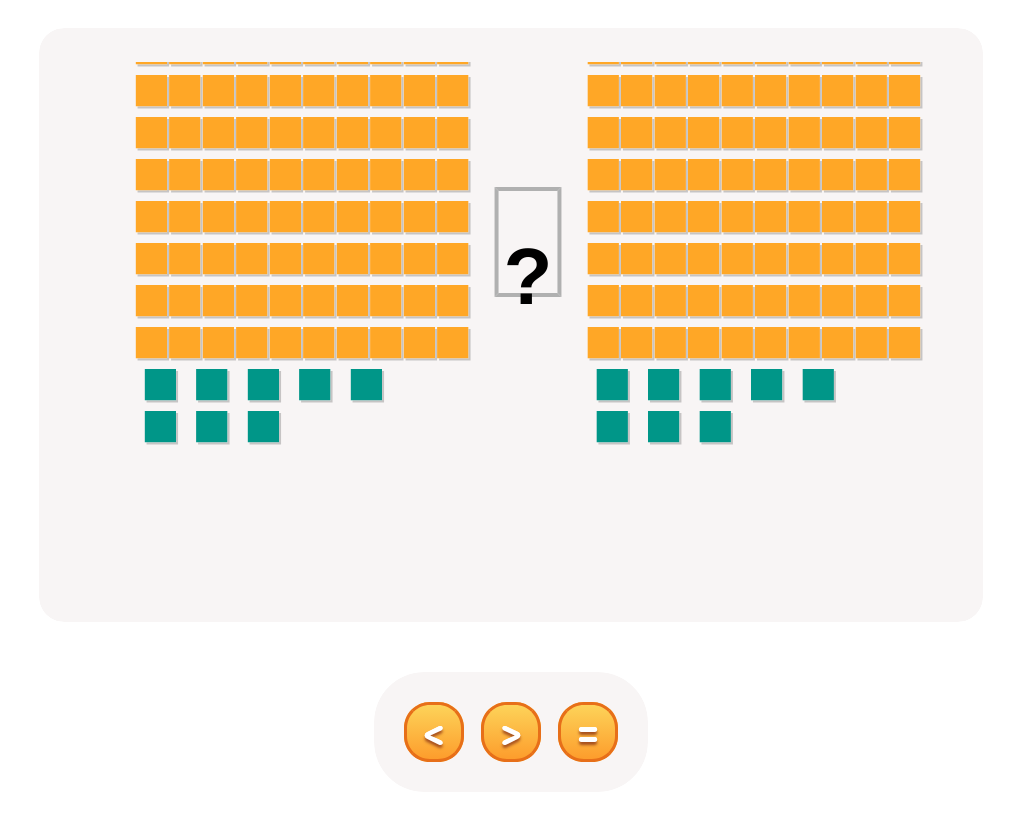
This worksheet is perfect for your child to practice critical thinking and logical reasoning. Your child will count and compare the fruits and veggies in the crates to decide which one has more. They will use complex cognitive skills and practice following precise rules. Guide them through the directions and help keep their focus, while enjoying the images.
Which Has More? Size Worksheet
Worksheet
Join Kids Academy for Free
Who is primarily going to use this learning content?




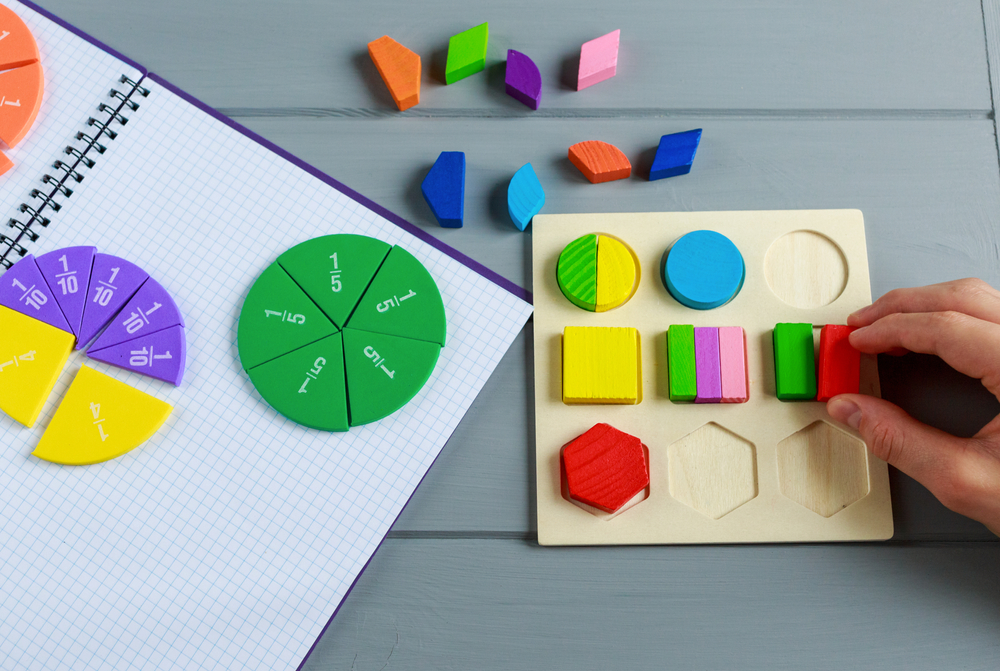



Parents and teachers should wholeheartedly embrace Extra Challenge Comparing Numbers activities for children aged 6-8 because these early mathematical comparisons are foundational to future math proficiency. At this young age, children are developing their number sense, which is the ability to understand, relate, and connect numbers. Comparing numbers — determining which is greater or smaller — sharpens this ability and lays the groundwork for more complex math concepts like addition, subtraction, and place value.
Engaging in comparison activities fosters critical thinking and problem-solving skills. These exercises require children to analyze numbers, recognize patterns, and make decisions based on their understanding. It translates to better reasoning skills, which are vital across all subjects.
Moreover, comparing numbers can be fun and engaging. By using games, visual aids, and hands-on activities, educators and parents can nurture a positive attitude toward math. A child who finds math enjoyable at this stage is more likely to carry that enthusiasm and confidence into later grades.
Additionally, early competence in basic math can boost children’s overall academic confidence, making them more willing to tackle new and challenging material. Consequently, integrating these extra challenge activities into learning routines can provide a solid head start in mathematical literacy and lifelong cognitive skills.