Extra Challenge Missing Vowels Worksheets for 6-Year-Olds
4 filtered results
-
From - To
Introducing our Extra Challenge Missing Vowels worksheets, meticulously designed for 6-Year-Olds! Spark your child's curiosity and enhance their spelling skills with this exceptional collection. These worksheets are not just another educational tool; they're a fun and engaging way to solidify understanding of vowel sounds and placement. Perfect for both classroom use and at-home learning, these activities promise to keep your little one entertained while they tackle the challenge of filling in the missing vowels. Ideal for young learners eager to advance their reading and writing abilities, our Extra Challenge Missing Vowels worksheets are the perfect addition to your educational resources.
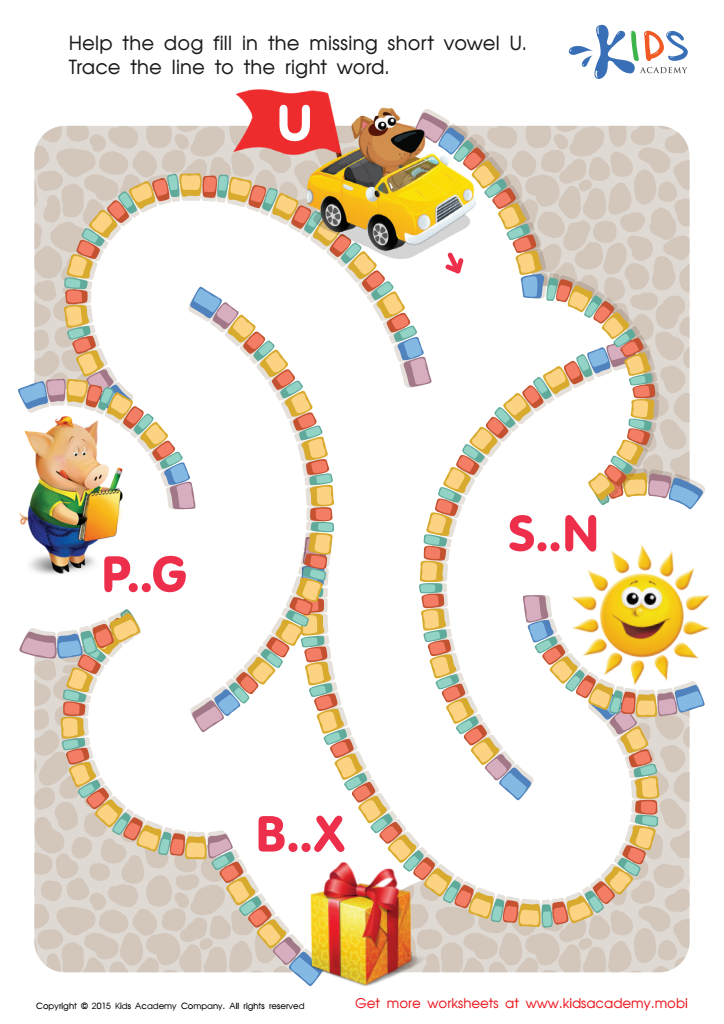
Short Vowel Sound U Worksheet
 Assign to My Students
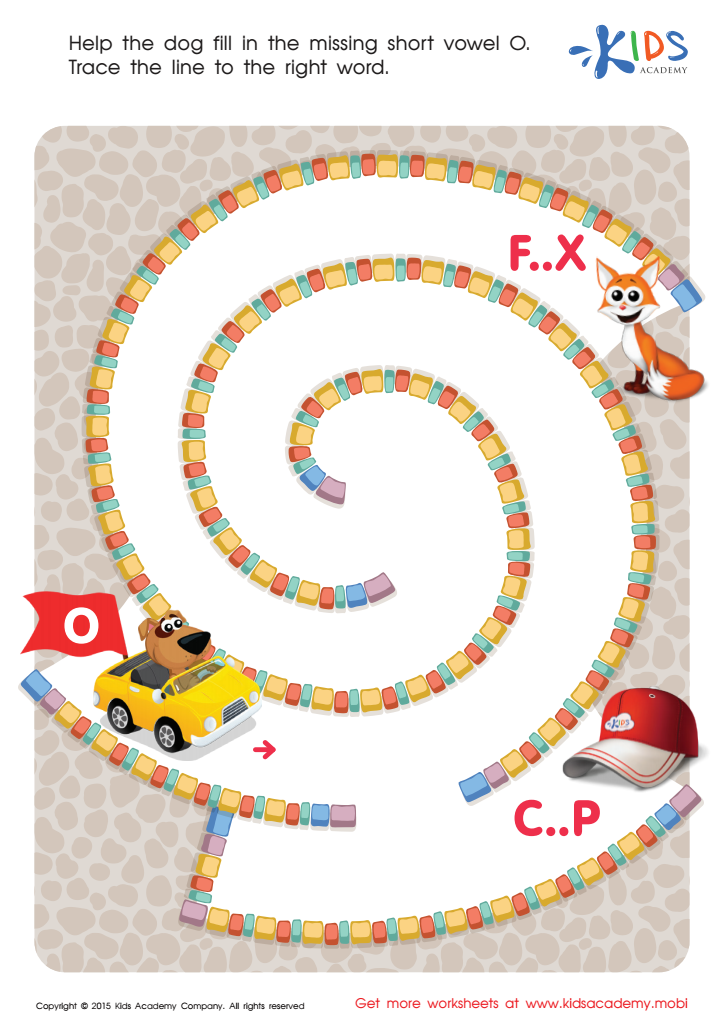
Short Vowel Sound O Worksheet
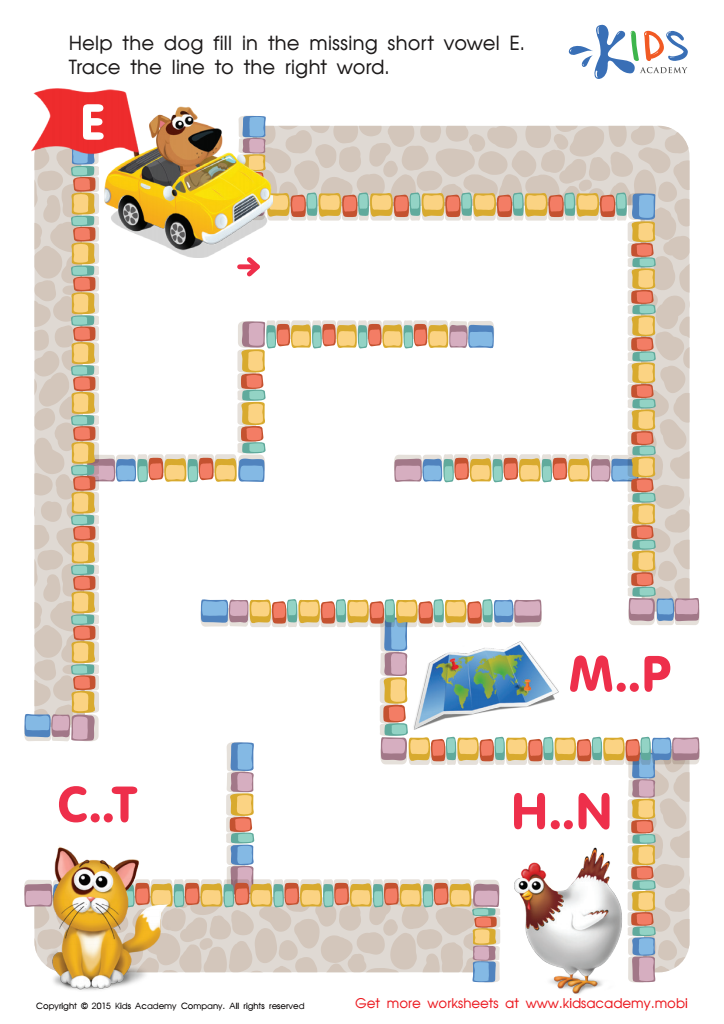
Short Vowel Sound E Worksheet
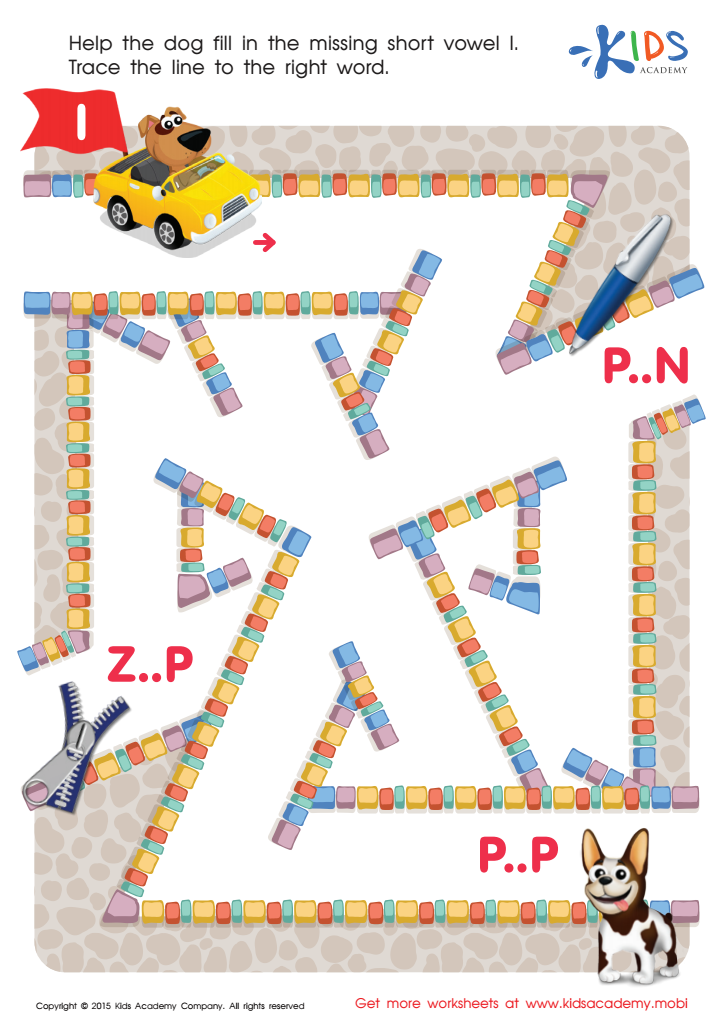
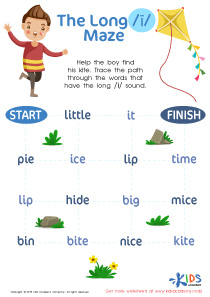
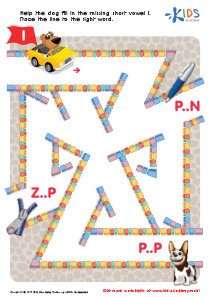
Short Vowel Sound I Worksheet


Extra Challenge Missing Vowels worksheets are a fantastic resource for 6-year-olds, designed to boost their literacy skills in a captivating and enjoyable way. These worksheets specifically target the understanding and recognition of vowels, which are foundational elements of the English language. For young learners, mastering vowels is crucial, as they play a significant role in both reading and spelling.
The Extra Challenge Missing Vowels worksheets are meticulously crafted to cater to the unique learning needs of 6-year-olds, making them an ideal tool for parents and educators. By engaging with these activities, children are encouraged to think critically as they figure out which vowels are missing from given words. This not only enhances their problem-solving skills but also improves their ability to decode and spell words correctly.
Furthermore, these worksheets are designed to be challenging yet achievable for 6-year-olds, providing a sense of accomplishment upon completion. This boosts their confidence and fosters a positive attitude towards learning. The repetitive nature of the exercises ensures that the children get ample practice, reinforcing their understanding and retention of the concept.
In summary, the Extra Challenge Missing Vowels worksheets for 6-Year-Olds are an invaluable educational tool. They make learning fun and interactive, while significantly contributing to the development of essential literacy skills in young learners.