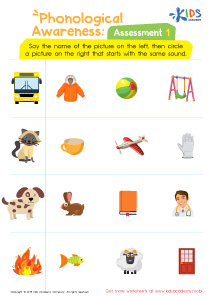
Normal Vowels and Consonants Worksheets for Ages 5-9 - Page 2
26 filtered results
-
From - To
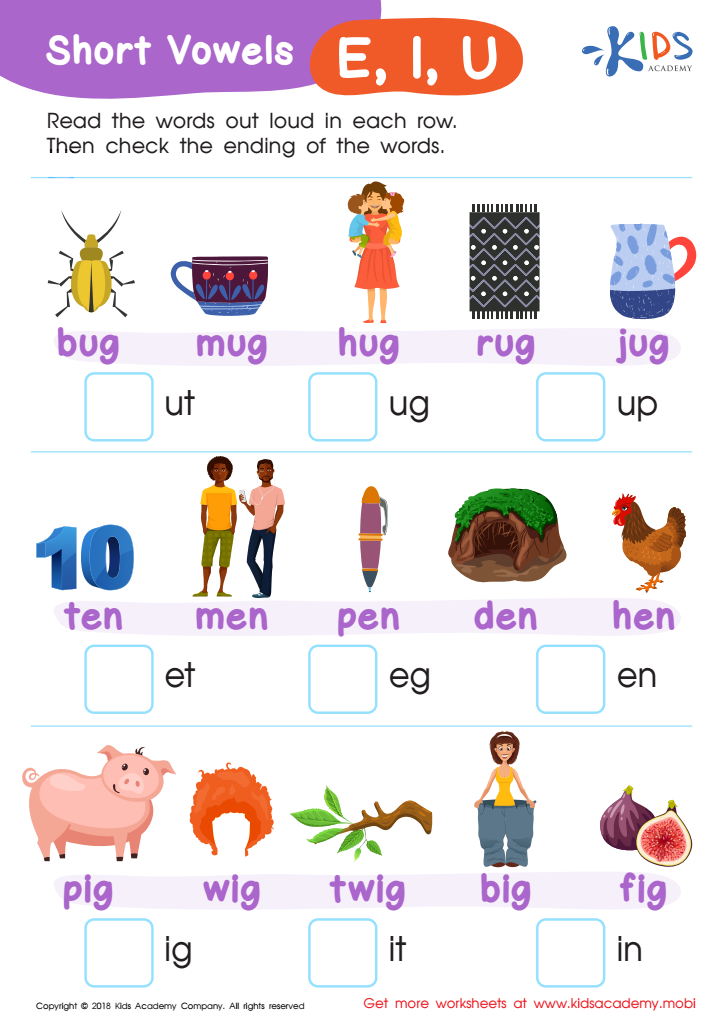
Short Vowels /e/, /i/, and /u/ Worksheet
 Assign to My Students
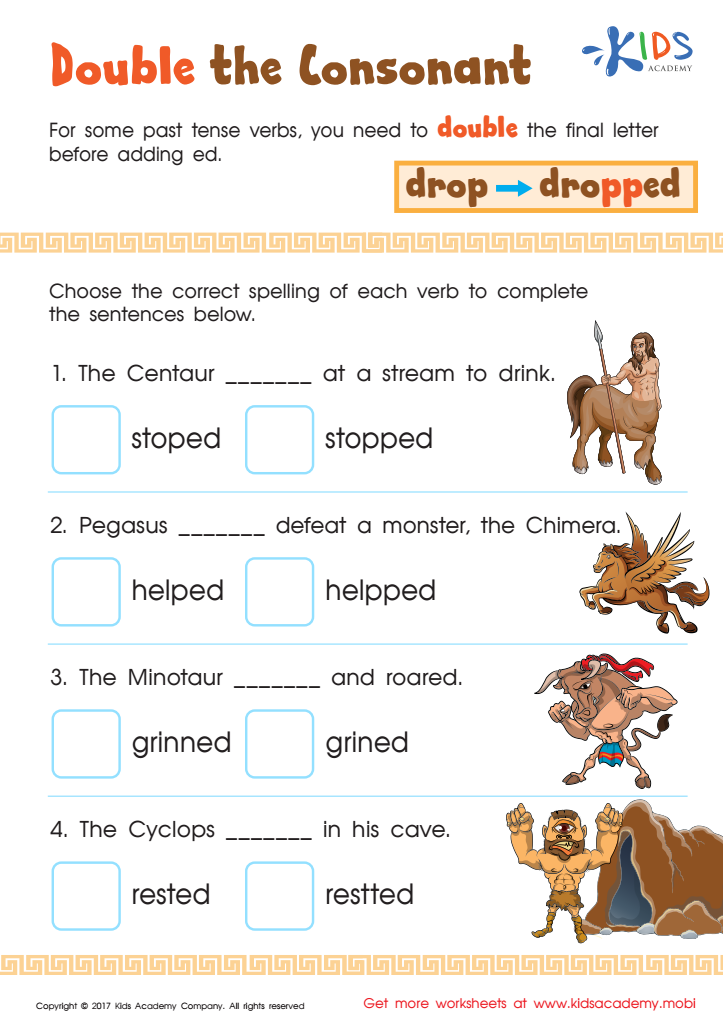
Double Consonant Spelling Worksheet



Parents or teachers should care about normal vowel and consonant development for children ages 5-9 because these are foundational years for language acquisition and literacy skills. Learning to recognize and produce vowel and consonant sounds correctly is crucial for both reading and speaking. During this age, children are typically in kindergarten to third grade, where the basics of phonics—a method used for teaching reading by developing learners’ Phonemic awareness—are taught.
Mastering vowel and consonant sounds helps children decode words efficiently, improving their reading fluency and comprehension. This awareness directly correlates with spelling improvement because children learn to link the sounds they hear in spoken words to their written forms. Additionally, proper pronunciation aids clear and effective communication, essential for social and academic interactions.
Moreover, early identification of any difficulties in producing vowel and consonant sounds can prompt timely intervention. Speech-language pathologists can offer essential support to address and mitigate language delays, ensuring children do not fall behind their peers. By focusing on these essential language components, parents and teachers set children up for successful learning experiences and long-term educational achievements. Hence, sound manipulation exercises, reading practice, and phonics games should be an integral part of early childhood education at home and school.