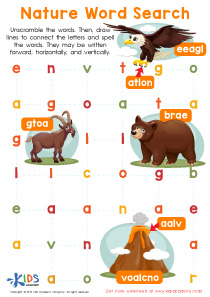
Normal Sight Words Worksheets for 5-Year-Olds
1 filtered results
-
From - To
Introducing our specially designed Normal Sight Words worksheets tailored specifically for 5-Year-Olds! These engaging and interactive sheets are crafted to accelerate your child’s reading skills, making learning both fun and effective. Our worksheets focus on the recognition and understanding of essential sight words, a critical foundation for budding readers. With activities crafted by educational experts, these worksheets aim to boost confidence and literacy in young learners. Perfect for at-home learning or as a supplement to classroom instruction, our Normal Sight Words worksheets for 5-Year-Olds are the ideal tool for nurturing a love for reading and learning in your child. Start the journey to reading proficiency today!
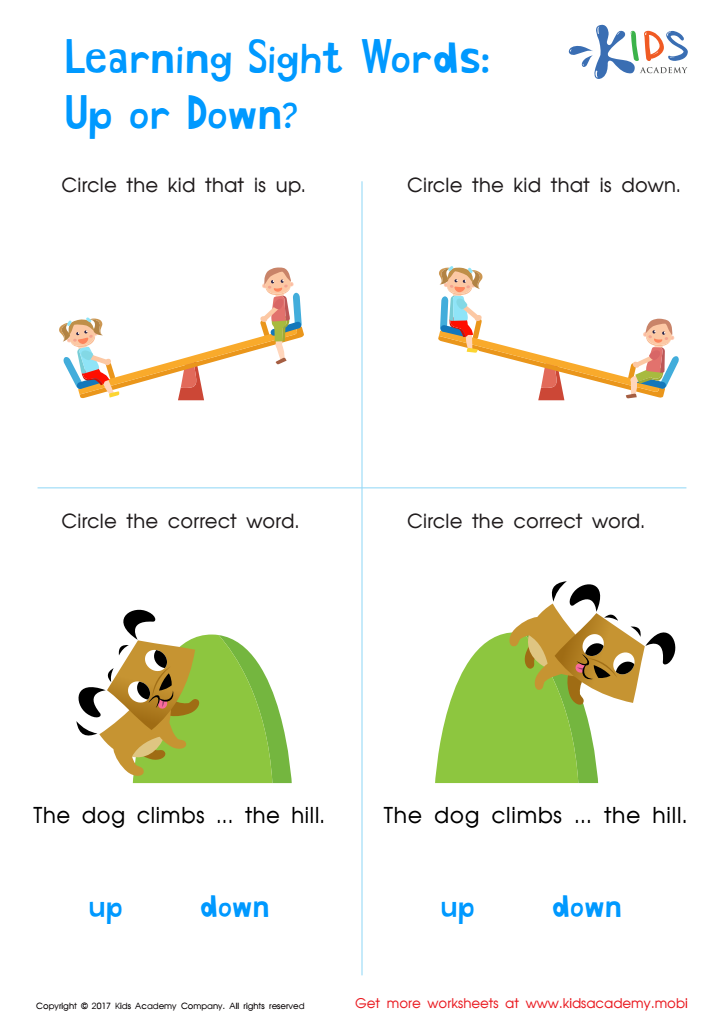
Up or Down Printable Sight Words Worksheet
 Assign to My Students



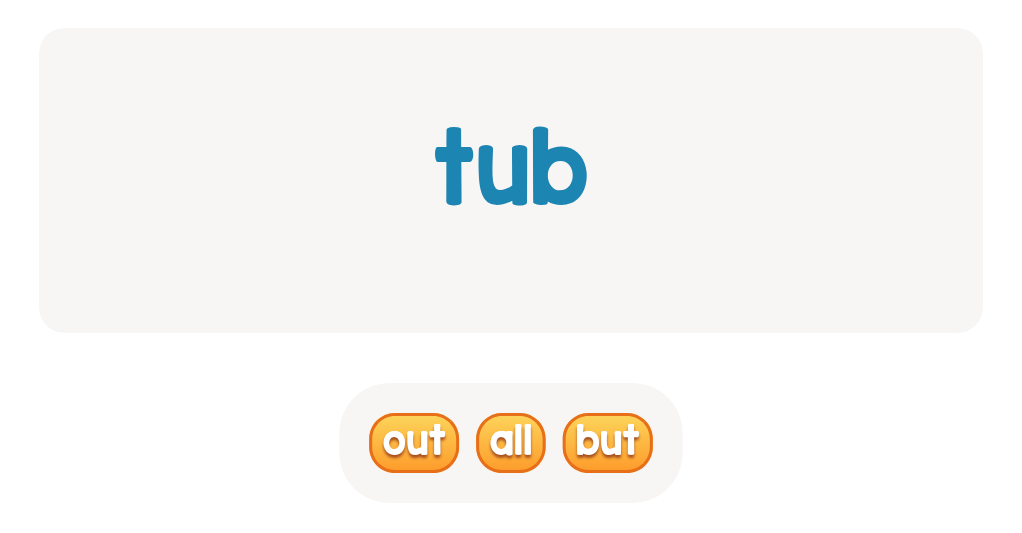
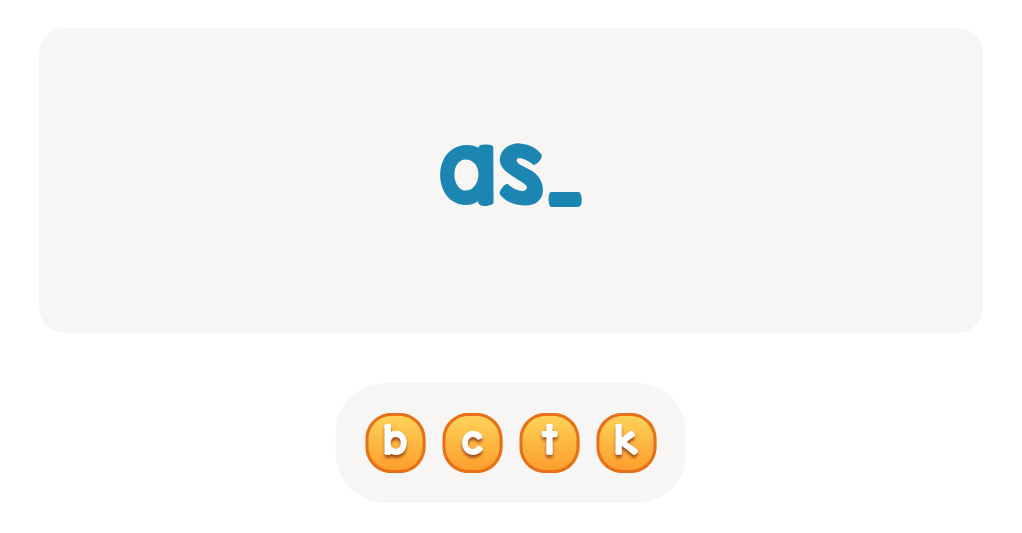
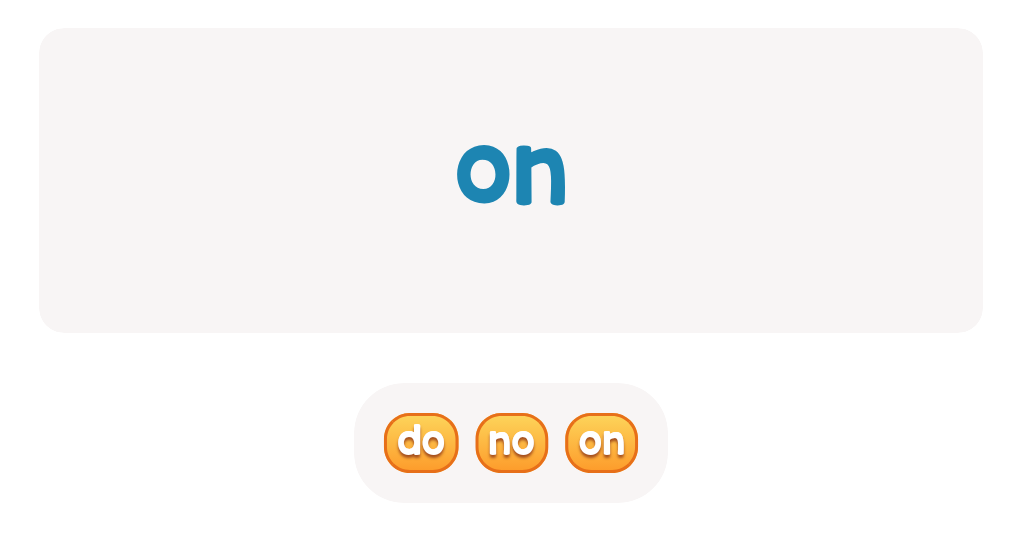
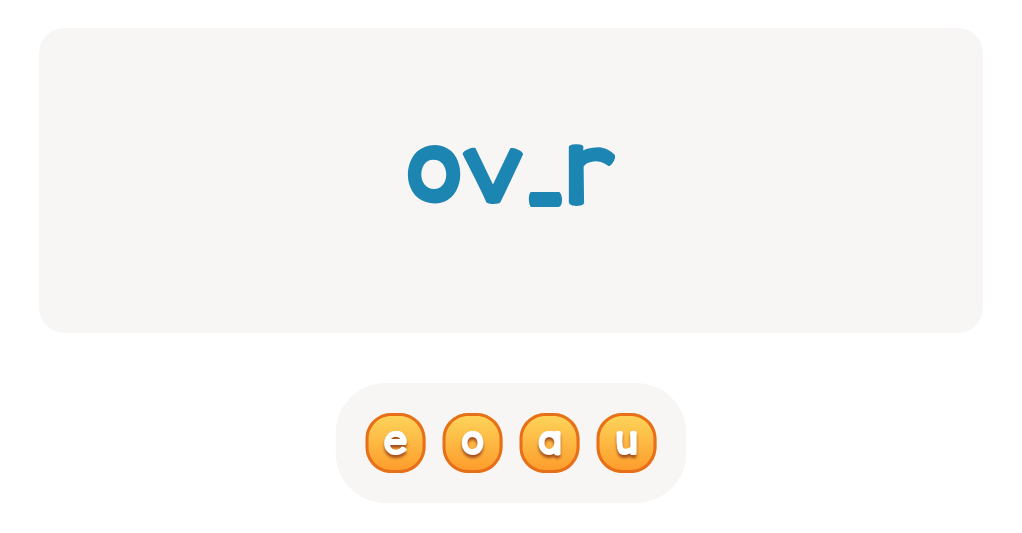








Normal Sight Words worksheets tailored for 5-year-olds serve as a foundational tool in the early development of reading skills. At this tender age, children are sponges for learning, and these specific worksheets are designed to cater to their developmental stage, making the acquisition of reading skills both engaging and effective.
The inclusion of Normal Sight Words for 5-Year-Olds in educational materials is crucial because these words are frequently encountered in text and often do not follow standard phonetic rules, making them challenging for young learners to decode through sound alone. By familiarizing children with these words through repetitive exposure and practice, worksheets help in enhancing their reading fluency and comprehension from an early age.
Moreover, these worksheets are crafted to capture the interest of 5-year-olds, incorporating colorful visuals and a variety of activities that cater to different learning styles, whether they are visual, auditory, or kinesthetic learners. This ensures that every child has the opportunity to grasp and retain the sight words effectively, laying a robust foundation for their future reading skills.
In essence, Normal Sight Words worksheets for 5-Year-Olds are an invaluable educational resource, meticulously designed to bridge the gap between emerging readers and proficient literacy, making them an indispensable part of early childhood education.