Word Recognition Preschool Elementary Phonics Worksheets
6 filtered results
-
From - To
Enhance your child's reading skills with our engaging Word Recognition Preschool Elementary Phonics Worksheets! Designed for young learners, these printables foster phonetic understanding and build vocabulary through fun activities. Each worksheet offers a variety of exciting exercises, such as matching words to images, filling in the blanks, and tracing letters. Our carefully crafted resources help children develop essential literacy skills at their own pace. Perfect for home, preschool, or classroom use, these worksheets create a solid foundation for future reading success. Discover a world of learning and watch your child flourish as they master word recognition with confidence and ease!
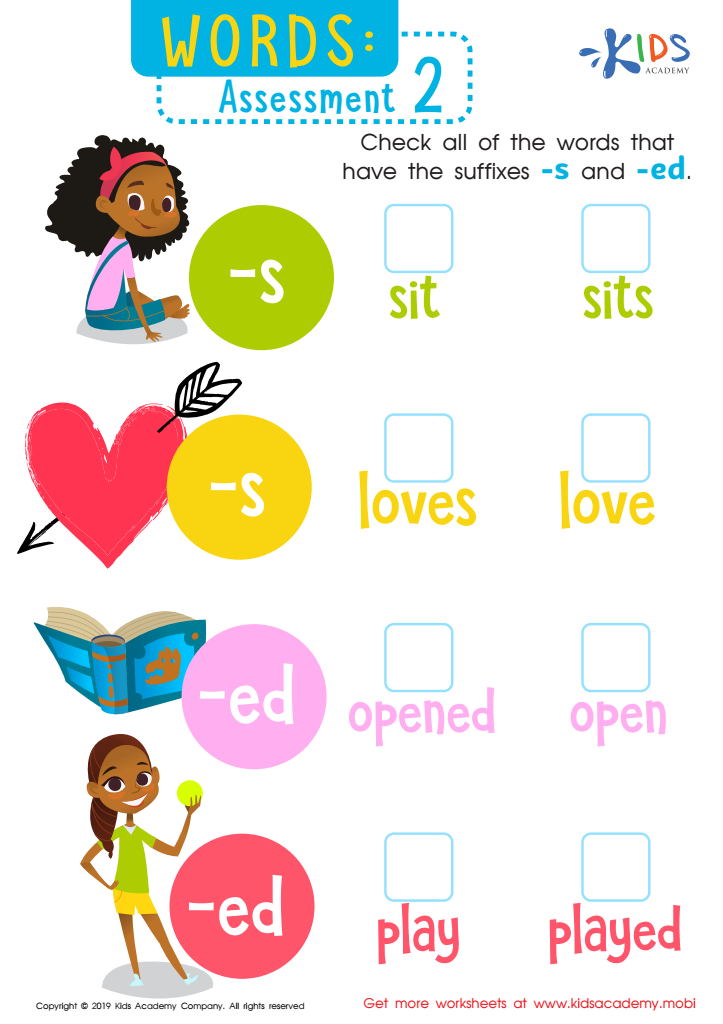
Words: Assessment 2 Worksheet
 Assign to My Students
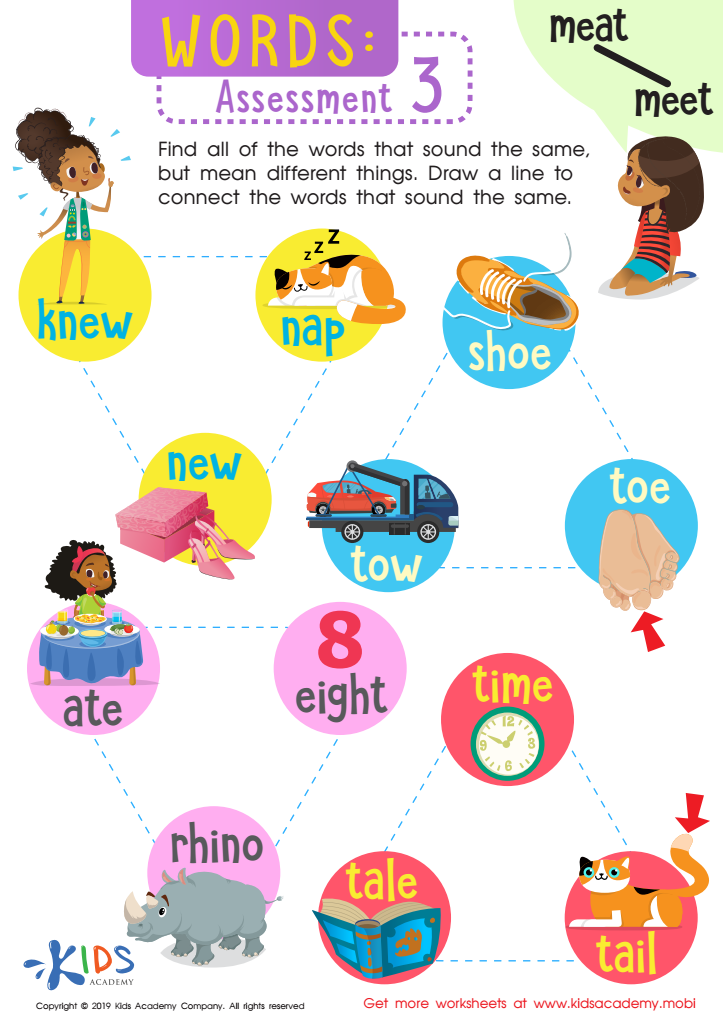
Words: Asessment 3 Worksheet
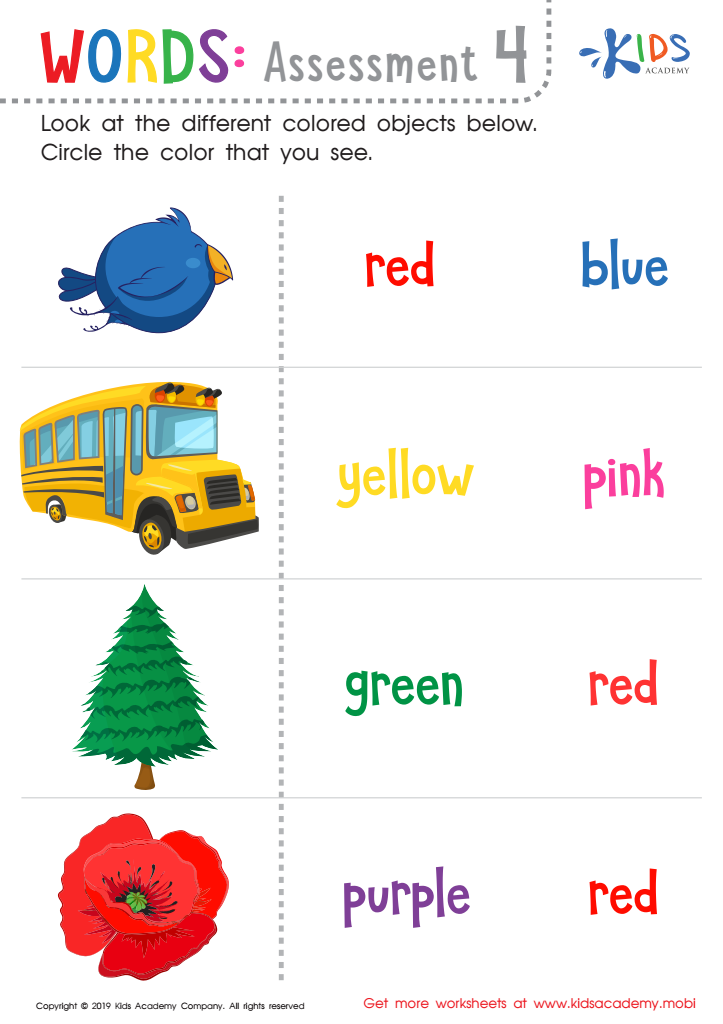
Words: Assessment 4 Worksheet
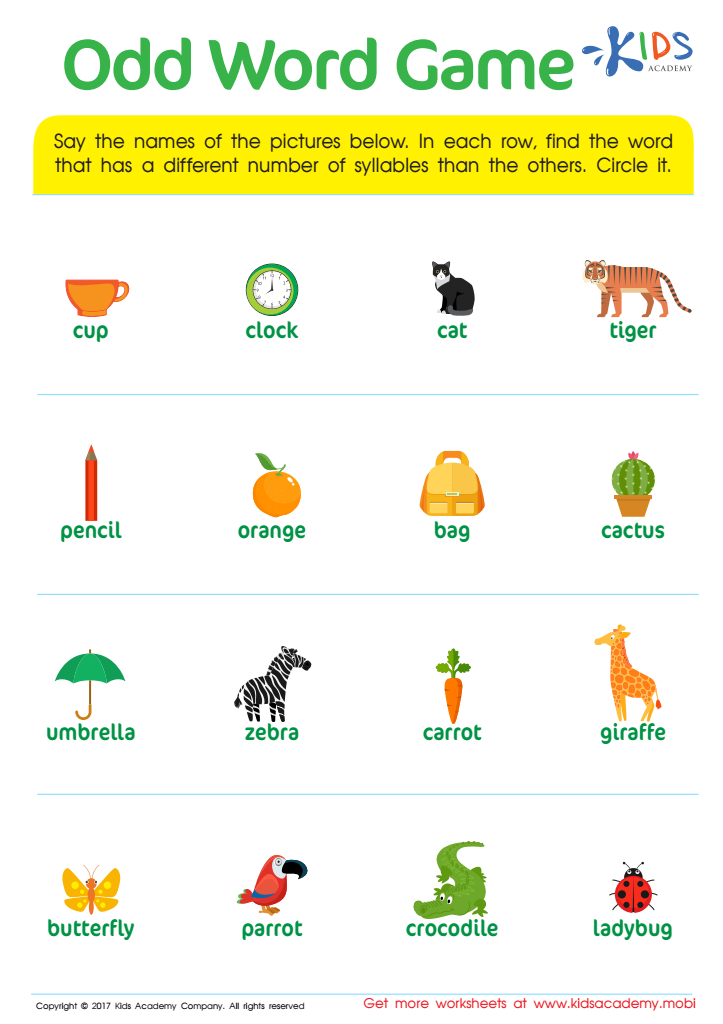
Count Syllables: Odd Word Game Worksheet
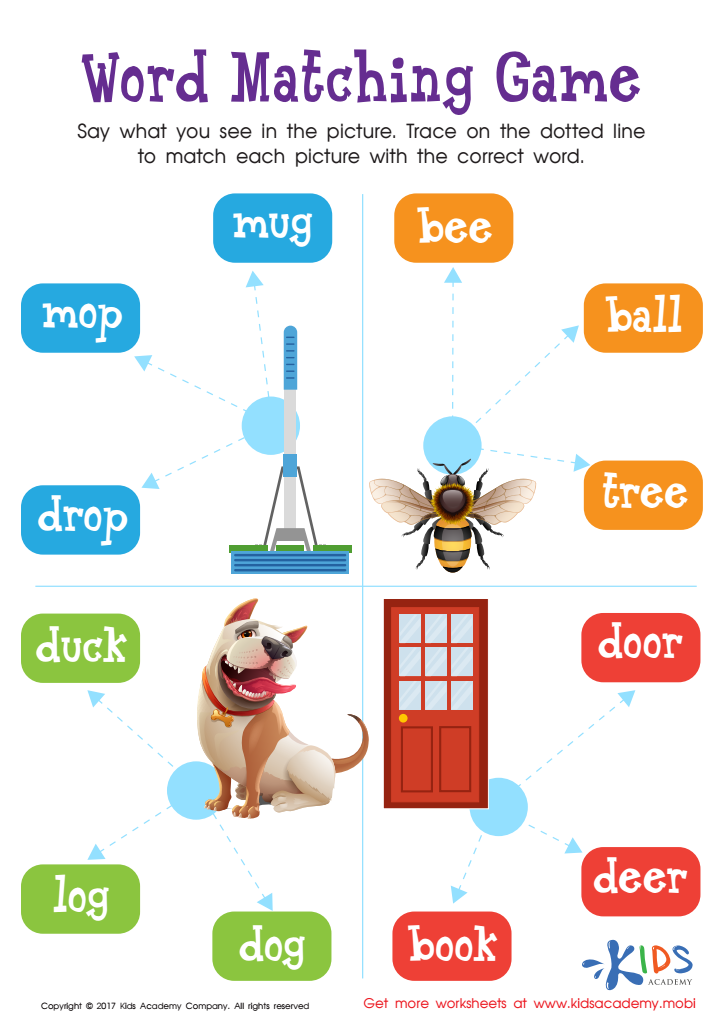
Word Matching Game Worksheet
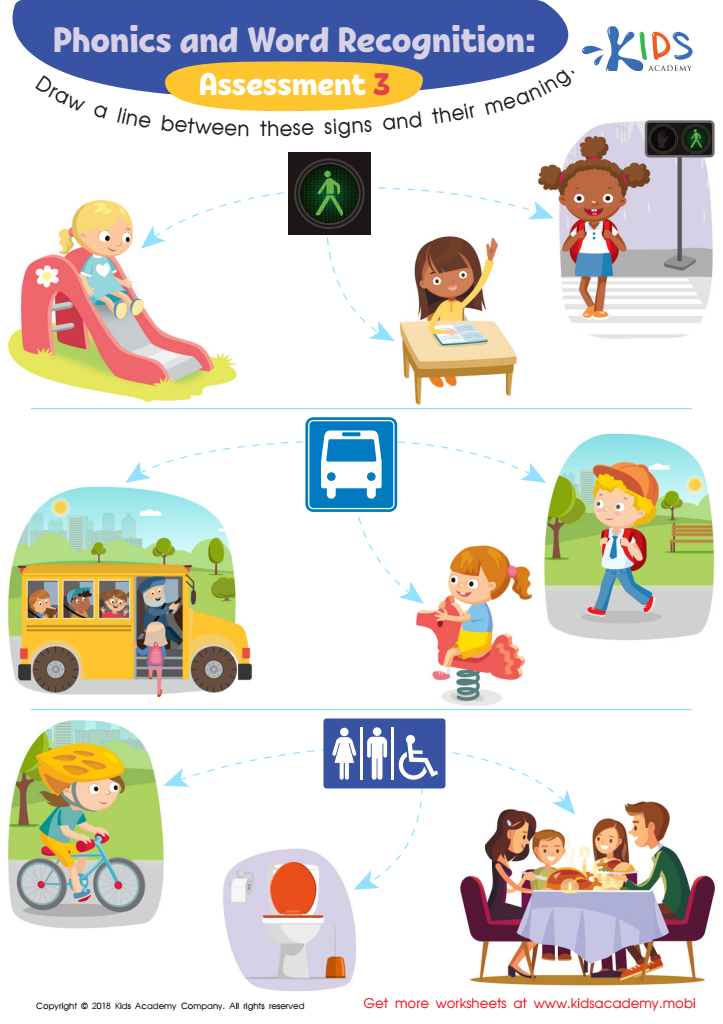
Phonological Awareness: Assessment 3 ELA Worksheet




Word recognition is a vital skill in a child's early education, laying the foundation for reading and overall literacy development. For parents and teachers, nurturing this skill through phonics teaching is essential. Word recognition enables children to swiftly identify words, facilitating a smoother reading experience, which boosts comprehension and fluency. Understanding phonics—how letters and sounds interact—helps young learners decode new words and enhances their ability to tackle unfamiliar text.
Starting this journey in preschool and elementary settings fosters a love for reading, encouraging children to engage with stories and learning materials enthusiastically. Effective phonics instruction empowers children to build their vocabulary, comprehend changing sentence structures, and understand language nuances, which are necessary for effective communication and academic success.
Moreover, proficient word recognition can build a child’s confidence, enabling them to participate more actively in classroom discussions and activities, fostering a positive self-image as a learner. When parents and teachers prioritize these skills, they not only facilitate academic achievement but also cultivate a lifelong passion for reading. Consequently, investing in word recognition through phonics isn’t just about literacy; it’s about shaping well-rounded, self-assured individuals ready to navigate their educational journeys effectively.






